“I don’t need to prove anything to anyone anymore”
Evgenia Savoskina has tried dozens of sports and was used to competing and winning. But a breast cancer diagnosis made her see her own limits in a new way. She talks about gruelling treatment, getting back to an active life, winter swimming — and why she no longer needs to prove anything to anyone.
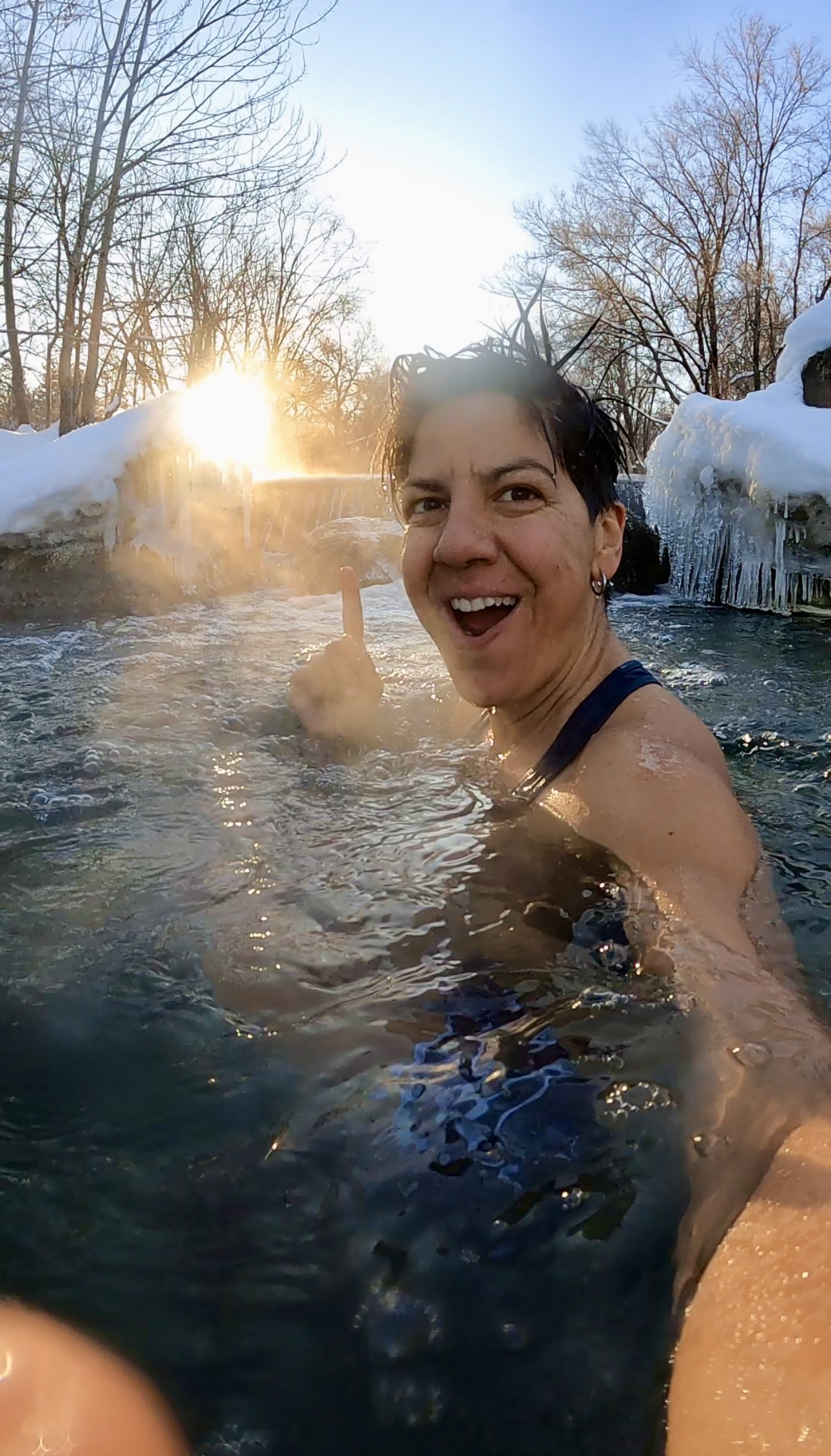
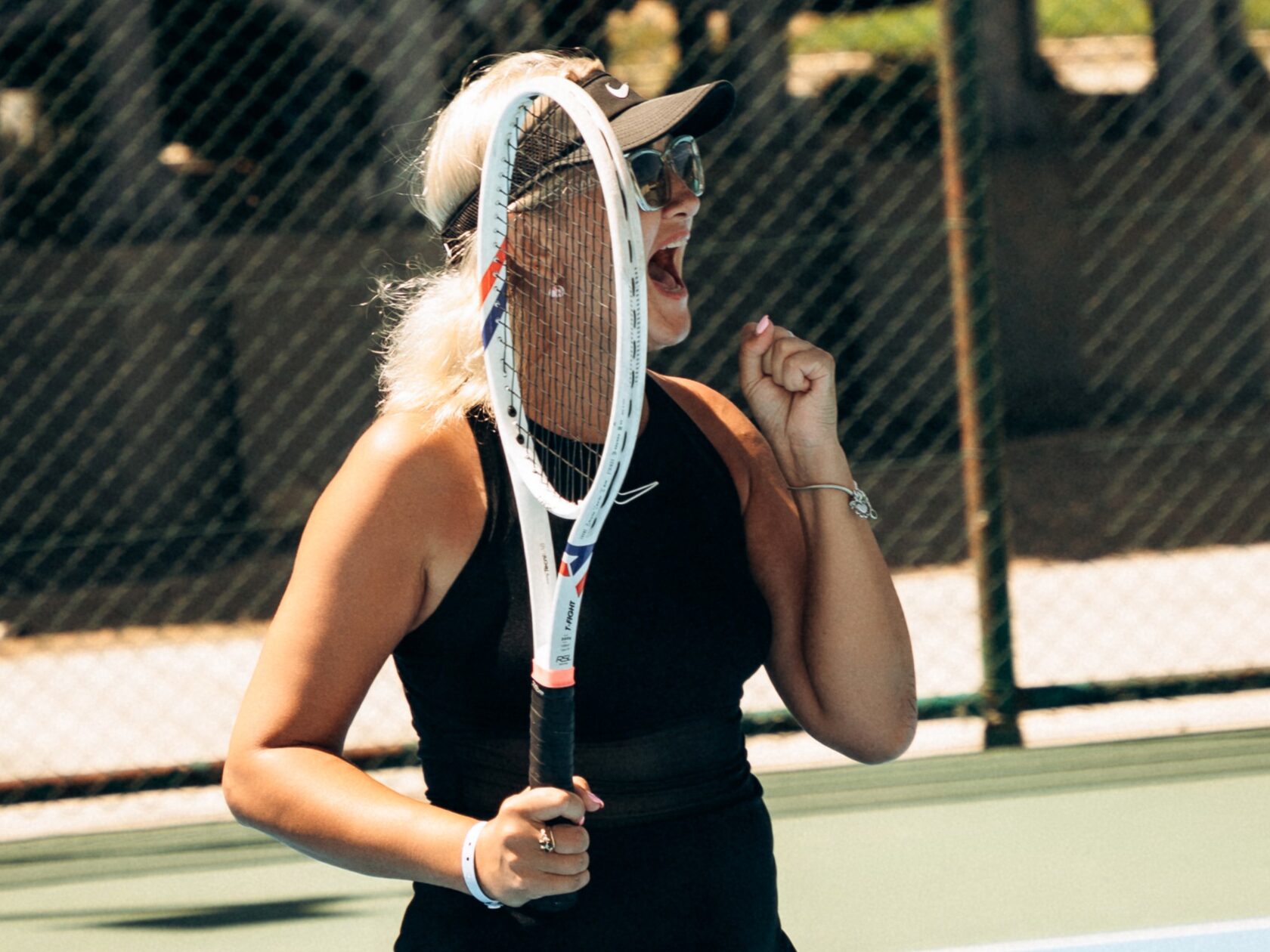
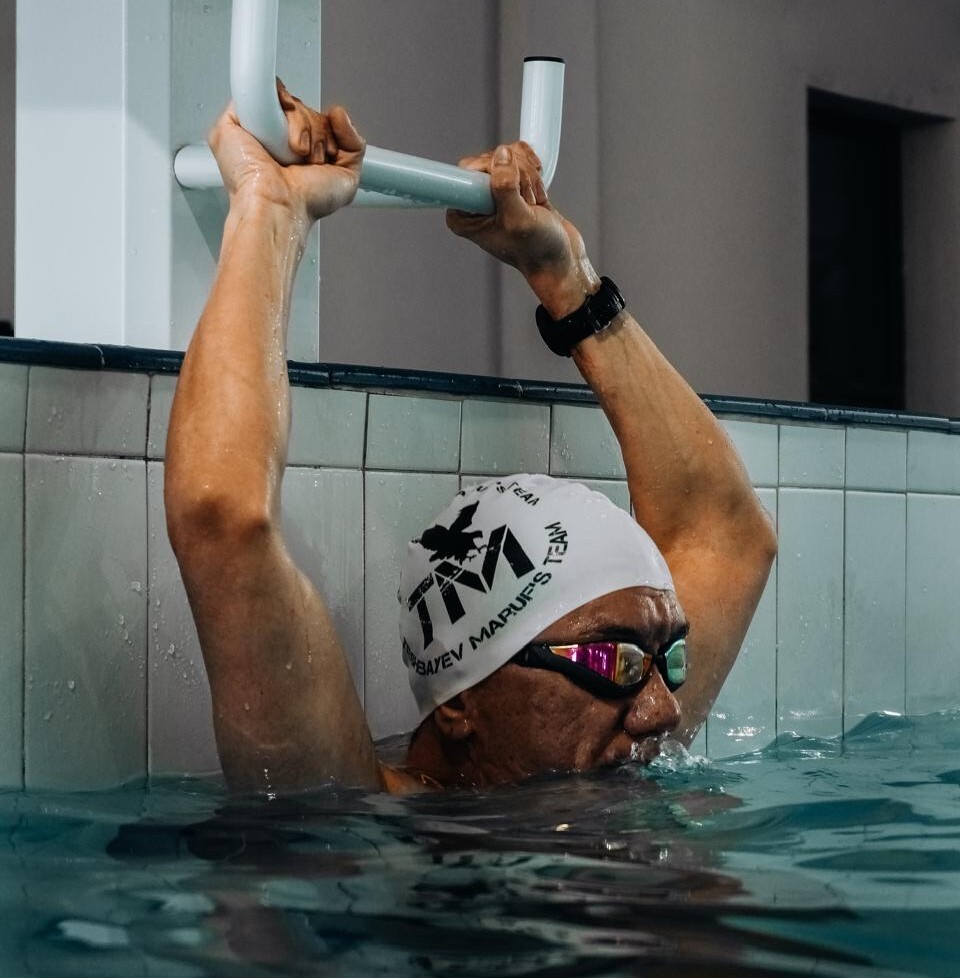
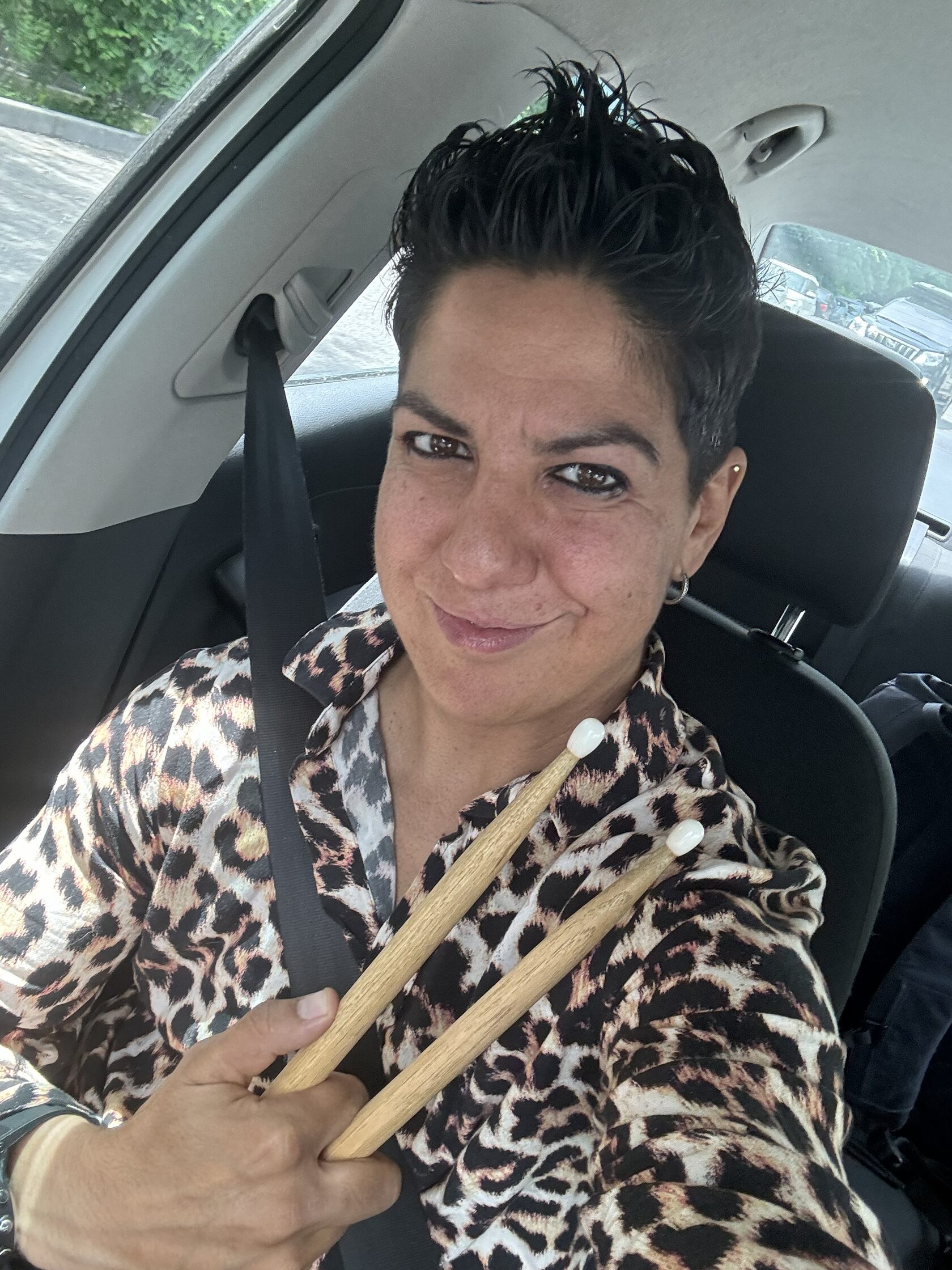
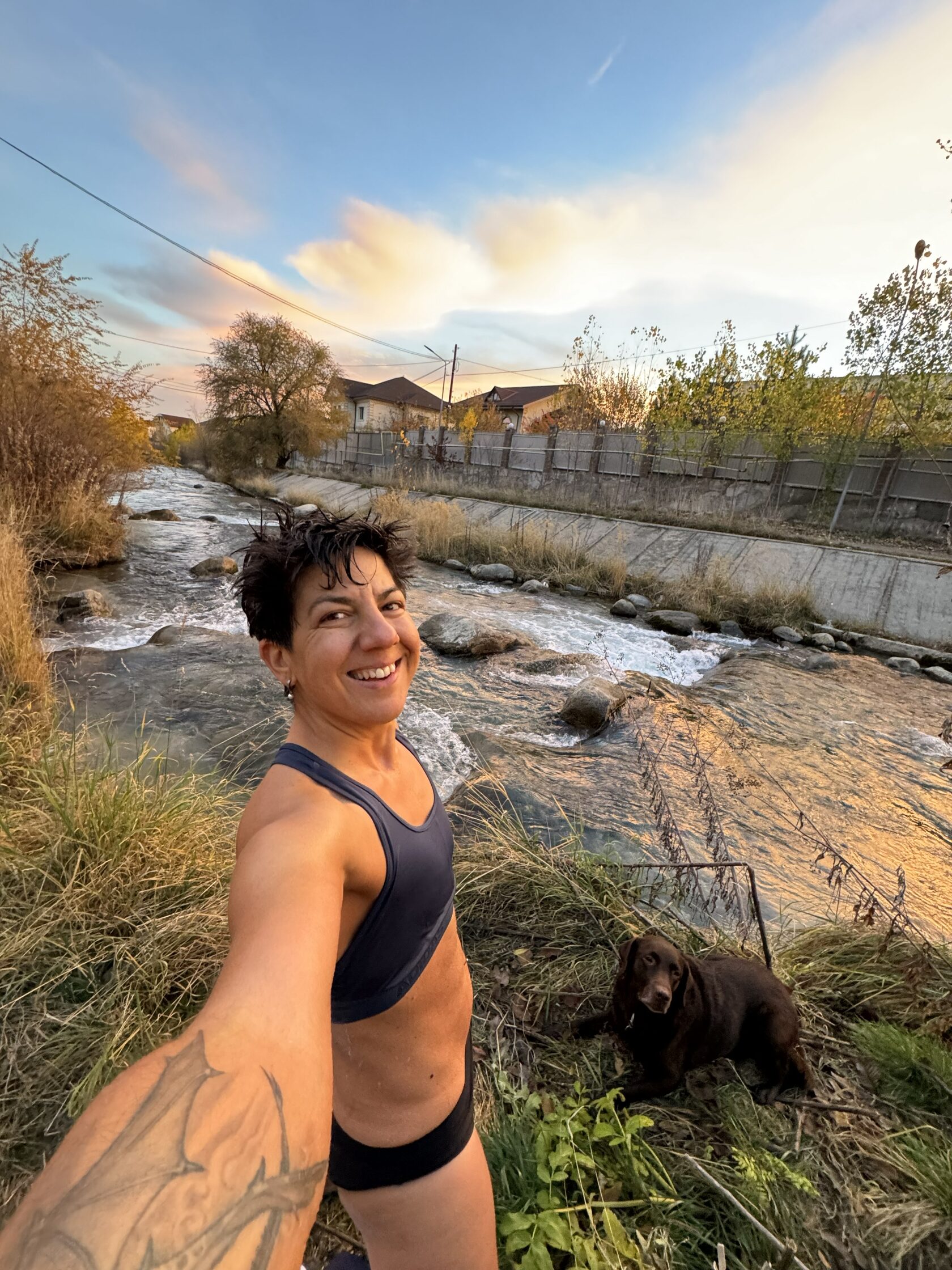
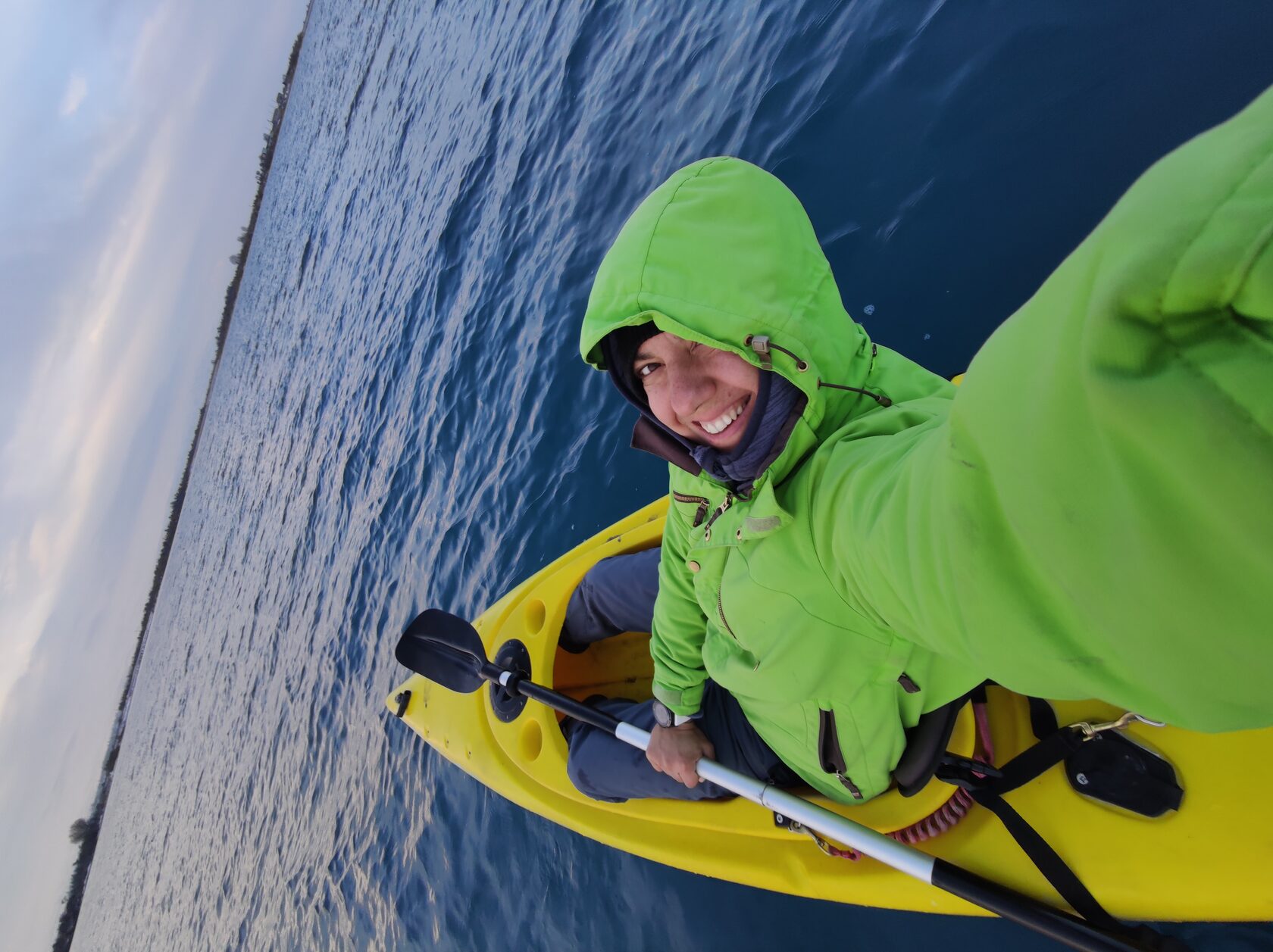
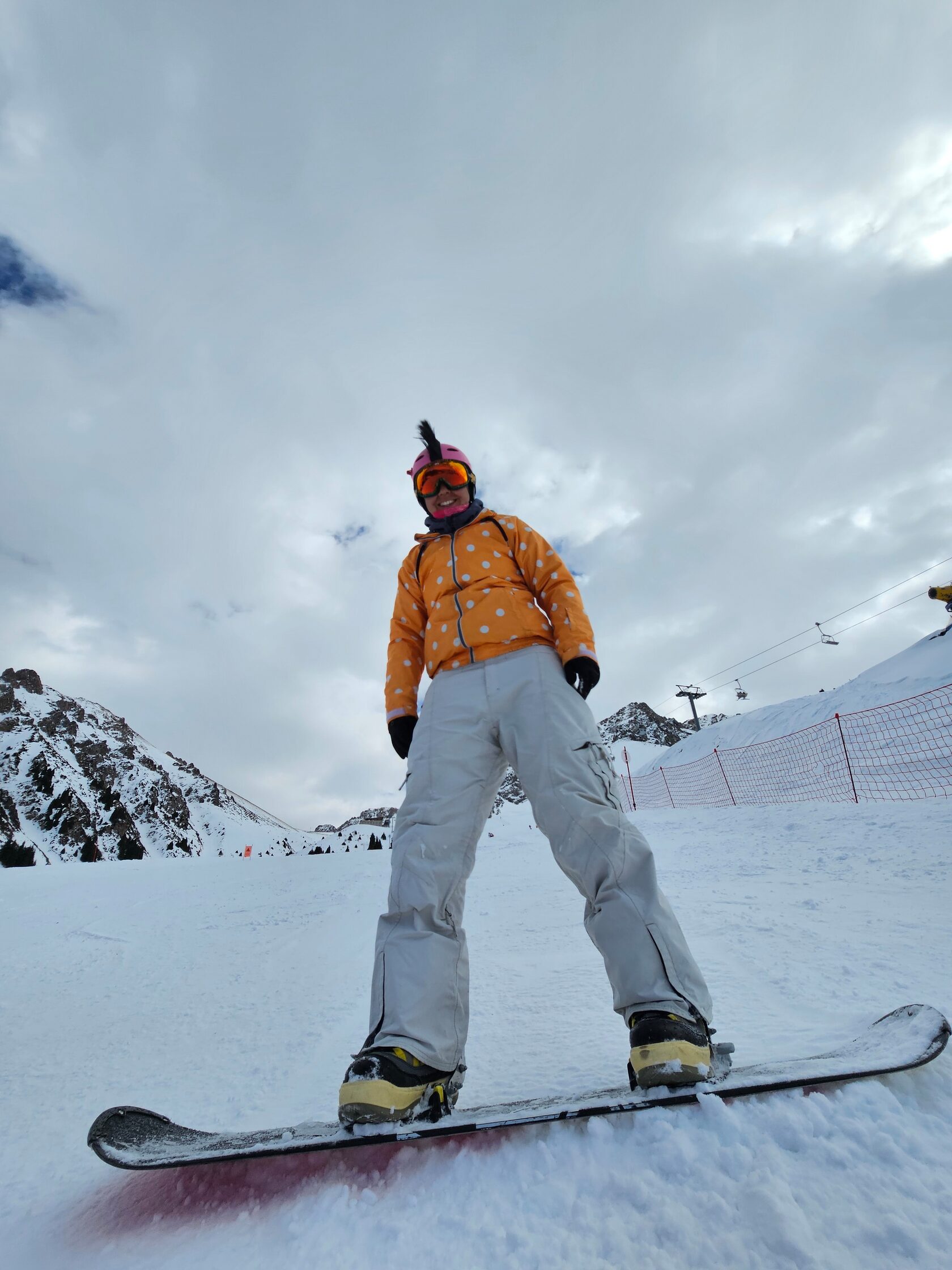
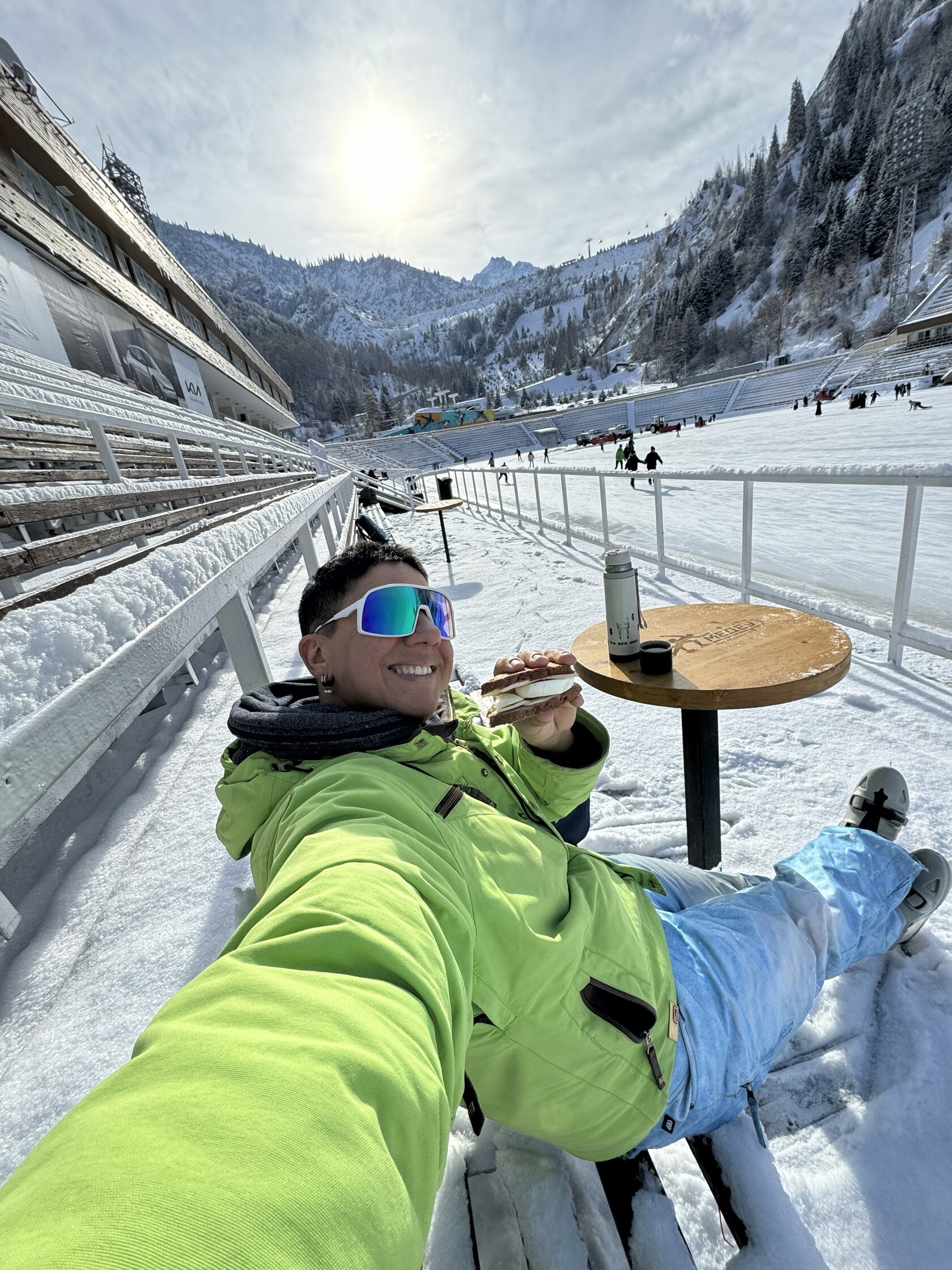
Evgenia Savoskina is 44. She lives in Almaty and works in IT. Her sporting biography includes water polo, gymnastics, triathlon, snowboarding, climbing, arm wrestling and plenty of other disciplines. She is a Candidate Master of Sport in water polo and has won amateur competitions and corporate sports games many times.
Today Evgenia runs a blog about cold exposure, a healthy lifestyle and her own experience. She loves board games, walks, her two dogs and, as she puts it herself, “any kind of action — anything that gets the blood pumping faster”.
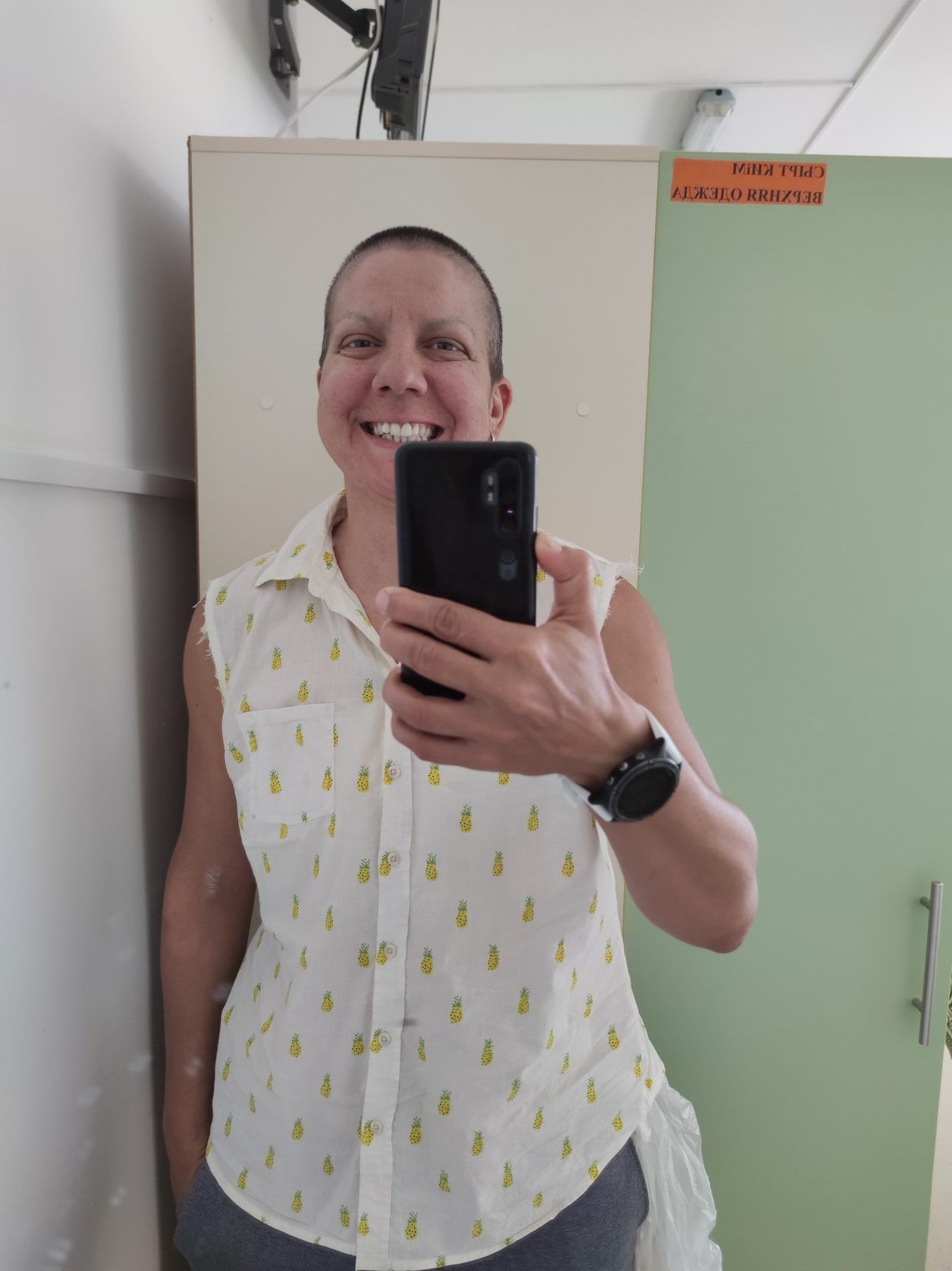
A few years ago she was diagnosed with breast cancer. Chemotherapy, severe side effects and a long recovery followed. During that time, Evgenia began to rethink her relationship with her body, with physical exertion and with the need to constantly prove that she was stronger than everyone else.
We talked about how sport helps — and hinders — you through hard times, why it is sometimes important to admit your own weakness, and how to find joy in movement without chasing results.
Sport as a way to win
01Zhenya, I remember you from our corporate sports games, where you won regularly — and in completely different disciplines. Where does such sporting versatility come from?
— Probably from my mum. She took me to everything that opened up: wushu, figure skating, swimming, all kinds of clubs. Even running, I think. I tried a huge number of things. And I think that’s when I picked up the feeling that I could do anything. That everything was open to me and I could do whatever I wanted.
I’ve always had a very strong competitive streak, a drive to beat everyone, to win. Later I struggled with that for a very long time, because I realised: that isn’t where happiness lies, actually.
02Which sports have you tried? And in which did you achieve the most serious results?
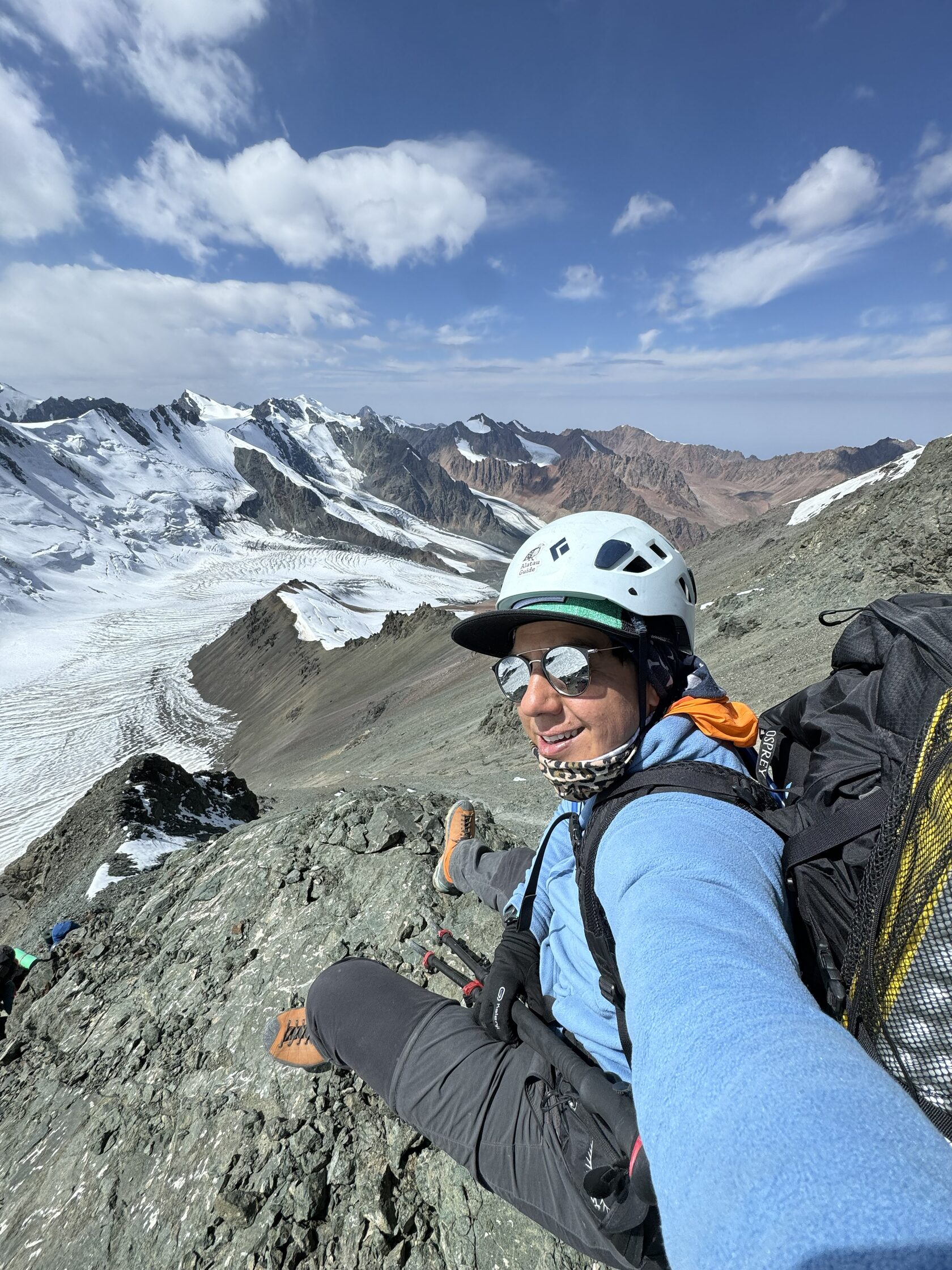
— Artistic gymnastics, wushu, swimming, water polo. Then triathlon, duathlon, arm wrestling, climbing, cycling, yoga. And of course snowboarding, skiing, skateboarding, rollerblading. In short, I’ve honestly tried just about everything!
As a child, as a teenager and as an adult, it really fired me up. The funny thing is that because I spread myself so thin, I don’t have any particularly serious achievements.
I’m a Candidate Master of Sport in water polo. I won local competitions and took part in the Open Cup, which had 12 stages with a new discipline every time: duathlon, triathlon, arm wrestling, snowboarding, jibbing, relays, running. I took second and third places, and sometimes dropped out because of injuries. Anyway, it was fun!
03You’ve always wanted to win. How has your attitude to competitions and results changed?
— My sporting past had a huge influence on me. And not just in sport, but in everyday life, in every area of my life really. I wanted to win, to be first, to be the best.
Now I understand that this isn’t the point at all. What matters is the journey, not the achievements.
I collected a huge number of medals. And through psychotherapy I realised that I was actually competing with my sister for my mum’s attention.
There were some very deep psychological issues there. I dealt with them. Now I don’t need to prove anything to anyone. These days I only compete with myself — to be at least a little better than I was yesterday.
Diagnosis and treatment
04In 2022 you found out you had breast cancer. How did it happen? Did you immediately realise how serious the diagnosis was?
— It all happened by chance. A lump was found, and I was strongly advised to get checked urgently. But I put it off for a long time. Then I went for an ultrasound. I was told I needed a biopsy because the growth looked suspicious. And again I decided to wait and see how it developed.
About three months later I went back. The doctor said: nothing has shrunk, nothing has gone away, so go and get a biopsy quickly. In the end I did. They found a malignant tumour — stage two carcinoma.
For a very long time I didn’t understand what it meant. That it was a serious illness that could end my life. I think the real realisation came for the first time when I was registered as a cancer patient and prescribed chemotherapy.
Before the first session I went to see the chemotherapist. He started talking about the possible consequences: that my hair would fall out, that I might put on weight, that I wouldn’t be able to do sport or live my usual life. That this wasn’t a cold or the flu that could be cured in a month or two. Treatment could go on for a very long time.
I remember walking out onto the street. It was December, it was snowing. And I was crying. I cried all the way home. Only then did it sink in what had happened to me.
05You’ve always been physically strong and resilient. How hard was the treatment?
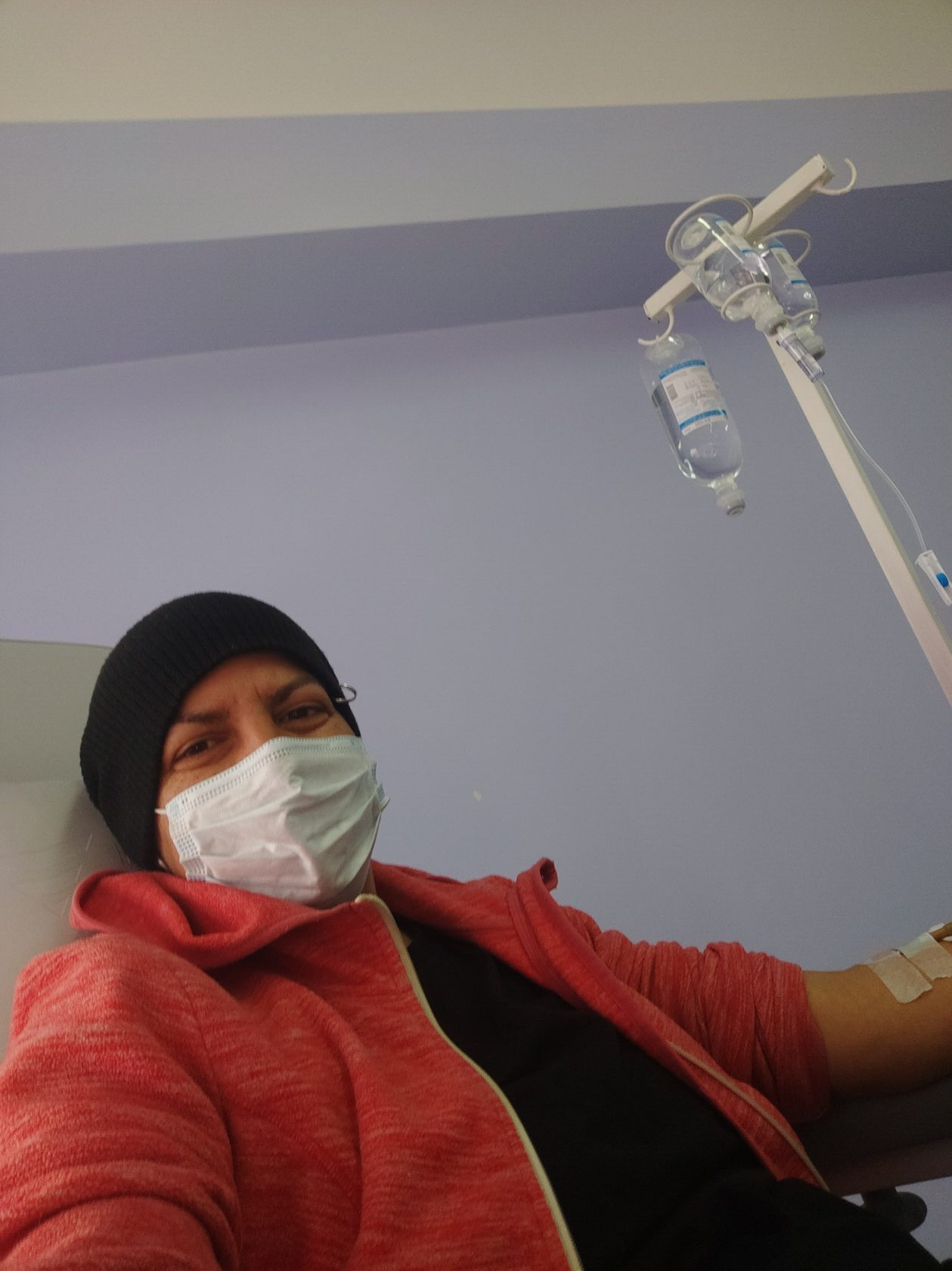
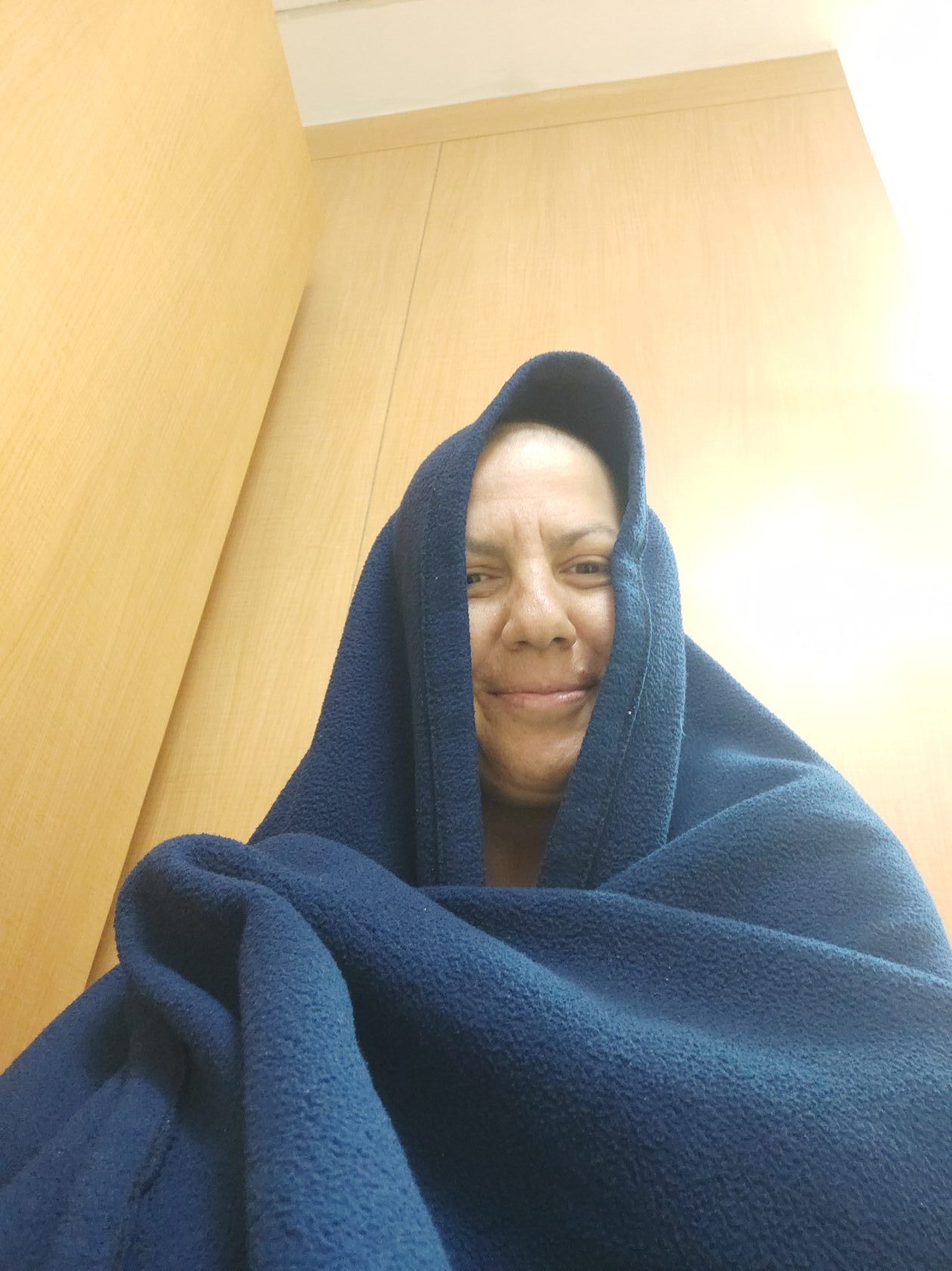
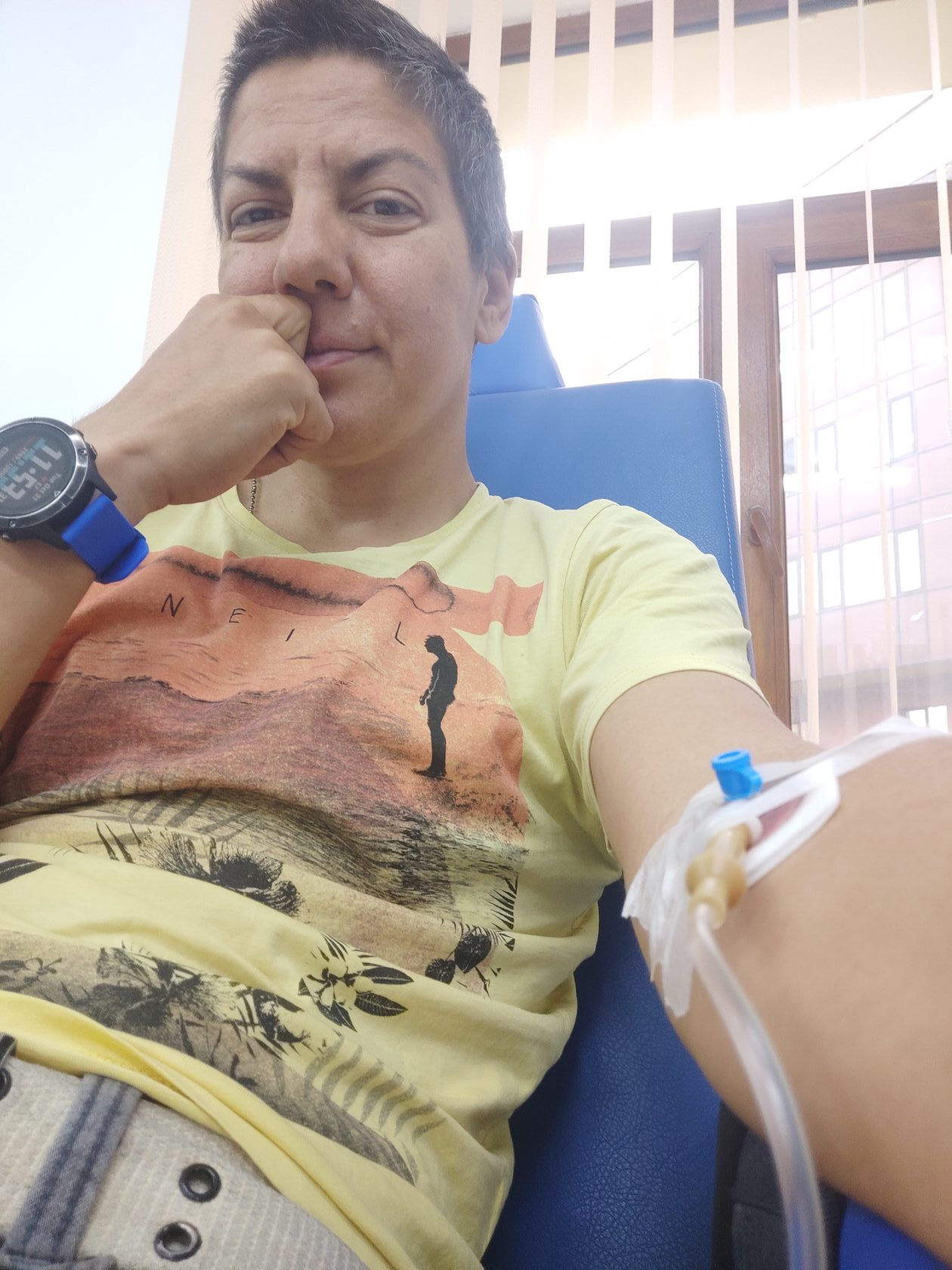
— Physically, it simply broke me. I compare chemotherapy to being hit by a nuclear bomb. It’s as if nothing in your body is functioning normally anymore. Everything that used to work stops working.
I started having heart problems. I put on a lot of weight. My skin was a nightmare, I had digestive problems and nosebleeds in the most unexpected situations. I understood that my body was simply worn out.
Even though I’m resilient, strong and powerful, chemotherapy almost broke me. It almost finished me off.
Even now, as I talk about it, I get goosebumps. My body remembers how hard it was. A terrible time.
06And what helped you cope psychologically? You said you worked on yourself a lot during that period.
— Psychologically it was easier for me because I was in therapy. A psychotherapist worked with me the whole time. We went through my states of mind, my feelings, questions of responsibility and my attitude to what was happening. So psychologically I was fairly stable.
Maybe I didn’t even fully understand that I could die. I somehow didn’t allow myself that thought, and my therapist kept bringing me back to the need to realise what was really going on.
And of course, my friends’ support helped a lot. At first, for a long time, I couldn’t bring myself to tell everyone I was ill. I didn’t want people to feel sorry for me. Then I realised: my strength lies in admitting weakness. I admitted that I was ill, that I was being treated and getting better, that I felt bad and needed help.
And absolutely everyone helped me. My mum, my sister, the person I love, my friends. And even complete strangers I met at the hospital or through Instagram. Once, a total stranger helped me travel to India to have my diagnosis checked. It was incredible support.
07You say you were looking for support within yourself. What did that mean for you?
— Actually, it wasn’t so much an inner struggle as a series of realisations. I was desperately looking for some kind of salvation inside myself. I wanted something to hold on to. It seemed terribly unfair that this had happened to me of all people.
After all, I had eaten well all my life, led a healthy lifestyle, didn’t smoke, didn’t drink and always did sport. It seemed like I was the last person who should have got ill like this. And suddenly it knocks me off my feet. Undeserved, hurtful.
I was looking for an answer not so much to the question “why?” as to the question “what can I do about it?”
It was important for me to feel that I still had some room for action, that I could influence my own life and my condition. When I realised that, I was overjoyed. It was as if I’d seen the light at the end of the tunnel. And of course, I ran straight towards it.
08What role did your sporting background play during that period? Did you keep training?
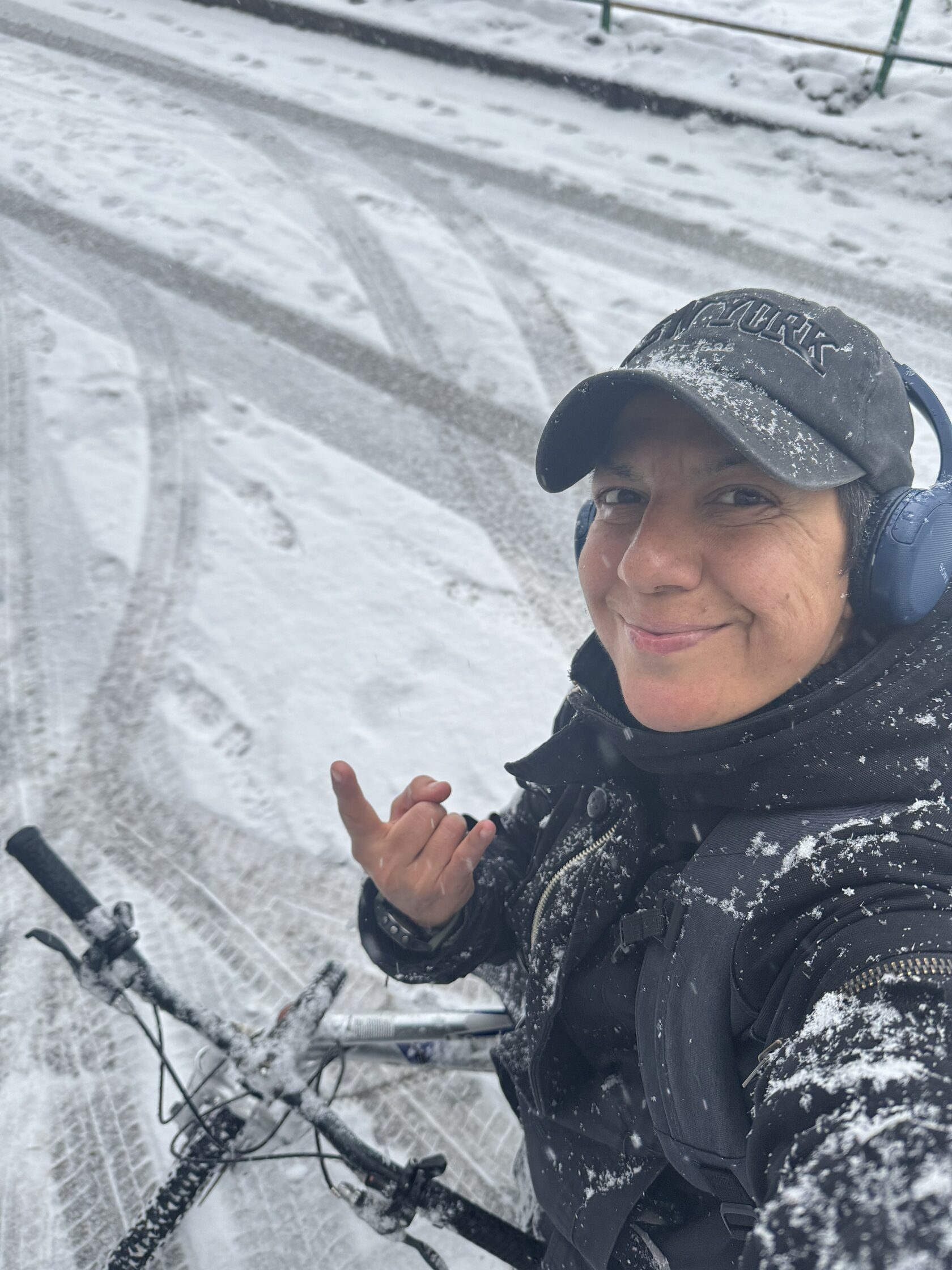
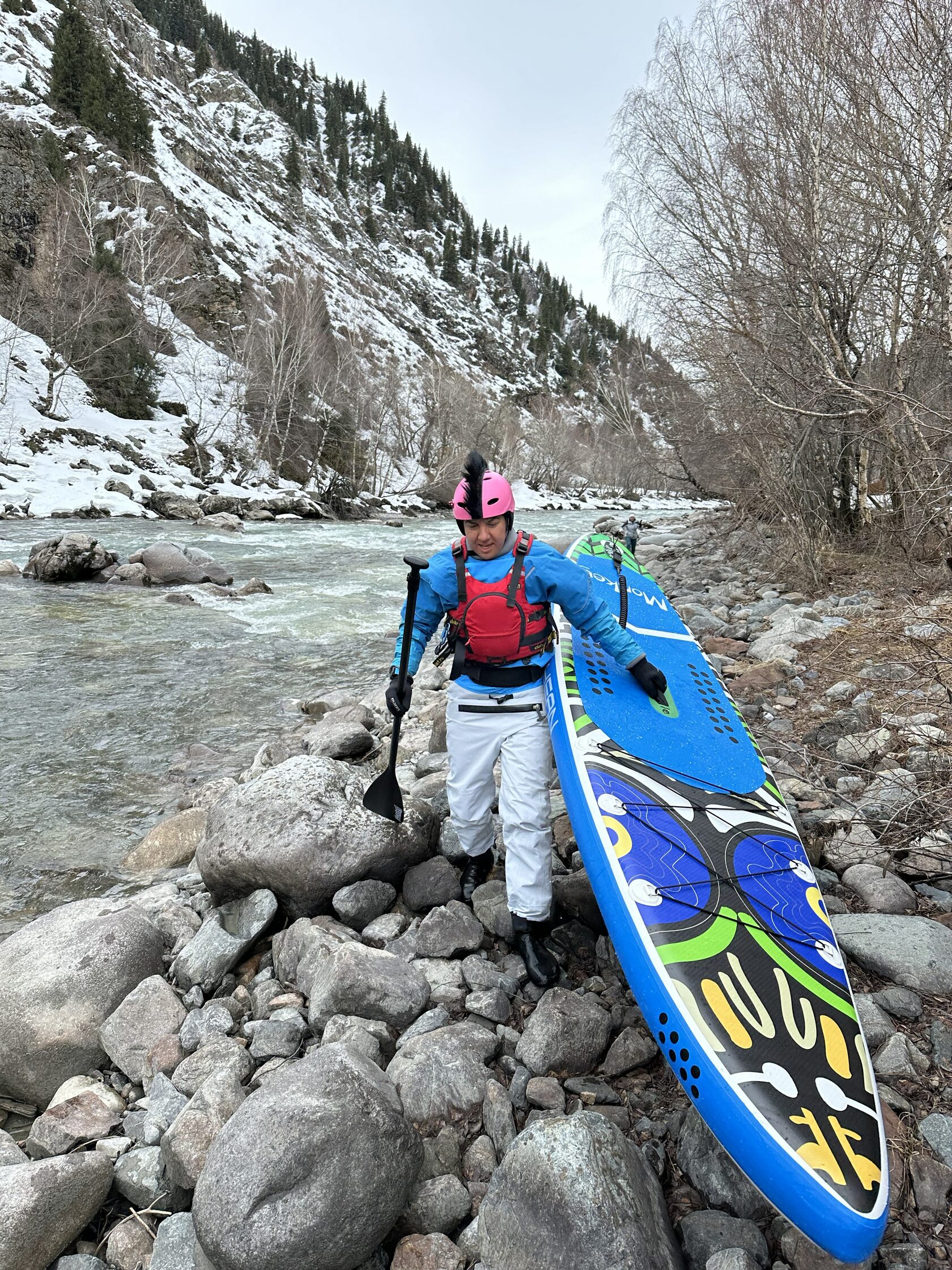
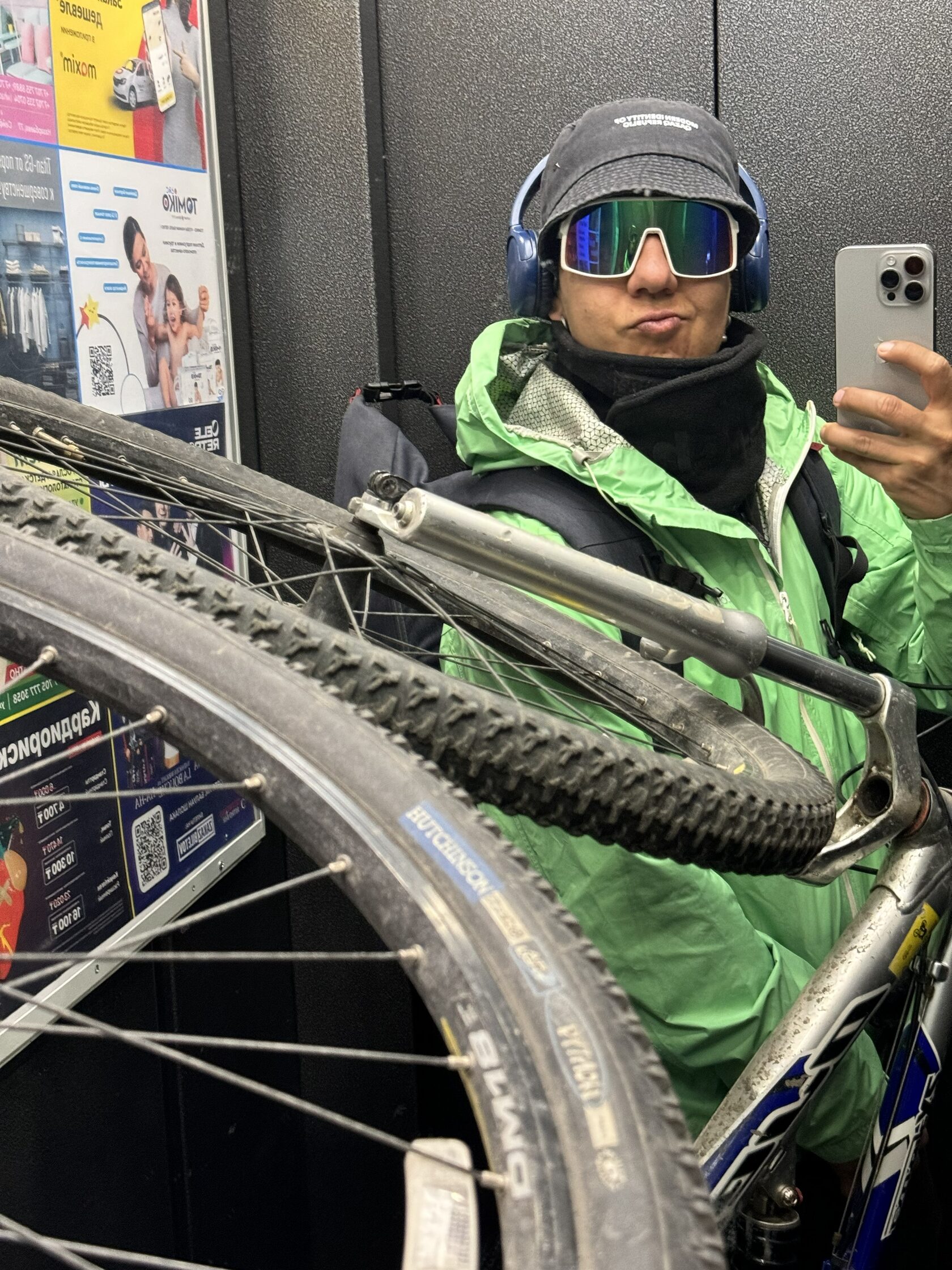
— I even rode my bike to chemotherapy! To the clinic on Papanin Street. Ten kilometres there and ten back — and the way back was uphill. I tested my limits in every way I could. I walked a lot. I couldn’t run — my heart rate would shoot up straight away.
My memory got a lot worse. I don’t know whether it was the chemotherapy or the anaesthesia, but the problems remain. And still I kept trying to prove something to myself.
Of course, the side effects of chemotherapy don’t appear right after the drugs are given. Sometimes it takes a few days. And I made the most of the moments when I felt better.
I liked to show off like that: despite all your stupid chemotherapy, despite all the nuclear bombs you drop on me, I’m still more alive than anyone! No way in hell you’re going to kill me! That was the bravado.
Cold water
09How did your recovery go? When did you realise that you now had to treat your body differently?
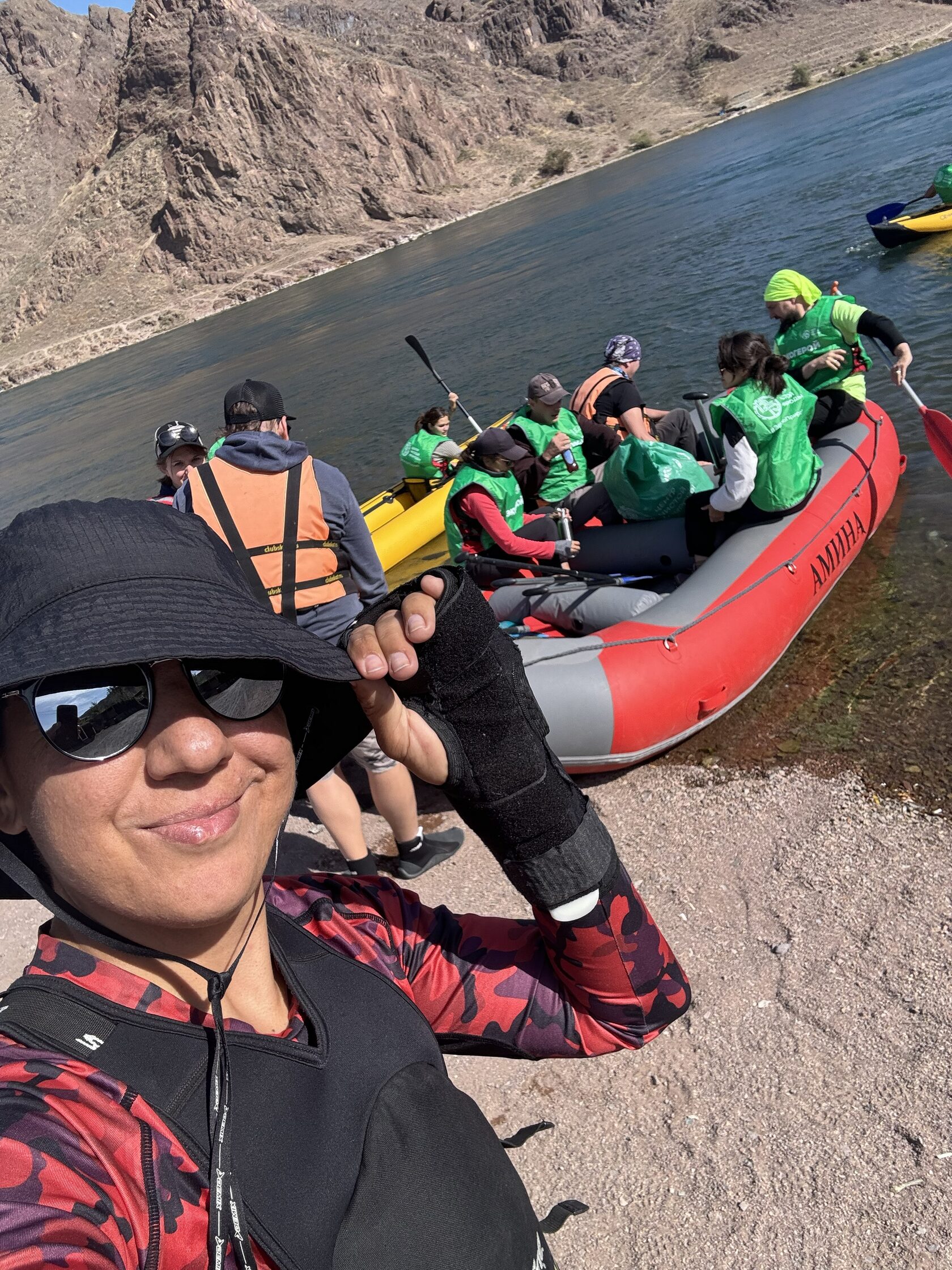
— My recovery was very long and hard. I remember my bones became brittle. I broke my arm literally out of nowhere. I also broke a finger — although that one was my own fault: I was sliding down a banister and hit it.
I realised that I now had to be very gentle with my body. And I did go easy on it — to some extent, I suppose. Maybe someone looking from the outside would say: she’s just crazy, why did she even do all that? But for me, these were gentle workouts. I gradually increased the load and constantly monitored how my body felt.
I learned that in yoga — to feel your body, listen to it and not force it. To do everything for pleasure, because you enjoy it. Because otherwise, what’s the point if we don’t enjoy it?
10How did winter swimming come into your life? Why did you decide to try cold water?
— Since childhood, my idol was Porfiry Ivanov. I remember my mum and I walking in the park in winter. A group of old men and women ran past us — all barefoot! I was shocked. How do they do it? Of course, I immediately took off my shoes and tried to walk a couple of metres. My feet nearly fell off! I quickly put my shoes back on, and my feet burned for a long time afterwards.
I remembered those sensations very well. But I didn’t repeat such experiments until I was recovering from chemotherapy. That’s when I started studying cold exposure practices and became interested in Porfiry Ivanov, Wim Hof and other people who practise cold exposure.
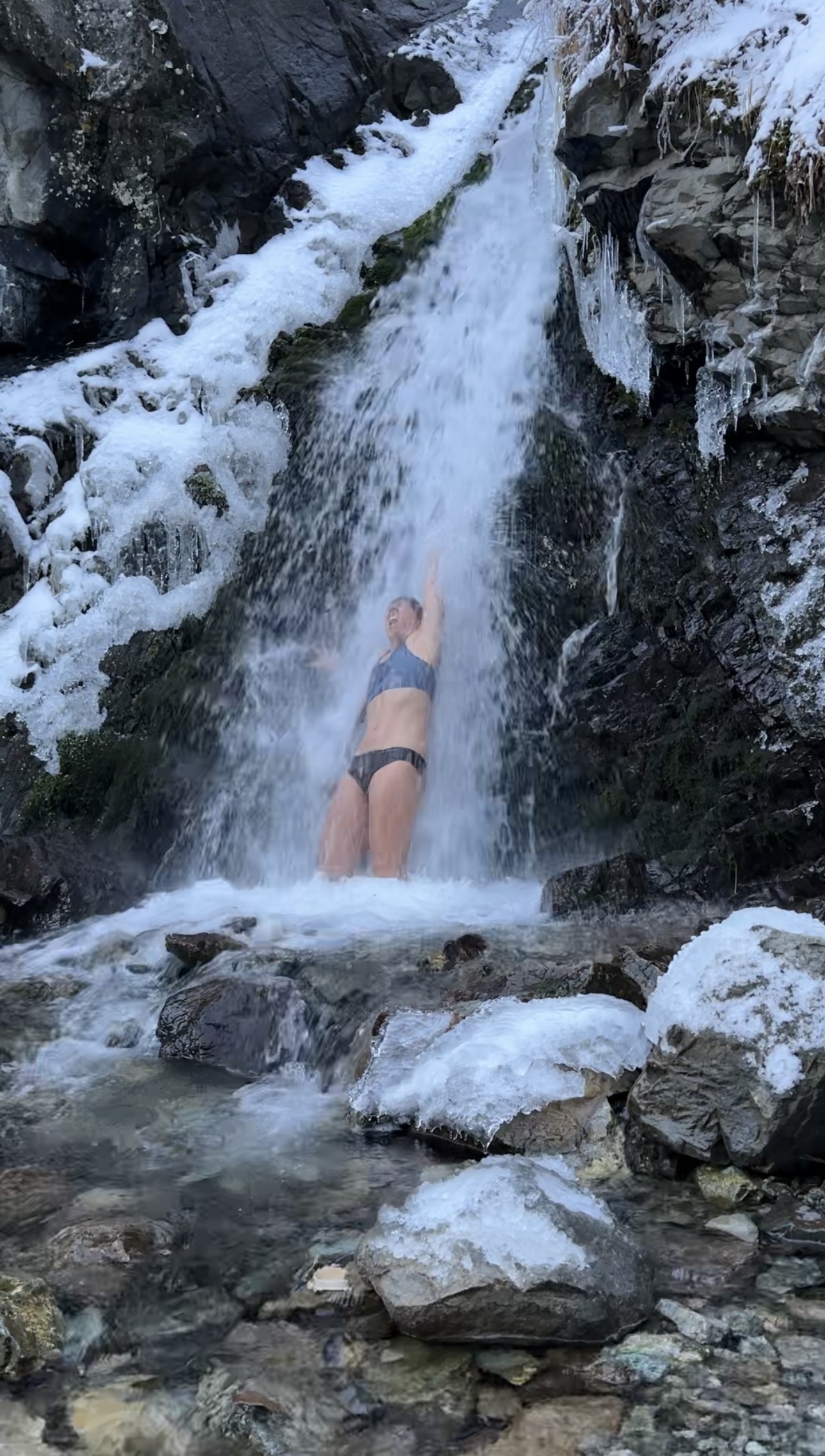
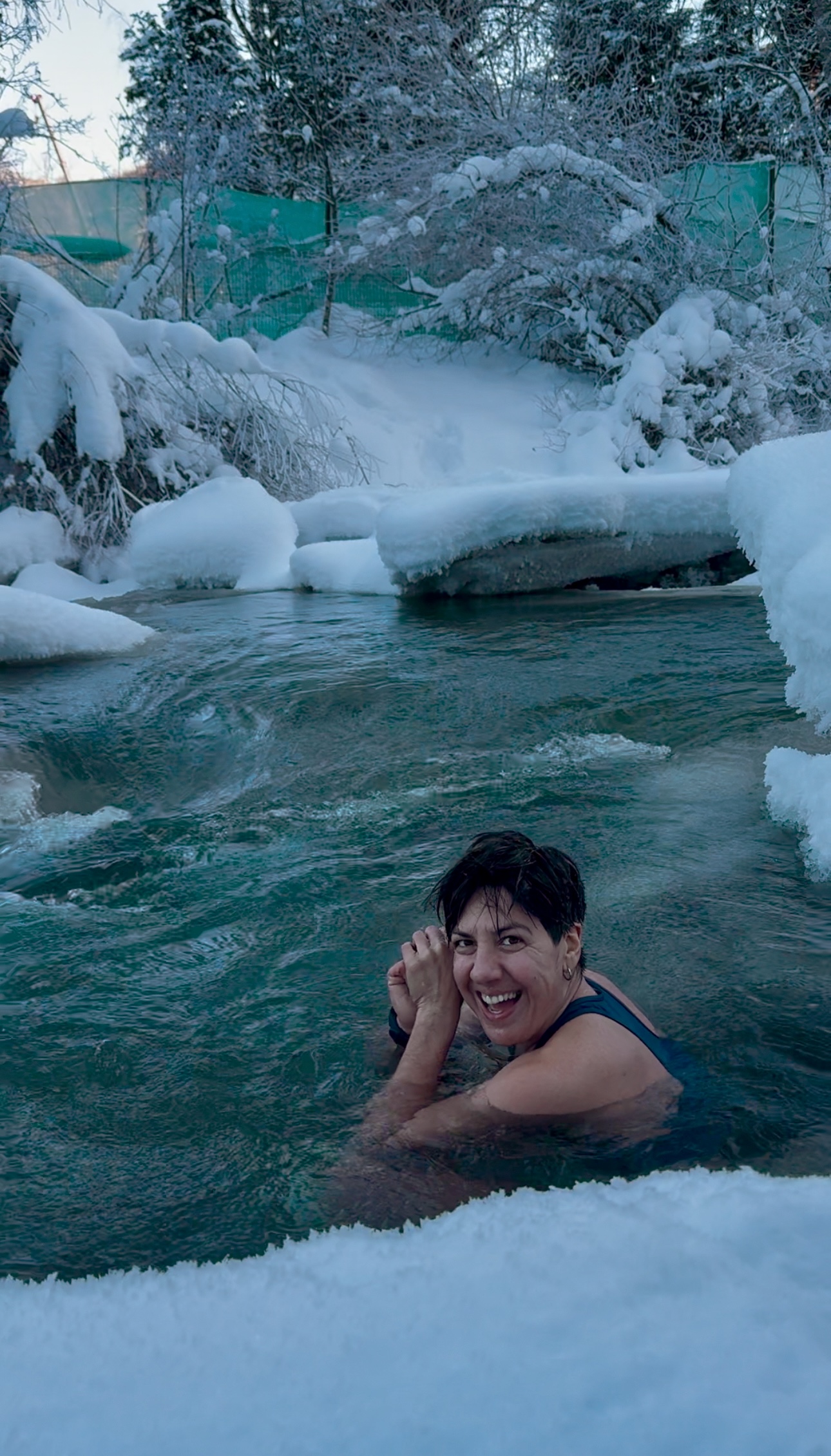
I was attracted by the very idea of how cold affects the body. At first I just took a dip under the Health Pipe. I really liked the effect, especially what I call the aftertaste. And then my sporting stubbornness kicked in: I decided to set myself a challenge and not miss a single day. So I started swimming every day. And then I came up with the idea of filming a blog about it.
11What does cold water give you? How do you feel after a dip?
— Oh, that’s my favourite question! Because both physically and emotionally, cold exposure gives me a sh… (whole lot) of things. You could write a book! First of all, the aftertaste. I call it causeless joy.
Happiness just washes over you. I don’t know much about hormonal mechanisms, endorphins and dopamine, but I know that feeling very well. When you’re simply glad to be alive.
That you’ve been through it and now it feels so great to be standing on the bank rather than in the cold water. It’s a really amazing aftertaste.
And psychologically — it’s when you go through something that seems impossible. Winter. An icy river. Your body’s panic at the level of survival instincts. And you go in anyway. You go through it, come out and feel like a winner. You realise you really can do anything.
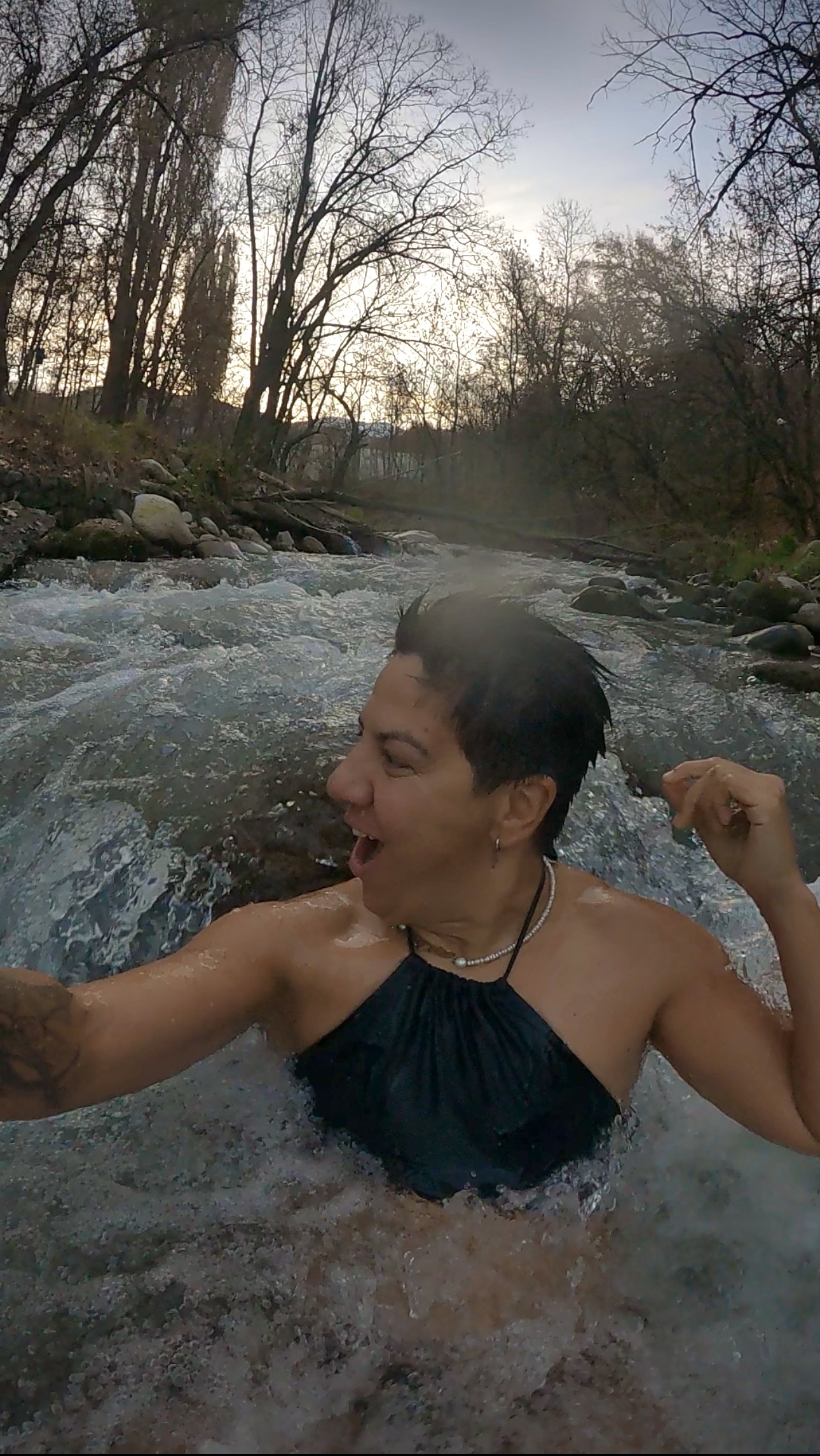
And that feeling then spreads to other areas of life. If I can swim in an icy river in winter, then I can cope with other difficulties too. I feel as if the river feeds me with its untamed energy and strength.
12How do doctors feel about your passion for cold water after your illness?
— I’ve told doctors many times that I practise winter swimming, bathe in icy water and do cold exposure. I’ve never once been met with disapproval. They warned me: pay attention to how your body feels, don’t get hypothermic.
There are even two doctors who follow my blog. When I come to see them, they ask: “How’s your health? Have you been for a swim yet today?” Of course, it’s nice and surprising to be recognised like that.
At the same time, I understand perfectly well that my experience isn’t universal. What works for me won’t necessarily work for someone else.
13Why did you decide to talk publicly about your illness, your treatment and cold exposure?
— I always really wanted to be a blogger, but I didn’t know what to talk about. And when the topic of cold exposure came along, I grabbed hold of it. In fact, I started the blog specifically about cold water. And only later did I gradually start admitting that I was being treated for cancer. It was a kind of coming out. People were incredibly supportive.
I want people not to give up. To see that a happy ending is possible. But I understand perfectly well that my methods don’t suit everyone. It’s not a panacea or a magic pill. Every person has their own path, their own particular circumstances, their own treatment. Even for people with the same diagnosis, things can go completely differently.
I got to know some women during chemotherapy. Sometimes the sessions lasted a very long time — once I sat through six hours of chemo. Of course, during that time you start talking to the people next to you. I had two friends with the same diagnoses as mine. And yet we had completely different treatment regimens and approaches.
That’s why I never say: “I know how to cure cancer. Do what I do, get into the river and you’ll recover.” Of course not. I started cold exposure to cope with the after-effects of chemotherapy, not to treat cancer with cold water. And I can’t claim that I’m completely cured. No one knows whether the illness will come back. So I don’t want to give any guarantees or promises.
I simply want my story to inspire someone, to make them reconsider something, to think about something. To be a torch for someone at the end of the tunnel. To show that even when everything is very bad, there may be something good ahead. And also to show that it didn’t break me.
Nothing to prove
14After everything you’ve been through, how has your relationship with sport and your own body changed? Do you still want to test your limits?
— I’m a big fan of yoga. I really like its principles — in particular ahimsa, non-violence. So I try to do everything only for pleasure. If I like it, I do it. If I don’t, goodbye!
For example, I don’t like running. So I don’t run, because I don’t enjoy it. But I can grind my way uphill on a bike. Although, to be honest, I prefer riding downhill. But what can you do — to go down, you first have to go up. Everything has its price!
In short, everything should be enjoyable. No forcing, no records, no proving anything to anyone. Just listening to yourself. You are your own authority, your own rival and your own referee.
15You have a wealth of sporting and life experience behind you. What do you find most interesting to discover about yourself today? How has your attitude to new challenges changed?
— I try something new constantly, every day. But that doesn’t mean you have to go skydiving for the first time. The coolest journey is the journey inwards. Getting to know yourself and your own capabilities. It may sound a bit cult-like, but I’ve realised that I create my own reality. And it’s that journey deep into myself that interests me most right now.
I keep walking towards my fears. For me, fear is a sign that there’s growth on the other side. If something scares me, I go for it. Even when you suggested this interview, my first thought was to say no. Oh my God, no! What interview? But I’ve learned to recognise that. If I’m scared and don’t want to do something, maybe that’s exactly where I need to go.
Although, of course, balance is important. You need to listen to yourself. If you don’t feel like jumping off a roof, don’t jump off it! You have to find the happy medium in everything.
16What would you say to someone who is going through a hard time and doesn’t know where to start making changes?
— I would suggest they think about what they get out of their current situation and what price they pay for it. Try to understand what is keeping them in that situation, what they are losing, and whether they could get what they need in another way.
If a person realises that the price is too high, that it isn’t worth the benefits they get, then they can start working on it. But it has to be their own choice. No one can walk that path for someone else.