“Sport should restore your reserves, not drain what’s left of them”
What does an athletic body look like from the inside? A surgeon explains what training really changes — and where its benefits end.
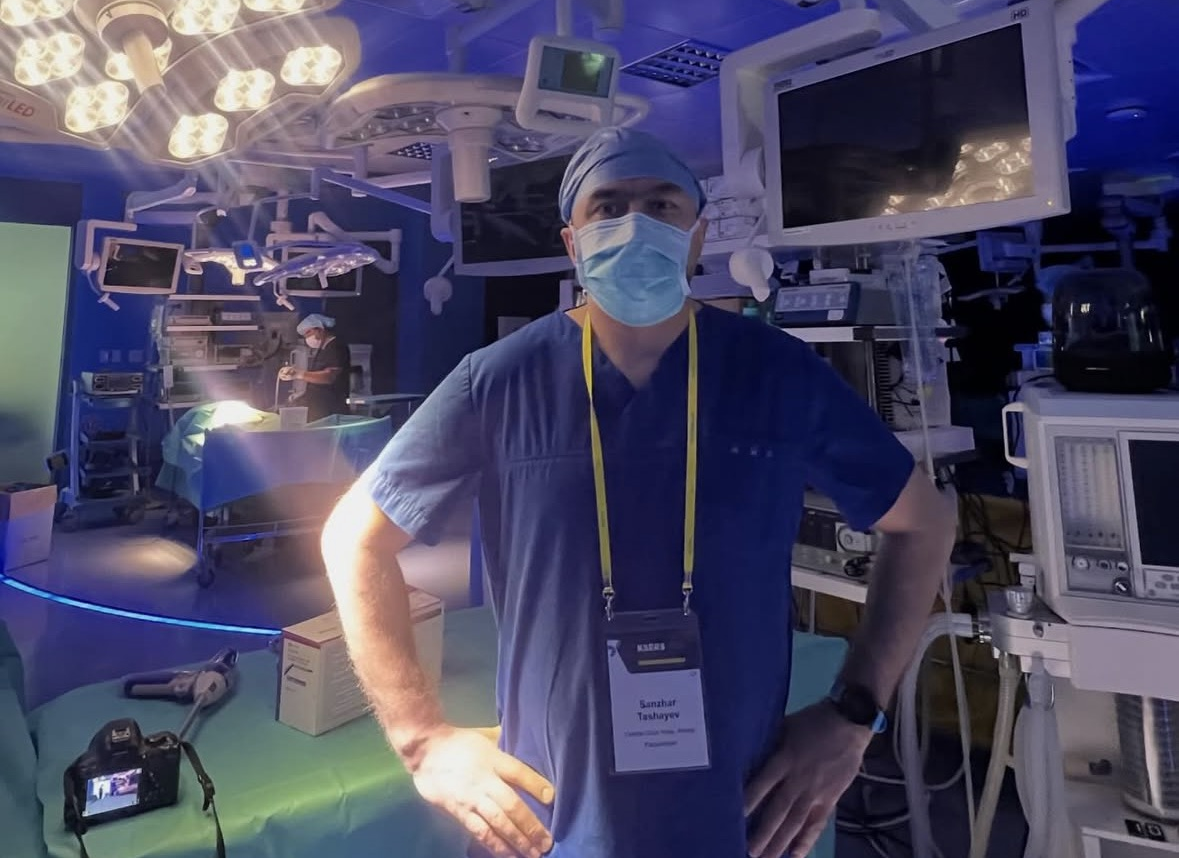
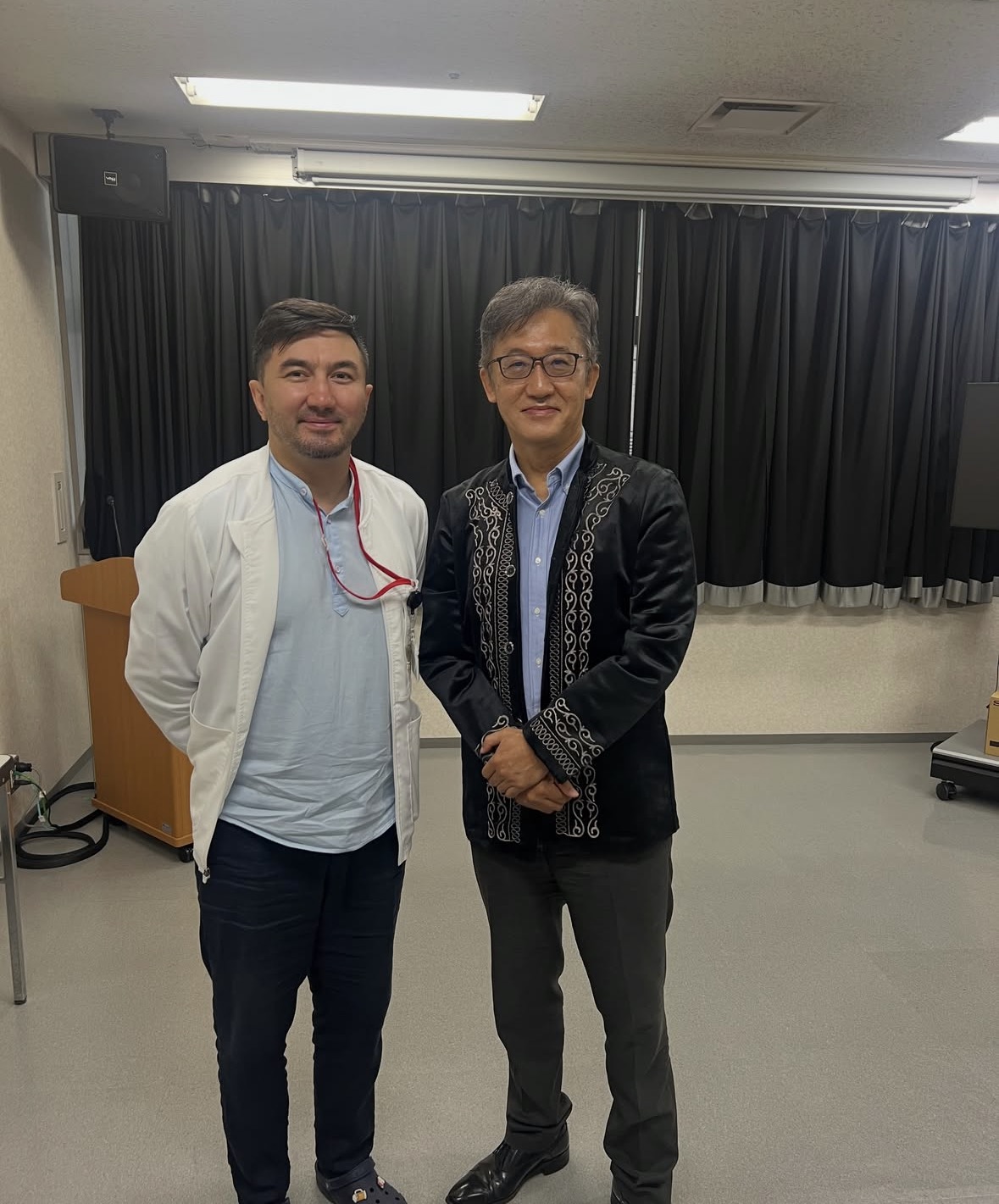
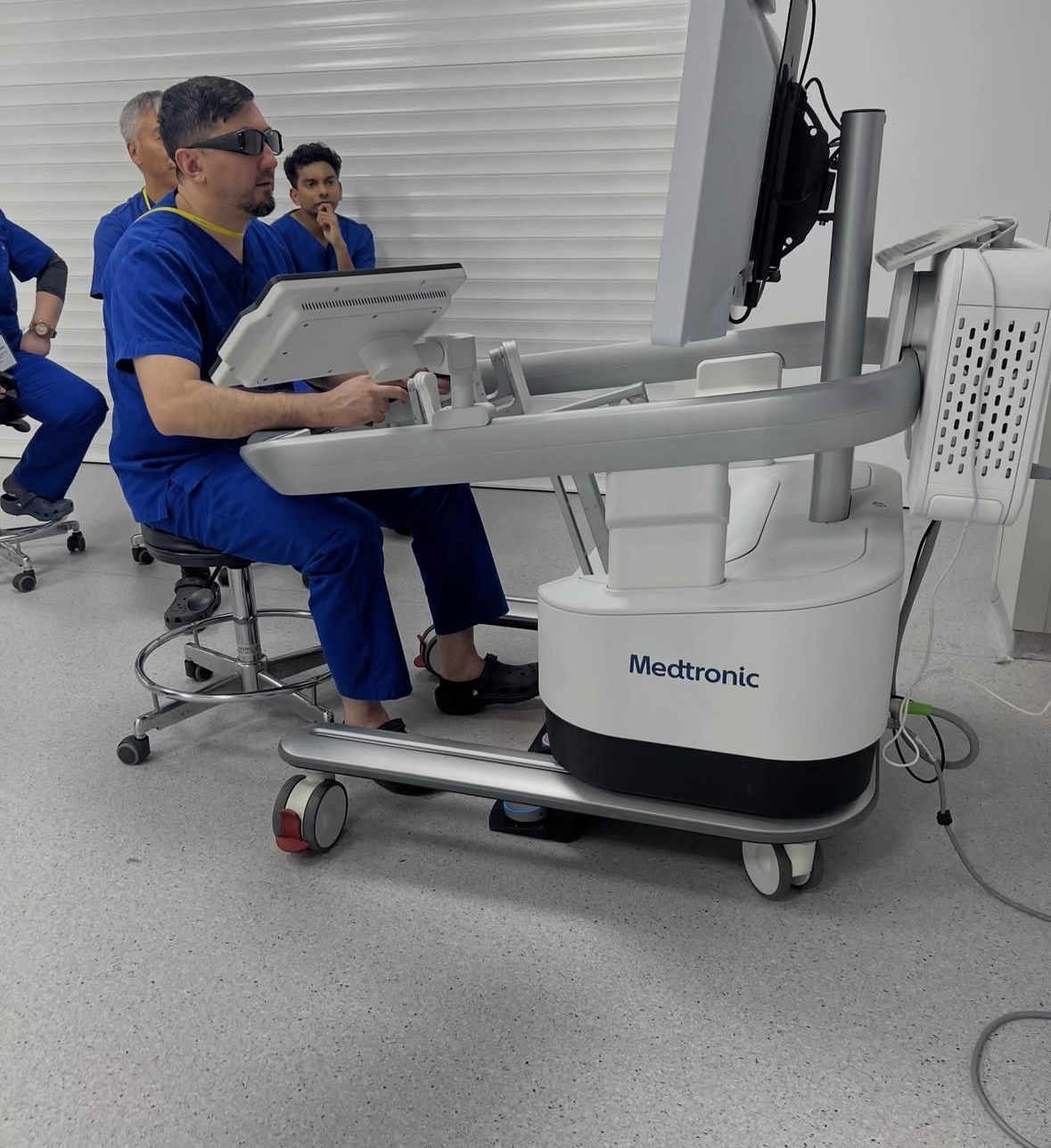
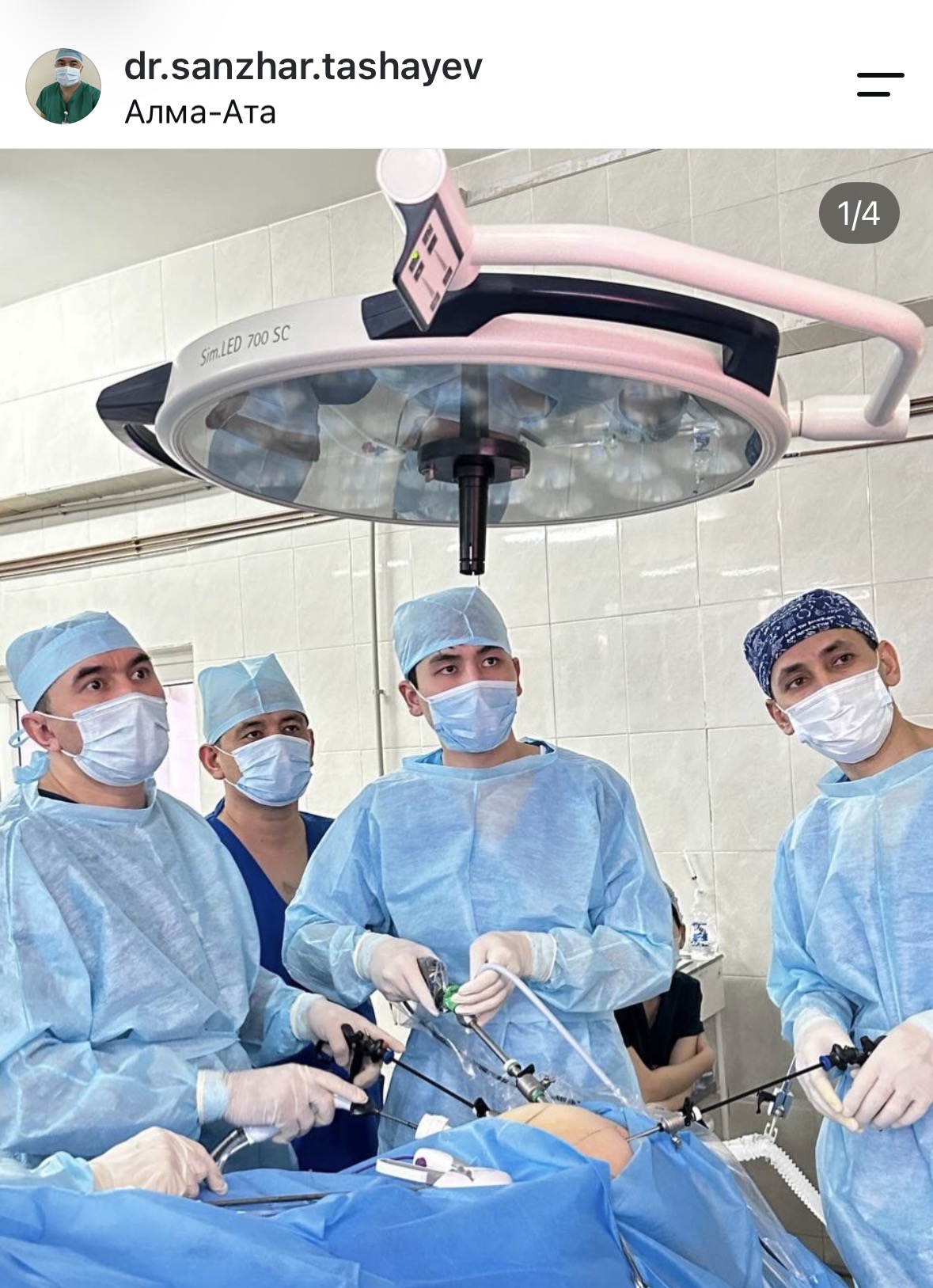
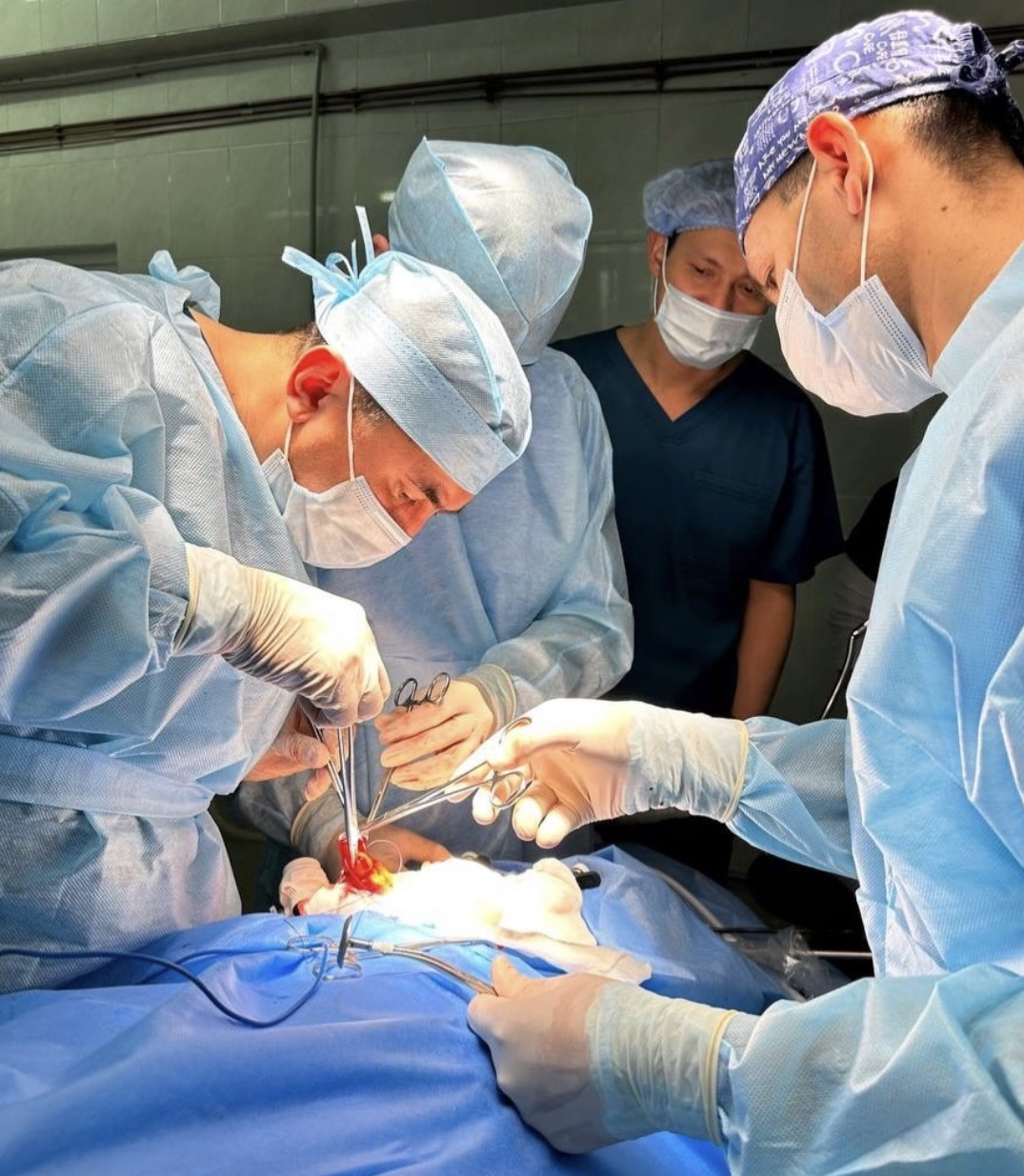
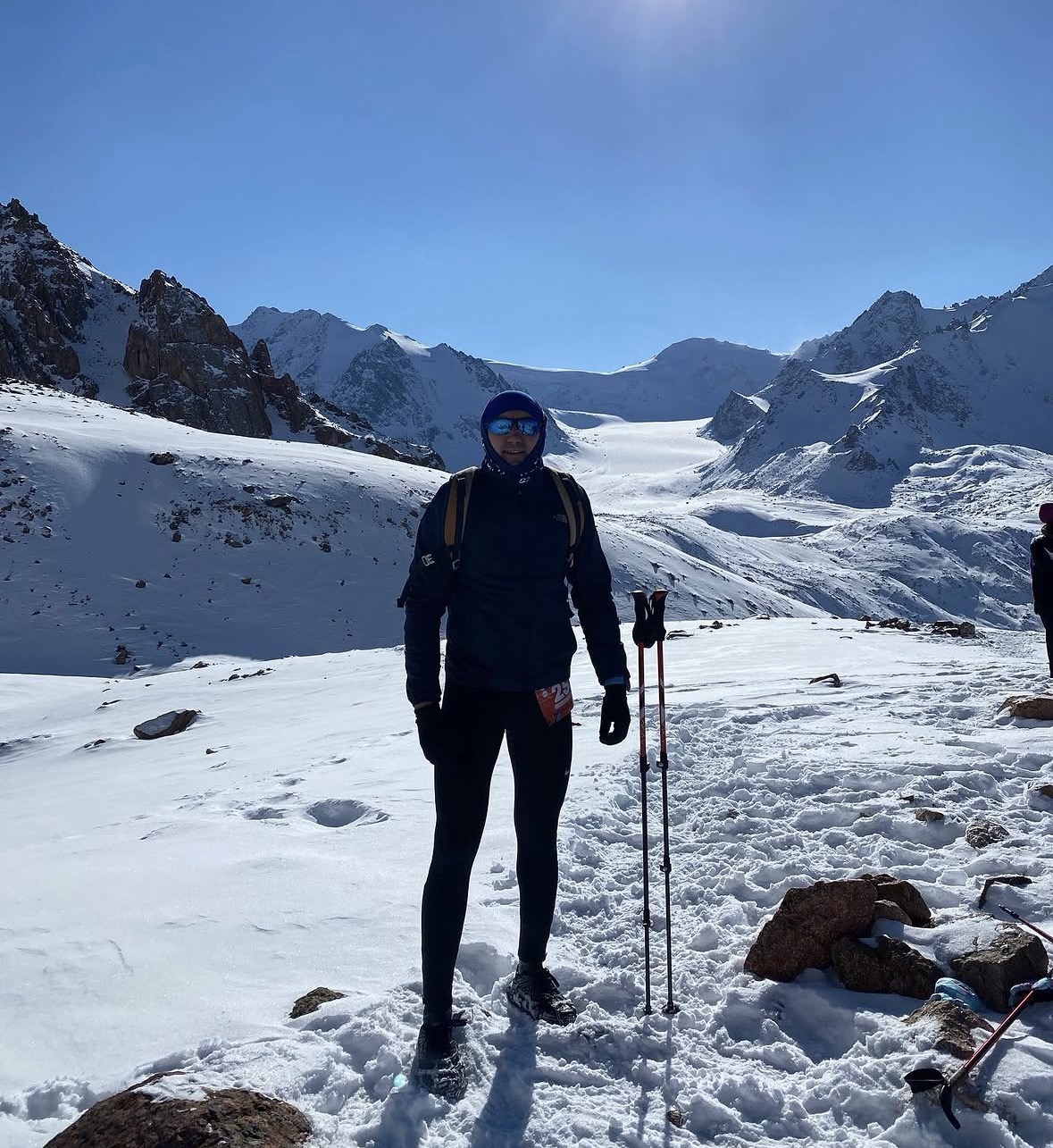
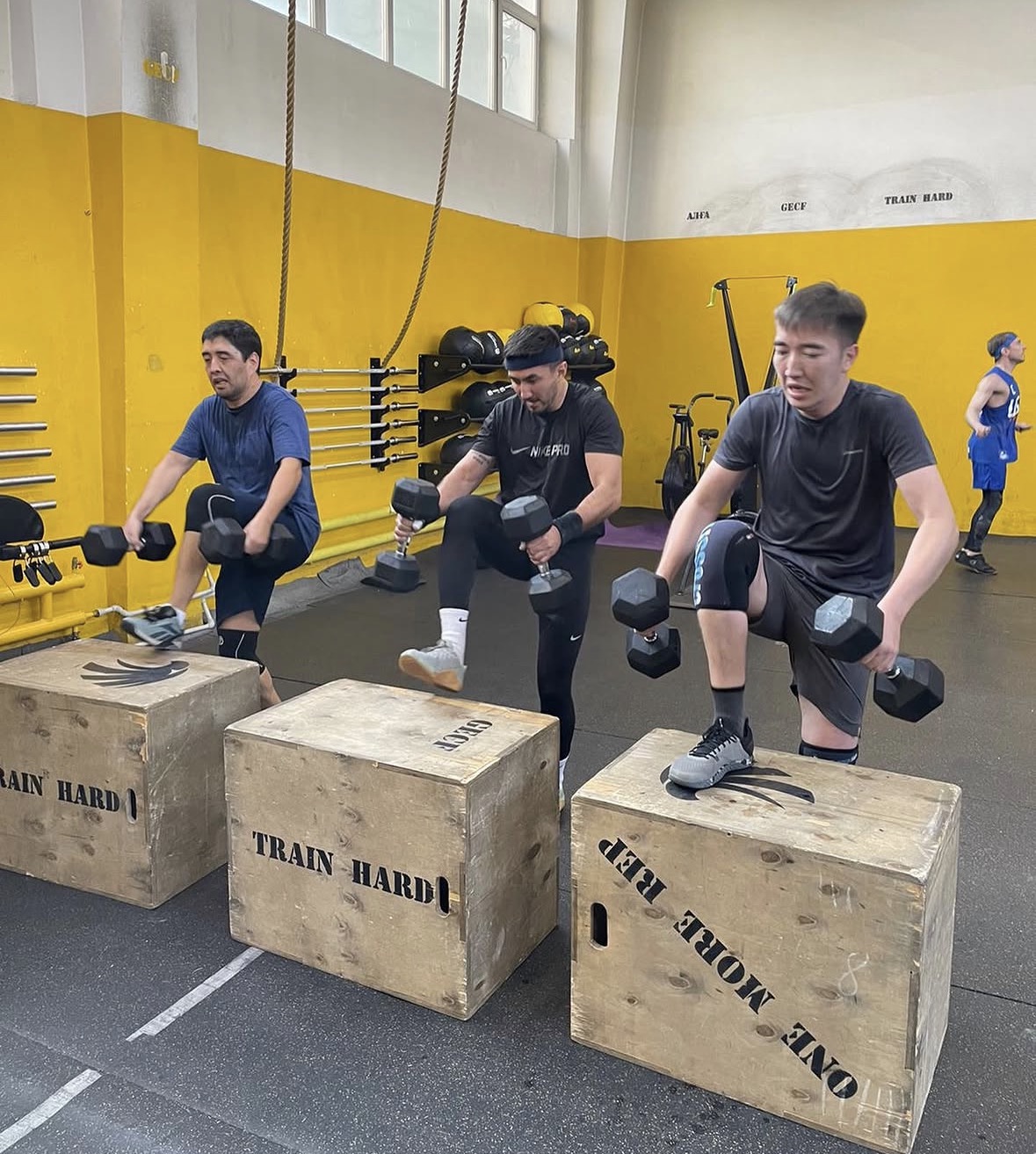
Sanzhar Tashayev is a surgeon at the Central City Clinical Hospital in Almaty. His main fields are surgical oncology and complex colorectal surgery. Sanzhar recently completed a fellowship at the National Cancer Center Japan in Tokyo, in the colorectal surgery department under Dr Yukihide Kanemitsu. He does CrossFit and runs regularly.
Second Breath talked to Sanzhar about whether an athlete’s body really looks different to a surgeon, whether physical fitness helps you recover after surgery, where the line lies between training load and overload, and why age is far from the main criterion for doing sport.
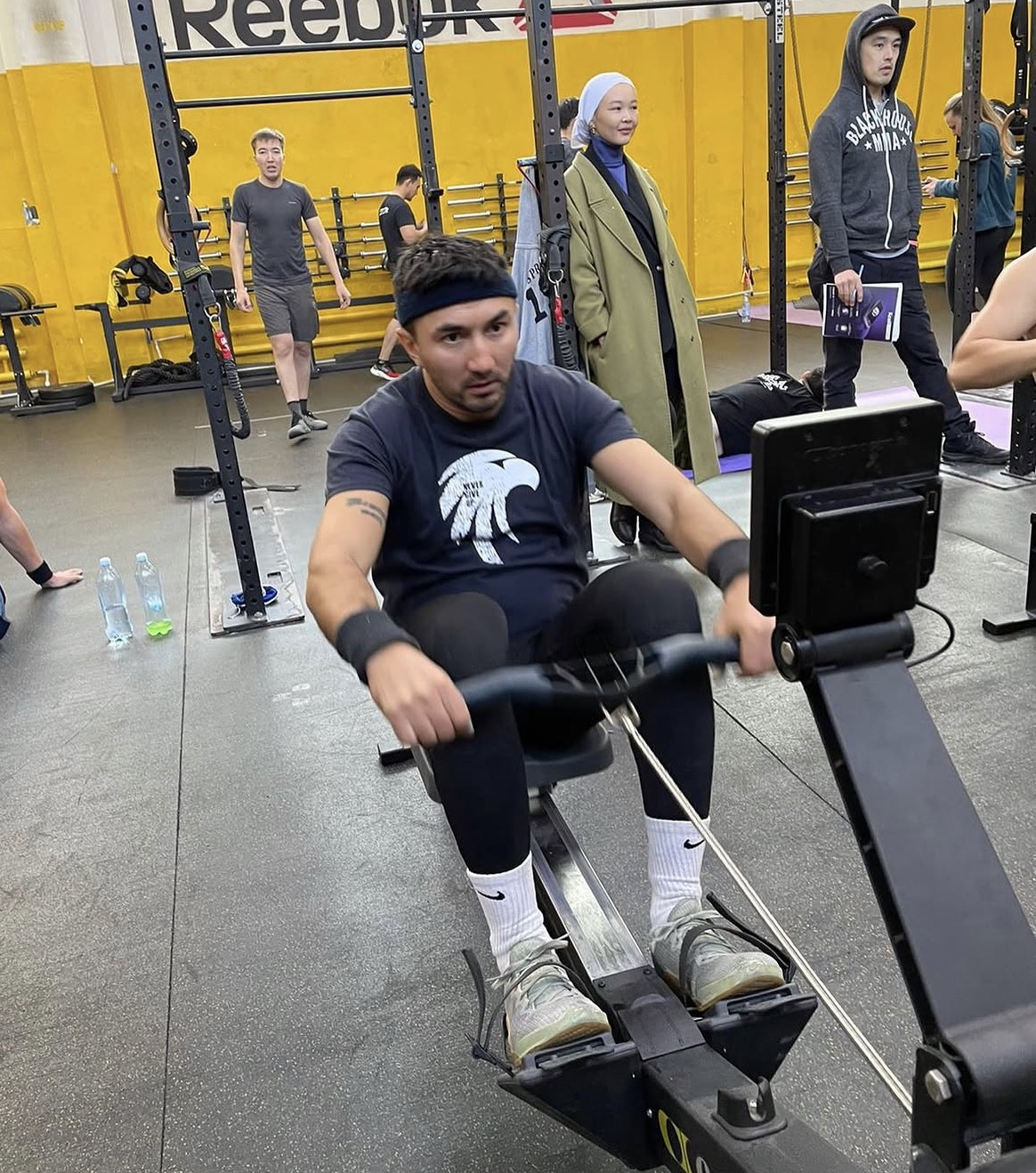
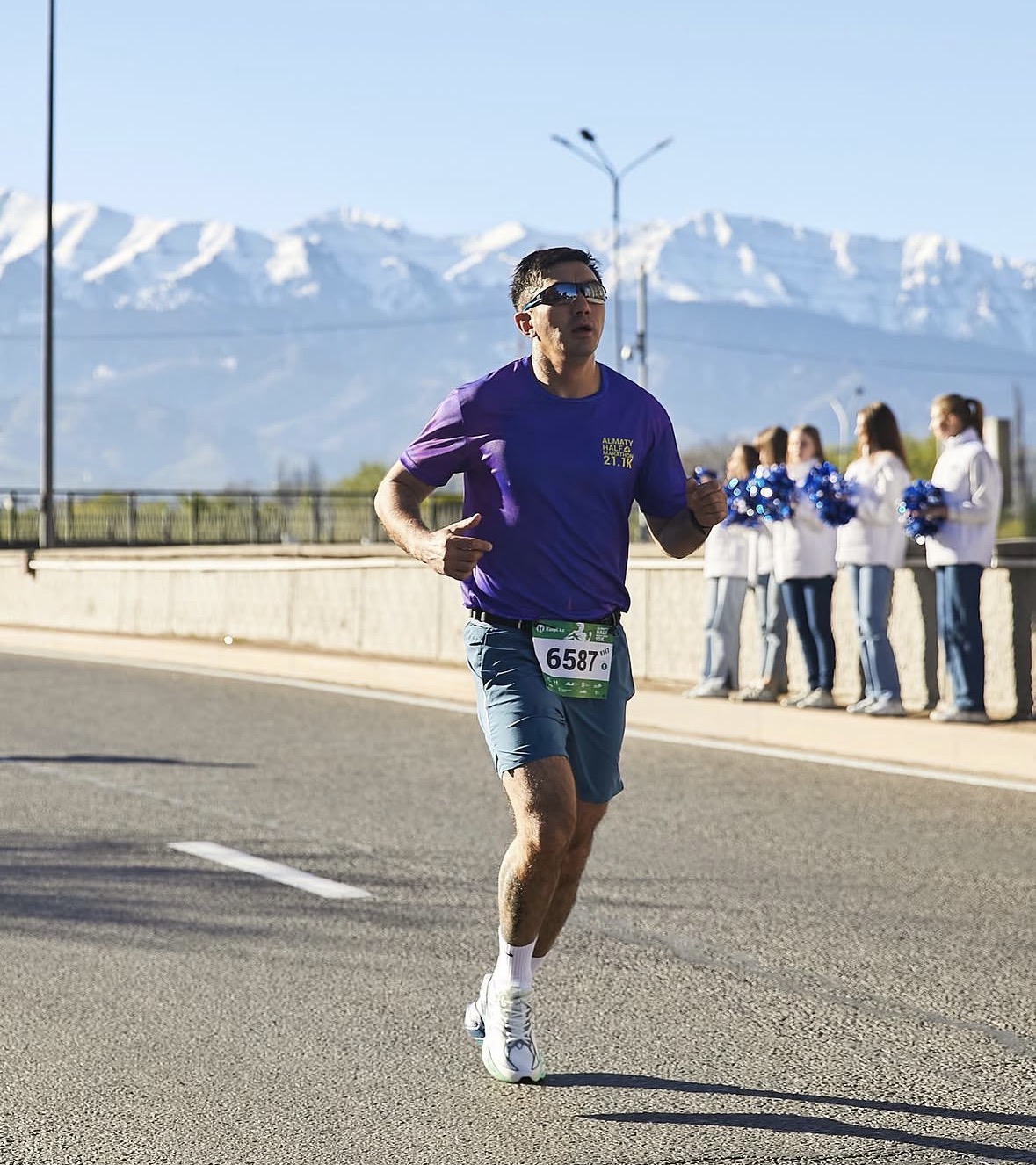
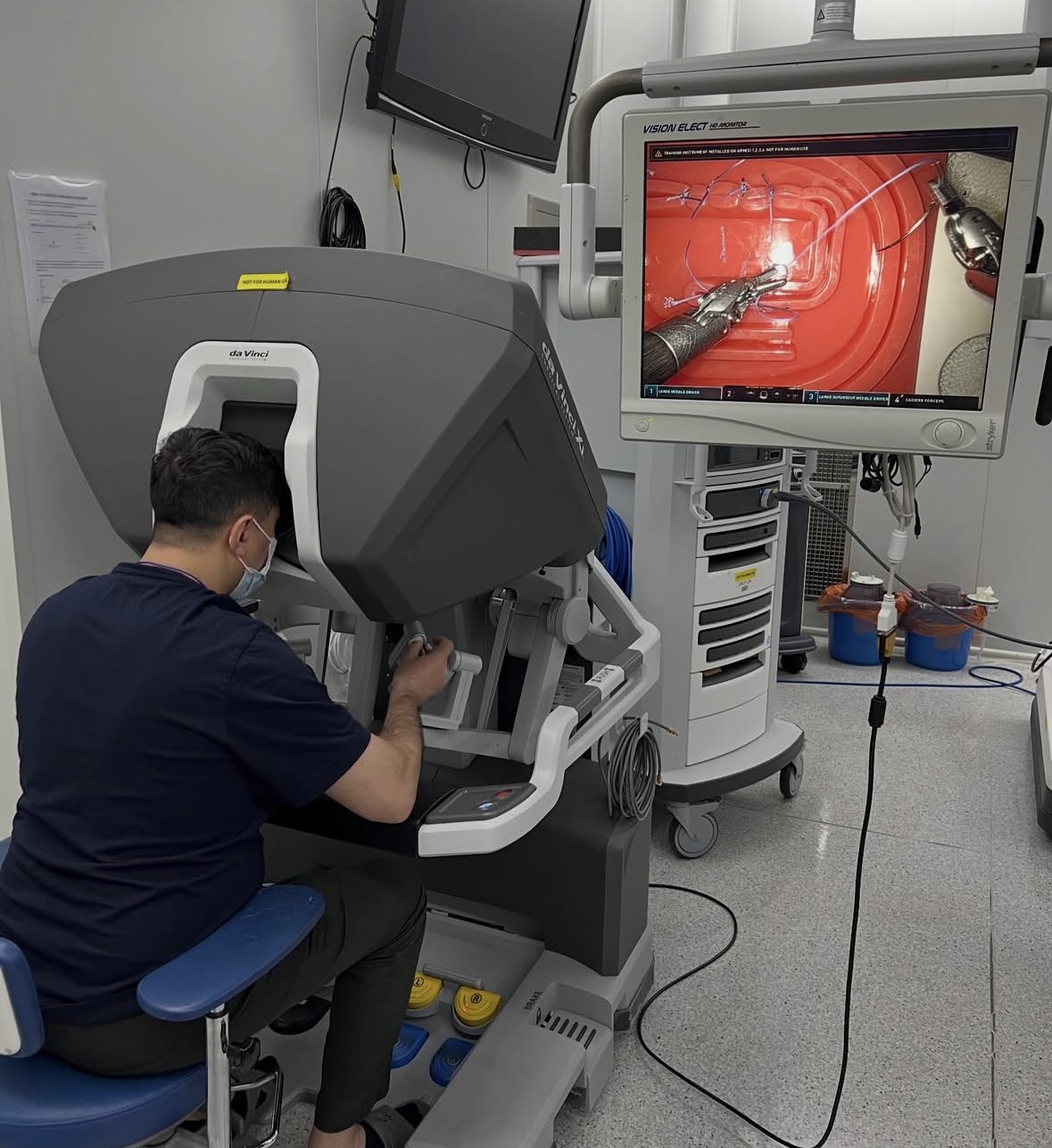
A surgeon in training
01What came first: medicine or a serious passion for sport? How did you come to CrossFit and running?
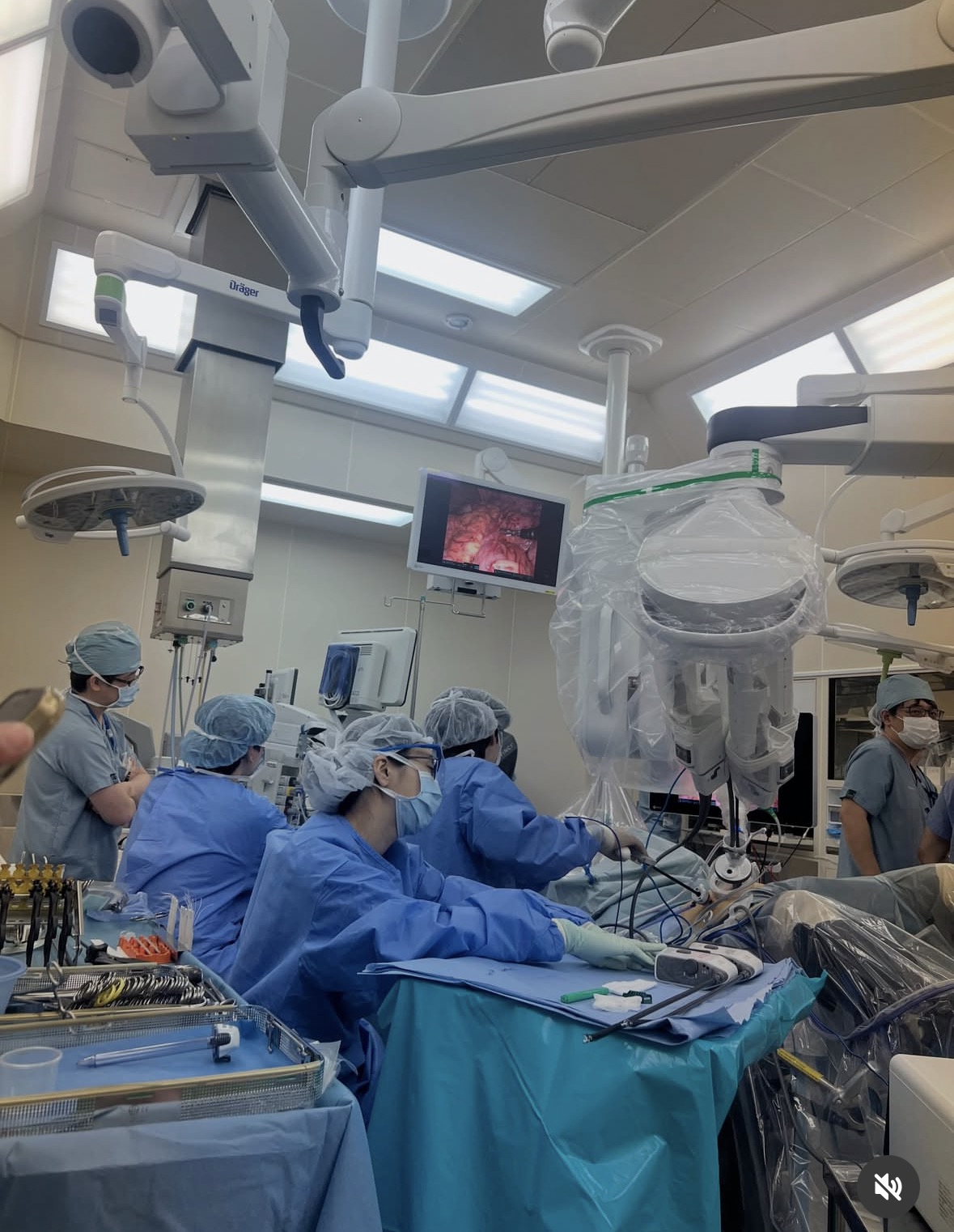
— Medicine and discipline came first; conscious, serious sport came later, during my student and residency years. You go into surgery knowing that it demands enormous physical stamina: standing at the operating table for four to eight hours in the same position while keeping microscopic precision in your finger movements is very hard for someone who isn’t physically trained.
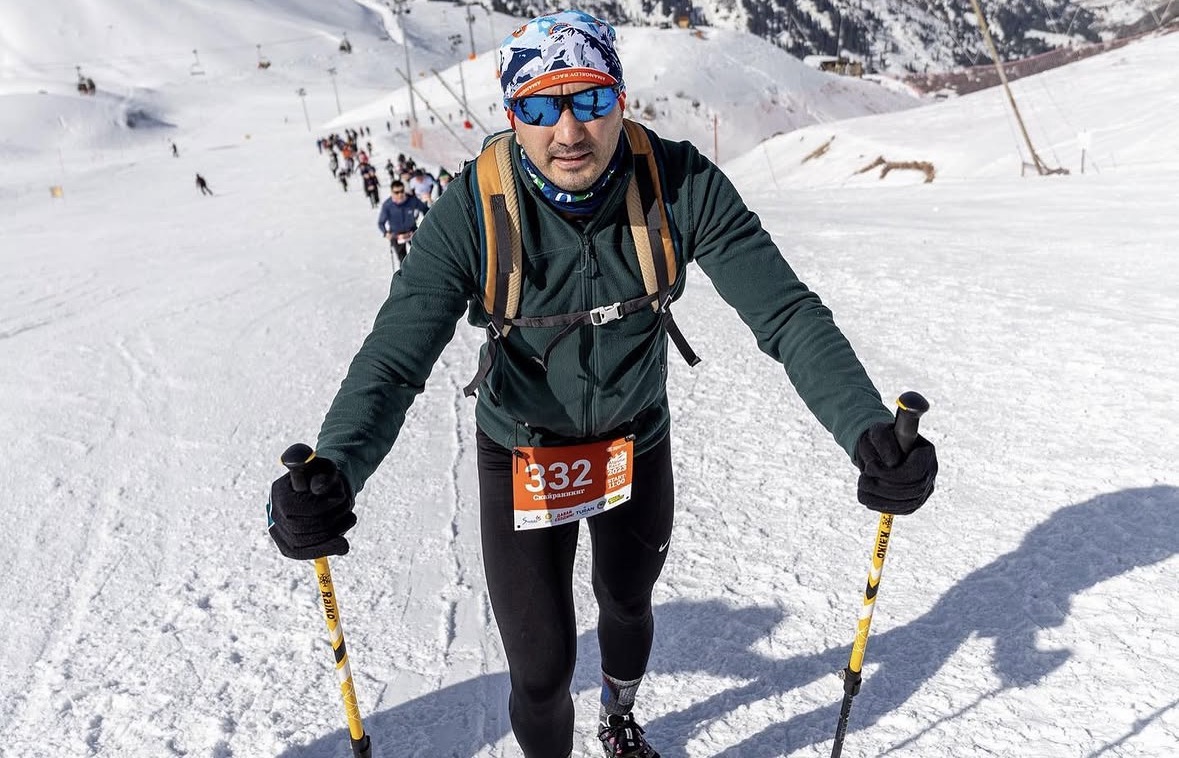
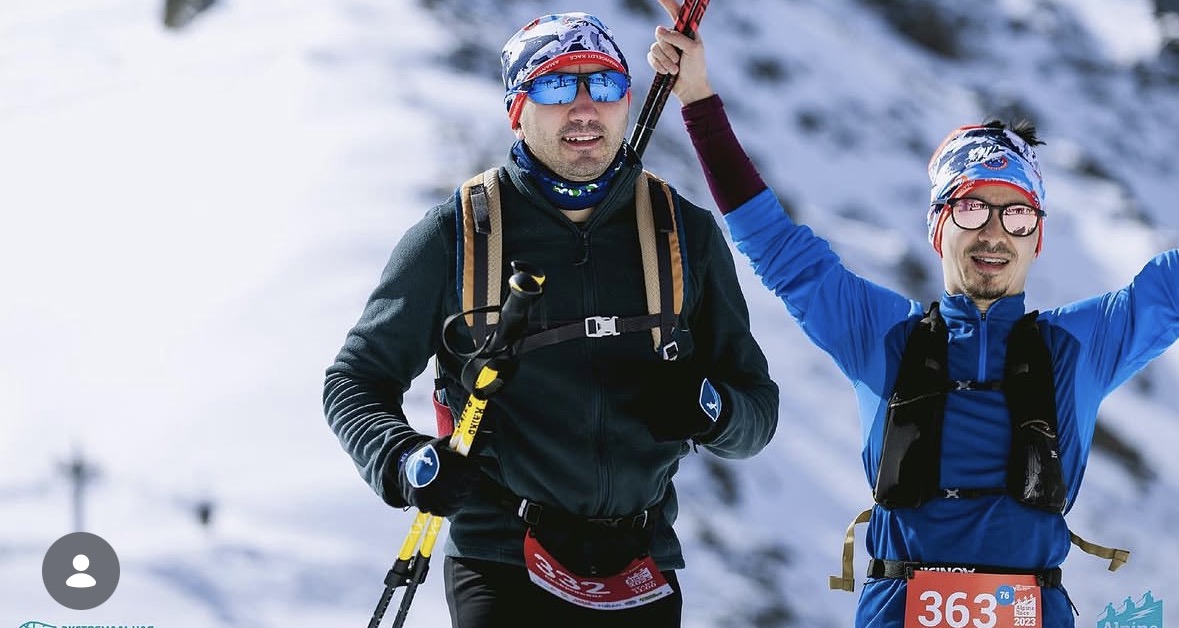
I came to CrossFit looking for functional fitness. It’s the ideal tool for developing strength, explosive endurance and mental resilience. Running was added as an excellent aerobic base, a logical functional component and a chance to be alone with my thoughts after hard shifts.
02What does your training schedule look like?
— At the moment my week is a combination of functional training and running or aerobic sessions. I try to keep to around three or four sessions a week. Of course, there are periods when I have to put sport on hold for a while or cut the load significantly. Above all, that means emergency night shifts, long and difficult operations, and periods of intensive fellowships and work trips — for example, when I go abroad for training.
But I try not to drop out of movement completely: even 20–30 minutes of a light warm-up or a walk helps me stay in shape.
03A surgeon’s work involves operations, on-call shifts, stress and a schedule that isn’t always predictable. How do you manage to combine it with training?
— The main rule is total flexibility and no perfectionism. If you try to do a heavy CrossFit workout with maximum weights after a 12-hour operation or a 24-hour shift, it will only lead to injury or a breakdown in adaptation.
I don’t plan my training around fixed days of the week, but around recovery microcycles. If there’s a window between operations and shifts, I do a full strength session or intervals. If I come out exhausted after a difficult clinical case, I swap the heavy gym session for an easy recovery run or stretching.
Sport should help restore your reserves, not drain what’s left of them.
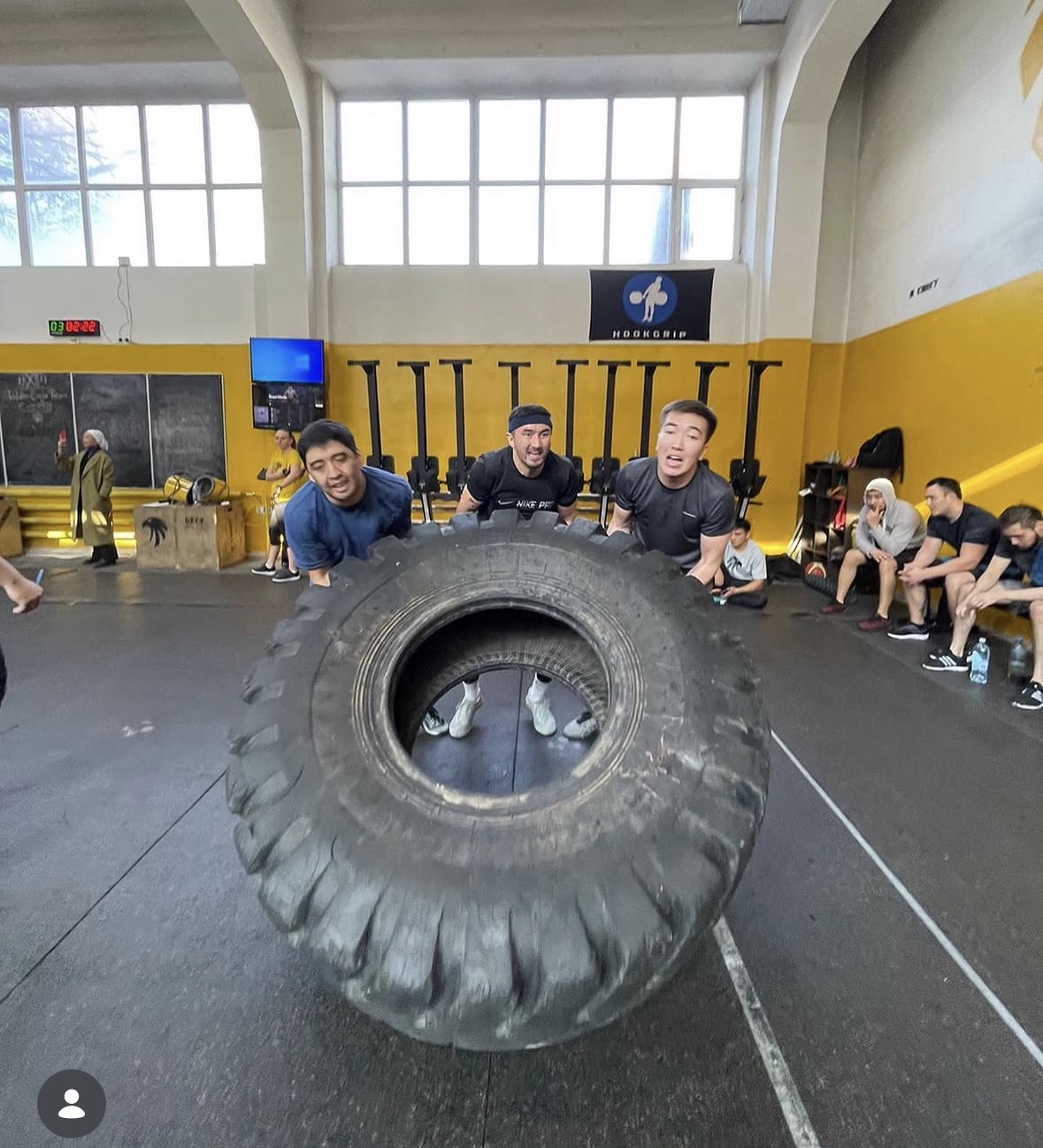
An athlete’s body from the inside
04Does your profession make you more careful with your own body, or, on the contrary, does it give you more peace of mind because you understand well how it works?
— Both at once, really. Understanding anatomy, joint biomechanics and physiology gives you confidence: you know how to distribute the load properly, how the stabiliser muscles work, what the aerobic and anaerobic thresholds are. On the other hand, as a surgeon who regularly sees injuries, hernias and complications in patients, I’m much more cautious about pure weight loads.
I won’t do a snatch with a rounded back just to get an extra five kilograms on the bar — I know the risks and the anatomical cost of a mistake far too well.
05There’s a view that operating on a physically fit person is, in a sense, easier. Is there any truth in that? From a surgeon’s point of view, does a trained person’s body look different during an operation?
— Yes, it does, and that’s absolutely true. In a physically fit person the anatomical landmarks are well defined: the fascial sheaths, tendons and muscle layers are clearly visible, which makes surgical access much easier. The quality of the tissue is different too: the muscles are denser, there is less tissue laxity, and sutures hold more reliably.
On top of that, there is less visceral and subcutaneous fat. In abdominal and colorectal surgery, a thick layer of fatty tissue makes it much harder to see blood vessels and nerve plexuses. In athletic patients the anatomical layers are “cleaner”.
06What can a surgeon really notice in someone who has done sport for many years? And which ideas about the “athlete’s body” are more of a myth?
— You can really see the ratio of subcutaneous fat to visceral fat. In athletes the omentum and the mesentery are thin and translucent, and the vascular pattern is clearly outlined. You can see the density and vascularisation of the muscles: trained people’s muscles have a rich colour, a good blood supply and high elasticity.
Another sign is bradycardia. On the anaesthetist’s monitor, athletes often have a resting heart rate of 45–55 beats per minute — that’s the physiological “athlete’s heart”.
But the idea that athletes have “special, indestructible internal organs” is a myth. Anatomically, the liver, the intestines and the blood vessels are the same in everyone. Sport develops the muscular system, the vascular network and metabolic adaptation, but it doesn’t make the internal organs mechanically “invulnerable”.
07If you compare two patients of similar age and health, but one trains regularly and the other leads a sedentary lifestyle, can there be a difference in how they cope with major surgery and recover from it?
— A huge difference, and it’s one of the key factors in the modern concept of fast-track surgery — enhanced recovery.
First, cardiorespiratory reserve: an athlete copes easily with anaesthesia and temporary hypoxia, their lungs re-expand faster, and the risk of post-operative pneumonia is many times lower. Second, mobilisation: a trained person gets out of bed as early as the first day after surgery, because they have a corset of abdominal and back muscles, as well as being used to physical effort.
Finally, the metabolic response: in physically active people, the systemic inflammatory response to surgical trauma is more balanced, and the early stages of healing and the recovery of gut function are quicker.
Where the benefits end
08Is there a downside to being in good shape? Can extreme training loads, very low body fat, dehydration or constant under-recovery cause problems?
— Absolutely. Healthy amateur sport and professional or extreme sport are completely different things. An excessively low body fat percentage suppresses the immune system and endocrine function. In surgery, a reasonable amount of fatty tissue is an energy store for healing.
Chronic overtraining and dehydration lead to hypercoagulability — a risk of thrombosis — as well as high cortisol levels and electrolyte disturbances such as hypokalaemia and hypomagnesaemia, which can trigger arrhythmias under anaesthesia.
Then there’s rhabdomyolysis. With extreme, inappropriate CrossFit loads, muscle breaks down, and the breakdown products, in particular myoglobin, can damage the kidneys and lead to acute kidney failure.
09You work in colorectal surgery. Are there any particular features of gut function, or problems, that people who run or do other intense sports encounter more often?
— Yes, in sports medicine and colorectal practice there are some characteristic conditions. For example, runners’ ischaemic colitis — “runner’s trots”. During long endurance runs or high-intensity WODs, blood flow is redistributed from the abdominal organs to the working skeletal muscles. Blood supply to the gut can drop by 70–80%, which causes cramps, diarrhoea and sometimes minor bleeding. Ischaemia and overheating during marathons can also disrupt the gut’s epithelial barrier.
There are also problems with the pelvic floor muscles and haemorrhoids. Frequently lifting maximum weights while holding your breath and straining — the Valsalva manoeuvre — raises intra-abdominal pressure, which can trigger a flare-up of haemorrhoids or pelvic floor dyssynergia.
10Many people start training very actively after 35–40: several sessions a week, competitions, marathons. Where is the line between healthy adaptation and increasing the load too sharply?
— The line is where micro-damage and fatigue start to build up faster than you can recover. After 35–40, ligaments, tendons and cartilage lose some of their former elasticity, and the ligaments adapt to load much more slowly than the muscles or the cardiovascular system.
Your heart and lungs may already be ready to run a half marathon, but the ligaments in your knees and your Achilles tendons may not be.
A sudden jump in volume of more than 10–15% a week, or going straight from the sofa to daily CrossFit workouts, is a direct route to tendinopathies, stress fractures and an overloaded autonomic nervous system.
11To what extent should age determine limits in sport at all? What matters more to a doctor: the number in your passport or the condition of the individual?
— For a modern doctor, the number in your passport is just a chronological reference point. Biological age and current functional status are much more important. I’ve seen 60-year-old patients with elastic blood vessels, an excellent VO₂max and good muscles who came through very difficult operations with ease. And I’ve seen 30-year-olds with metabolic syndrome, severe physical inactivity and the vascular system of a 60-year-old.
Limits are determined not by age, but by your existing medical history: the state of your cardiovascular system and joints, your glucose levels and your blood pressure.
12You are also a surgical oncologist. Does a cancer diagnosis change the approach to physical activity? In what situations does sport really have to be restricted, and when can movement be part of recovery?
— There has been a fundamental shift in modern oncology. It used to be thought that a cancer patient needed strict rest. Today carefully dosed physical activity is an official part of prehabilitation — preparing for surgery — and of rehabilitation.
Moderate aerobic exercise before surgery improves how well patients tolerate the operation and reduces the rate of complications.
After surgery, walking early prevents intestinal paresis and adhesions and improves quality of life during chemotherapy. Exercise should be restricted in the early post-operative period, until sutures and anastomoses have fully healed, and in cases of severe anaemia, a high risk of pathological fractures with bone metastases, active bleeding or severe thrombocytopenia.
Doctor and athlete
13Has your own experience of sport changed you as a doctor?
— Yes, sport develops empathy enormously, along with an understanding of physiology. I understand better what a patient feels with muscle pain, cramps or general physical exhaustion after surgery. When I tell a patient about the importance of sleep, enough protein in their diet and gradually increasing their steps after discharge, I don’t present it as a dry instruction from a textbook, but as a principle of recovery that I’ve deeply lived through and that is physiologically sound.
14And has surgical practice changed your attitude to training?
— Definitely. I’ve become much more careful about technique, recovery and warming up. I’ve practically eliminated unjustified 1RM attempts — the maximum weight for one repetition — in exercises with a high axial load without proper preparation.
I never train “through sharp joint or ligament pain”. A muscle can take it, but a damaged ligament or cartilage takes months to recover. I’ve stopped ignoring the signs of dehydration and lack of sleep, because I’ve seen in the operating theatre what the tissues and blood vessels of a dehydrated or chronically exhausted person look like.
15If someone over 40 has never done any serious sport and has decided to start now, what should they really check or take into account before training regularly?
— They should definitely have an ECG and an echocardiogram — a heart ultrasound — and see a cardiologist, and if necessary do a stress test or treadmill test. Do basic blood tests: a full blood count — haemoglobin, anaemia; biochemistry — ALT, AST, creatinine, lipid profile, glucose or HbA1c, ferritin. Measure blood pressure at rest and over time. And consult a good coach to learn the basic movement technique.
It’s excessive to have MRI scans of every section of your spine and all your joints “just in case” when you have no pain or symptoms: you’ll find incidental disc protrusions, which a huge number of people have, and you’ll only frighten yourself. Nor do you need full screening for every tumour marker “for sport”, or complex, expensive genetic panels for sporting talent.
16And the project’s traditional question: what does a “second wind” mean to you personally?
— For me, a “second wind” isn’t just a physiological effect, when after acidosis and breathlessness the body switches to using oxygen more economically. It’s the ability to adapt at the moment when your usual reserves are completely exhausted.
In a surgeon’s life such moments are inevitable: the move from theory to extremely complex operations on your own, hard shifts, professional burnout, difficult clinical cases, intensive fellowships abroad, when you find yourself in a completely new, demanding environment and have to meet the very highest standards. At moments like that you have to stop, breathe out, drop the excess baggage and find new meaning and the strength to keep going.
Sport has taught me a simple rule: however hard the last metres of the distance or the last hours of an operation may be, if you keep doing the right, carefully judged things, your second wind will definitely come.