“I got fired. And ever since, my life has been all about tennis”
Sometimes losing a job is not the end of a career but the start of a whole new life — especially if you dare to turn a long-time hobby into your work. How did ordinary tennis trophies inspire someone to launch their own tournaments? Why do amateur players plan their holidays around the competition calendar? And what keeps you going when you feel like quitting?
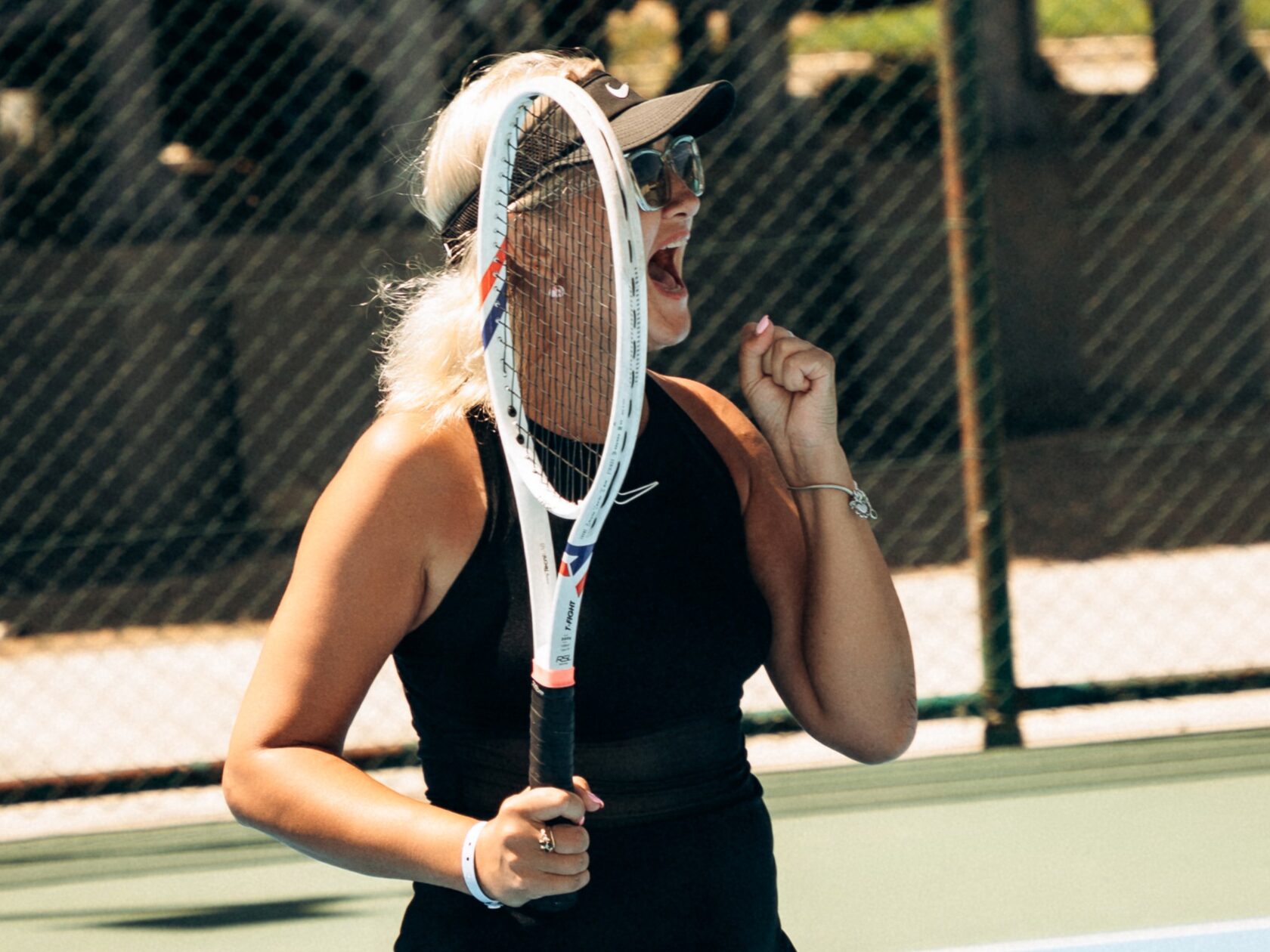
Our Second Breath interviewee is Evgenia Fokaidi, 43, founder of the FEnix club and organiser of amateur tennis tournaments in Kazakhstan and abroad. She first stepped onto a court at the age of seven, and at 35 she returned to the sport after a long break.
Today Evgenia brings together tennis players from different countries, develops amateur competitions and supports wheelchair tennis players. For the sake of the work she loves, she moved from Karaganda to Almaty and completely changed her professional life.
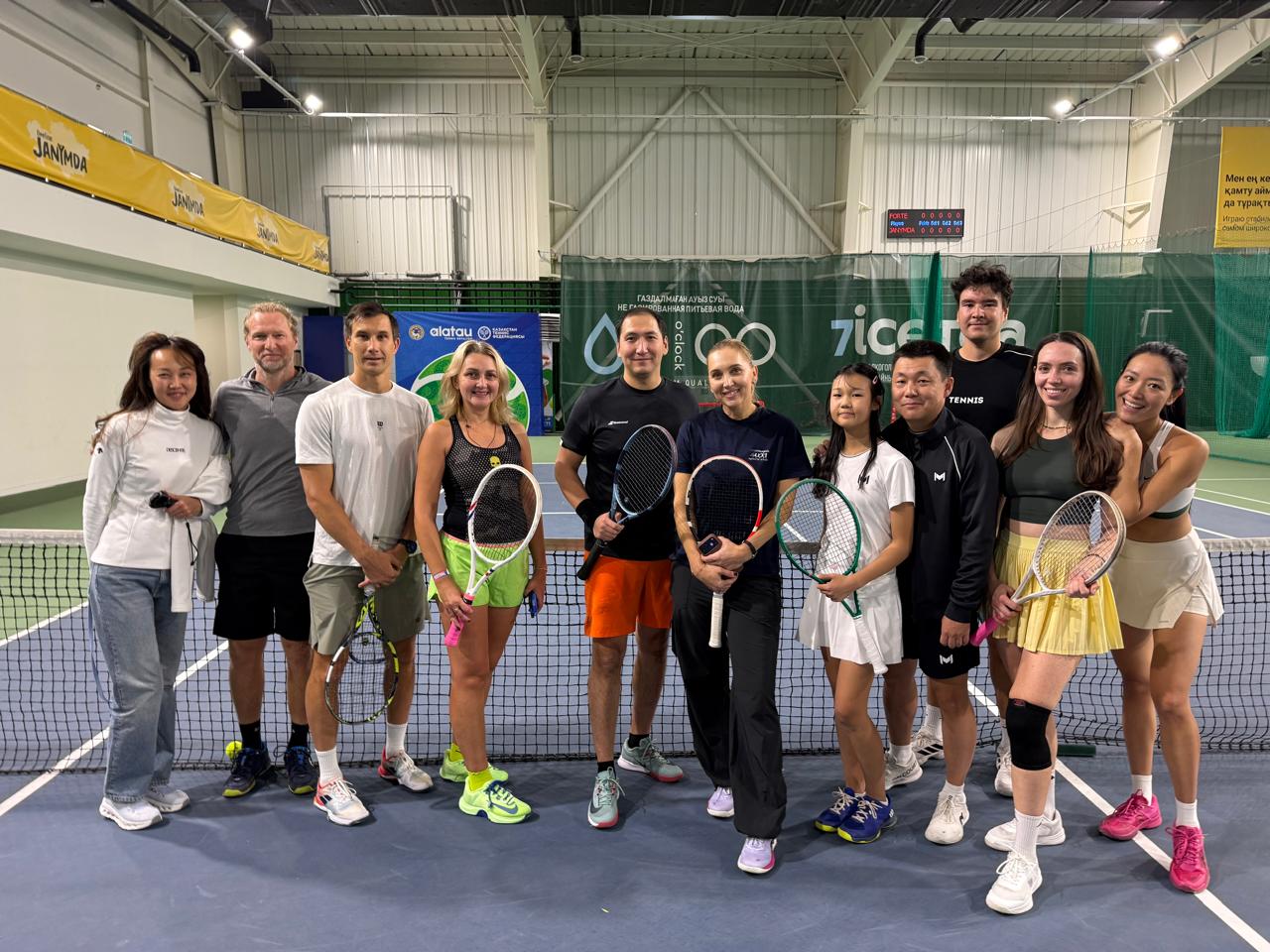
On the court since childhood
01Evgenia, tell us a little about yourself. What did you do before tennis became the main focus of your life?
— I was born in Karaganda and lived there almost all my life. I studied foreign languages at Karaganda State University for two years, but had to drop out for family reasons. By the way, I got into the French course without even knowing the alphabet. I learned the tests by heart in ten days and scored 25 out of 30.
Later I trained as a marketer at college. For a long time I worked in retail. I started with direct sales on the street and worked my way up to store manager. I really love selling, and even now I sometimes miss it. Sales, like sport, are a thrill.
I have two sons. The younger one is still at school, the older one is studying IT in Tomsk. I’ve been living in Almaty for three years now. I love travelling and meeting new people.
02How did tennis come into your life?
— It feels like tennis has always been in my life, apart from the time when I was raising young children. When I was seven, my dad took me to tennis in Karaganda, at the Shakhtyor stadium. There was a club there, and my coach was only 18 at the time. We were little, we fooled around, played jump rope and board games.
At nine I went back, this time with another friend. Then I returned at 11 and at 14, and in the end I played in Karaganda until I was twenty. Then adult life began, and there was no time for tennis. But I missed it. Besides, tennis helped me a lot at work — it taught me never to give up.
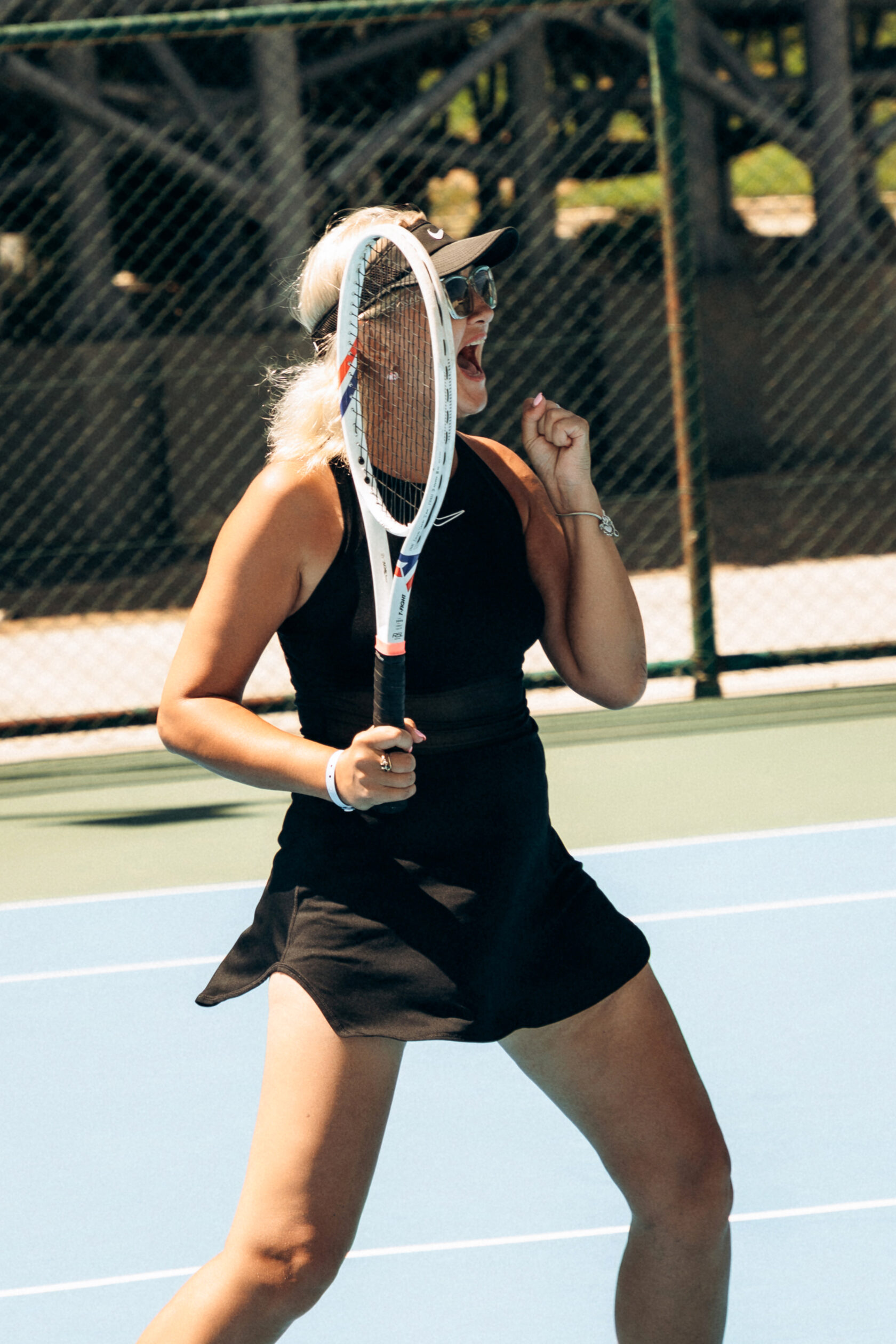
At 35 I returned to the court as a veteran, or an amateur. And now tennis is part of my life every single day.
Tournaments without borders
03How did you get into organising tournaments?
— During Covid I worked in a women’s clothing store. At some point I was fired, despite good sales. Right at that time a new tennis centre was built in Karaganda. We immediately agreed that I would hold tournaments there. Since then my life has changed and become devoted to developing tennis.
At first it was just Karaganda, then gradually other cities in Kazakhstan joined, then Central Asian countries and countries further afield. There were magazine articles, tournaments abroad and a huge community of players from Central Asia.
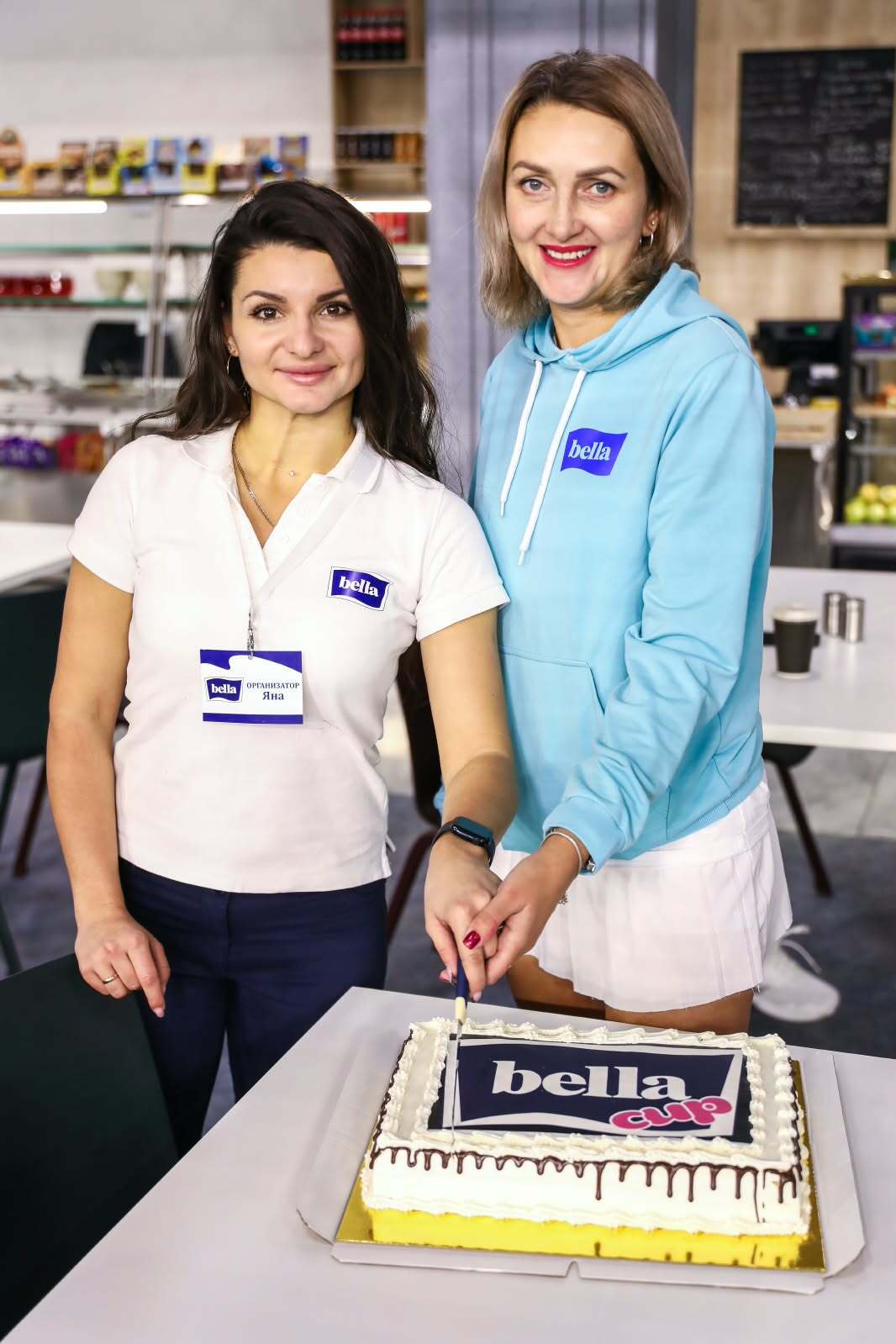
My greatest pride is the Bella Cup, a women’s doubles tournament. In different cities across Kazakhstan it brought together between 44 and 84 women from different countries. I know for a fact that no other tournament has ever gathered so many amateur women players.
04How did your own tournaments begin, and how did the FEnix club come about?
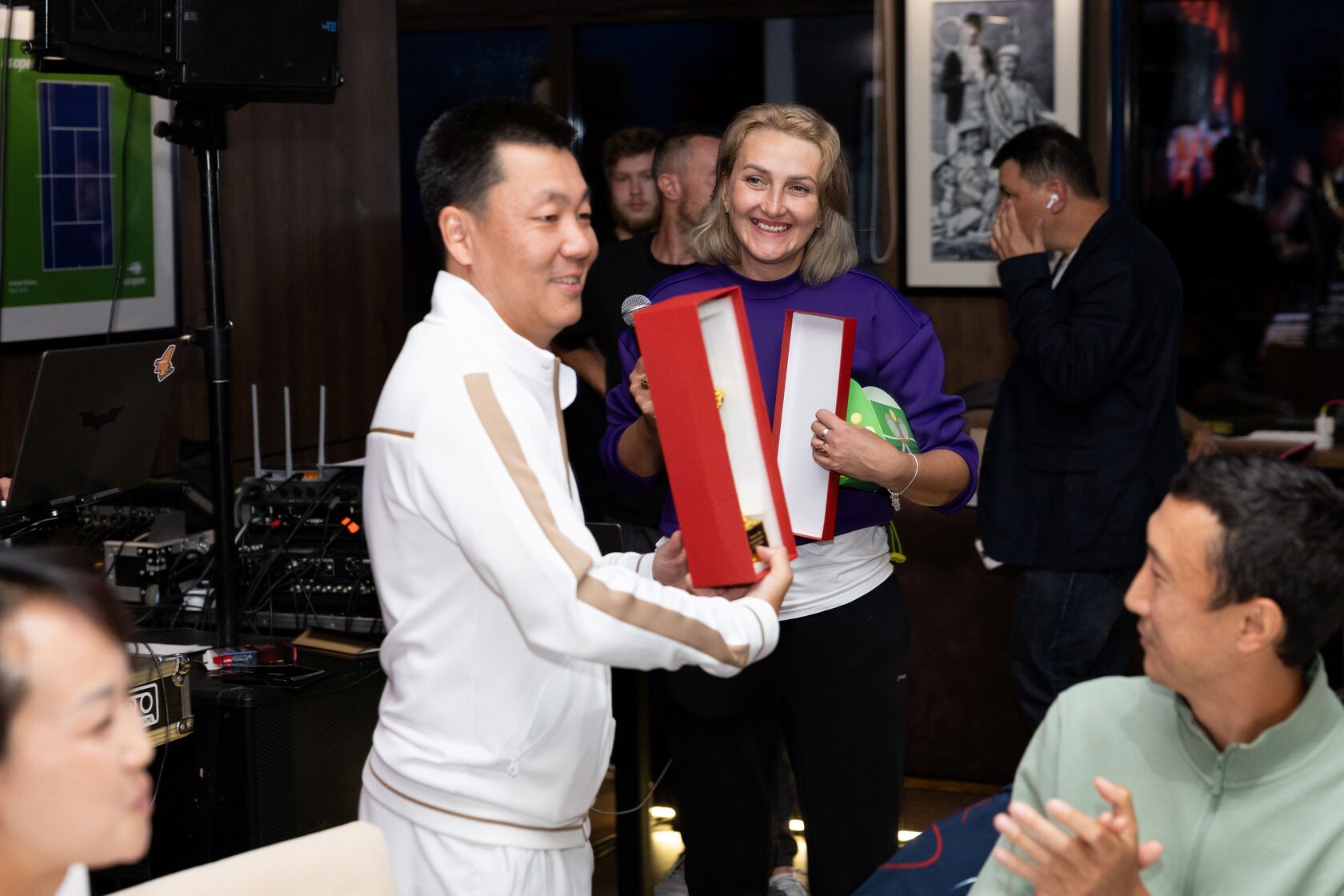
— You won’t believe it, but the idea came from trophies! At other people’s tournaments I was given the same standard cups from the market. I wanted to do something special. Since then, apart from our traditional tournaments, I try never to repeat a trophy.
I held my first tournament, for eight pairs, for people from my home region in Temirtau, at a holiday spot where we liked to spend time with friends. All our amateur players got involved and became sponsors. Without the players’ constant support, nothing would have worked.
The name FEnix came from the association with the famous phoenix bird and my initials. It’s close to my philosophy. And the slogan Tennis without limits means not only that there are no geographical borders, but also no restrictions on the level of players within a competition.
05Your tournaments have already spread far beyond Kazakhstan. Where have you held competitions, and what’s the hardest part of organising them?
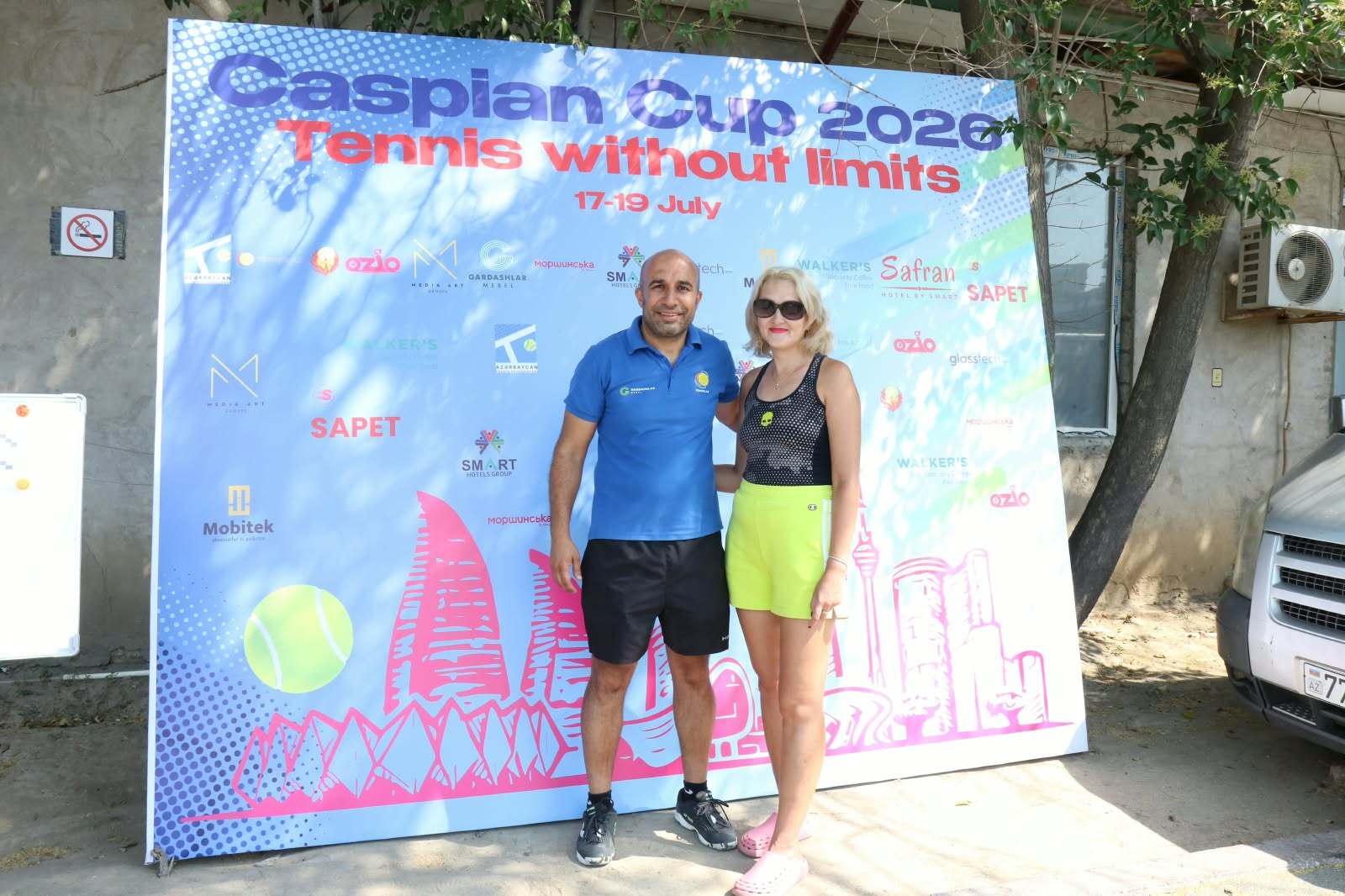
— We held our first international away tournament in Batumi, Georgia. Now it’s also Azerbaijan, Uzbekistan, Turkey — Istanbul and Batman — and an annual tournament in Egypt.
It’s hard when you’re organising a summer tournament on outdoor courts and the forecast says rain. Everything else is the human factor, practical issues that can be sorted out.
06How has tennis changed your own life?
— I moved to another city for tennis and moved my son to a new school. I started travelling more thanks to organising tournaments, made new friends and completely changed my social circle. I miss my hometown a little, but I know it’s all for the best.
Tennis for everyone
07Who takes part in your tournaments today? Are there any age limits?
— There is a place in my tournaments for absolutely any player, young or old. The main thing is to love tennis. But mostly, of course, they are above-average amateurs — people with a sporting past and high ambitions.
30–50 is still young! There are players over 60 and 70. Tennis is a sport you can play from the age of four to 94.
08What do competitions give amateurs? Why isn’t it enough just to play for yourself?
— Only competitive experience brings progress. And tennis is mostly played by people who are ambitious in life. Besides, ordinary games don’t have the same thrill or beautiful trophies.
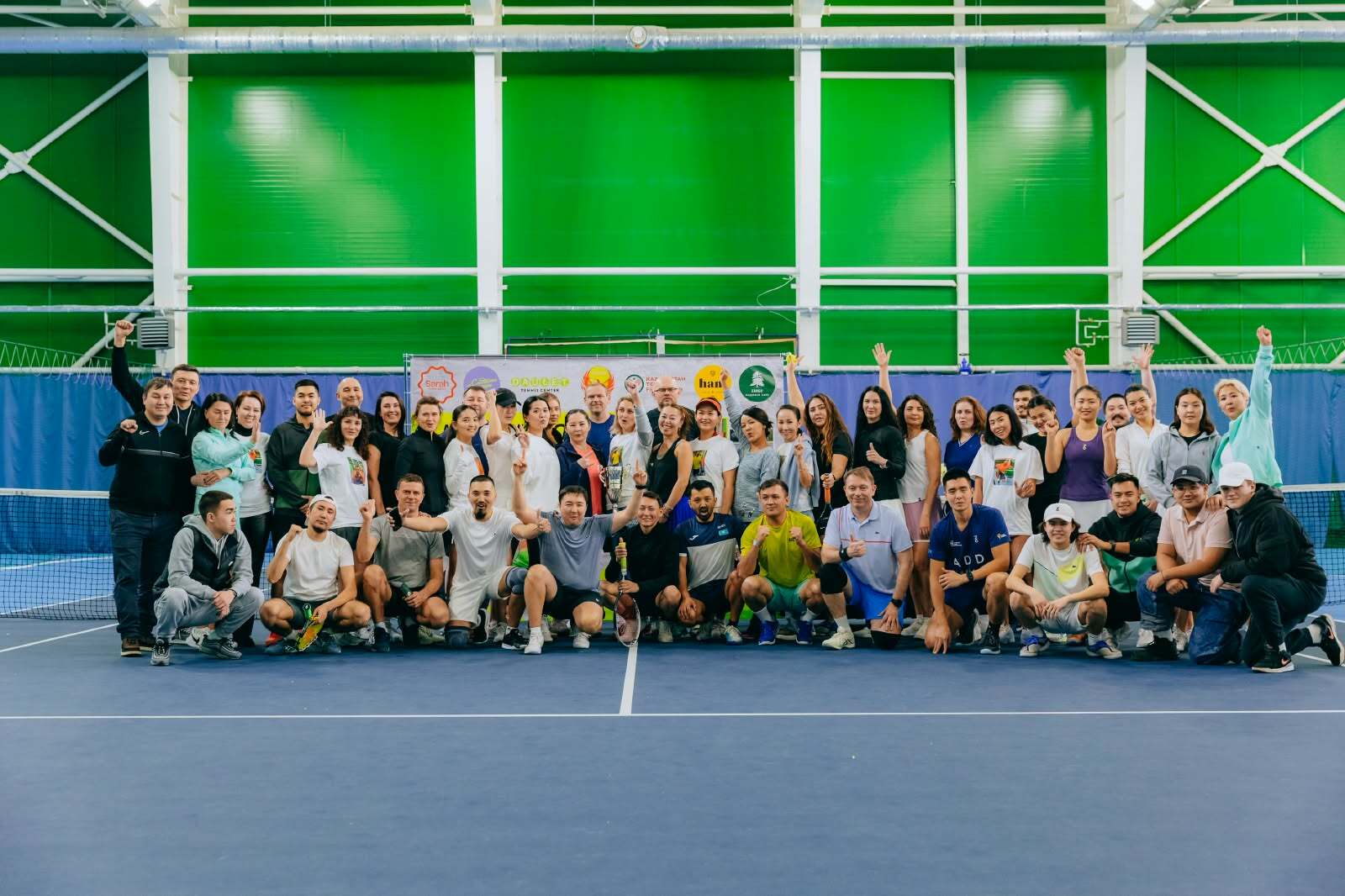
And the trips are a whole different story! People now plan their holidays around the calendar of away tournaments. Tennis players get bored lying on the beach. Even when we go to big tournaments in Turkey or Egypt, we barely see the sea. We’re on the court the whole time.
09How accessible is tennis today? How much does it cost to play?
— These days tennis is more accessible than it used to be. When I started, equipment was hard to get hold of and insanely expensive. Now there’s a choice for every budget. But court hire is, of course, very expensive, as is entering tournaments and travelling to them.
A one-to-one session can cost from 5,000 tenge for sparring, plus court hire — from 7,000 tenge in the regions and from 10,000 in Almaty. Nevertheless, if you really want to, you can find free courts in a park and a wall to practise your shots against.
This year there has been a small decline, especially noticeable in summer. People have started playing more ordinary Sunday tournaments, where the entry fees are small and there are lots of matches.
10And what does tennis give a person besides sporting results?
— Tennis gives your brain a break. It’s wonderful to recharge your emotions for the whole day early in the morning before work. On the court you think only about the ball. And you can put some of your anger into that ball, which also helps you let off steam.
11A separate area of your work is supporting wheelchair tennis players. How did that come about?
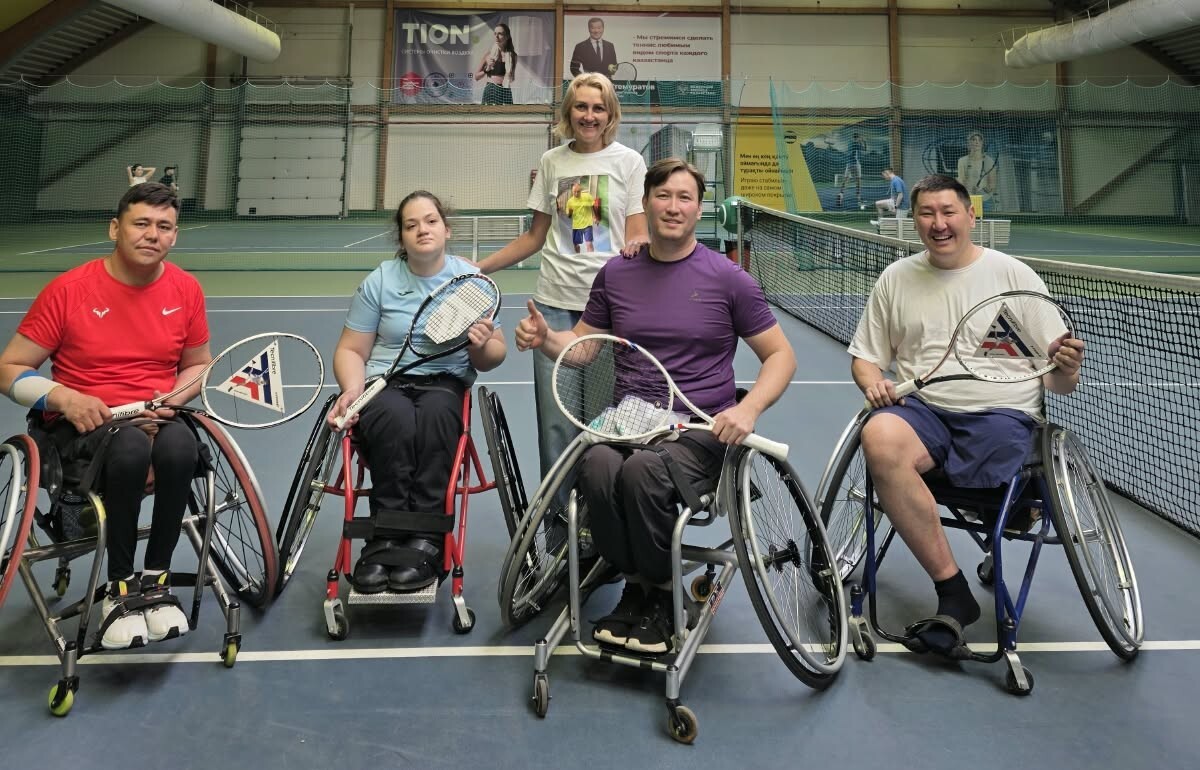
— When I was working as a coach in Karaganda, we became very close with the wheelchair players and became one family. Even back then I supported them and held tournaments. And I didn’t stop helping after I moved.
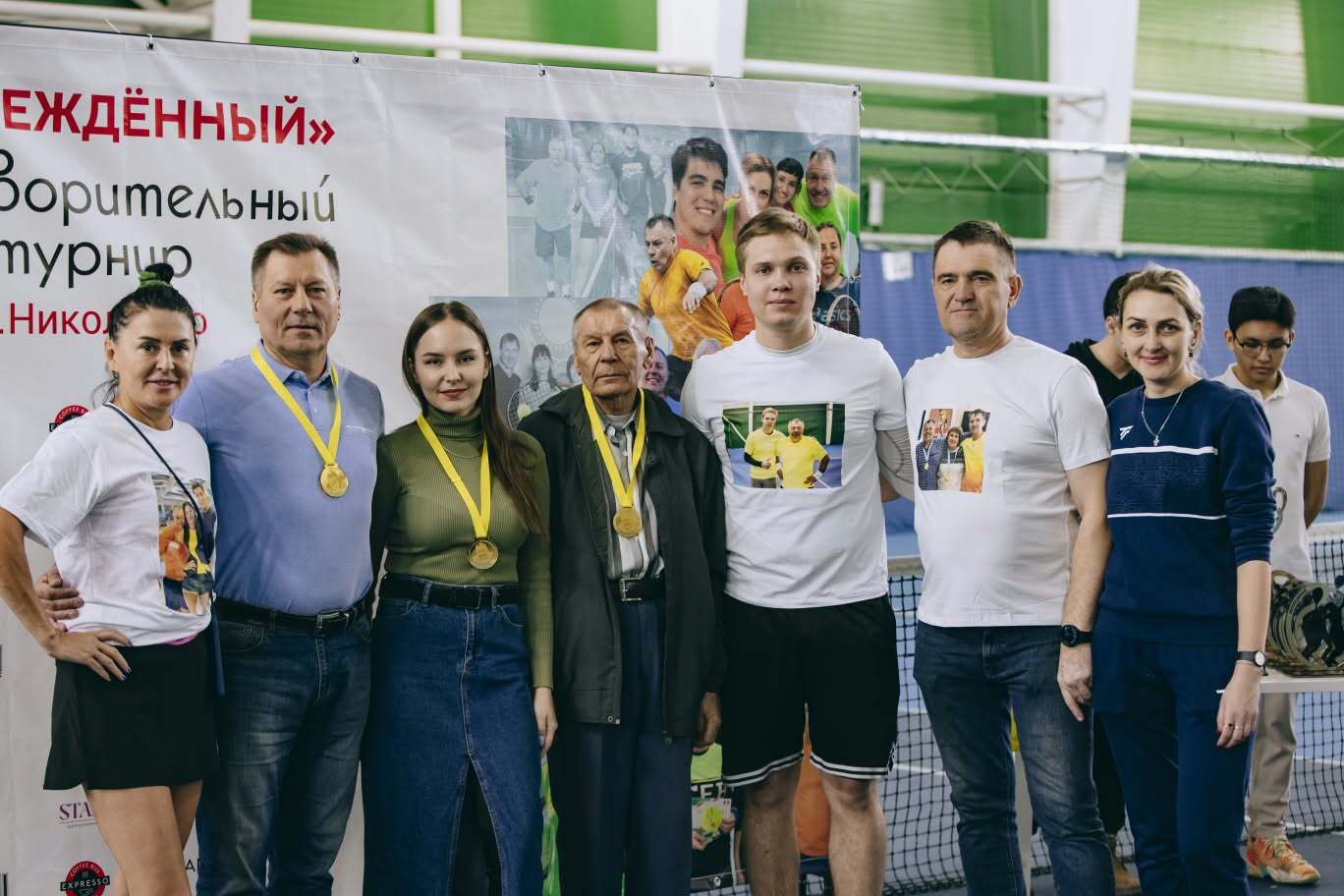
The April tournament “Undefeated” is a traditional tournament in memory of V. A. Nikolenko, a tennis lover who died during a tournament. It is held every year in the north of Kazakhstan. All the money raised goes towards buying the equipment wheelchair players need.
After the success of that tournament, I decided to hold a similar competition in Almaty for women and get them involved in a good cause. At the “Invincible” tournament we handed over equipment to local wheelchair players. On top of the funds raised at the tournament, the women also gave the players rackets.
Today wheelchair tennis is available in almost every city that has Federation courts. Tennis lovers in Kazakhstan regularly support these players not only through tournaments but also through fundraising — for example, if someone’s racket breaks.
12Have there been stories where tennis completely changed someone’s life?
— It certainly changed mine! And I, in turn, have changed other people’s lives. Including a friend of mine who, thanks to tennis, moved from Yaroslavl to Almaty and now works as a coach at one of the tennis centres. We’ve even had couples get together! Before that, they just played mixed doubles together.
A second wind
13Is organising tournaments a business for you today, or first and foremost a labour of love?
— More a labour of love. You can’t build a business on it. Being able to bring people together is a bonus and a pleasure. To be honest, it has become hard to juggle everything, because costs have gone up and sponsors are getting harder and harder to find.
14Do you manage to play regularly yourself? What goals do you set yourself?
— On weekdays I don’t play that much, maybe once or twice a week. But at weekends, if I’m not running a tournament myself, I try to play.
I’ve run out of room for trophies, so as a player I don’t set myself any particular goals. But as an organiser, of course, I want to conquer the world!
15How do you feel about age? Does your sense of what you are capable of change over the years?
— For me, age is just a number. It’s always been that way. In tennis I see players who are about 70, and they have no intention of stopping. My possibilities are limitless. The main thing is to always have that spark in your eyes.
16Are there moments when you feel like quitting? What helps you keep going?
— Those moments happen all the time! Every day I feel like giving up tournaments. But then, after a successful tournament, the enthusiasm comes back. Especially after away tournaments and meeting new people.
17And our traditional question: what does a “second wind” mean to you?
— For me it’s just like in sport: you feel like you have nothing left, but you keep going, and suddenly it kicks in.
It’s more a story about trusting life. When you’re ready to give up and it seems like it’s all over, but then a good spell comes round again. I’ve had moments like that in my life many times. And I hope there will be more.