“I wanted to change more lives”
You go to the pool regularly, but every time the conversation turns to competitions, you think: “Me? I’m far too slow.” Which raises a question: what speed are you waiting for before you let yourself enter your first race? And what can a race actually give someone who only took up sport as an adult?
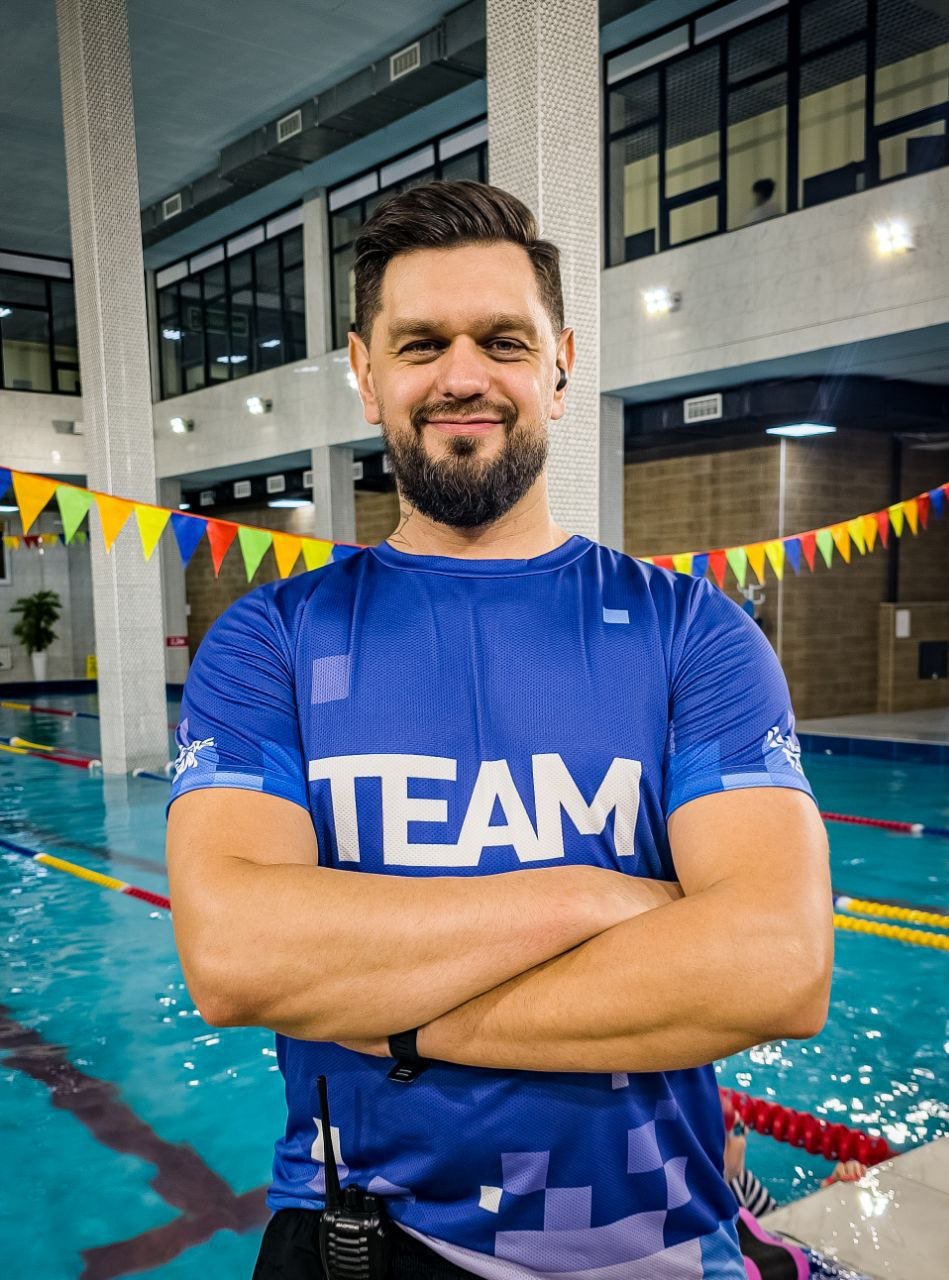
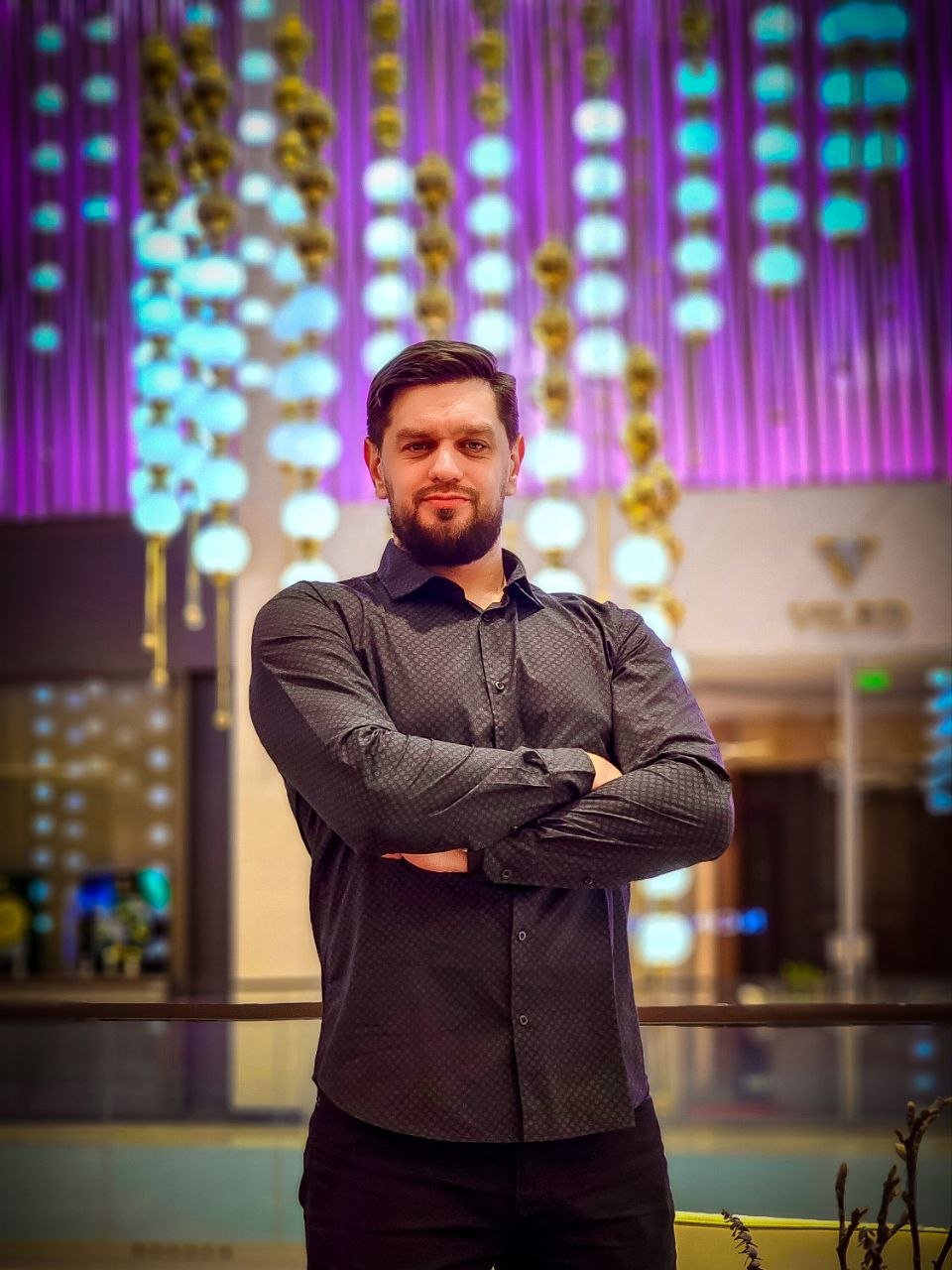
We talked about this with Denis Gordienko — a swimmer, coach, founder of Limitless Astana and Global Sport, and director of the Steppe Waters open-water swim series. At 28, already with a family and a job as a coach, he went back to training and once again met the Candidate Master of Sport standard. Today he organises competitions where even people who have only just started swimming can test themselves.
“You always want to find out whether it’s really yours”
01Denis, how did sport begin in your life?
— Sport has always been part of my life. I was simply born into a sporting family. My father worked as a coach for a very long time and was even the national team coach for a while. He trained athletes, including Olympians and Asian Games competitors. My mother trained as a nursery school teacher, but she also works as a coach, teaching babies to swim. My brother is an athlete too and works as a coach, and so does his wife.
So we are a sporting family through and through, and I think what I would do with my life was decided in advance. I tried lots of different things, did all sorts of other work, just to see, to test myself. You always want to find out whether it’s really yours. And after trying many different professions, I realised my place is in sport.
I started sport at six, before I even went to school, and kept going right up until the army. When I came back from the army, I started working as a coach. This is my 18th year now. Next summer it will be exactly 18 years since I started coaching swimming.
02Which of your sporting results do you consider the most important?
— I swam professionally for 11 years. I competed mainly for the Karaganda Region team and was a member of Kazakhstan’s youth team. I was Kazakhstan champion several times. Cups, junior championships and so on. I have a huge number of national-level certificates — about a hundred, probably. Thirteen medals in total. Back then they didn’t always give out medals.
I met the Candidate Master of Sport standard at 13. I never made Master of Sport — I was always short by literally a few hundredths of a second. Then at 28, already working as a coach, with a family, a grown man, I started training again. And at a competition in Astana I met the Candidate Master of Sport standard once more. I showed that, in principle, you can get back to your best form many years later.
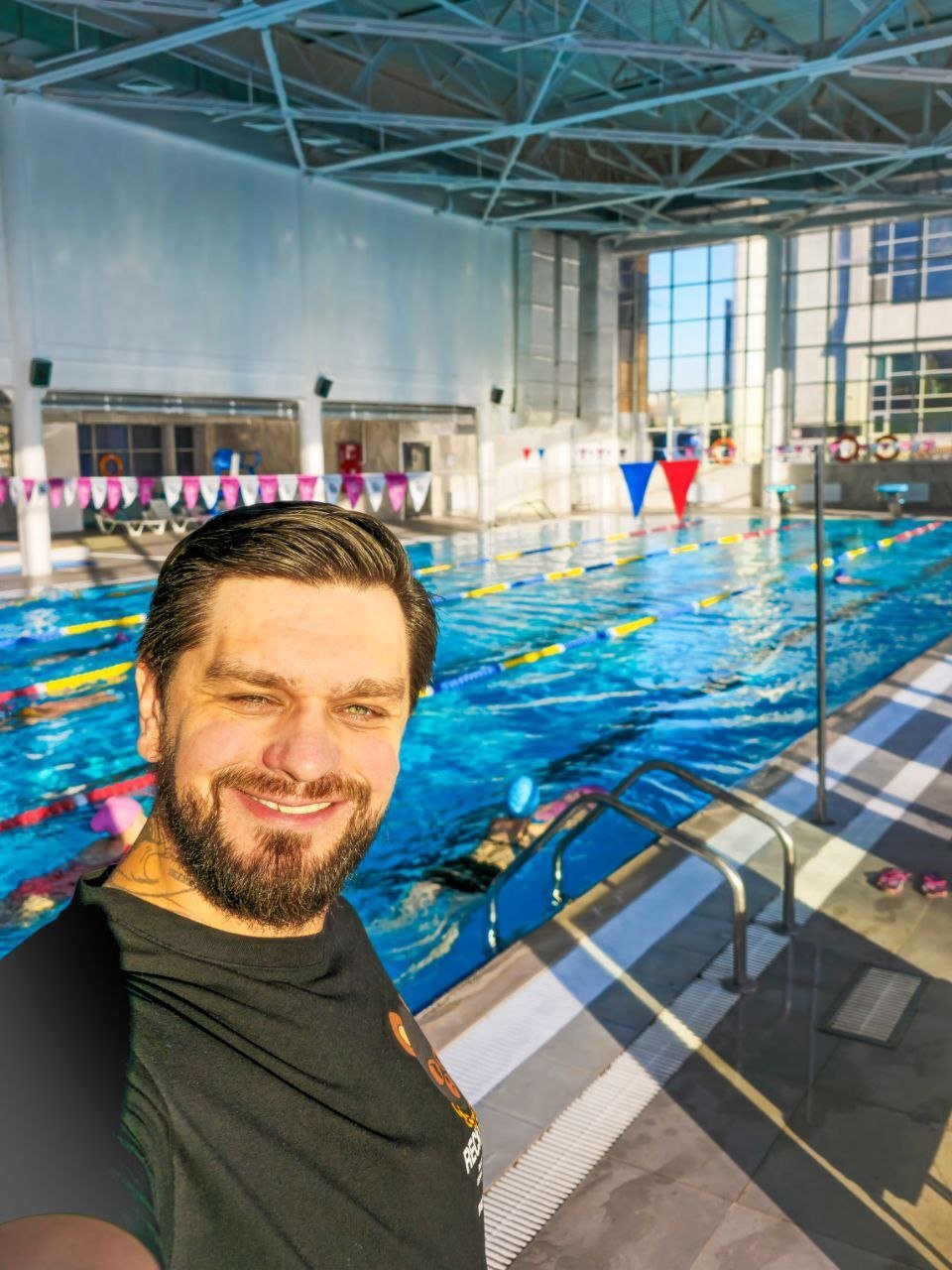
My biggest achievements, I suppose, are completing an Ironman and winning at the Oceanman World Final. I wouldn’t call that a world championship. At the World Masters Championships I finished tenth in 2024, in Doha, Qatar. That’s probably one of my strongest results. But I’ve won a lot of things all my life — I’ve always been a fairly active athlete. So I know the whole business from the inside: what an athlete wants, what they need and how to prepare.
03How did you come to organising competitions yourself?
— Sooner or later you realise that the impact you have on people isn’t enough for you to fulfil yourself completely. I always felt I was made for something bigger, something on a larger scale. Coaching 10–20 people is great, it’s brilliant, it changes people’s lives. But I wanted to change more lives. That’s how I realised I wanted to organise competitions.
We held our first swimming competition in 2014. After that I went back to coaching for a long time. Then in 2018 I came back to the idea that I wanted to organise events and started moving in that direction.
At first it was marathons, runs, indoor triathlons. Then the number of events grew and they became more varied. Our calendar now has 11–12 events. And those are only our own, the ones we run ourselves. We also organise events to order. Companies or federations hire us, and we can run an event entirely turnkey or take care of individual parts of it.
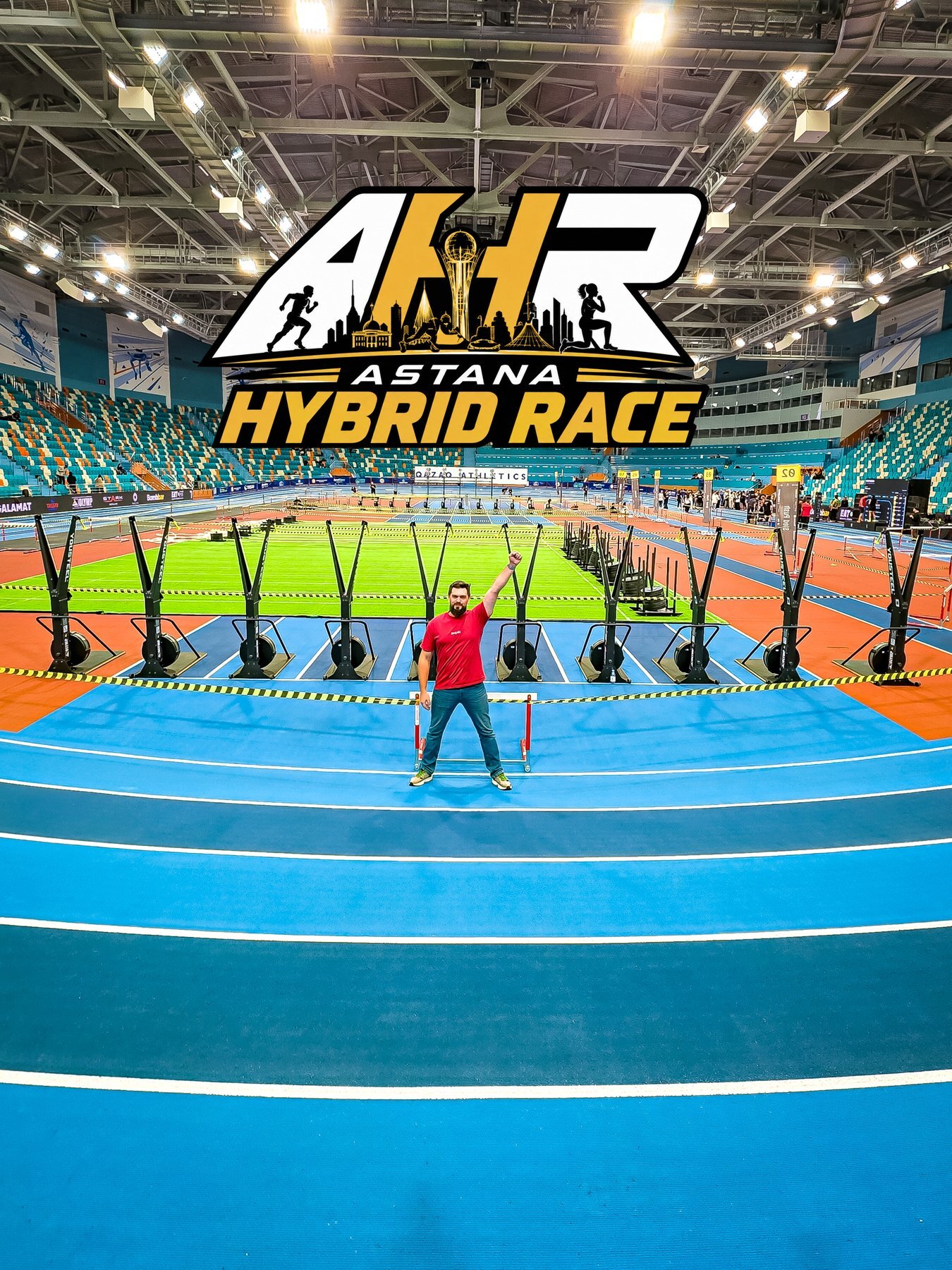
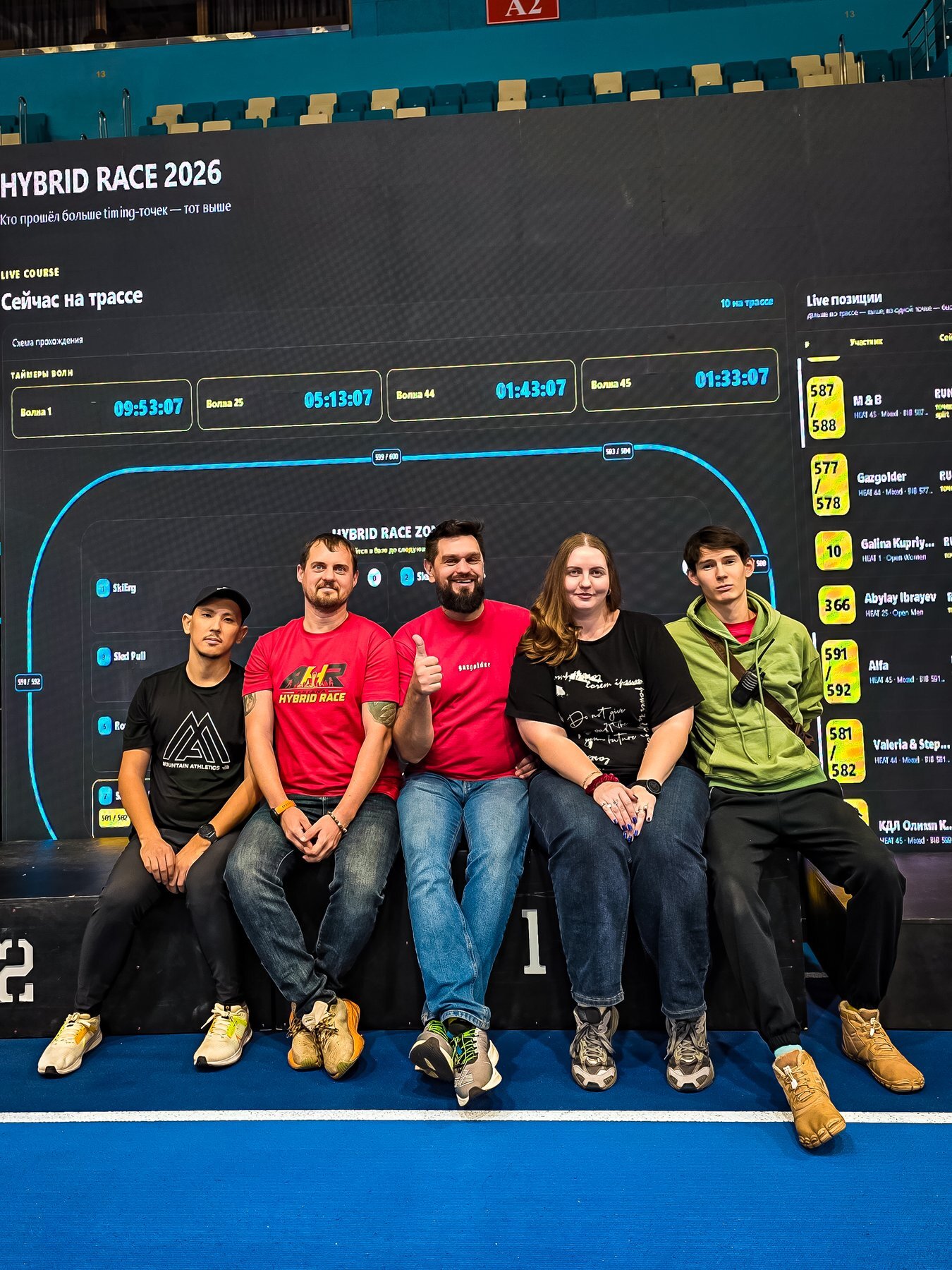
For example, we provided timing services at Hybrid Race Astana. It was interesting and very difficult. We love doing things nobody has done before. And I think it turned out brilliantly. All the results were recorded, the client was happy, the participants were happy. And I’m happy that our company works the way it should.
Coaching 10–20 people is great, it’s brilliant, it changes people’s lives. But I wanted to change more lives.
04What do you feel you are most today — an athlete, a coach or an organiser?
— I think it depends on the period of your life. You could call it a kind of split personality over the course of a lifetime. For a while I saw myself as an athlete and thought entirely like an athlete. Then I had to adjust and think like a coach.
As a coach, I tested a great deal on myself and developed different physical qualities. I swam for speed as an adult. At 28 I swam, I think, 24.30 in the 50 metres freestyle. Not a bad speed, really, for an old-timer.
I ran marathons, did a full Ironman and four or five halves. I know what endurance is first-hand. I went through all of it myself. I did functional training, CrossFit, powerlifting. In powerlifting I was just 15 kilograms short on the three-lift total of Candidate Master of Sport. For a while I taught Les Mills programmes and ran classes in yoga, flexibility and stretching. Whatever physical quality you name, I’ve been through it myself and tested it on myself.
I graduated from college as a “coach-teacher”, then did a bachelor’s degree in physical education and sport. After that I did a master’s in sports management and graduated from an academy in Astana. I also completed a research and teaching placement so that I could teach, share my experience with students and train new sports specialists. For five years now I’ve been running courses for swimming coaches, instructors and managers.
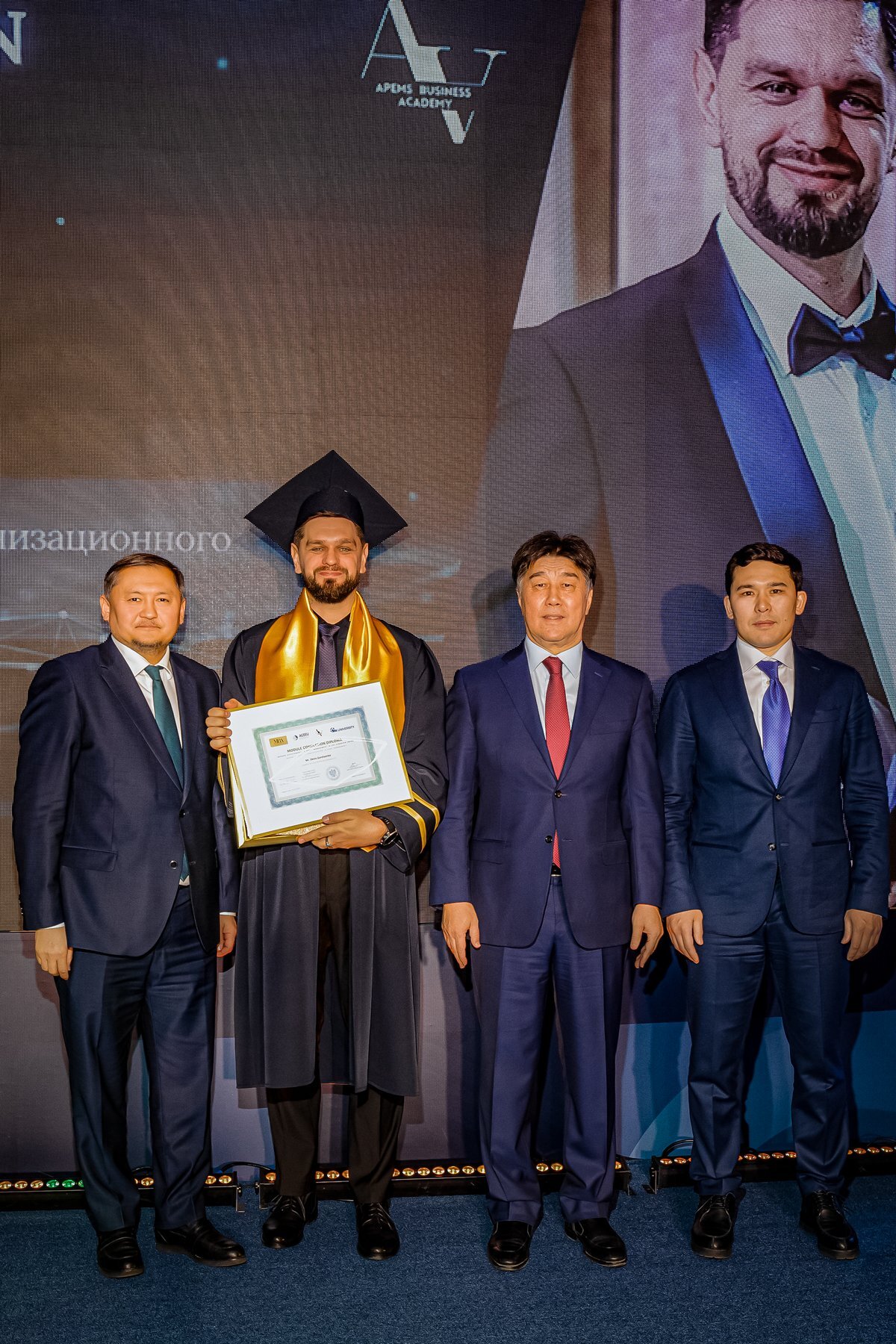
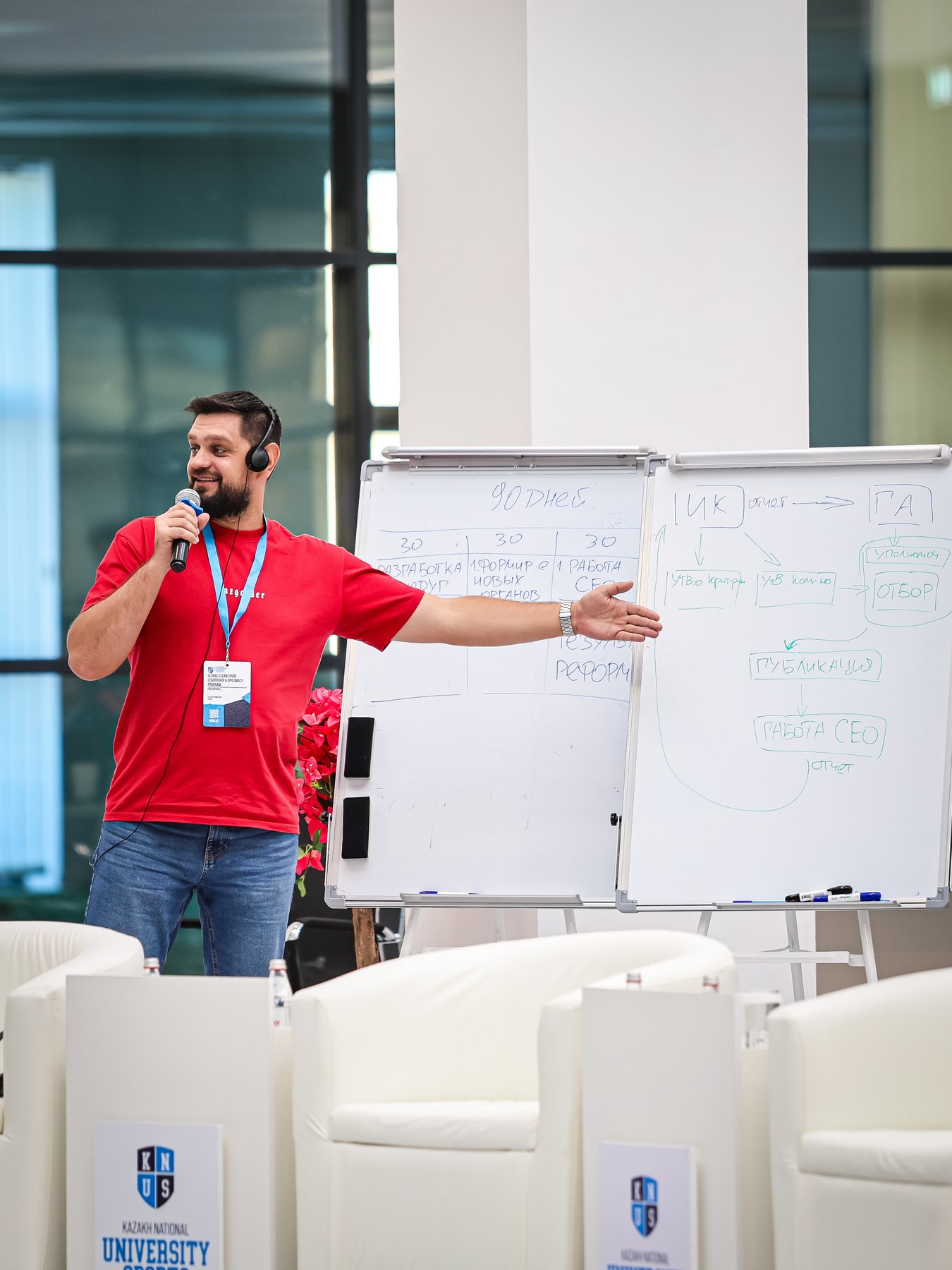
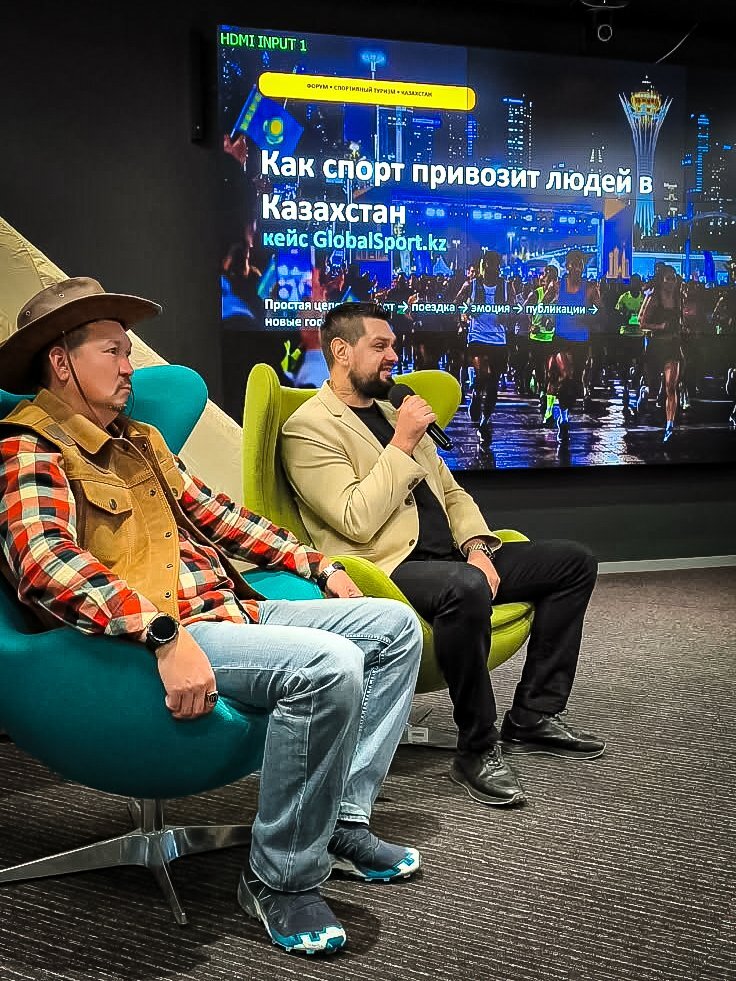
My experience as an athlete helped me as a coach. And now my coaching experience helps me as an organiser. I know our clients, I know who they are and how they come to us. And it’s very easy for me to stay in touch with coaches.
“You want to show what you’re worth”
05Why do adult amateurs come to competitions?
— I think it’s, first of all, self-expression. It’s something people simply lack these days. They go to work, they have families, they have a standard life, so even, so predictable. And they want some kind of self-expression, they want to show what they’re worth, that they deserve to place, to set records.
And now all of that is accessible. We hold our competitions as part of the Kazakhstan Swimming League. It’s a series of competitions with consistent, clear rules, where professionals, amateurs, children and beginners compete separately. Each division has its own records and standards you can meet. There is Master of Sport of the Kazakhstan Swimming League, Candidate Master of Sport of the League and so on.
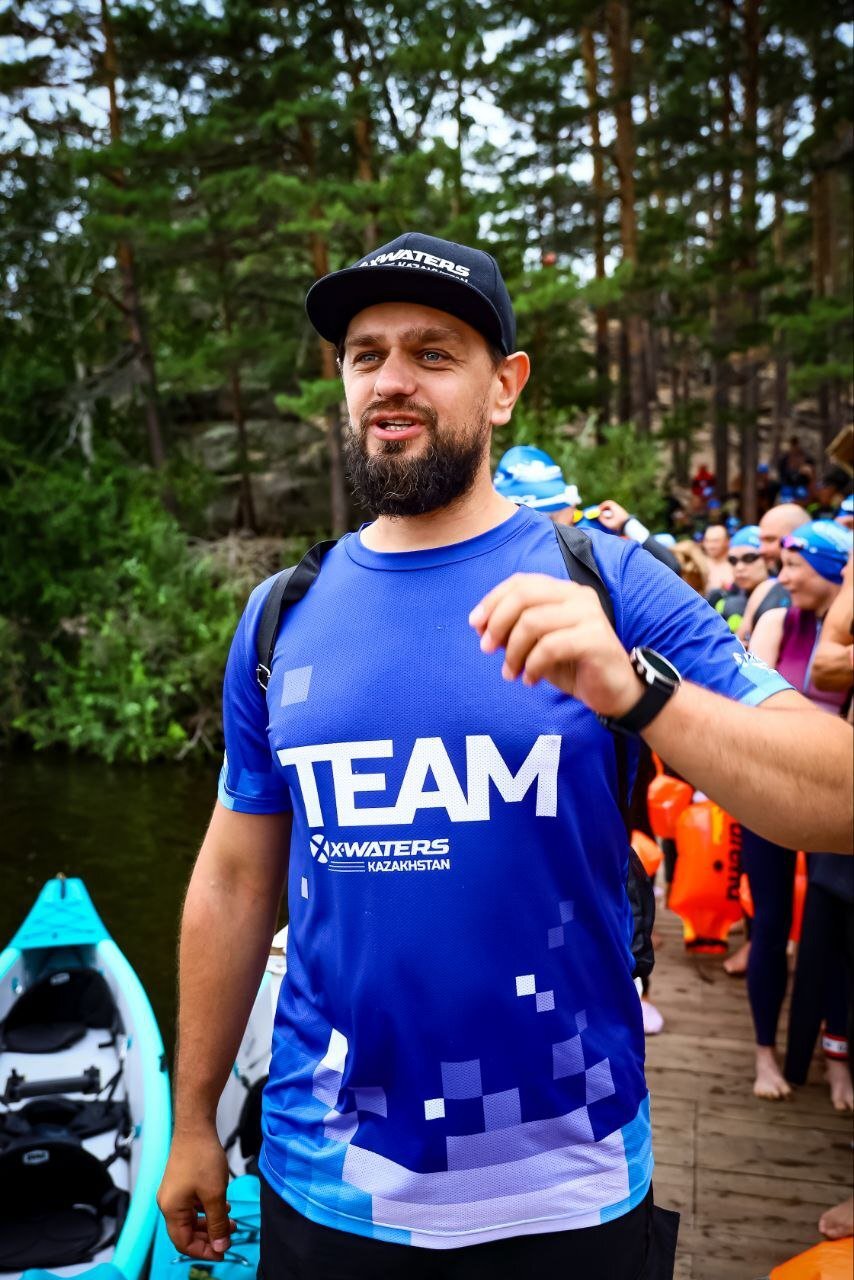
06Who comes to your events? Are there really more beginners?
— I went through our competition statistics since 2022. I looked at age groups, cities, participants’ results. And the trend I found is that there are fewer “old-timers” every year and more and more beginners.
You can also see that swimming is getting younger — there are more young participants. The share of older participants is being diluted. I wouldn’t say there are fewer of them, but their share is shrinking because there are more younger ones.
You want to show what you’re worth, that you deserve to place, to set records.
07And what should someone do if they keep putting off their first race because they think they’re too slow?
— We have a Pro division where professionals compete. They are also split into active athletes who are still training and former ones who haven’t competed anywhere for five years. The next division is Semi-Pro, which is for amateurs. It’s the biggest division. These are people who enjoy swimming but have no professional sporting background. Kids is for amateur children — also a very large division. And there’s Open.
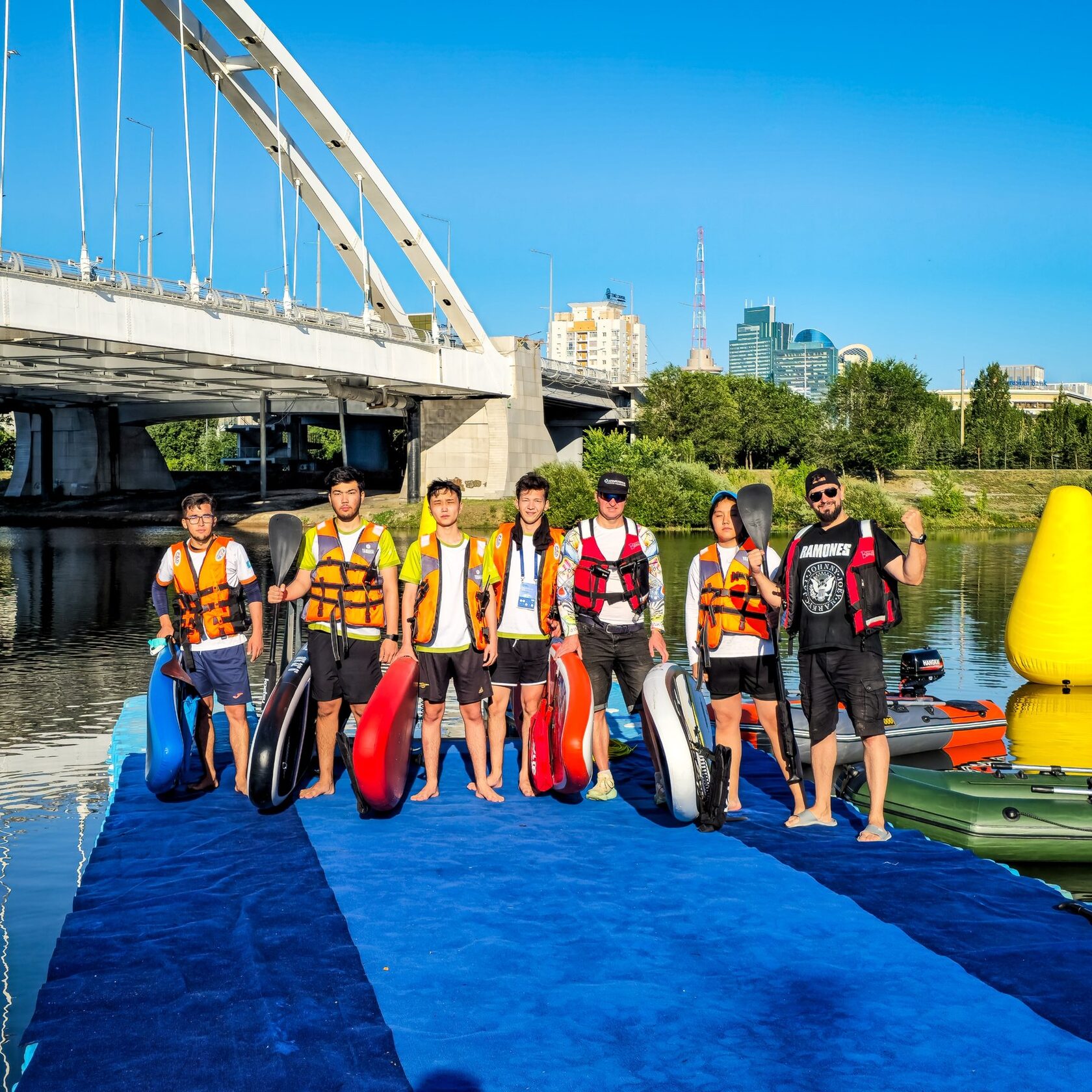
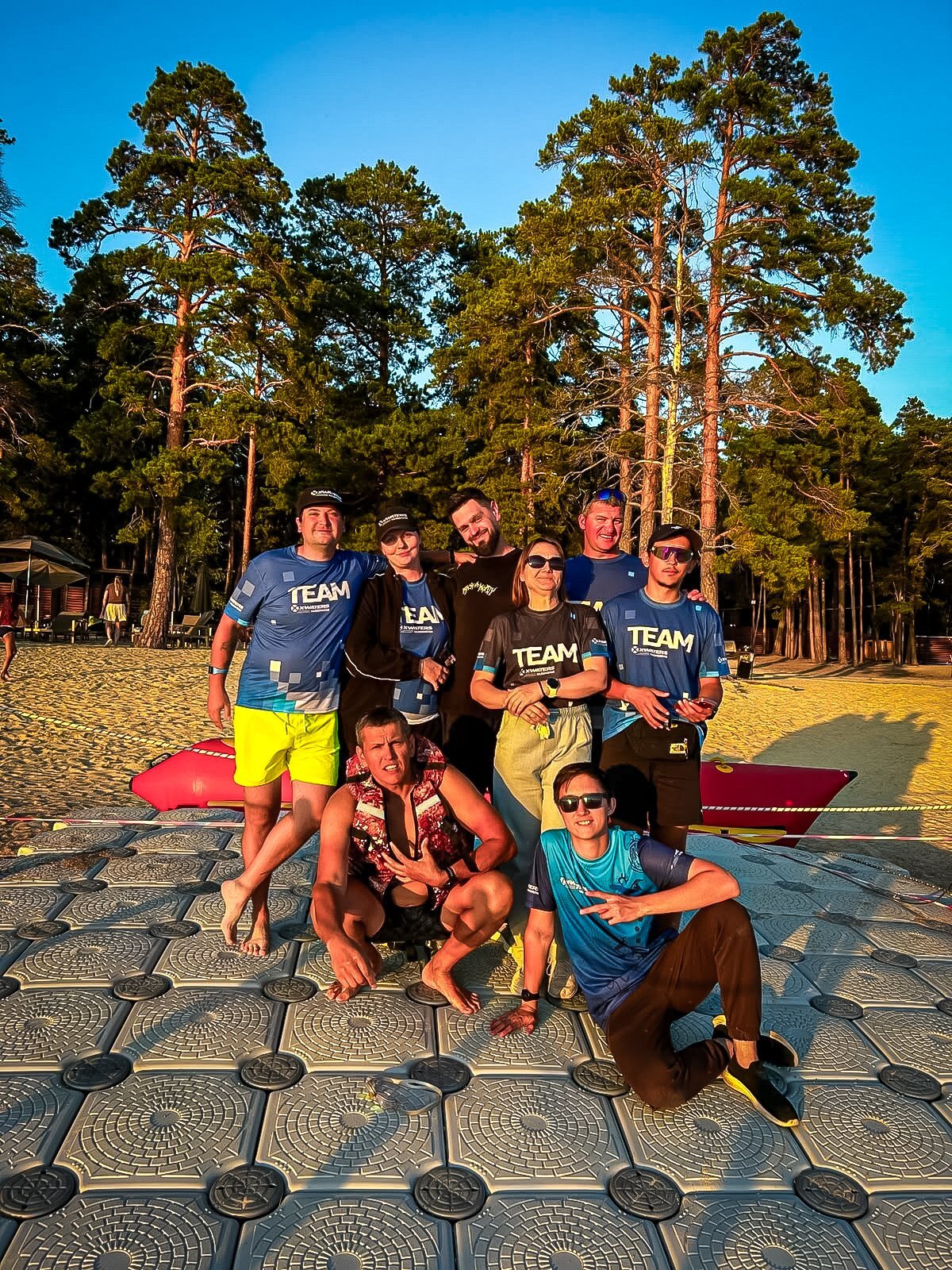
Now, about people being afraid and putting off their first race because they’re slow. These days that doesn’t really matter. People like that meet our standards too. If someone has been training for three months, they get the third amateur grade. If they’ve trained for six months and competed once, the second. If they’ve trained for nine months or more and competed at least twice, the first. After a year of training they move up to Semi-Pro, carry on and start working on their results.
With this system we’ve built a clear, understandable path for every participant. From their first visit to the pool to records, standards and titles. For example, at the Swim Cup we crown a king and queen of the Cup. We create moments like these so that people’s sport becomes exciting.
“Half of Kazakhstan knows my phone number, I think”
08Why can participants message or call you directly?
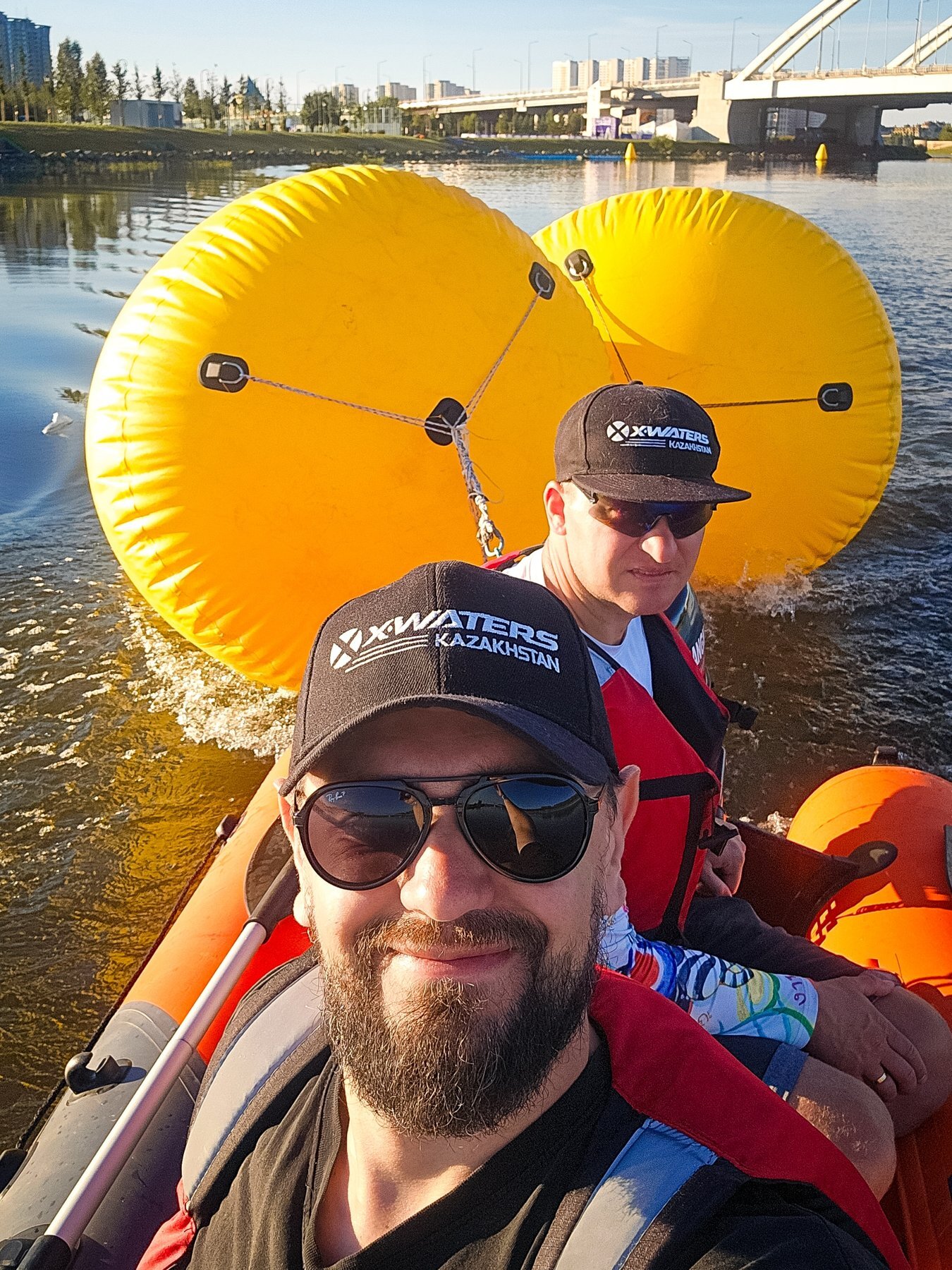
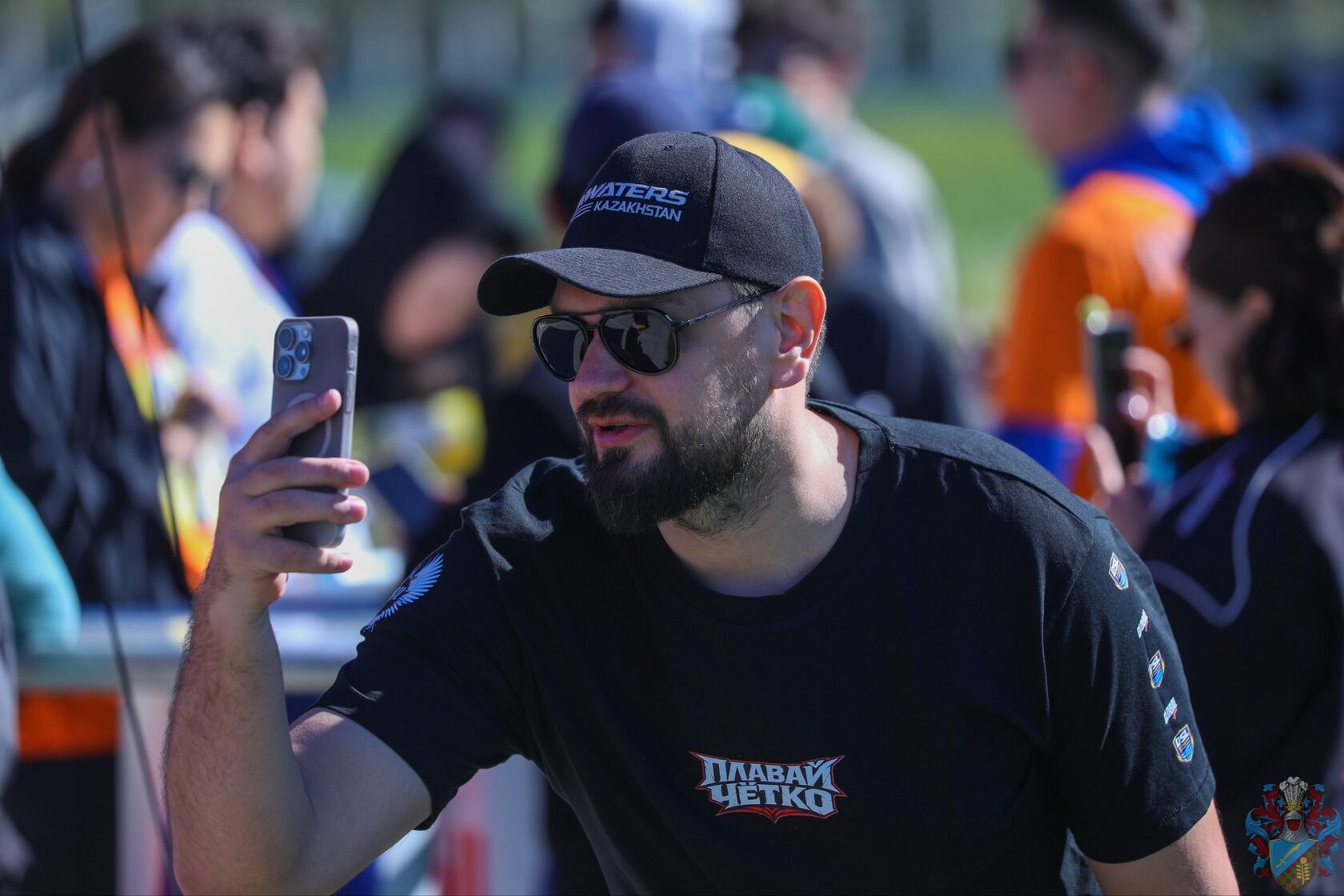
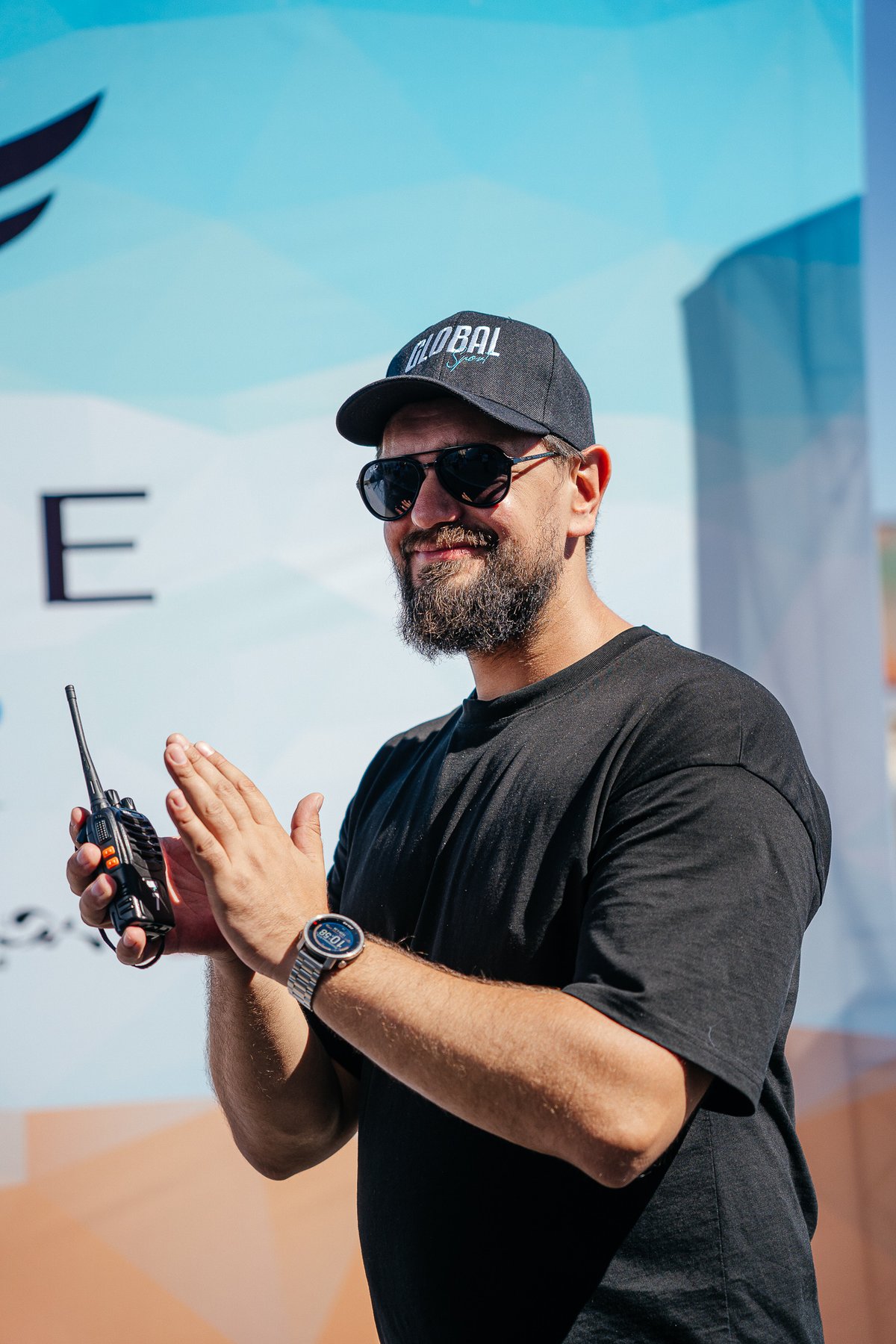
— We chose this strategy — to be one of the guys. To be the kind of friend you can always message or call. I know organisers who don’t publish their phone number anywhere. But half of Kazakhstan knows my number, I think.
Sometimes it gets absurd, when people call at night or write to ask completely silly, pointless questions. People don’t usually message a company director to ask whether they can come to pick up their race pack 15 minutes early. But I try to answer everyone. And I try to keep the atmosphere positive.
09What has been your hardest experience in organising events?
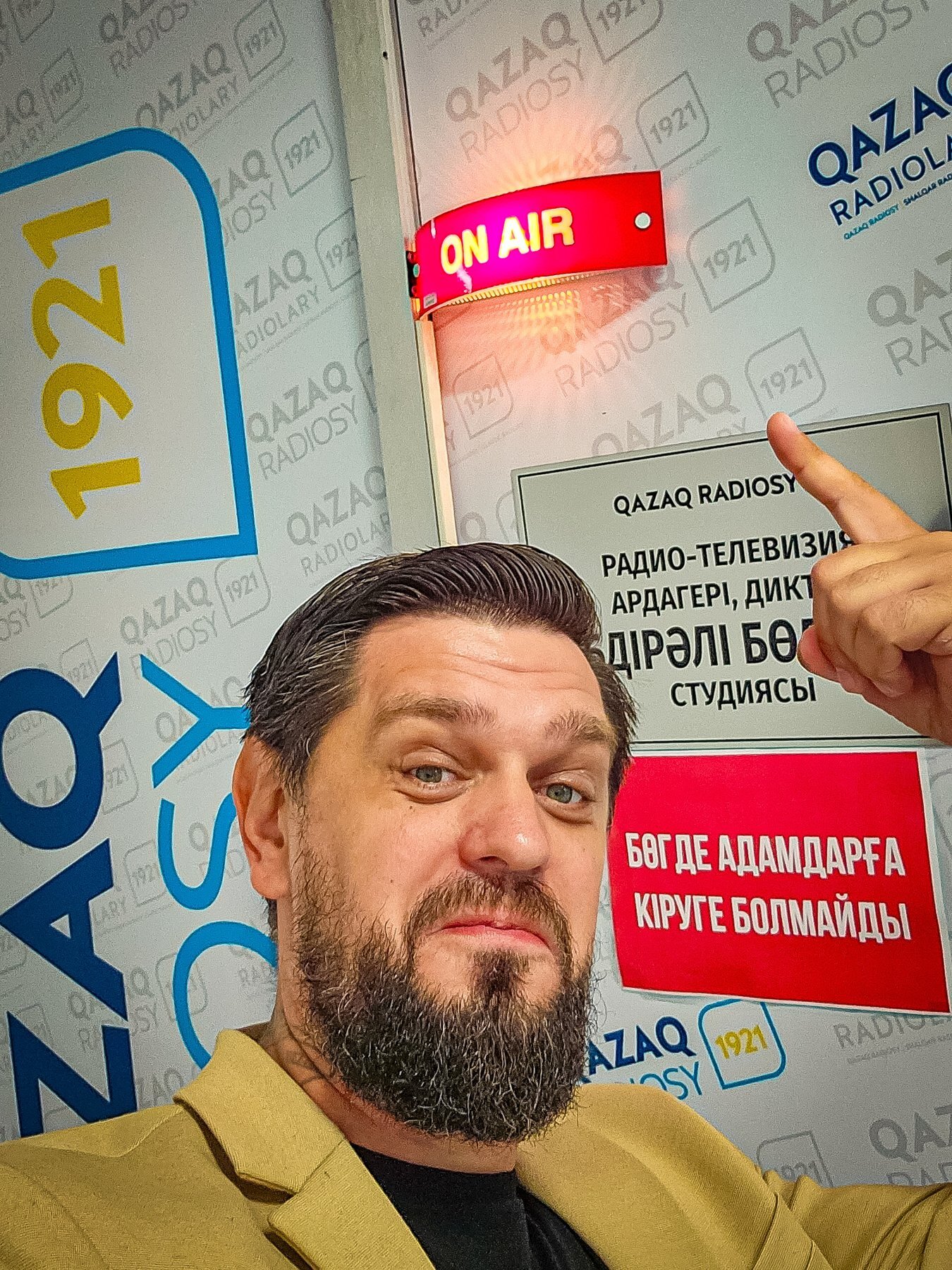
— As organisers we’ve come a fairly hard way. From the moment we put the organisation together and started working, then the death of that organisation, and a relaunch under different names with completely different people. It was costly experience that we earned through our own bumps and bruises. But it was interesting. I don’t regret anything. I think it was worth going through all of it to end up where we are now.
10What does a sports event organiser need to be able to do?
— It’s basically standard management. You definitely need risk management. You need to understand what might happen and what options there are for dealing with those situations. Budget properly, run the company and the team. Be a leader. That’s very important.
11How do you deal with burnout?
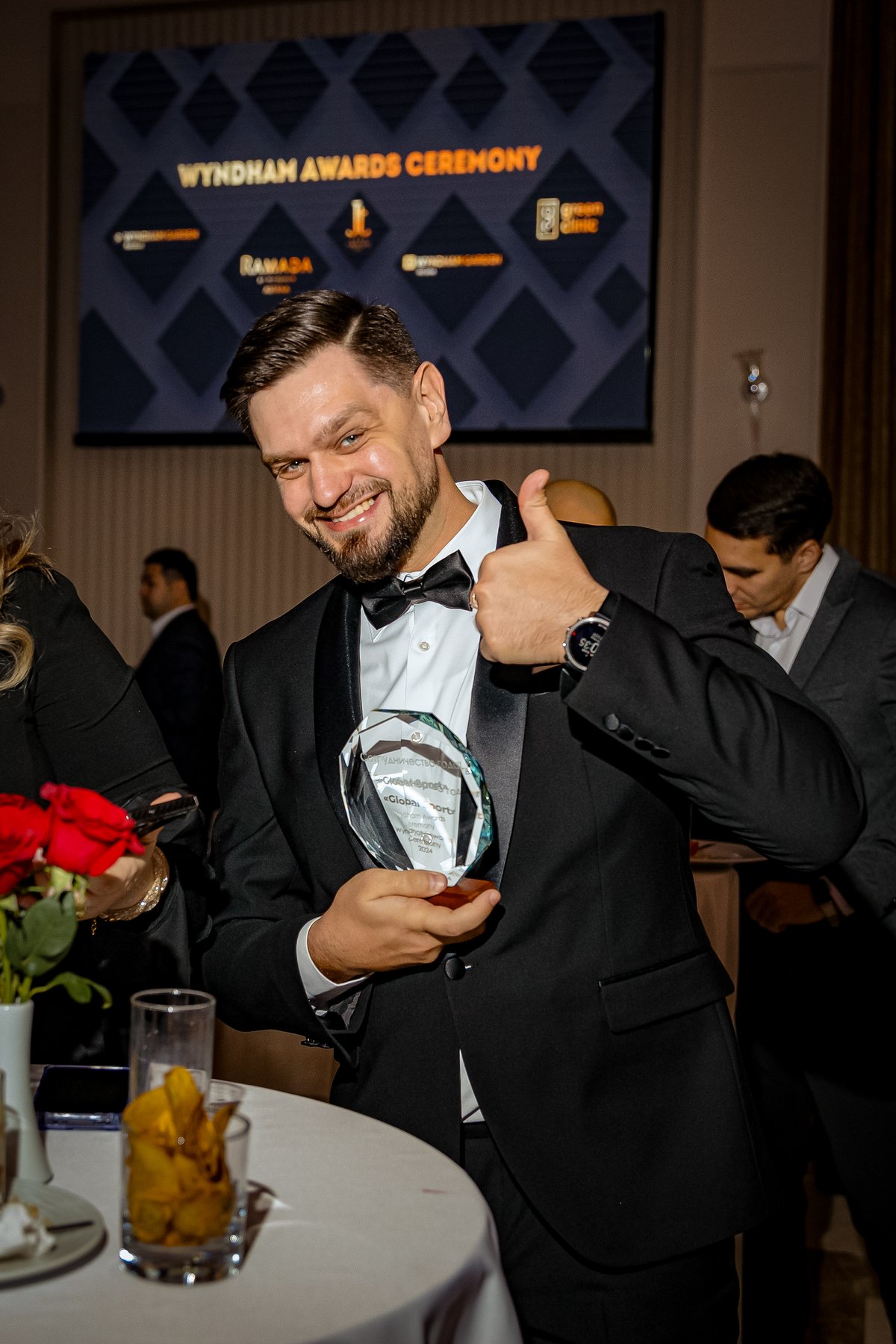
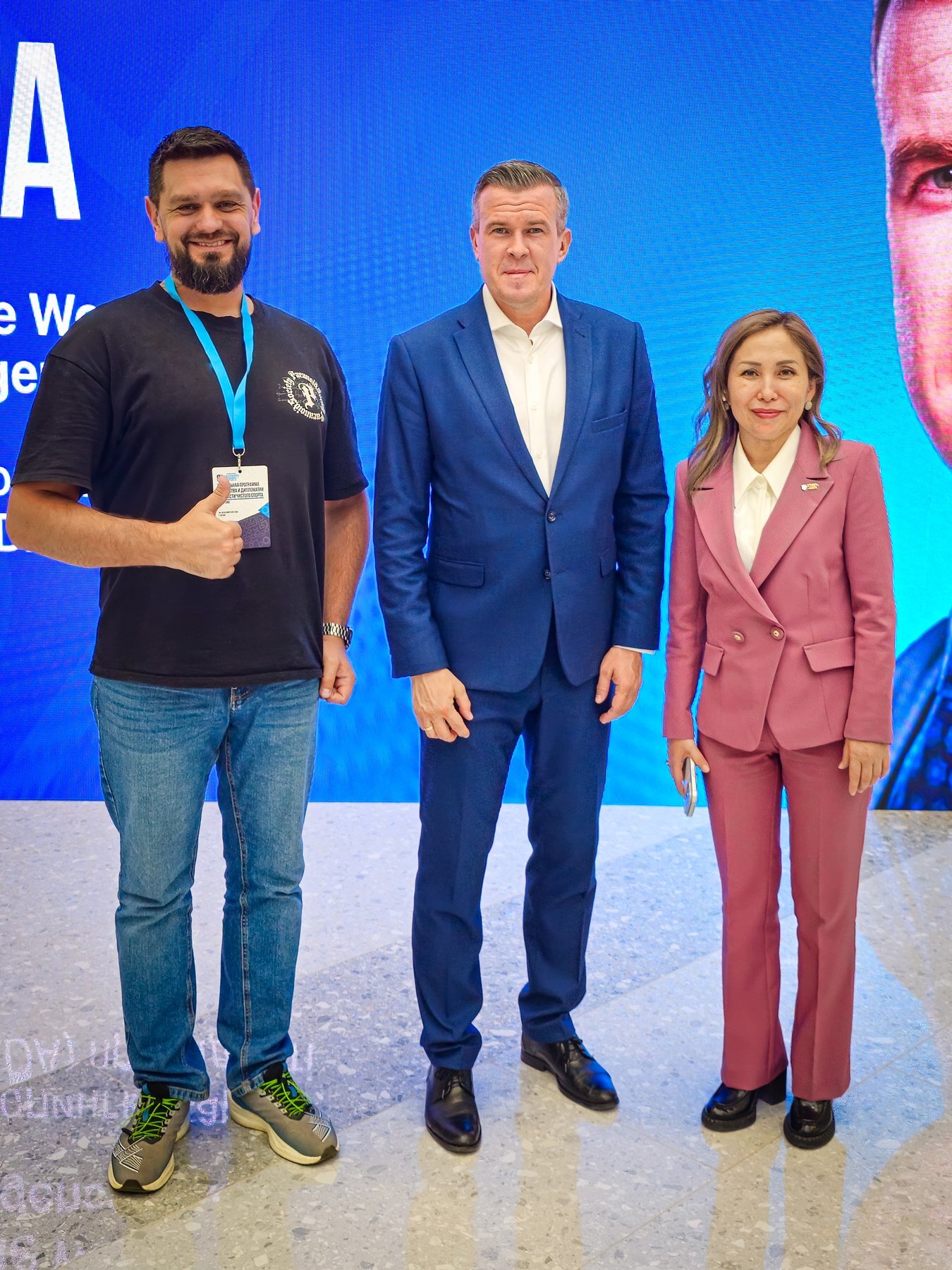
— To be honest, we burn out from time to time. I don’t think a person can always be some perfect superman who never gives up. We’re ordinary people; every one of us burns out, things get hard.
Sometimes we just step away from it all for a month, do something else, take our minds off it. But then we come back, because we understand that this is ours. And who, if not us? Without us nobody will do it, it will fade away. That’s why we always come back.
Over time you develop a kind of immunity to stressful situations. In the early years I worried about lots of things. But experience builds up, and if you’ve already been in situations like these, it’s hard to surprise you. You know how you’ll act, and you understand that it’s impossible to do anything without some screw-ups. Although sometimes a competition goes off absolutely flawlessly. Rarely, but that happens too.
12What does a “second wind” mean to you?
— In sport a second wind can come more than once. In the same race — three, four, five times. When I did my Ironman, I felt that very clearly.
And in just the same way, I think, in life and at work anyone’s second wind can come literally every day. It depends more on your attitude to all of it, on how much you need it.
A person who wants their second wind to come — it will come, no question. And one who gives up and doesn’t need it — nothing will help them any more.