“Not to prove something, but to live it”
At 20 we make plans, at 30 we try to get everything done, and after 40 we sometimes ask ourselves seriously for the first time: “What do I actually want?” But do we really need a crisis, a career change or a marathon to get there?
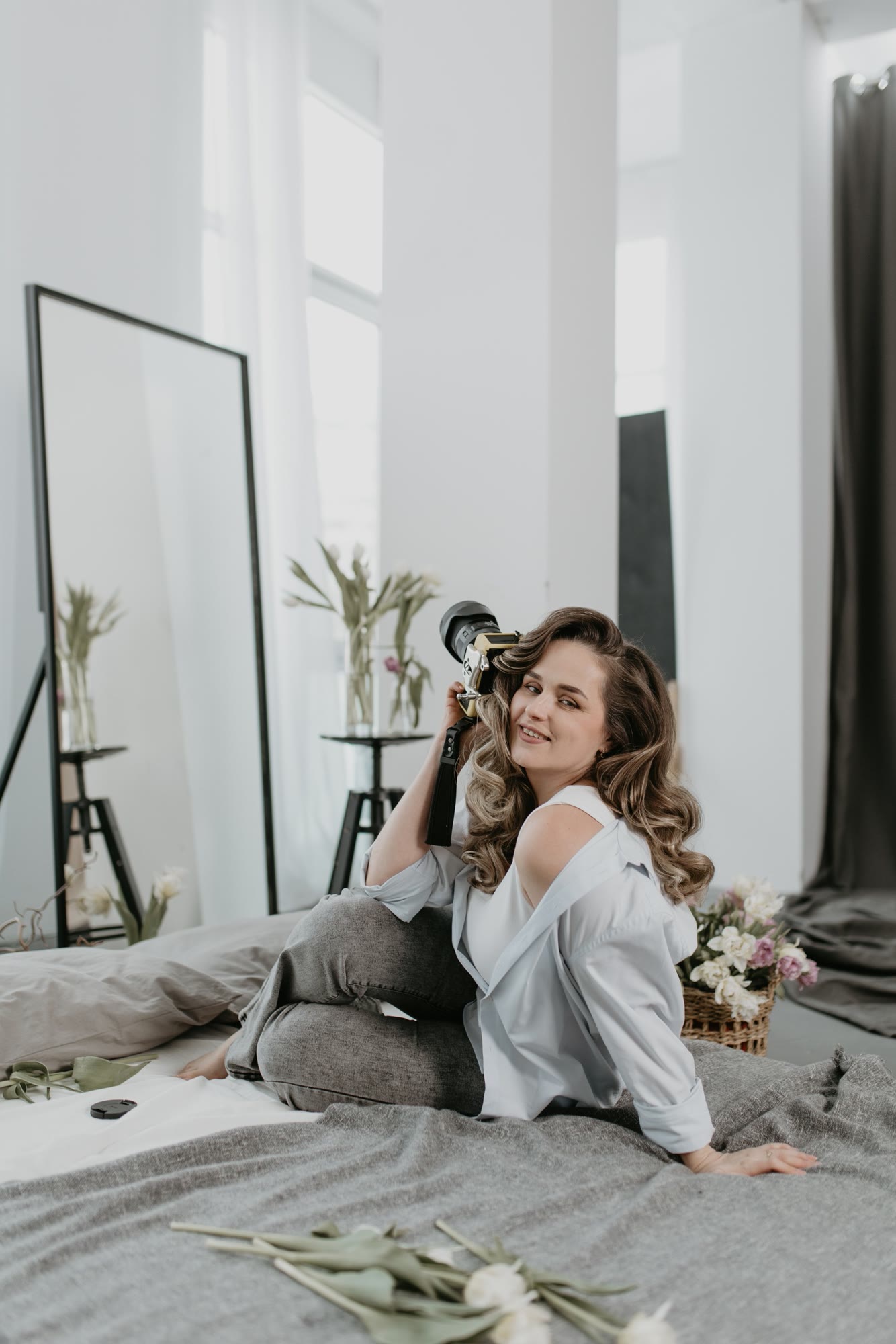
Olga Pankova, a photographer and newly practising psychologist, is convinced that a second wind doesn’t have to mean big changes. Sometimes it’s enough to stop comparing yourself to others, notice what you are capable of and allow yourself to live not only from a place of “I have to”, but also from “I want to”.
“I became interested not only in how a woman looks in a photo, but in how she feels”
01Olga, tell us a little about yourself. What do you do today?
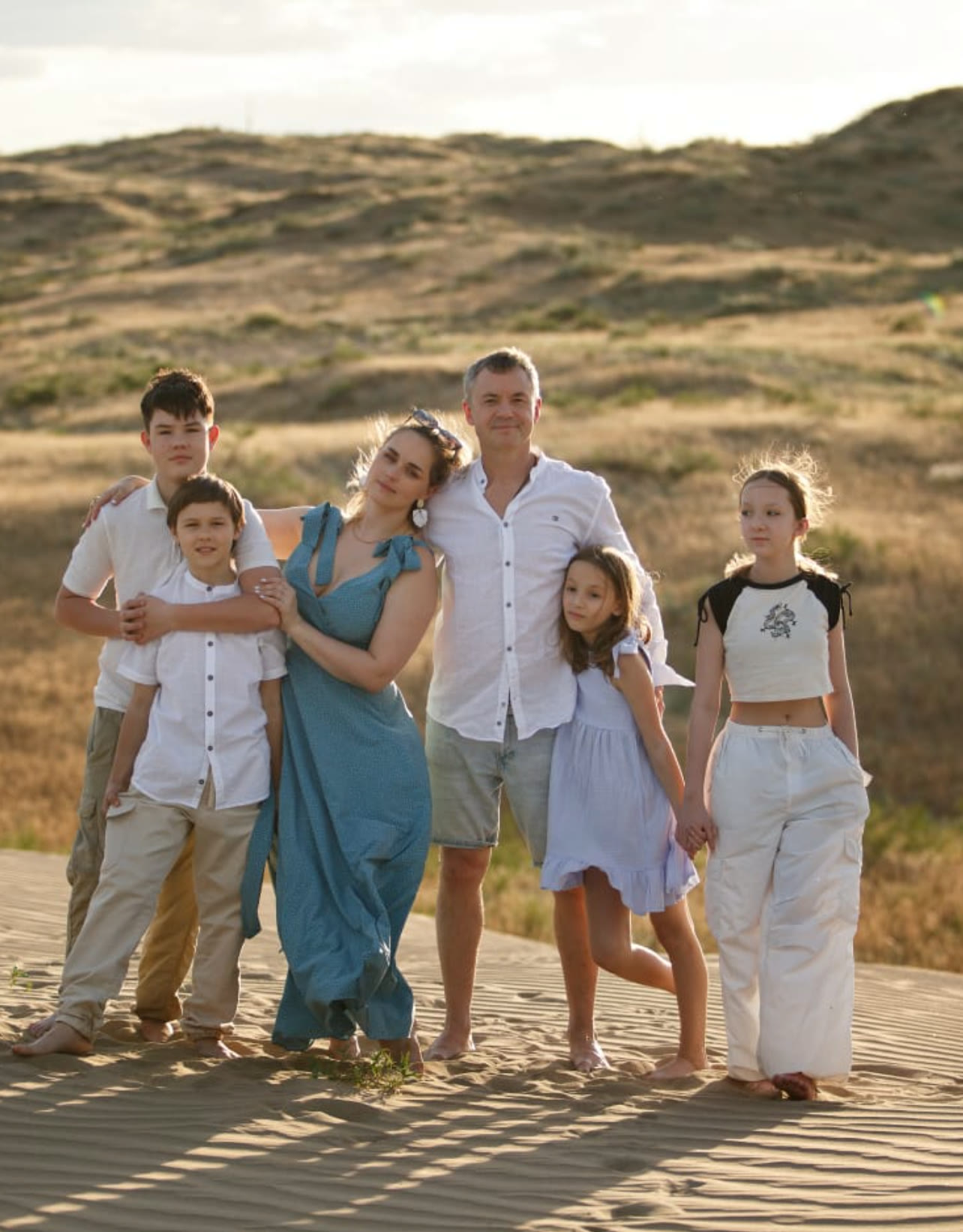
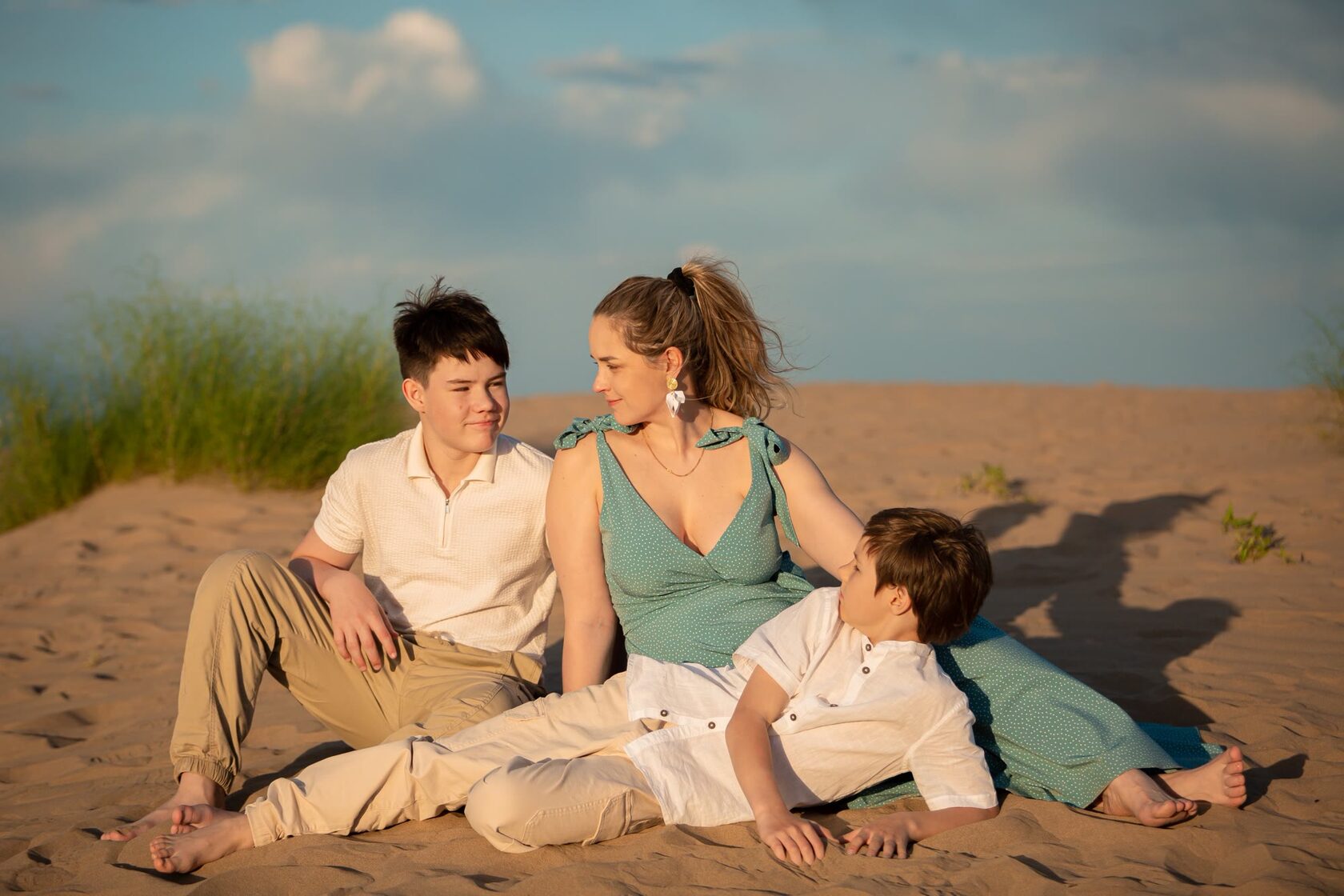
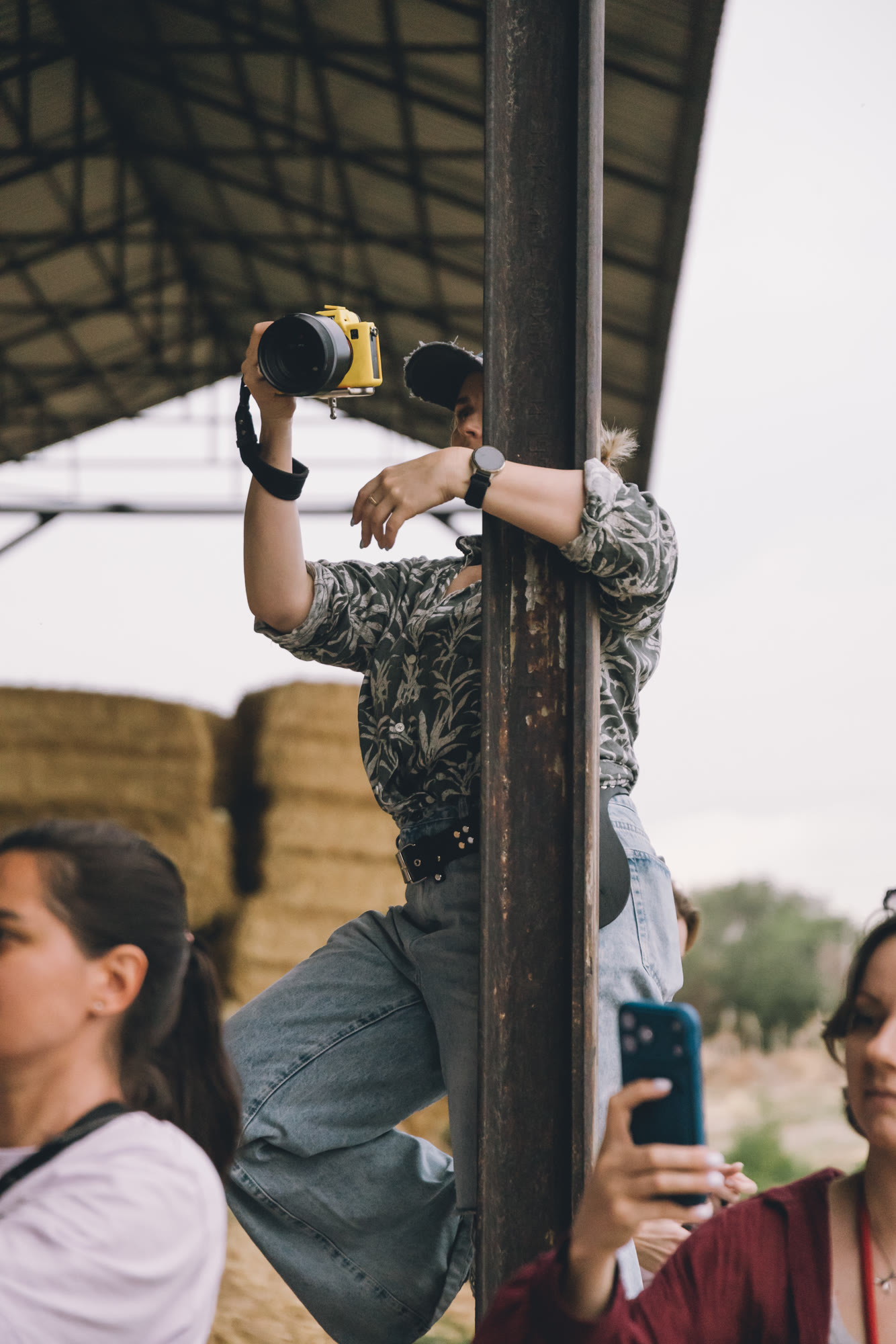
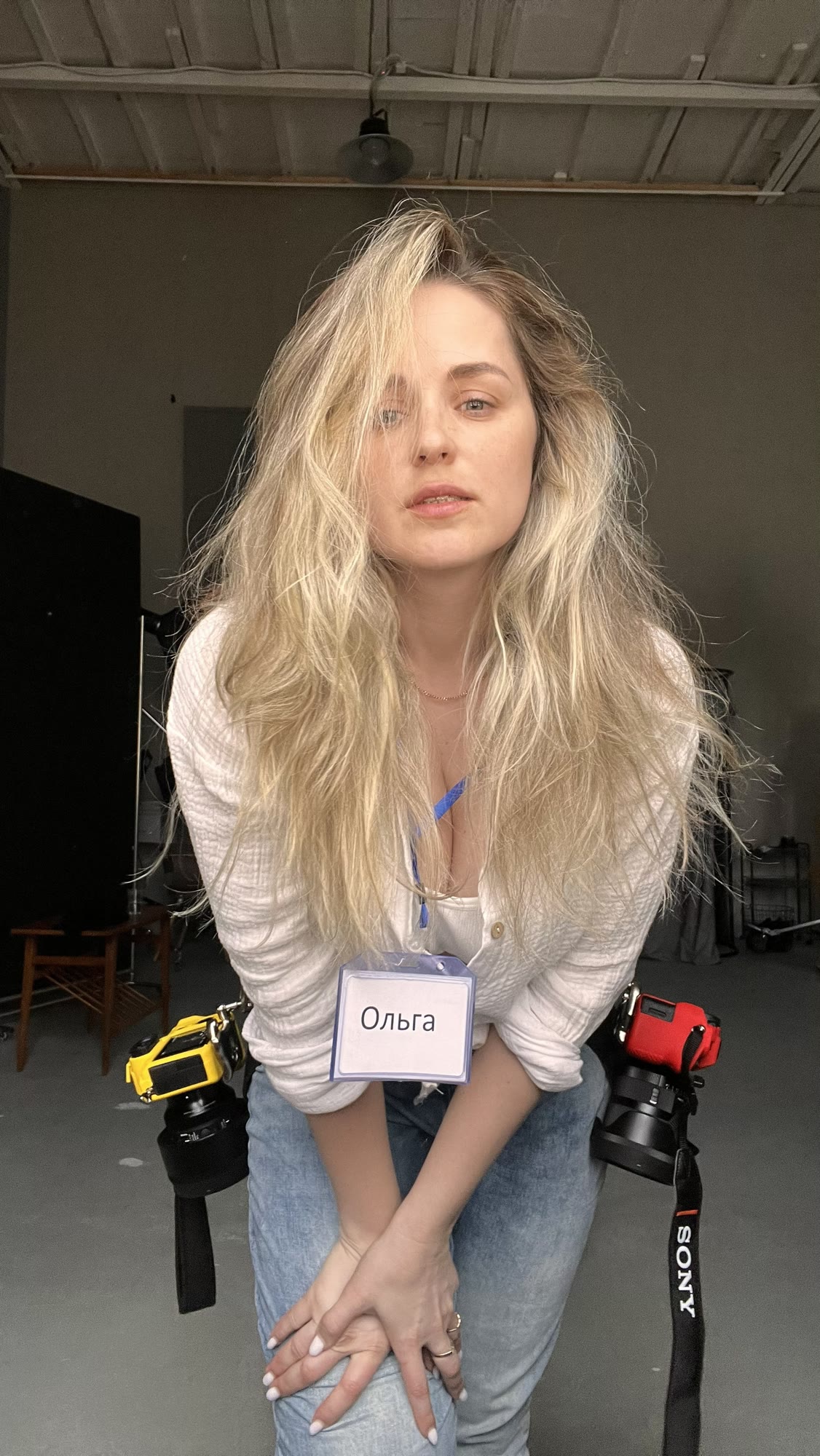
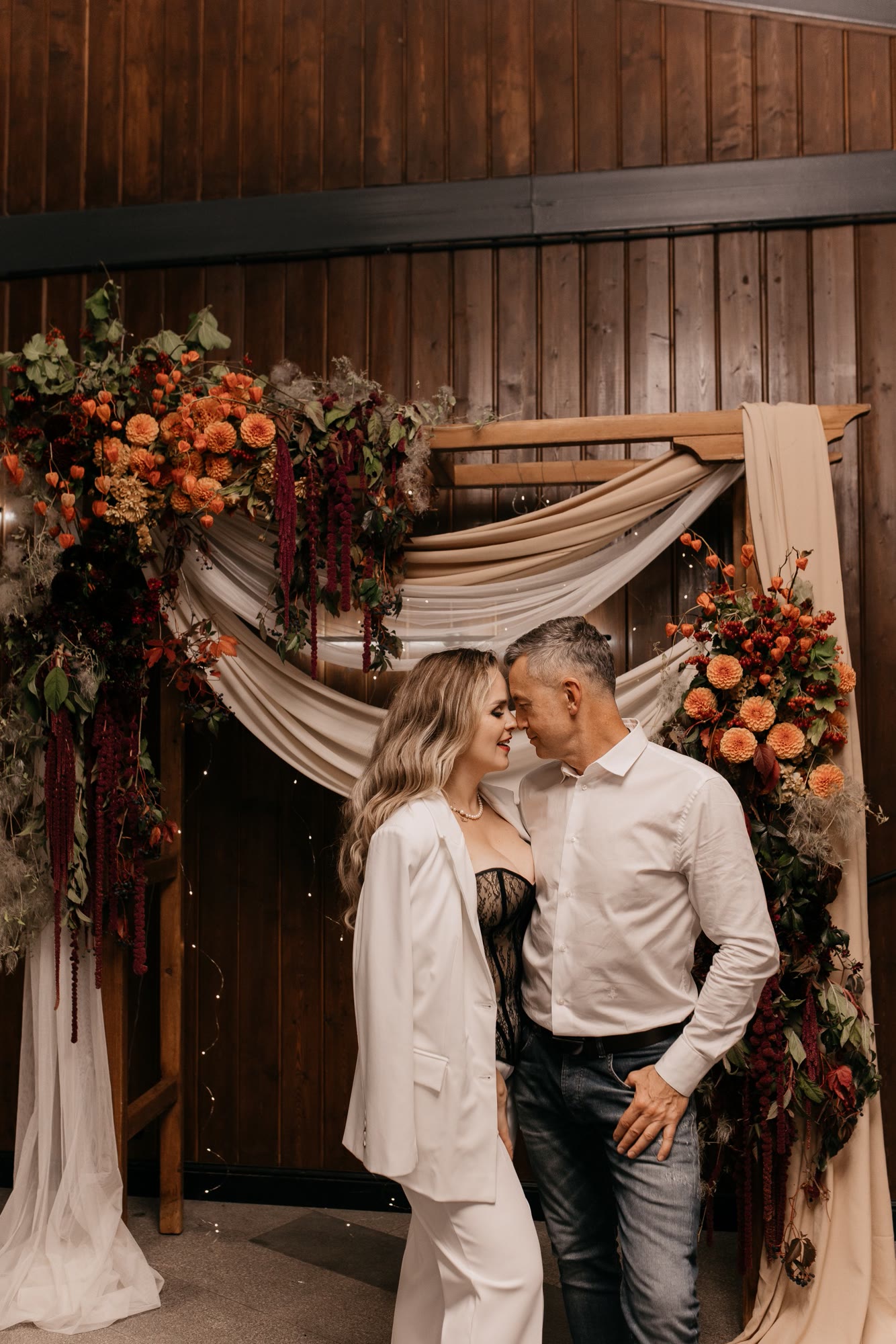
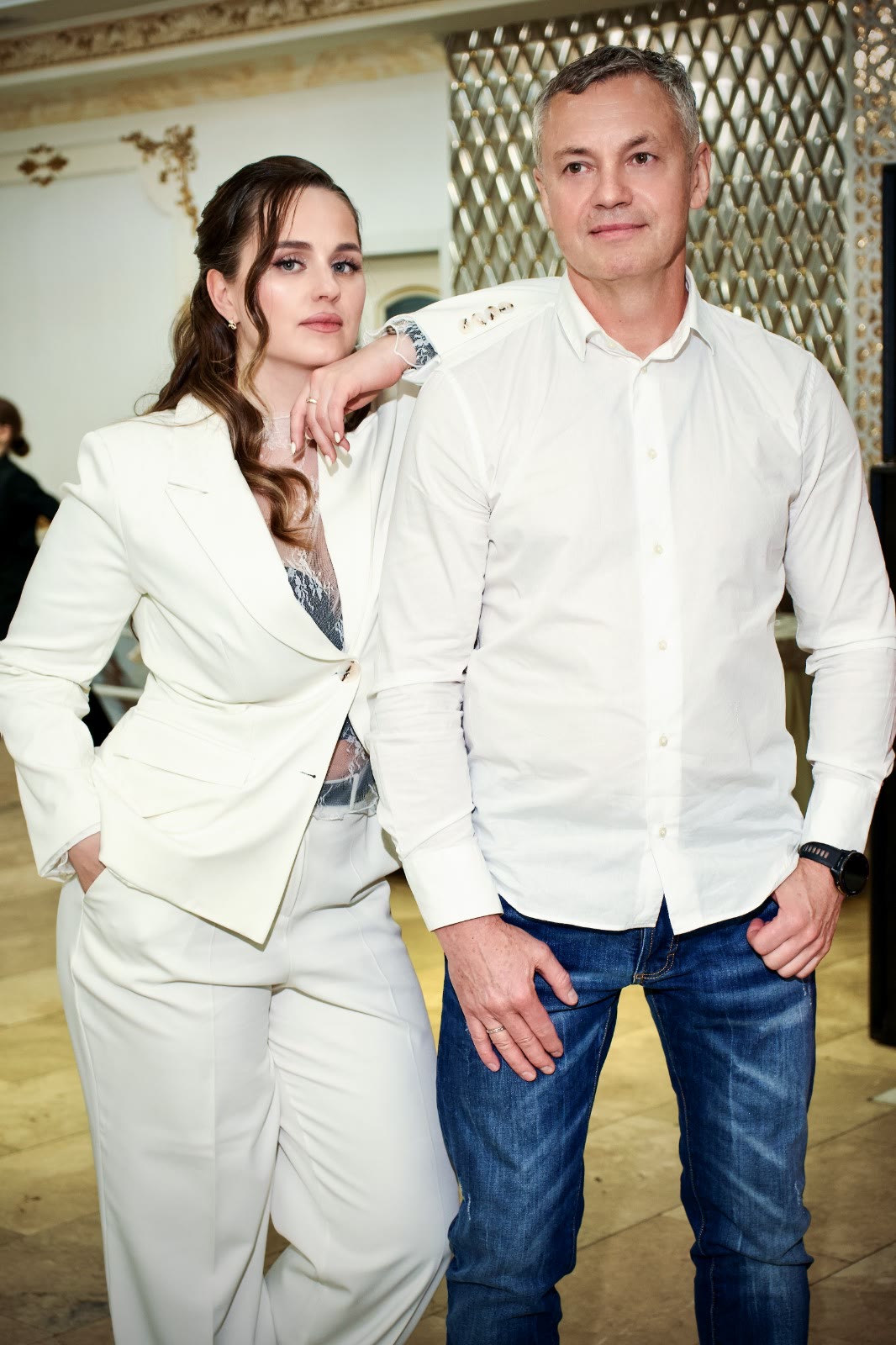
— I’m 40. I’m a mother of four, a wife, a photographer and a newly practising psychologist.
I’ve been doing photography since 2009. But over time I became interested not only in how a woman looks in a photo, but also in how she feels when she looks at herself. That’s how psychology came into my life, and now I’m gradually bringing the two together — working with women through psychology, the body and photography.
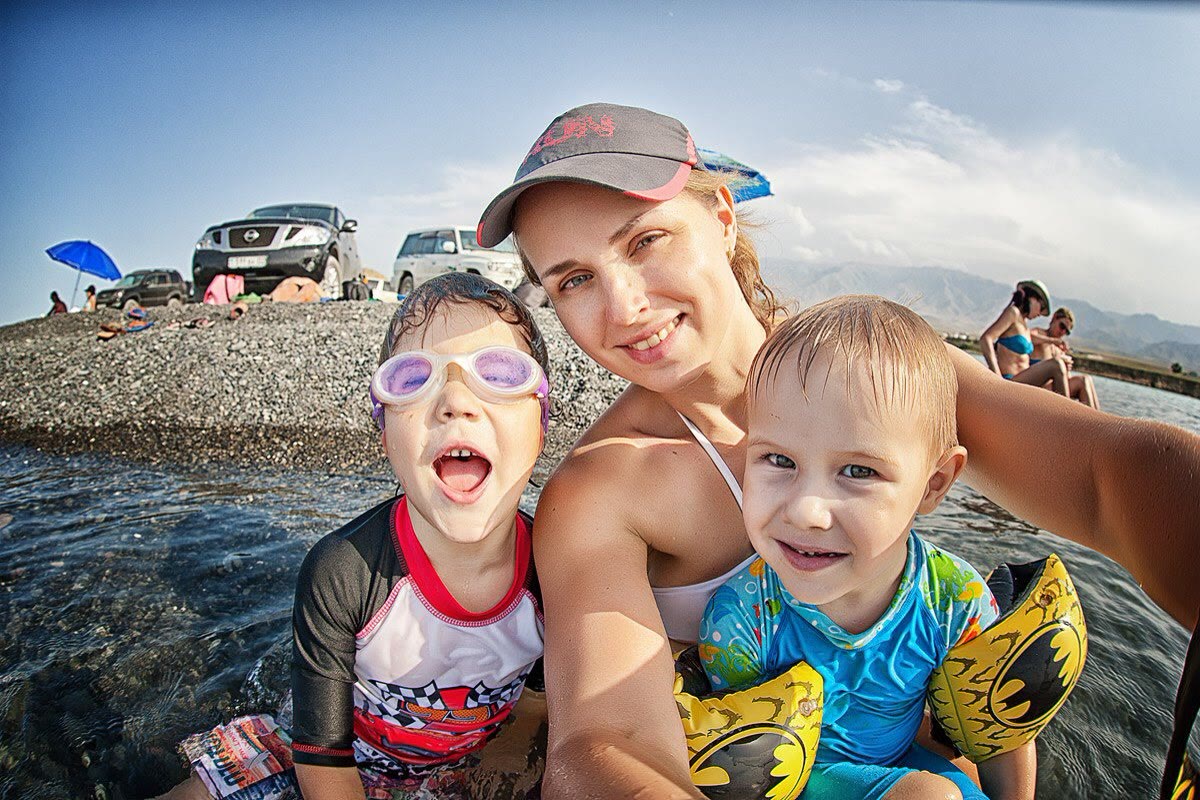
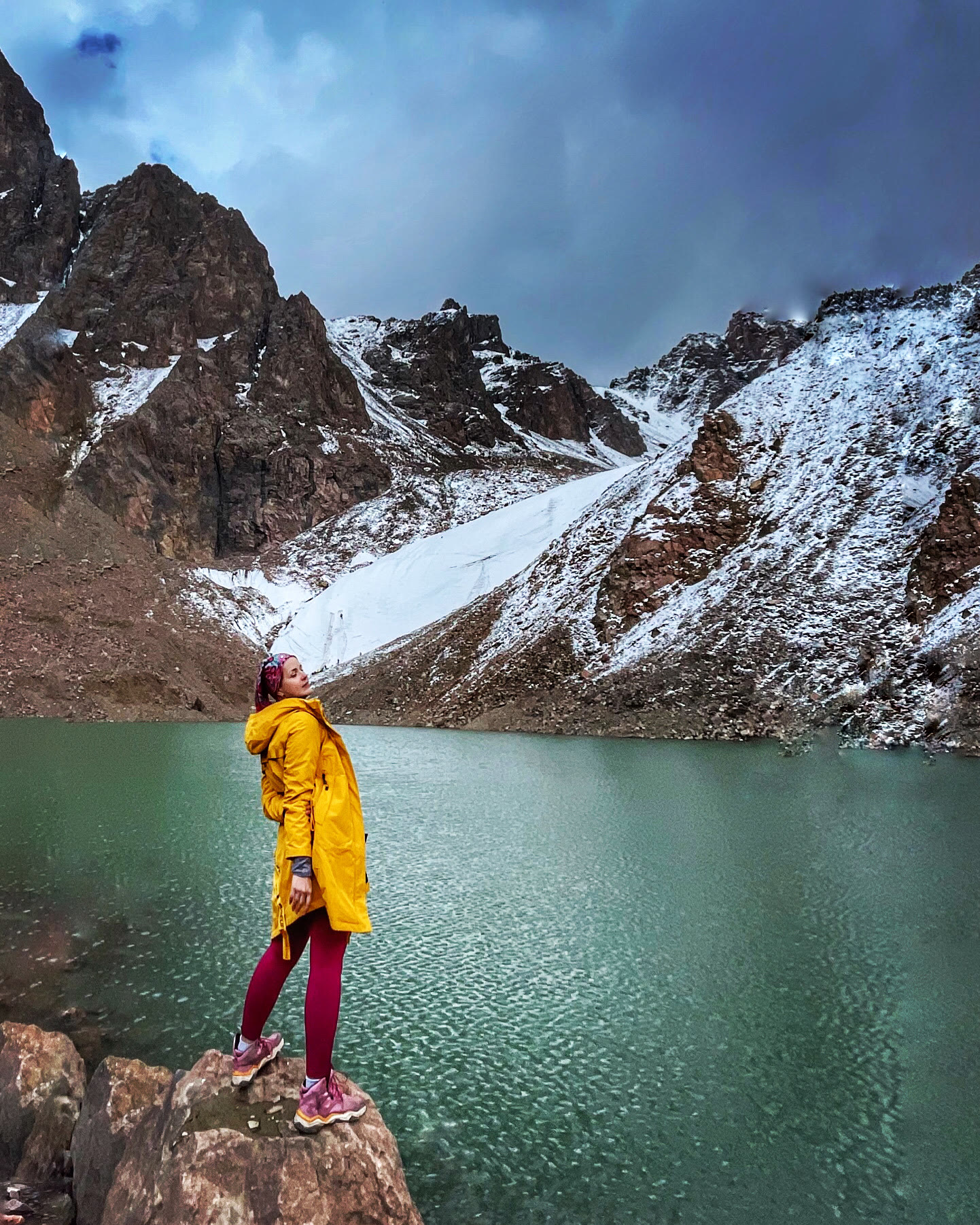
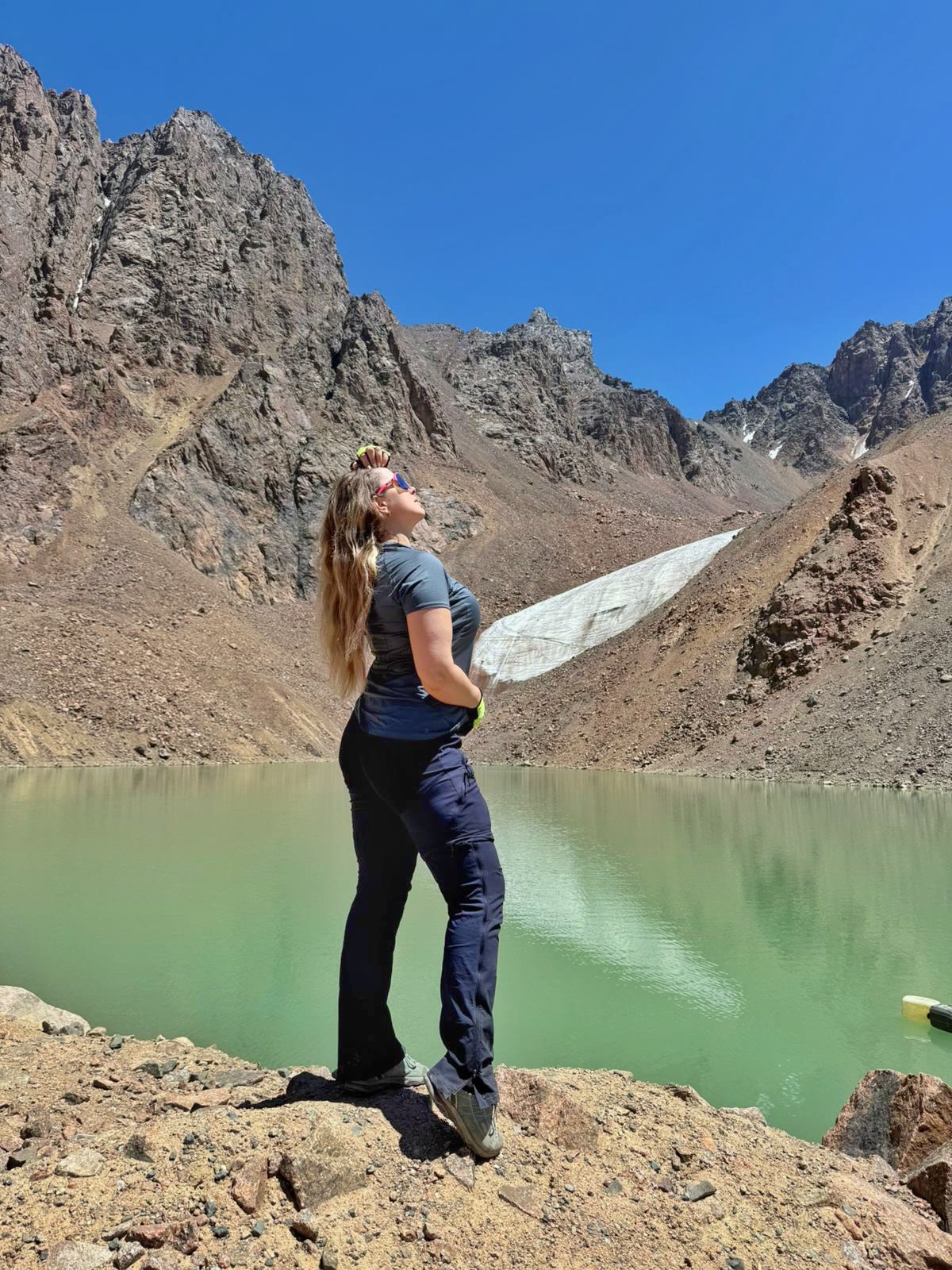
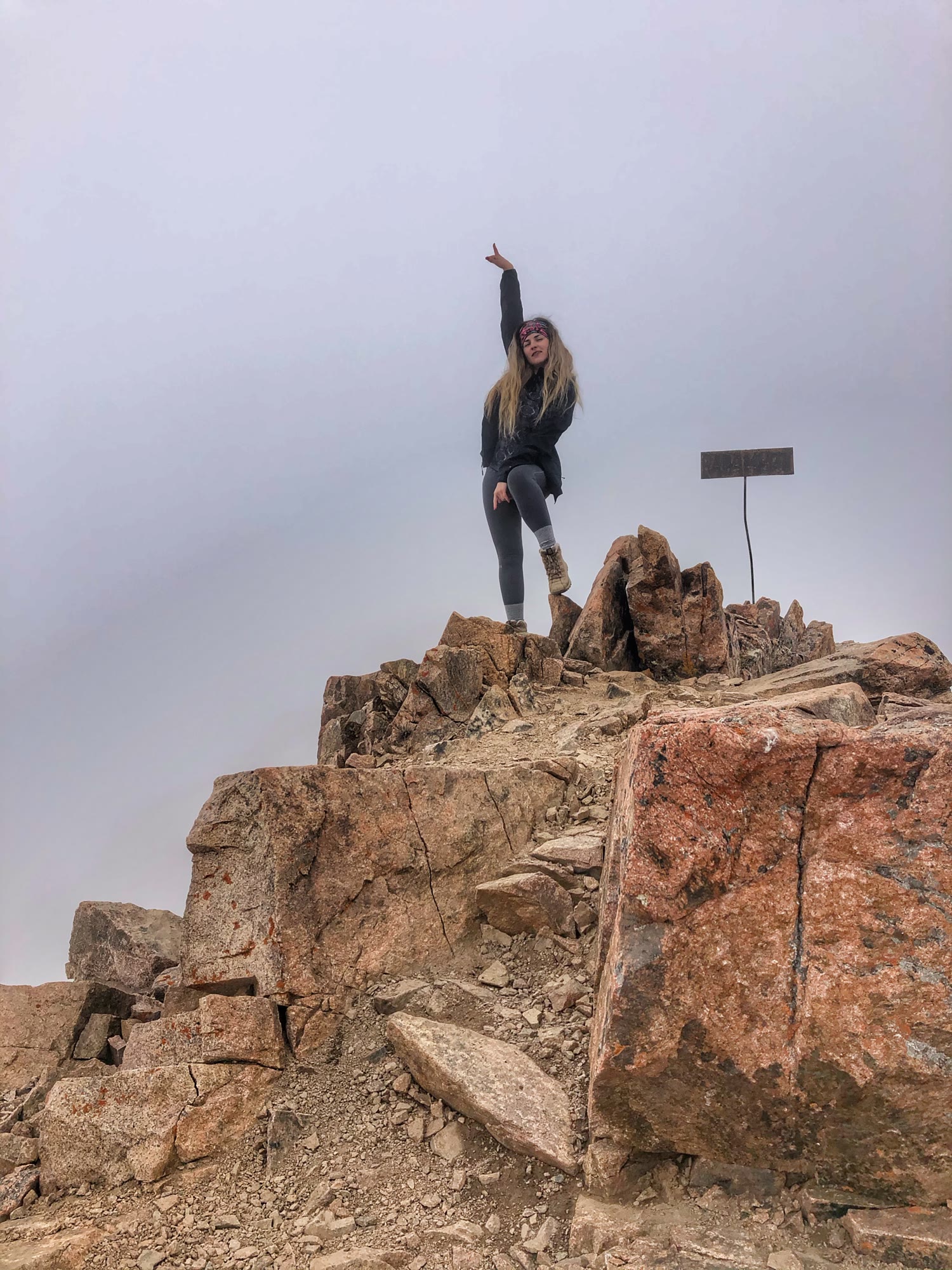
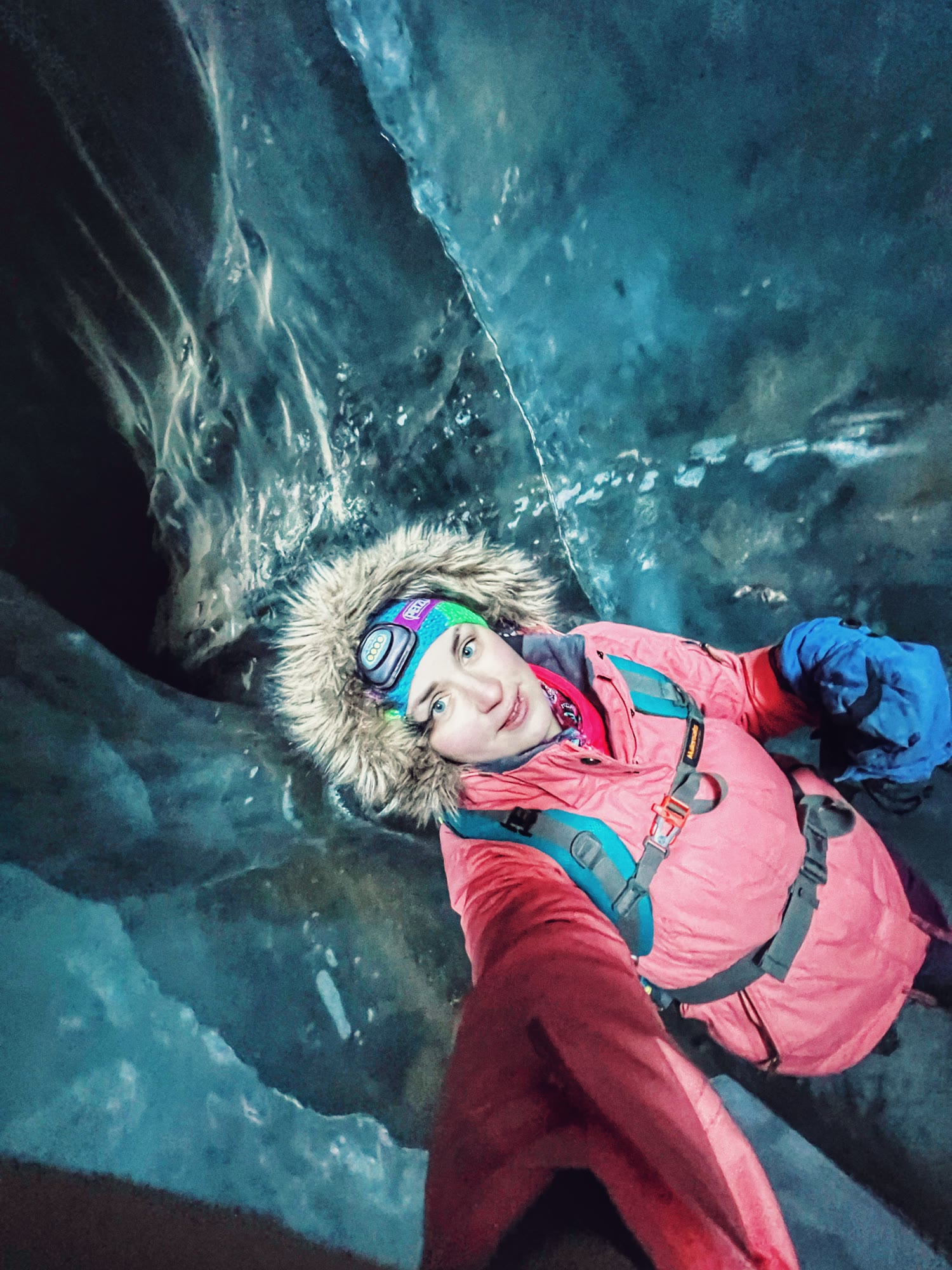
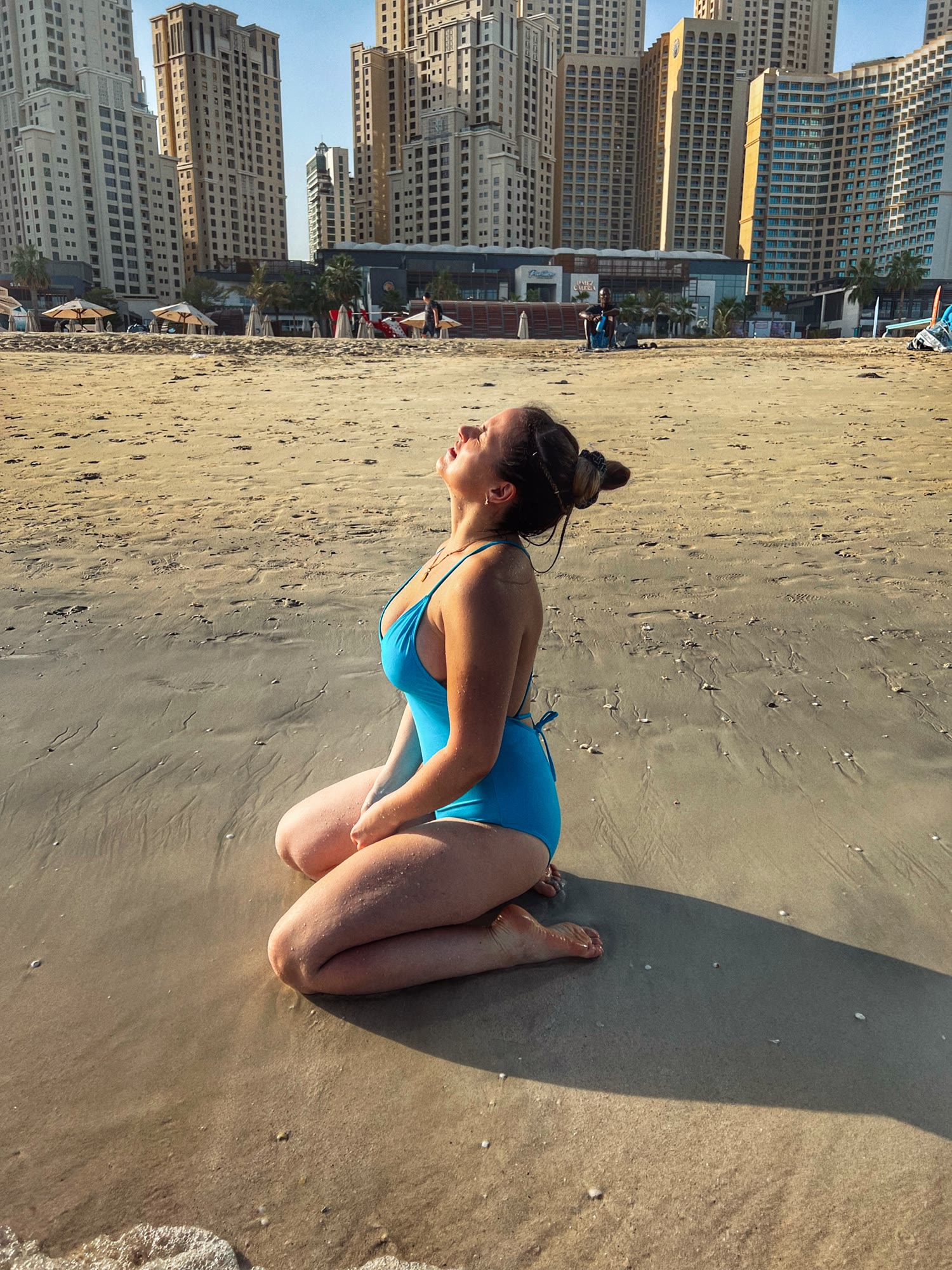
I also love movement: I do sport, I dance, I swim. I recently even started taking part in swimming competitions.
Right now I enjoy trying new things, stepping outside my comfort zone and not waiting for the perfect moment to start.
02For a long time you were a photographer, and then you trained as a psychologist. What was the starting point?
— It wasn’t a decision made in a single day. Rather, I gradually realised that photography alone was no longer enough for me.
Over the years I saw women come to a shoot saying: “I’m not photogenic”, “I’ve put on weight”, “I’m not what I used to be”. And then they look at the pictures and are amazed: “Is that really me?”
I became curious about what happens to a person at that moment. Why do we so often fail to notice our own beauty, criticise ourselves and refuse to accept our bodies?
That’s how psychology came in. I don’t see it as giving up photography. For me, it’s a continuation of my professional path — a chance to see a person not only through the lens, but more deeply.
“A second wind isn’t about starting a new life on Monday”
03From a psychological point of view, what lies behind the desire to change your life after 35–40?
— I think very often it’s a return to yourself.
For many years we live in a mode of external tasks: career, relationships, children, responsibilities. And we often forget to ask ourselves: “What do I actually want?”
At some point, there is room for new desires: to dance, to swim, to study, to change careers, to travel.
And it isn’t necessarily an attempt to recapture your youth. Perhaps it’s the first chance to live not only from a place of “I have to”, but also from “I want to”.
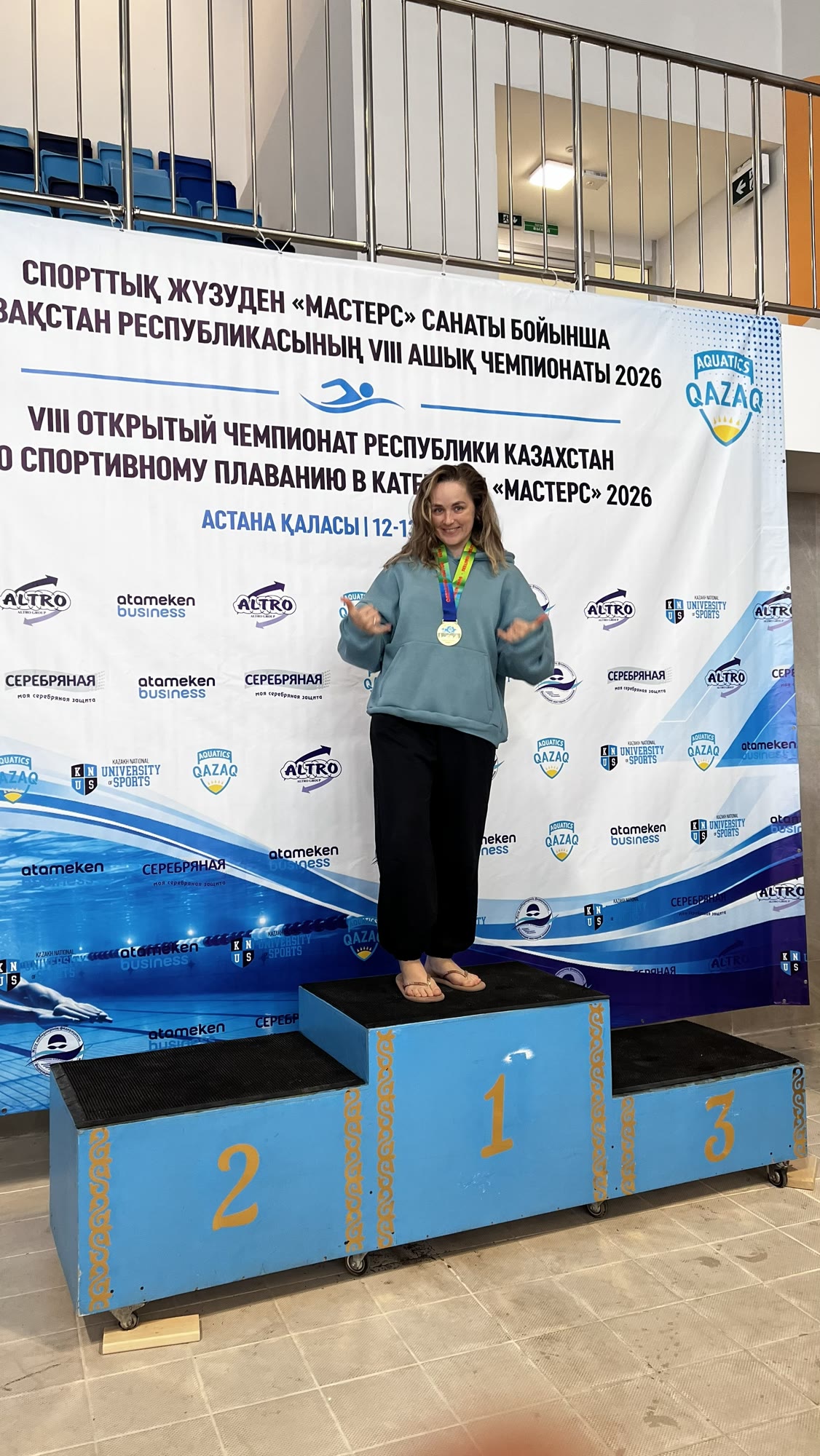
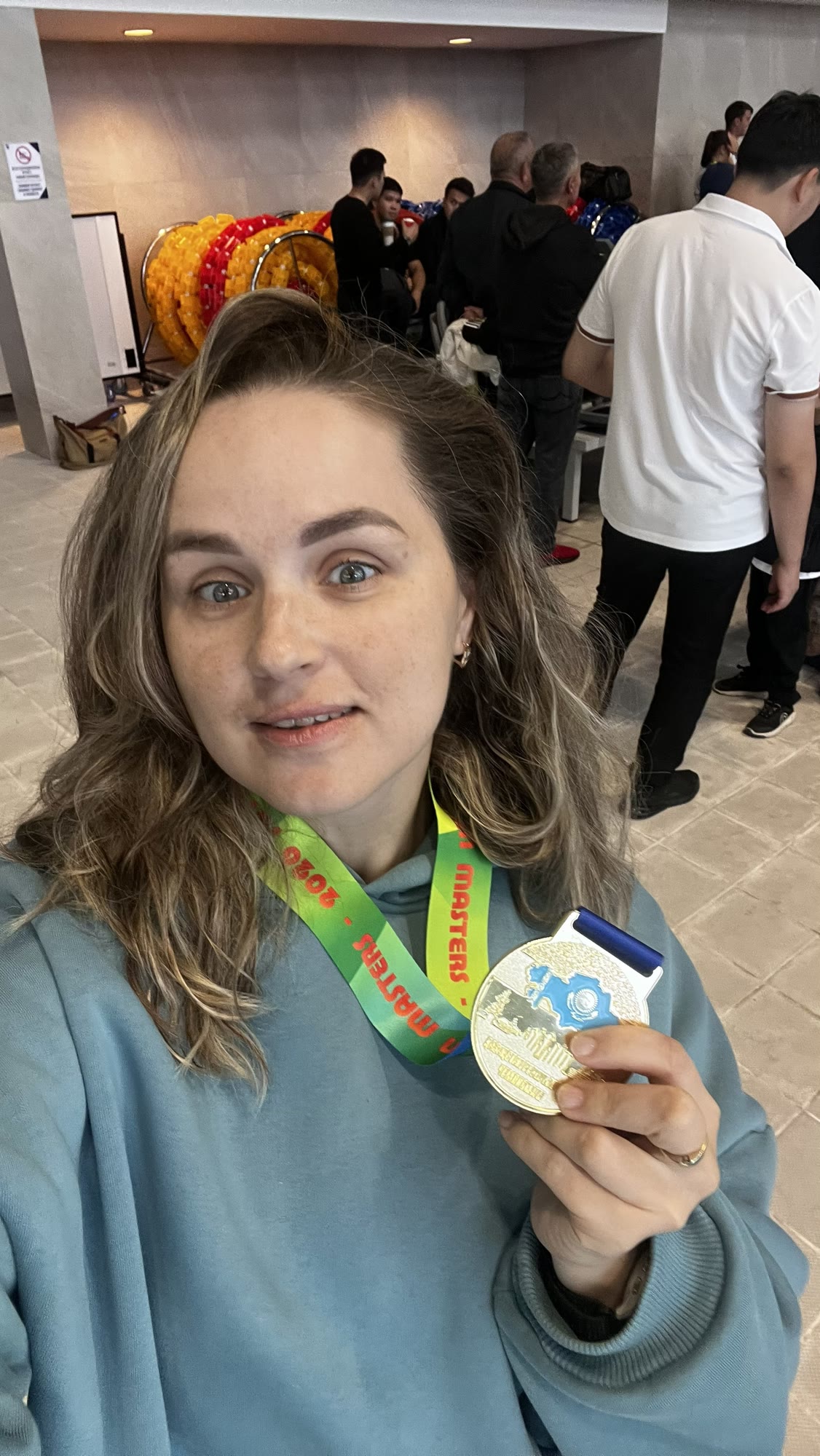
I recently took part in my first swimming competition. And for me it was less about the result and more about facing my fear and doing something I had never done before.
04Is there a period when people start to reassess themselves? And does it have to be a midlife crisis?
— I wouldn’t automatically call it a crisis.
Sometimes old scripts and familiar roles simply stop fitting us. What was right for us at 25 or 30 may not fit at all at 40 or 50.
And then questions come up: “Do I really want this?”, “What am I missing?”, “What else do I want to try?”
You don’t have to change your whole life. Sometimes one small step is enough: going to the pool, starting to dance, learning a new profession, or finally allowing yourself something you never dared to do before.
For me, a second wind isn’t about starting a new life on Monday. It’s about discovering how much life, curiosity and possibility you still have in you.
05Why do some women feel a surge of energy after 35–40, while others feel empty and don’t know what to do next?
— Because it isn’t always clear what to fill the newly freed-up space with.
For many years a woman lives in the roles of mother, wife, daughter, professional. She knows perfectly well what other people need, but sometimes has no idea what she herself wants.
For one woman, this is a time of new opportunities: study, sport, travel, a career change. For another, it’s a collision with emptiness and the question: “Who am I, apart from my usual roles?”
And here it’s important not to compare yourself with others and not to turn your second wind into yet another race for achievements: lose weight, earn more, run a marathon, prove that life only begins after forty.
I relate much more to a different idea: not to prove something, but to live it.
To live through your body, your age, your interests, your fears and your possibilities. Not to try to go back to the person you used to be, but to get to know the woman you are becoming now.
“Sport is a way to get out of your head and into your body”
06What new things have you discovered about yourself through sport?
— Through sport you can discover a completely new, unfamiliar side of yourself.
We’re used to seeing ourselves through familiar roles: mother, wife, daughter, professional. And then suddenly we go to the pool, start running or dancing, and discover something new in ourselves.
I, for example, never knew what it meant to take part in a swimming competition. It’s a new experience, new emotions and a new part of me that I’m only just getting to know.
07How does physical activity affect the way we feel about ourselves?
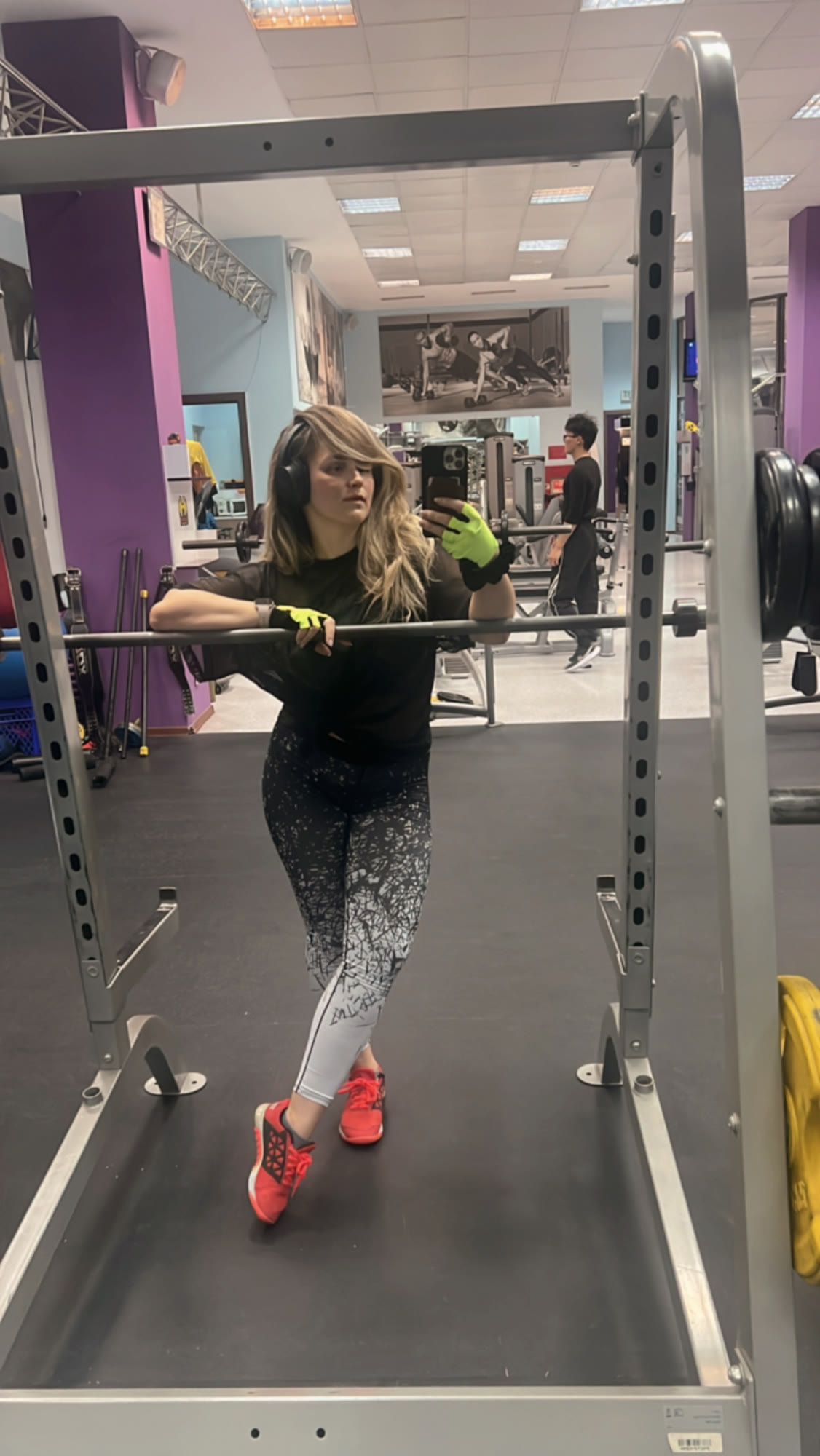
— Physical activity changes not only your body but also the way you feel about yourself. It helps you switch from constant thoughts and worries to sensations in the here and now.
You begin to see your body not only in terms of appearance, weight and age, but also in terms of what it can do. You gain confidence, a sense of control over your life and the realisation that I can do more than I thought.
08So sport can be a way to get to know your body all over again?
— Absolutely. Sport is a way to get out of your head and into your body. To stop judging it only by how it looks and start noticing what it can do, what it’s capable of and how much strength it has.
“Girls, give yourselves a f...ing break!”
09You’ve been photographing women for many years, and now you study how they perceive themselves from a psychological point of view. What have you learned about how we relate to our own appearance?
— To put it very briefly, I want to tell women: “Girls, give yourselves a f...ing break!”
There’s too much noise in our heads, too many complaints, impossibly high standards and expectations of ourselves. And who benefits from that?
10Why do our first sporting achievements, even very small ones, stir up such strong emotions?
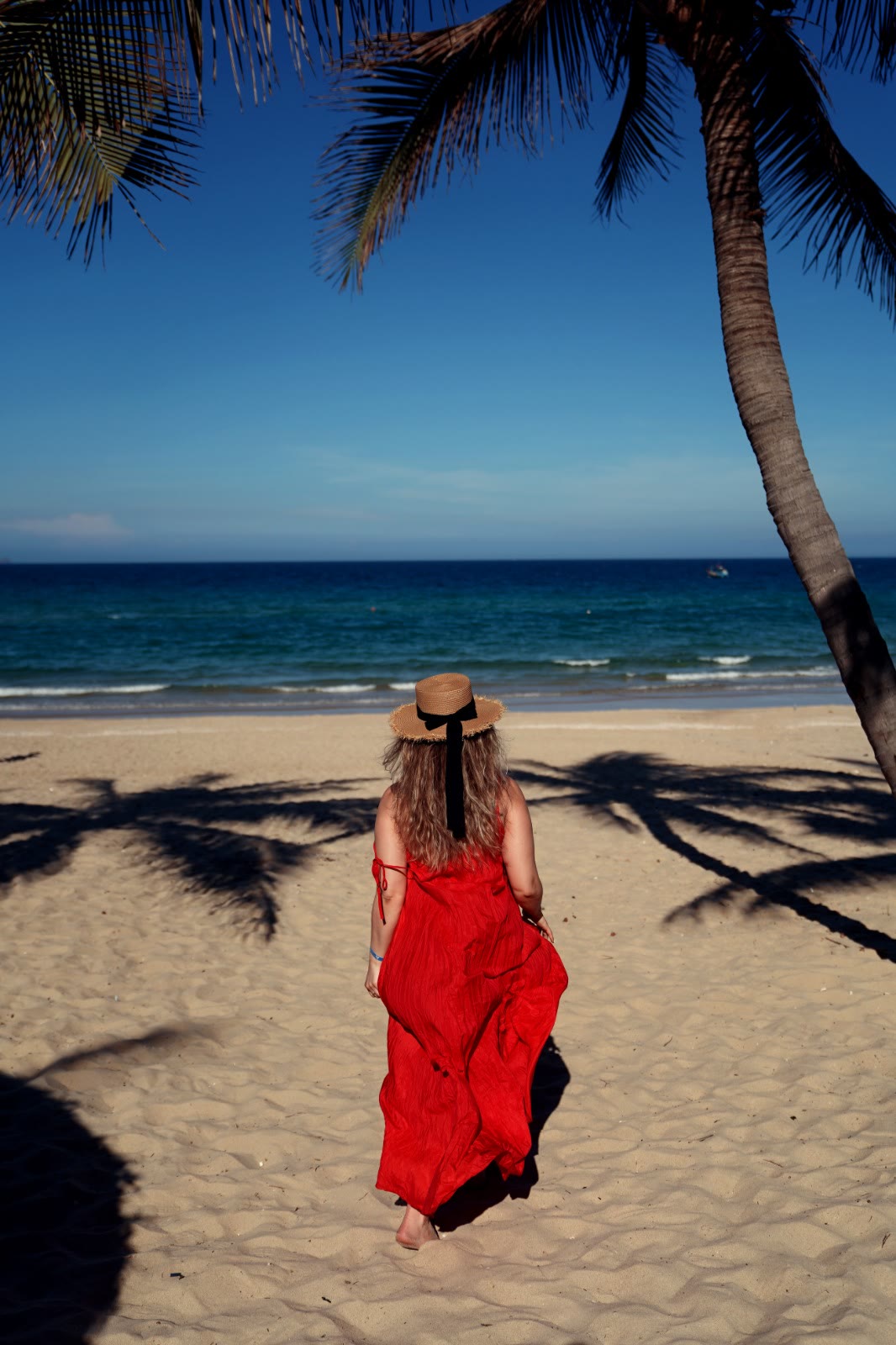
— I think they give us a chance to reconnect with childhood — when we were happy about every little thing, proud of ourselves and not so hard on ourselves.
Sometimes a first swim or a first medal brings back exactly that feeling.
“You can’t run away from yourself”
11Where is the line between sport as a resource and an attempt to run away from problems?
— Sport can also become an addiction, just like alcohol, gambling and other ways of escaping reality.
If someone with no sporting background suddenly starts exhausting themselves with training, they may simply have swapped one addiction for another. But that’s not a diagnosis — it’s a reason to stop and think.
One thing I can say for sure: everything in moderation. It’s important to work not only on your body, but also on your mind.
12You often hear that sport heals, including psychological problems. How true is that?
— That’s too strong a claim. Professional sport, for example, often involves serious strain and injuries.
Physical activity really does help you switch from your thoughts to your body and feel yourself in the here and now. But any serious psychological condition needs the attention of a specialist.
You can’t run away from yourself.
“Honestly, nobody really cares whether you succeed or not”
13How do you overcome the fear that it’s too late to start? Or that it will be embarrassing if nothing works out?
— Honestly, by and large, nobody really cares whether you succeed or not.
Do what you enjoy, try things and don’t wait for other people’s approval. And come what may.
14How important is your social circle when you decide to try something new?
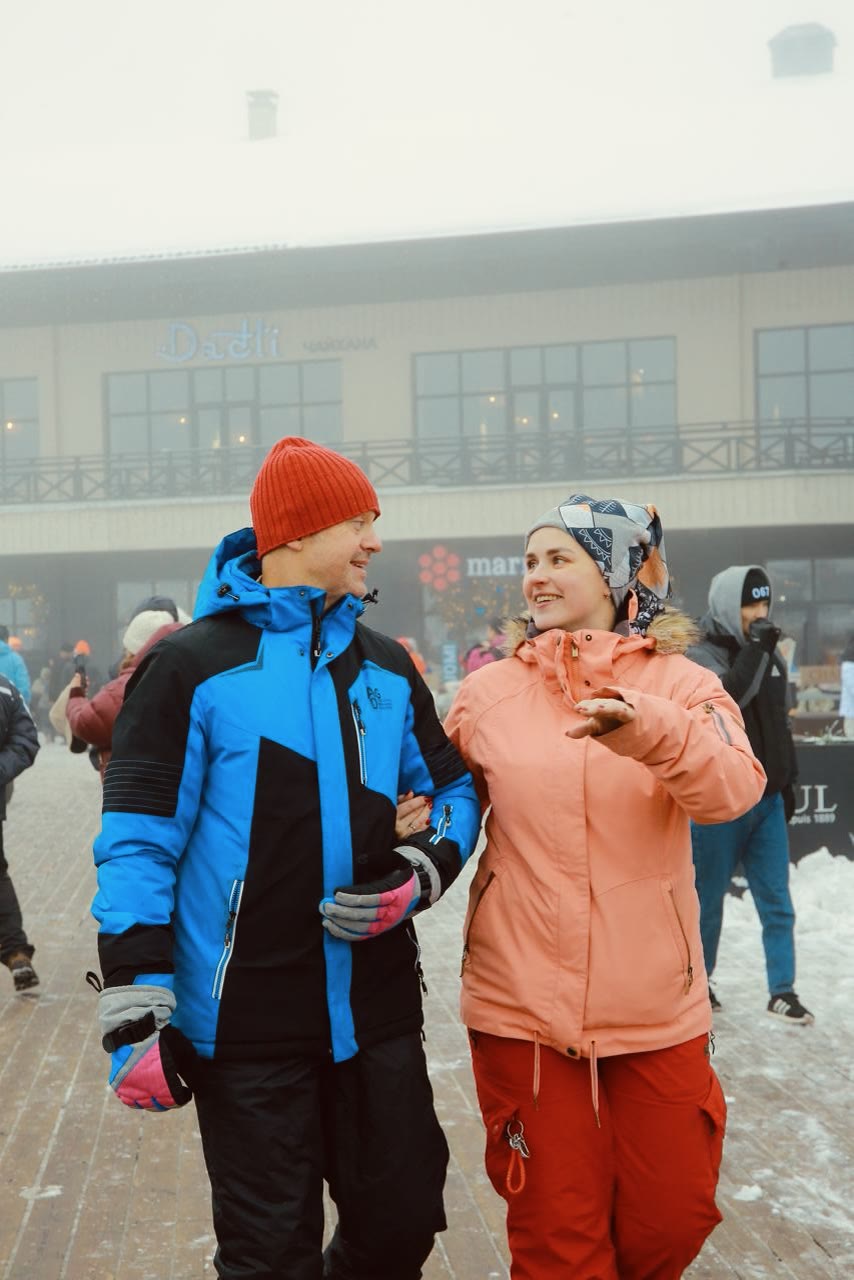
— It makes a huge difference. Sometimes the example of one person close to you is far more motivating than any amount of talk about the benefits of sport.
15You recently started competing in swimming. What have you noticed about yourself through this experience?
— My husband is a great example of how the people around us influence us. It’s thanks to him that I took up swimming and started competing.
And do you know what else has changed? I’ve started to value my own achievements more.
We millennials are sometimes far too fond of downplaying our wins. But even a small win is still my win. And I’m learning to take ownership of that result.
16And the last question, the one we traditionally ask everyone we interview for the project. What does a “second wind” mean to you personally?
— It’s my chance to live my life the way I want to, not the way someone else thinks I should.