“You don’t have to step onto the tatami yourself to keep winning”
A Master of Sport of International Class in Kyokushin karate has ended his competitive career but has not left the sport — now his main victories are won by his students.
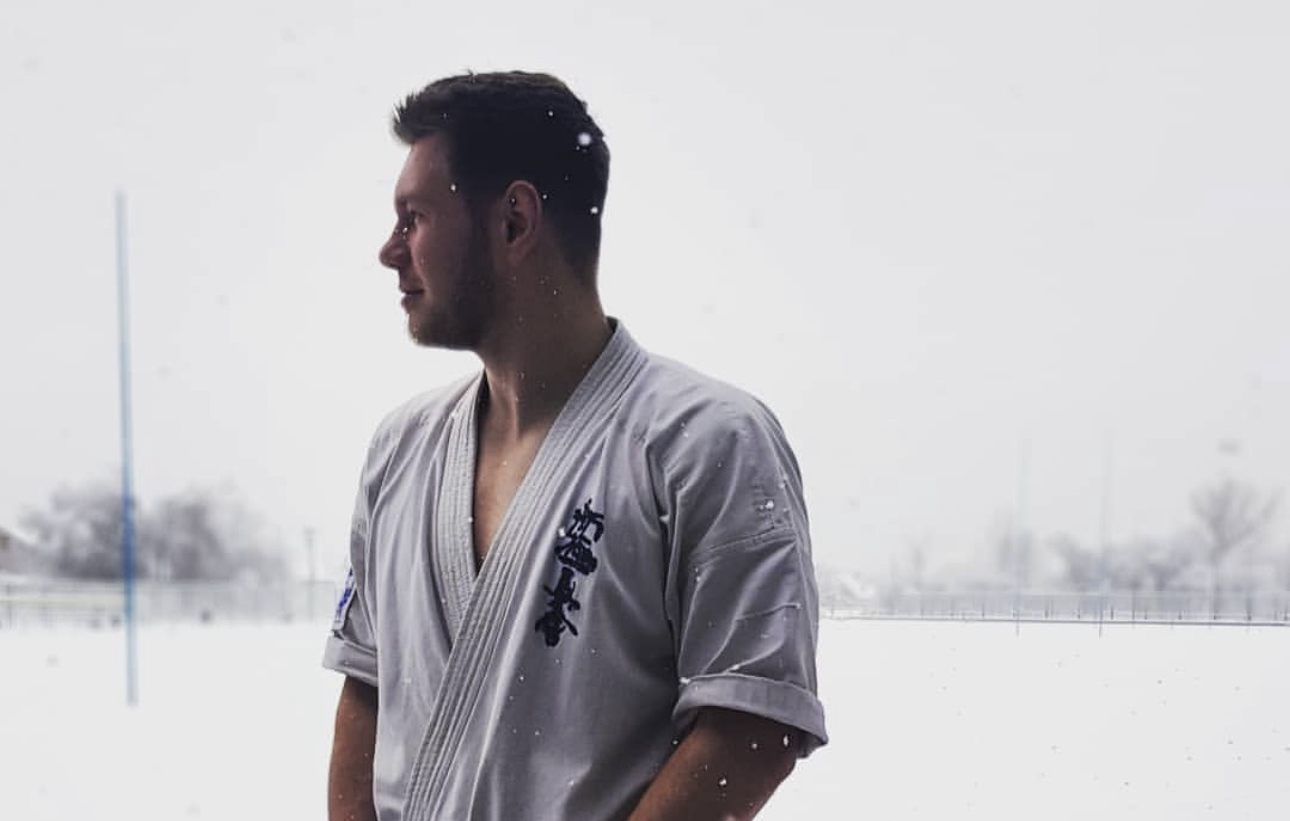
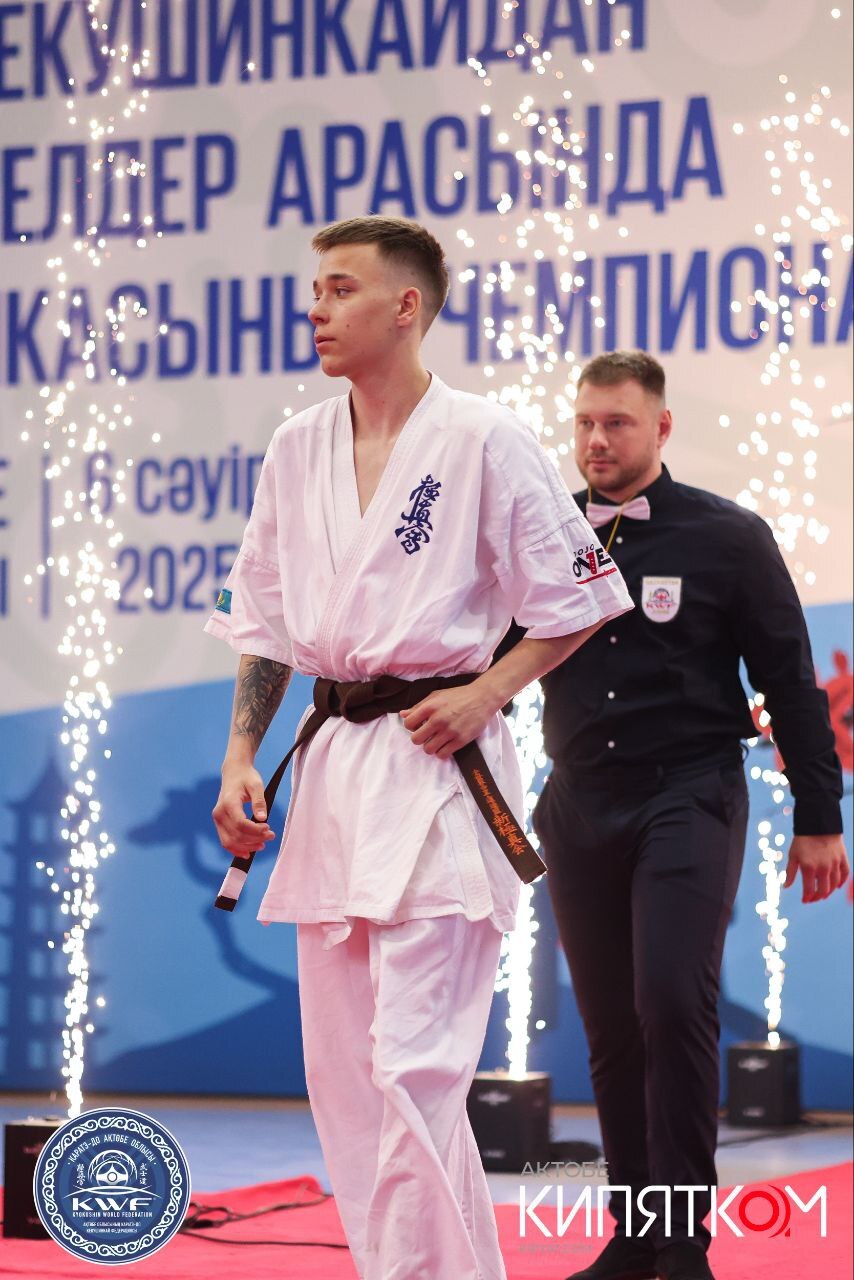
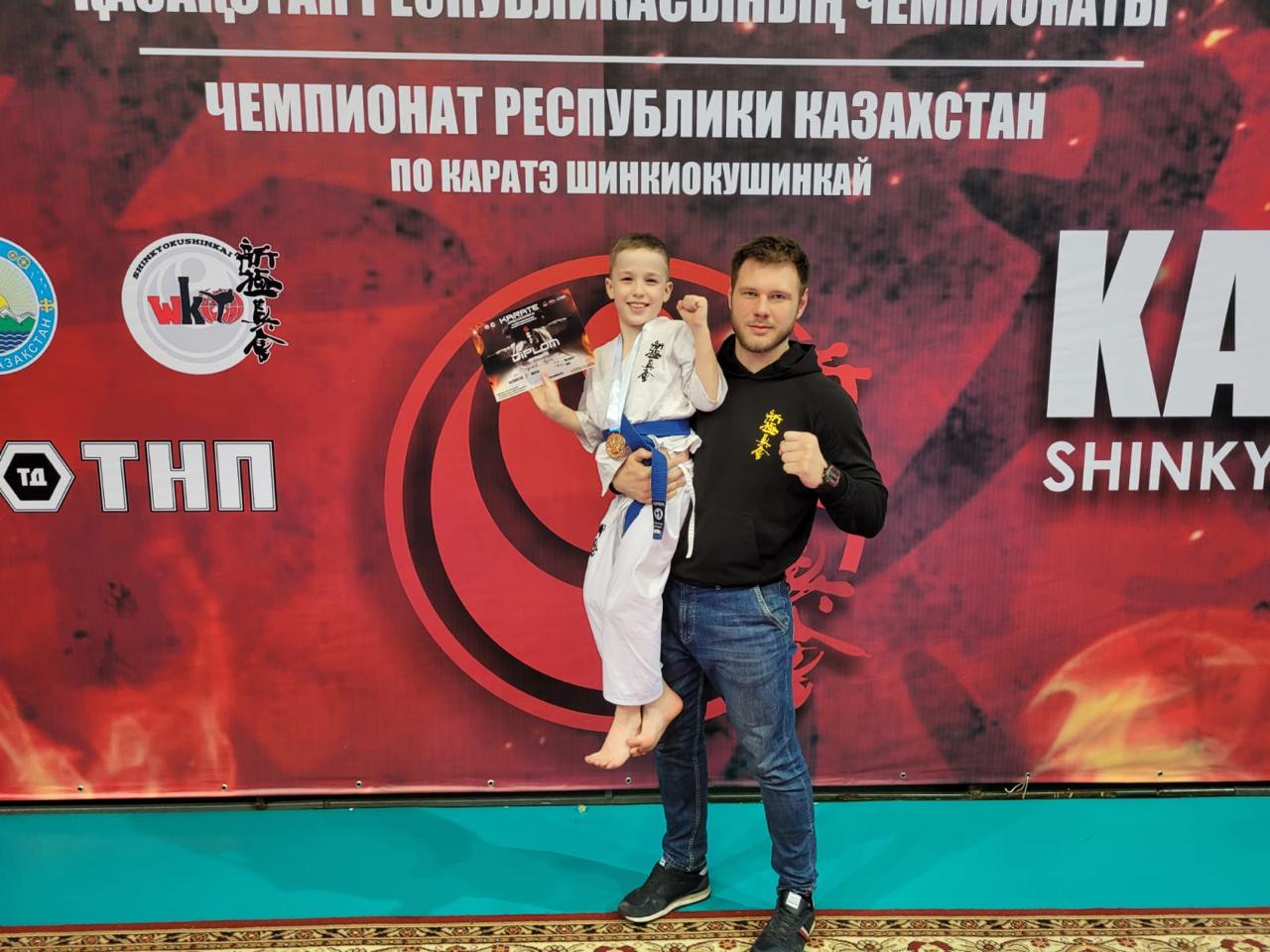
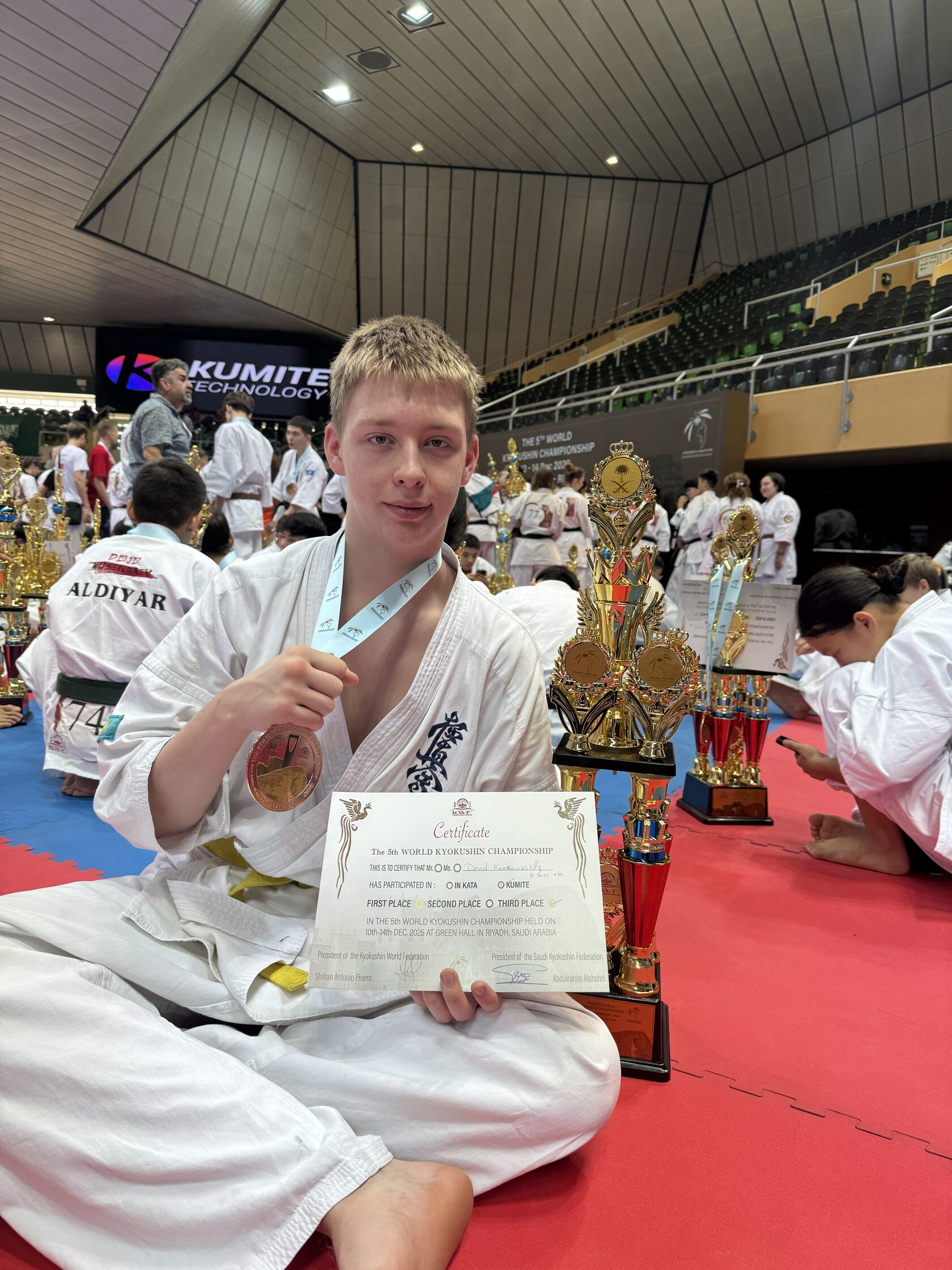
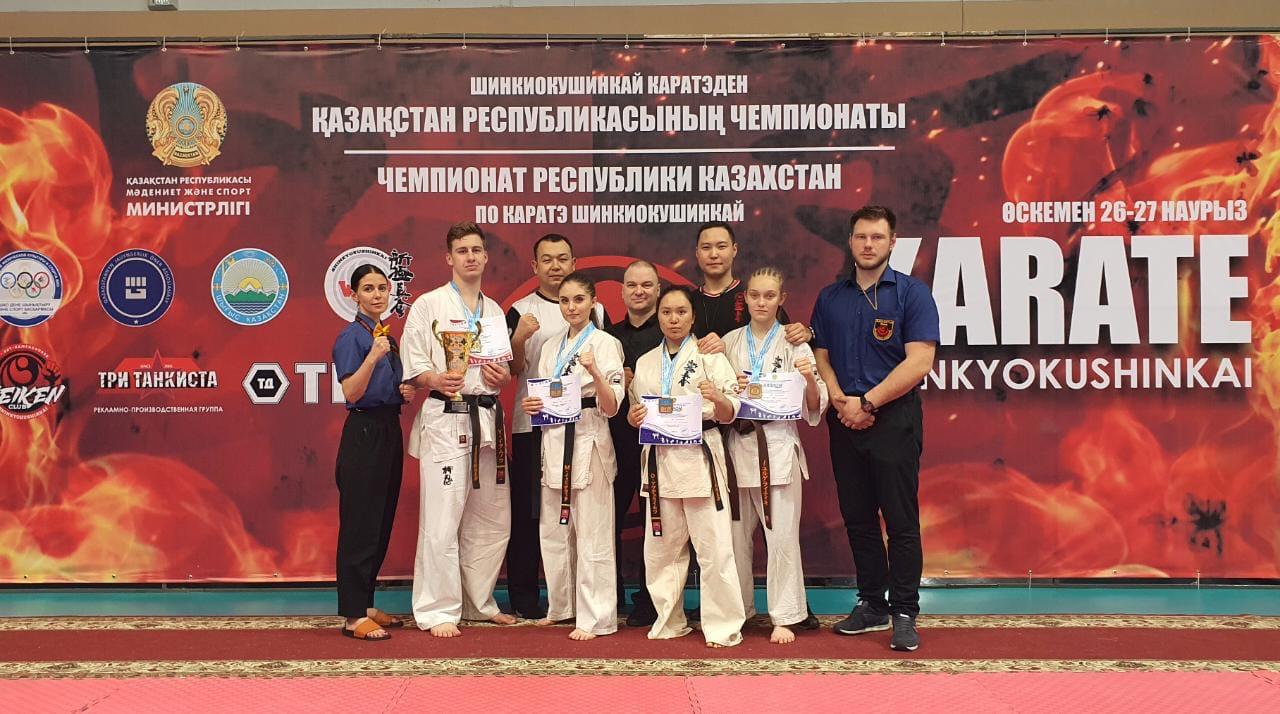
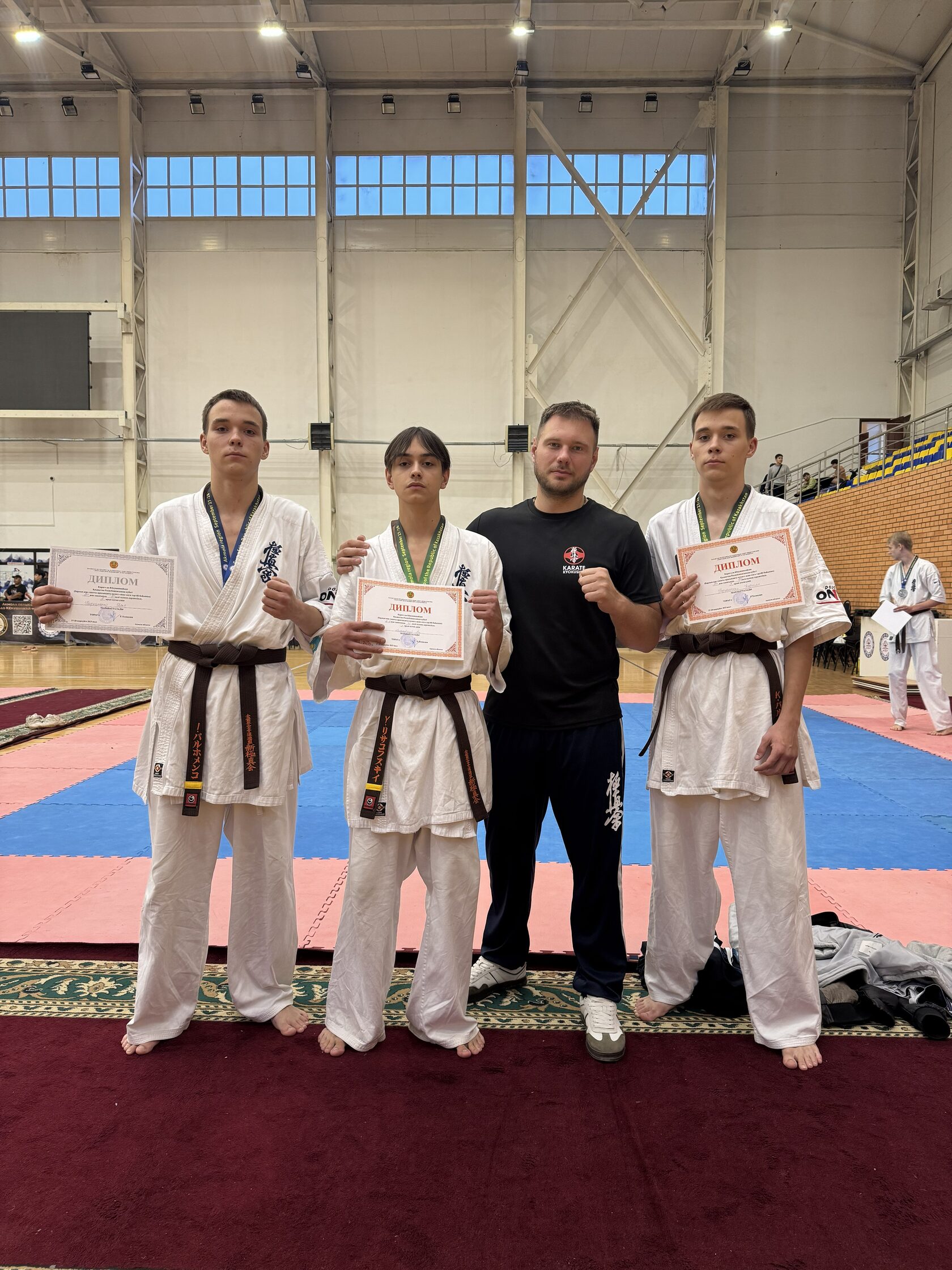
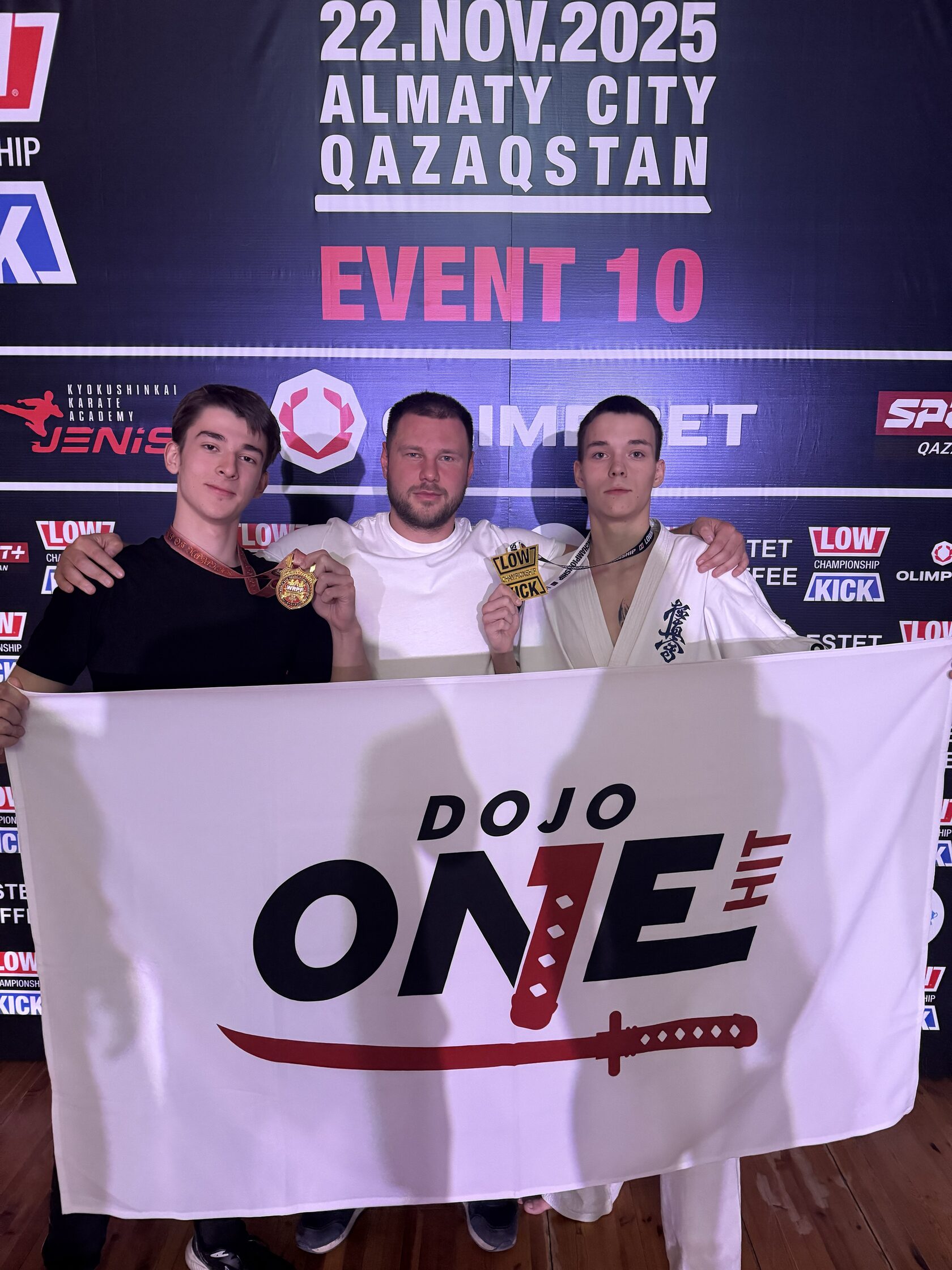
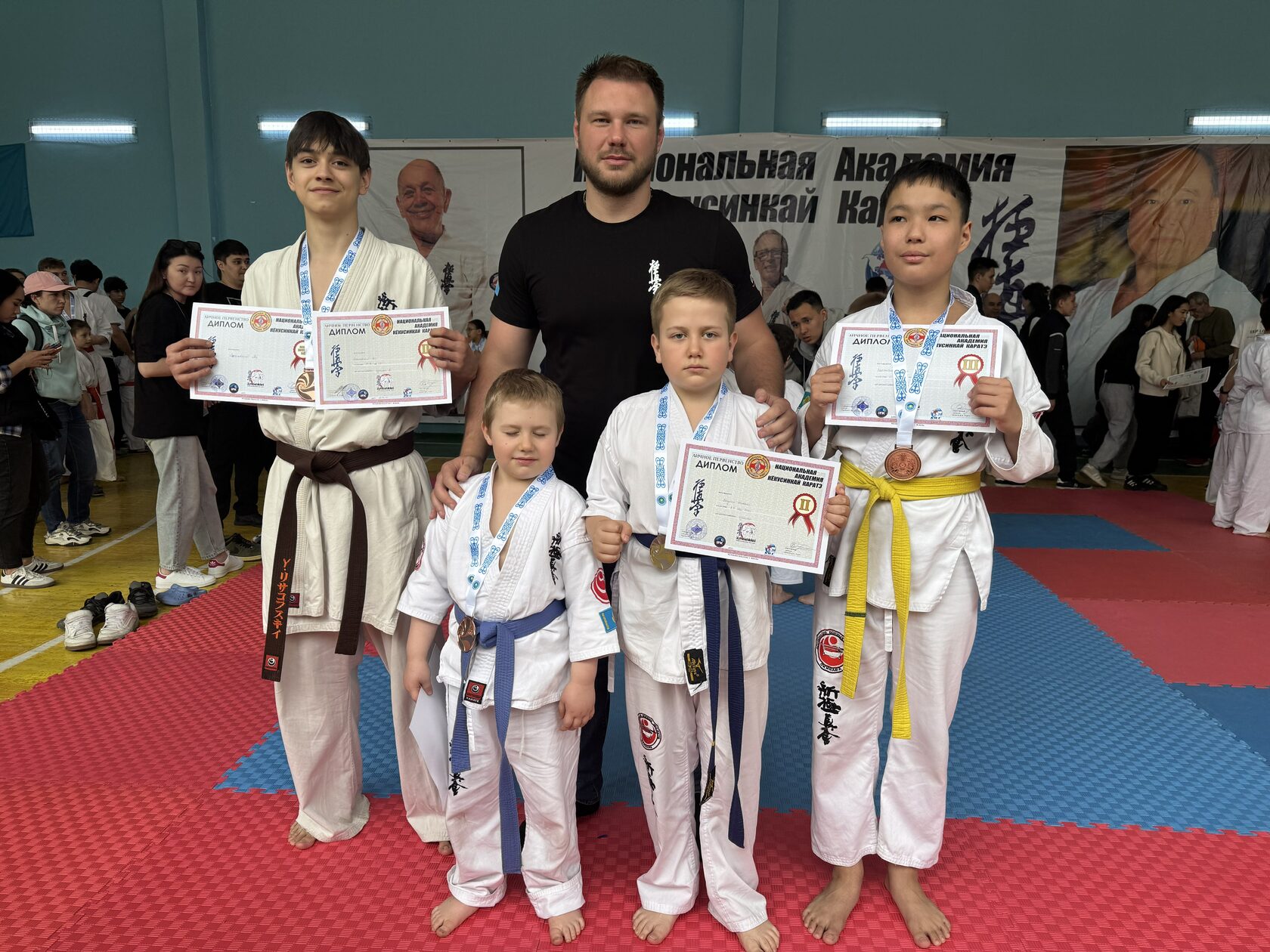
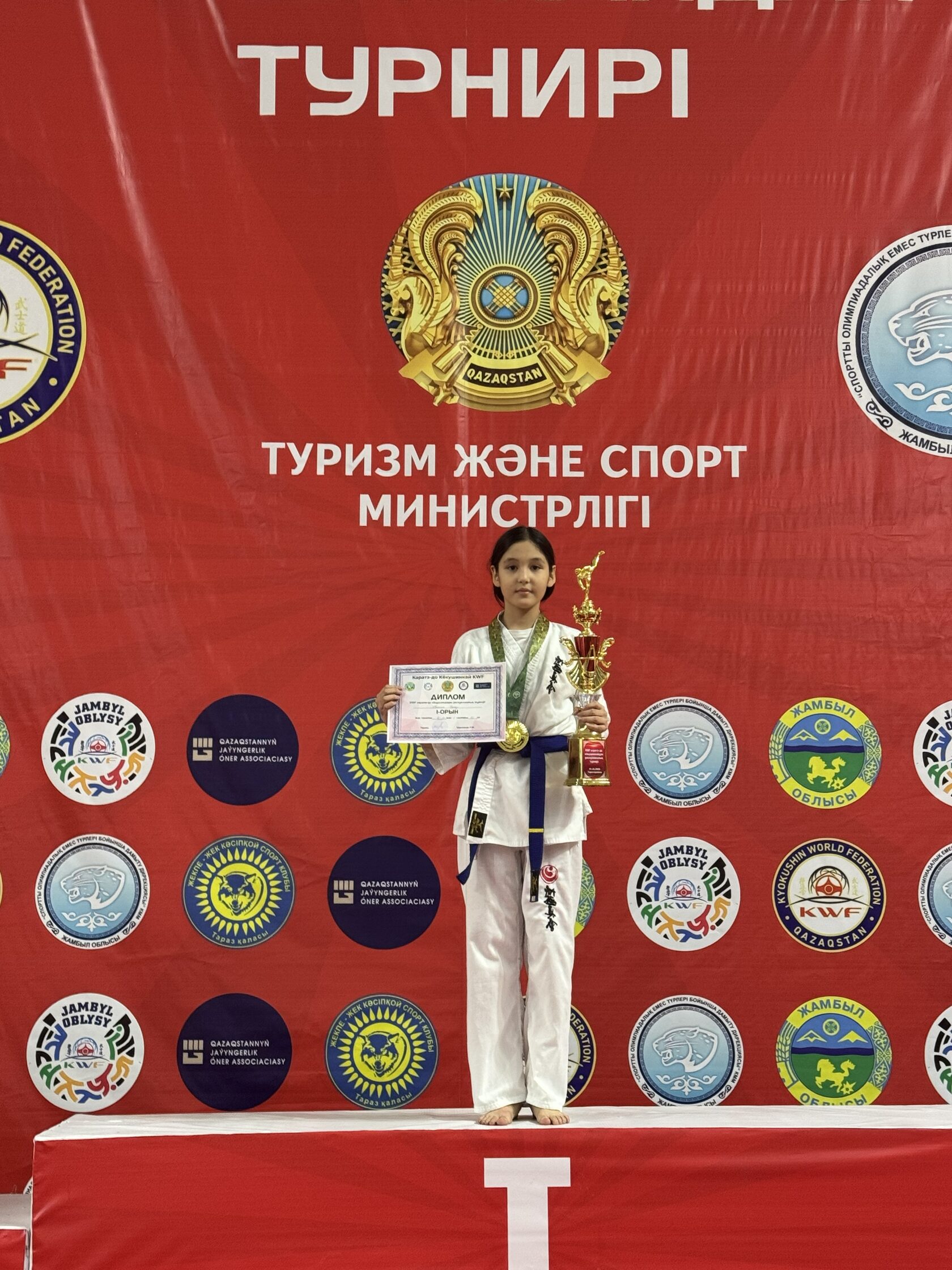
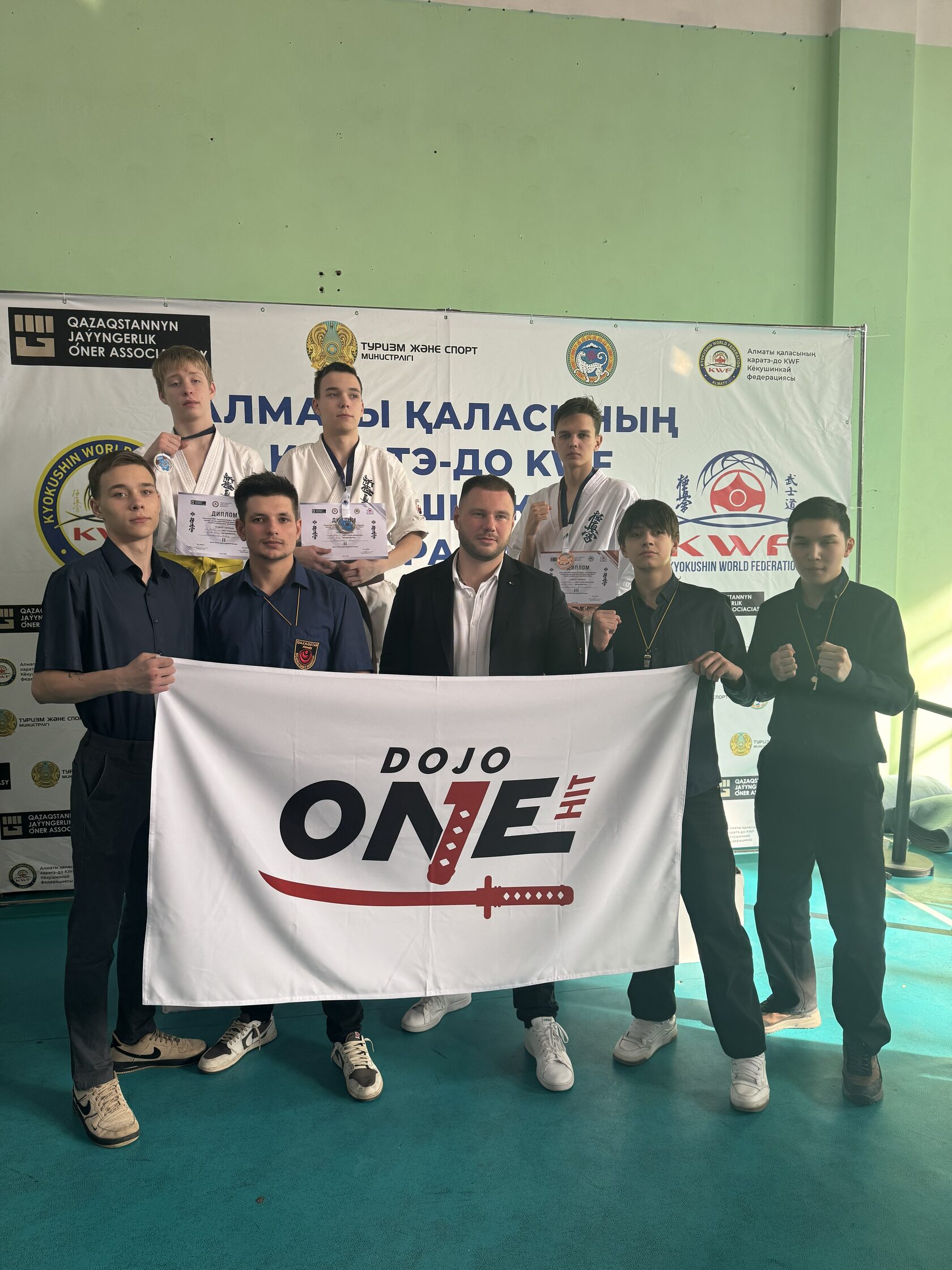
Vasiliy Simonov is 30. He is a Master of Sport of International Class, holds a 3rd dan black belt and the title of sensei, and has been doing karate for more than 20 years. Today he runs the OneHit school, which has four branches in Almaty. His students compete in city, national and international tournaments. One of them recently won bronze at the World Championships.
In his interview with Second Breath, Vasiliy talks about why he stopped competing for medals, how his relationship with his students changes as they grow up, and why people take up karate for the first time after 30 or 40.
From student to sensei
01Vasiliy, how did karate come into your life? When did you realise it would become your life’s work?
— My path in karate began when I was seven, before I even started school. And, strangely enough, I have my grandmother to thank for it. As a child I was rather weak, and my grandmother worried that I might be bullied at school. So she decided to sign me up for a sports club. As it happened, the nearest club was karate, and it was in the same school where I went on to study for all 11 years. So throughout my school years my routine was quite simple: first lessons, then karate training. All in one building.
As for the moment I realised karate would become my life’s work, that happened completely by chance and much later. While I was at university, I was offered the chance to run a karate club at a nearby private school. It all started as an ordinary after-school club. Then more groups appeared, the number of students grew, and proper sections began to open.
Gradually I began to realise that I was interested not only in doing karate myself, but also in teaching others, developing the discipline and creating my own system for training athletes. After graduating, I devoted more and more attention not only to coaching, but also to the organisational and management side of sport. Over time, that led me to set up my own club, OneHit.
So, as a child, my grandmother simply wanted me to learn to stand up for myself — and in the end, her decision largely shaped the rest of my life.
02You reached the level of Master of Sport of International Class. Why did you decide to end your competitive career?
— There are several reasons. First, over many years of professional training and competition I picked up quite a few injuries, which of course make themselves felt. Second, at some point my priorities began to change. I was devoting more and more time to developing my own karate school, working with students and dealing with organisational matters.
My last competition was, if I remember rightly, in 2022, after the pandemic. It was the Asian Championships, and I didn’t perform as well as I would have liked. I didn’t even make the top three. Of course, after a long sporting career, when you’re used to fighting for the top places, a result like that makes you think.
That was when I began to realise that perhaps it was time to change direction a little and look at sport from a different angle. I understood that you don’t have to step onto the tatami yourself to keep winning. You can bring up athletes, pass on your experience to them and help them achieve the results you once strove for yourself.
Today my main victories are my students’ victories. And believe me, when one of your students stands on the podium at a major international tournament, the emotions are every bit as strong as from a medal of your own.
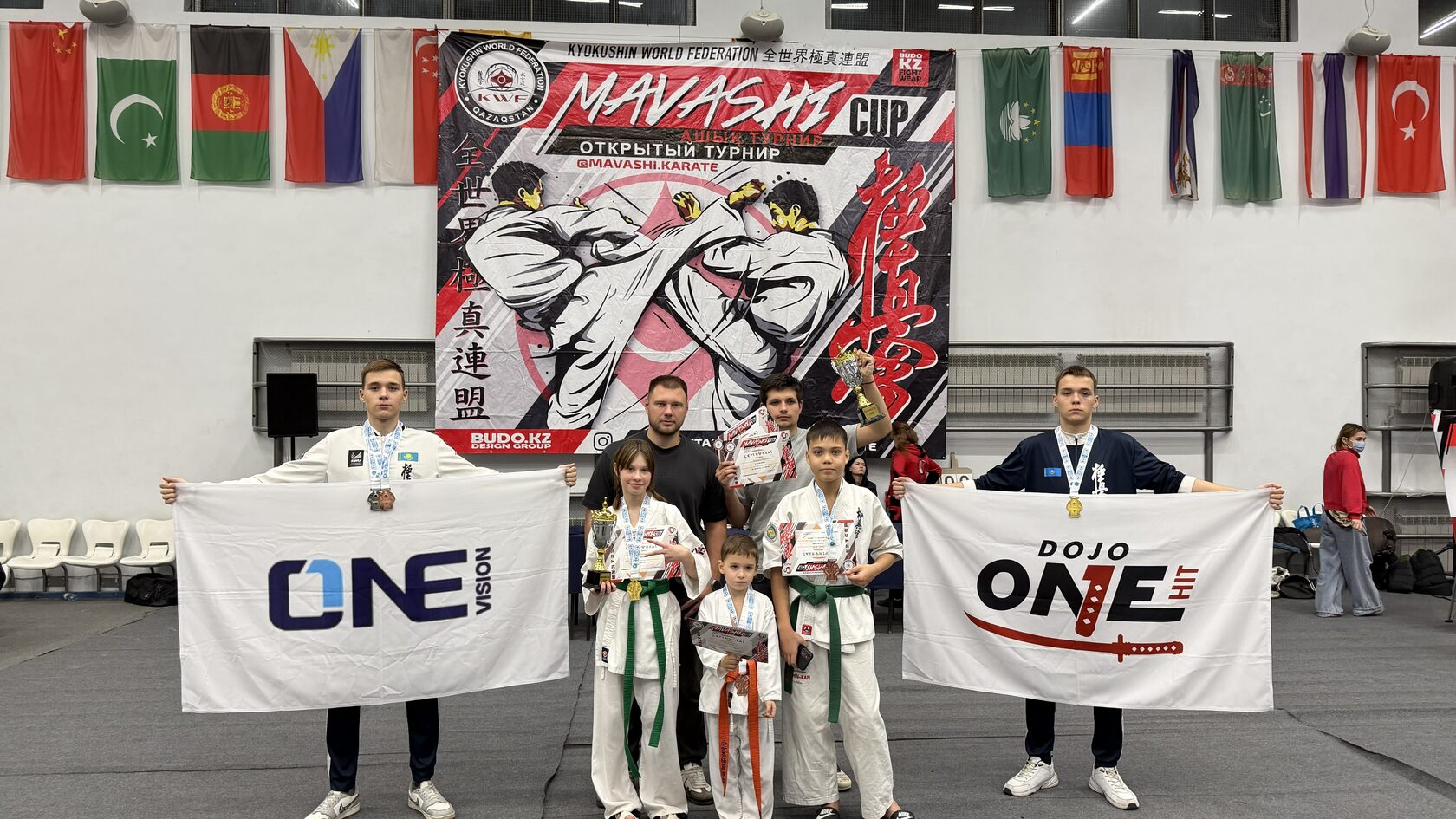
The coach and his students
03How does a karateka change with age? What is harder for you today than 10–15 years ago, and where have you become stronger?
— I’ll put it this way: karatekas only get better with age. And it’s not so much about physical qualities as about character, mindset and attitude to life. We become calmer, more level-headed and more focused.
Of course, physically, age takes its toll. Today I no longer train with the same intensity as 10–15 years ago. My body needs more attention, and old injuries remind me of themselves from time to time. Nevertheless, I keep myself in shape. I go to the gym regularly, and in the evenings I train with my senior group. We work on different techniques, combinations and sequences, and sometimes I even spar with the guys. I’ll admit it can be tough at times, especially when you’re working with young, energetic athletes. But those are exactly the moments when I really enjoy training.
With age you may lose a little speed and stamina, but you gain much more in experience, understanding of technique and the ability to read a situation correctly. That’s why I believe that a true karateka doesn’t stop developing when their competitive career ends. It’s just that, over time, their development takes a slightly different form.
04Some of your students came to karate as small children and are now adult athletes and coaches themselves. What does that kind of continuity mean to you?
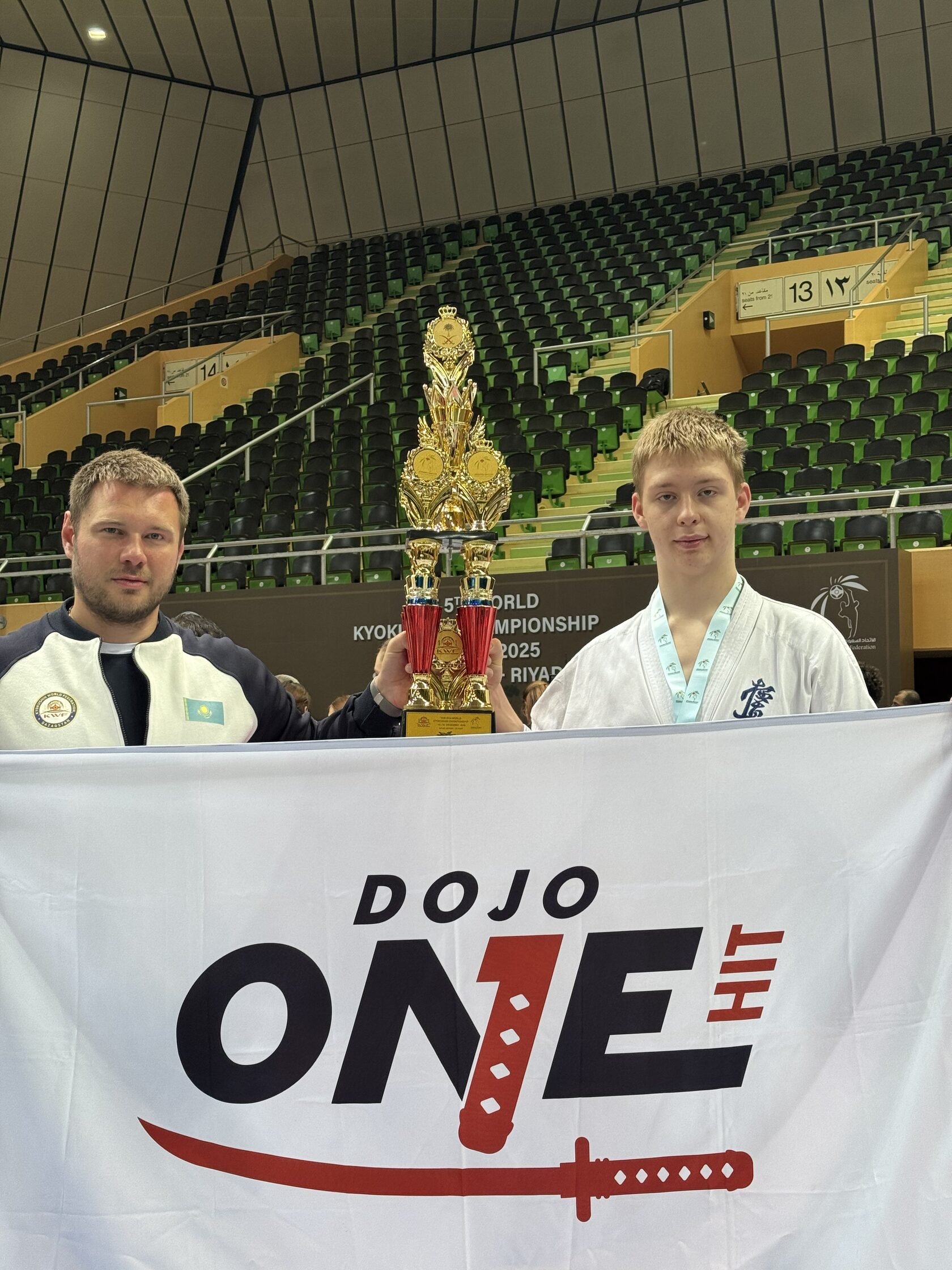
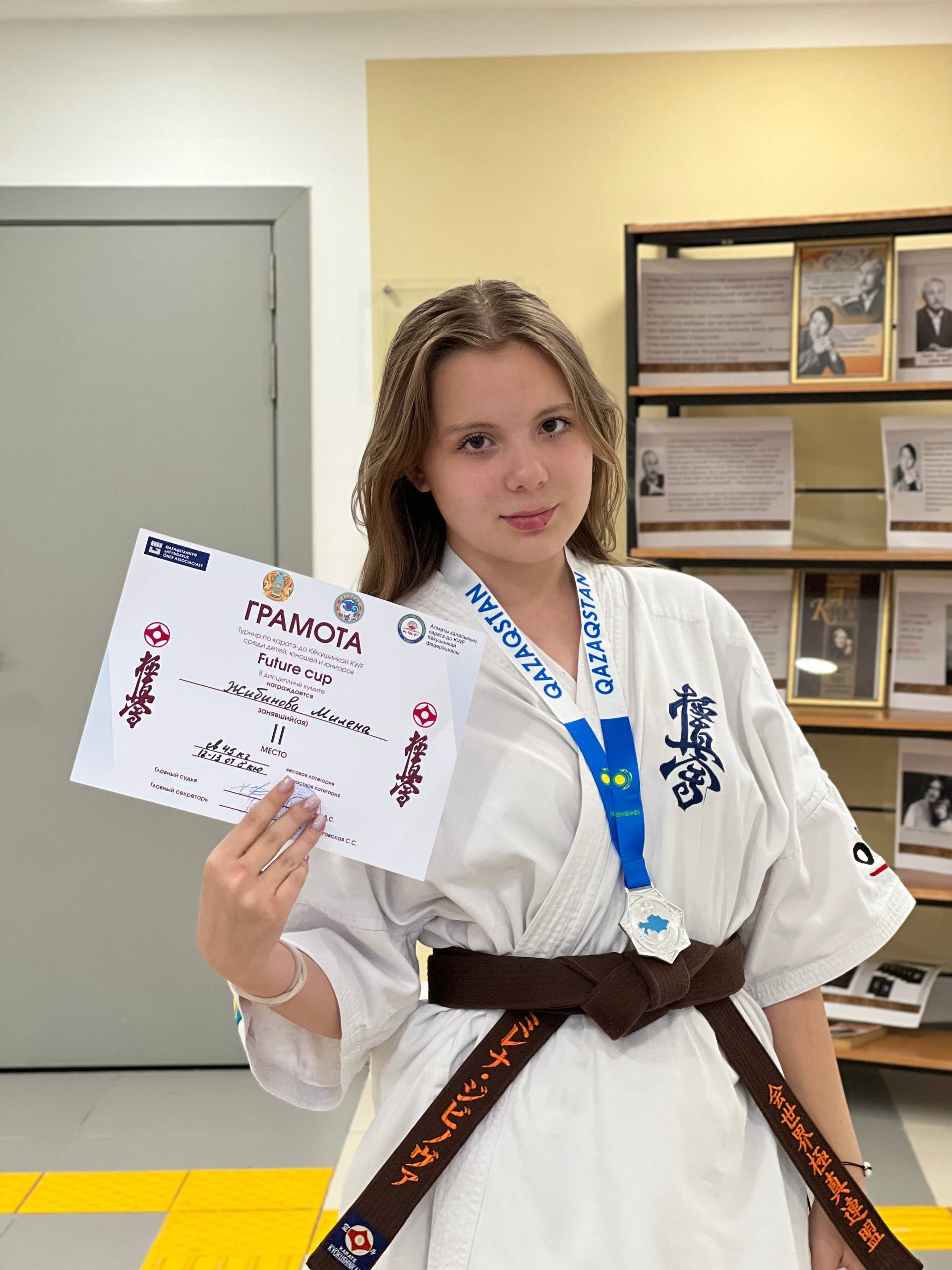
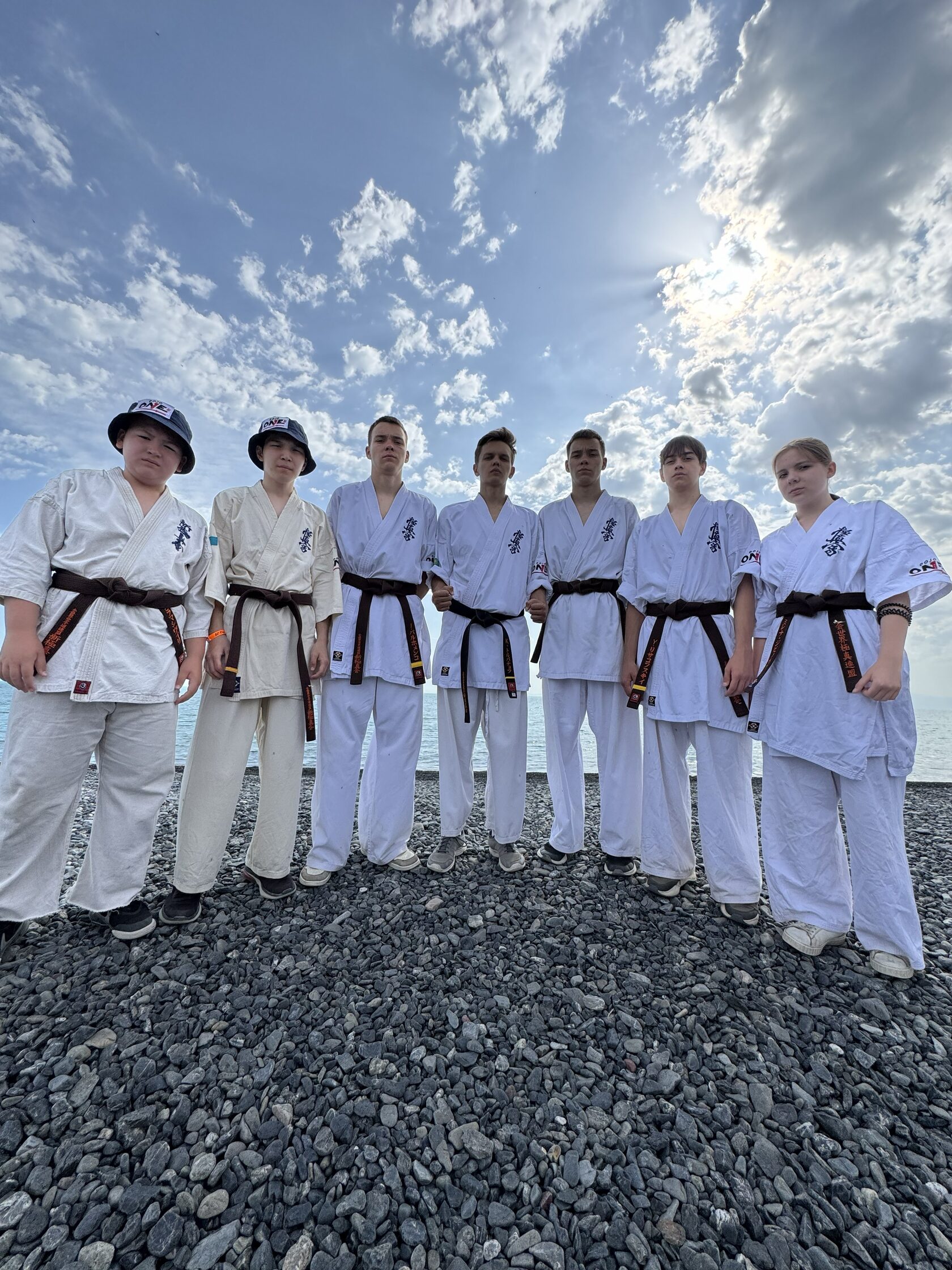
— Many of my students came to me as very young children. Some were four, some were seven, and today some of them are already twenty. They are adults, fully formed individuals with their own views on life, goals and plans for the future. When you work with a child for many years, you gradually realise that your role is much broader than simply teaching them to strike correctly or win competitions. You play a part in shaping their character, their discipline and their attitude towards other people and towards themselves.
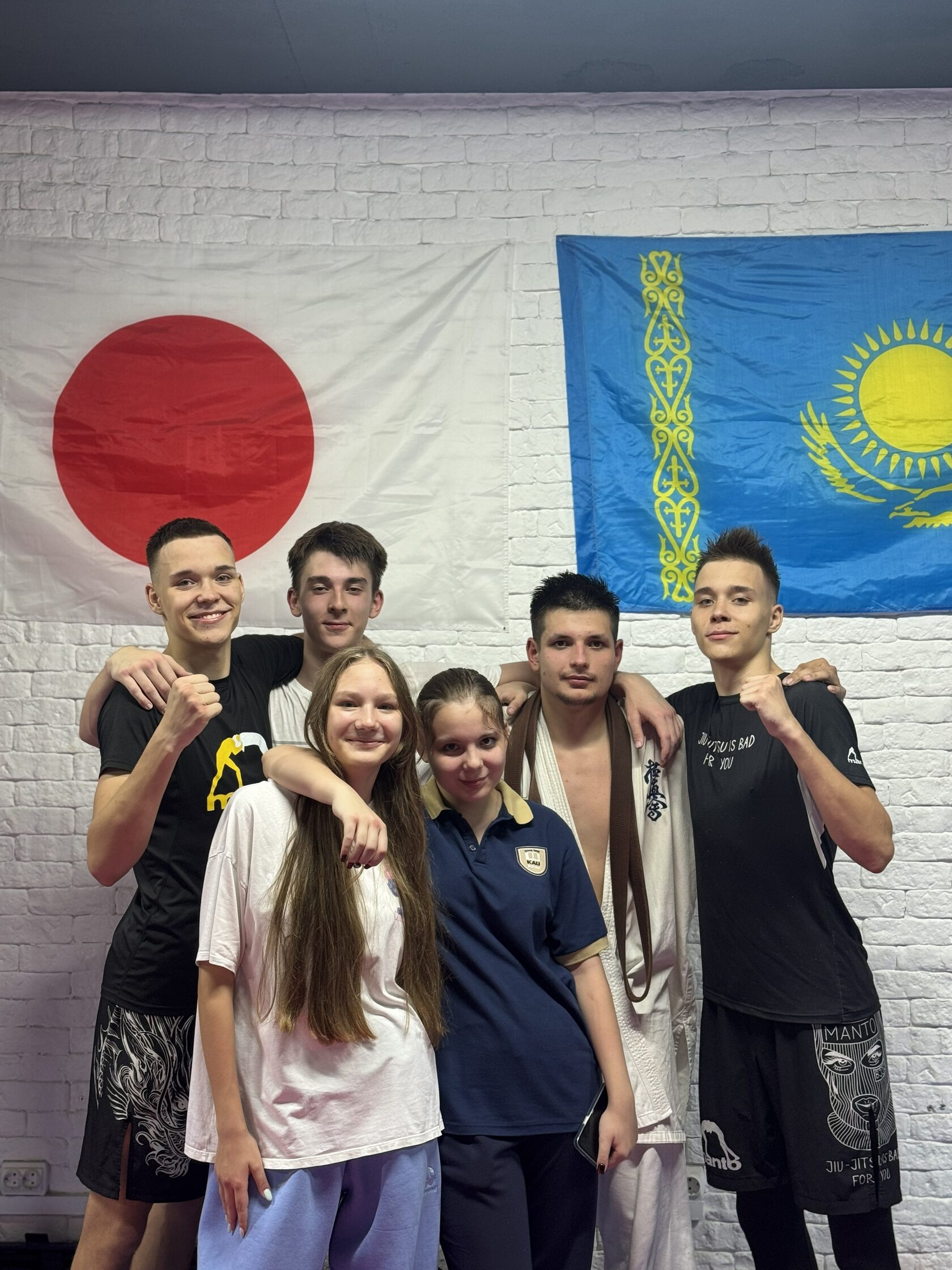
It’s especially gratifying to see that some of my students don’t just carry on doing karate, but become coaches themselves. Today four coaches work at my OneHit school, and every one of them was once my student. It’s a kind of continuity between generations: once I taught them, and now they pass on what they learned to other children.
For me, that is perhaps even more important than sporting medals. A medal remains an achievement of a particular moment, but the knowledge, character and principles you helped to shape in a person stay with them for life.
05Who is harder to coach — children or adults? And how does your approach to students change as they grow up?
— In my view, teenagers are the hardest to work with, especially 15–17-year-olds. That’s exactly the age of youthful maximalism. They think they already know everything and understand everything, and that we adults belong to the older generation who, as people like to say these days, no longer understand anything about modern life.
In a sense, small children are easier. When a child comes to you at four, five or seven, you’re starting with almost a blank slate. You gradually instil the basic principles: discipline, respect for elders, responsibility, the ability to work hard and see things through.
But as your students grow up, you have to change your approach. With these students it’s important to learn to talk to them as equals, to listen to their opinions and sometimes even to give way on certain things. After all, a coach’s job isn’t simply to get unquestioning obedience, but to earn trust and respect.
Teenagers keep a lot to themselves. Worries, problems at school or college, difficulties in their relationships with their parents or peers. They can’t always or don’t always want to discuss these things at home. And quite often they come to me with exactly those issues. Sometimes we even put off training, sit down and simply talk. We discuss what’s bothering them and work through various situations in life. I sometimes joke that this is a kind of training too — only not physical, but spiritual.
For me, the most important thing isn’t necessarily to turn every student into a professional karateka or a champion. It’s much more important that, when they grow up, they remain a decent person whose life will always include sport, discipline, respect for others and the right values.
Adult beginners
06Do adult beginners come to you? What makes someone take up karate for the first time at 30, 40 or 50?
— Yes, adult students come to us from time to time. And, in my view, each of them has their own story and their own reason for deciding one day to step through the door of a karate dojo. I think that for many it’s a kind of unfinished business from childhood. Someone once dreamed of doing martial arts but, for various reasons, never managed to make that dream come true. And 20–30 years later they finally get the chance to try what they wanted so badly as a child.
There’s another category of people — those who did karate when they were young. They remember very well what the sport gave them: discipline, self-confidence, strength of character, the ability to overcome difficulties. But over time work, family and everyday concerns come along, and all of that gradually takes a back seat. And at some point a person starts to miss the feelings they once had in training. The atmosphere of the dojo, the sense of pushing past their limits, the emotions you can’t get in ordinary everyday life.
I think that for these people coming back to karate is, in a sense, a chance to rediscover themselves. And some come completely from scratch, at a mature age, because they want to get to know not just fighting techniques, but the philosophy and spirit of the Eastern martial arts. I believe that there is no particular age for doing karate. What matters isn’t how old you are, but why you come to the dojo and what you want to get out of training.
07And can someone who takes up karate for the first time as an adult achieve serious sporting results?
— I believe that a person of any age can achieve a certain level of success and sporting results. The most important things are desire, drive and a willingness to work on yourself. Of course, a lot depends on the age at which someone starts, their level of physical fitness and the goals they set themselves.
Personally, I haven’t yet had any adult students who started from scratch and went on to earn serious sporting titles. But among people I know there are plenty of such examples. Some have earned a black belt, some have competed successfully and met the standard for Candidate Master of Sport. And some became so passionate about karate that they later decided to become coaches themselves.
It’s never too late to start. You don’t have to set yourself the goal of becoming world champion. For some people, earning their first belt will already be a huge achievement, and for others karate may, over time, genuinely become their life’s work.
The inner threshold
08Karate teaches you to push past your limits. But where is the line between pushing yourself and taking unjustified risks?
— Karate is first and foremost about discipline, strength of spirit, patience and the ability to overcome yourself. And the most interesting thing is that children start to understand this not from what the coach tells them, but from their own experience. This shows most clearly during their first competitions and belt grading exams. Depending on the belt, a grading can last two, three or sometimes even four hours. That’s a serious physical and psychological load, especially for a child. Of course, along the way they get tired, it gets hard, and sometimes they want to stop. But it’s exactly at moments like these that real character begins to show.
At the same time, I think it’s very important to distinguish between pushing yourself and taking unjustified risks. Karate shouldn’t teach a child to ignore pain or put their health in danger for the sake of a result. The coach’s job is to assess a student’s capabilities correctly, control the load and explain that strength of character lies not only in being able to endure, but also in being able to judge your own strength sensibly.
09Over your years of coaching, which student’s story has stayed with you most? It doesn’t have to be a champion’s story.
— To be honest, it’s hard for me to single out one student or one particular story. Over my years of coaching, a great many different young people have passed through my hands, and each of them is unique in their own way. But probably the most rewarding thing for me isn’t sporting achievement, but the fact that years later, my students still remember me.
Some have finished school and gone to university, some have started working, and some have even moved to another country. And yet they come back from time to time, drop in, tell me how they’re getting on, what they’re doing and what they’ve achieved. Some simply message me to ask how I am. It might seem like an ordinary message, but for me as a coach it means a great deal. For me, the true result of a coach’s work is measured not only by the number of champions and medals won, but by what kind of people your students become years later.
10Our project is called Second Breath. Do karatekas ever experience that feeling during a fight? And what does a second wind mean to you personally?
— I believe that everyone reaches a point in life when they hit a certain limit. That’s exactly the point where you face a choice: stop and accept what you have already achieved, or try to take one more step forward.
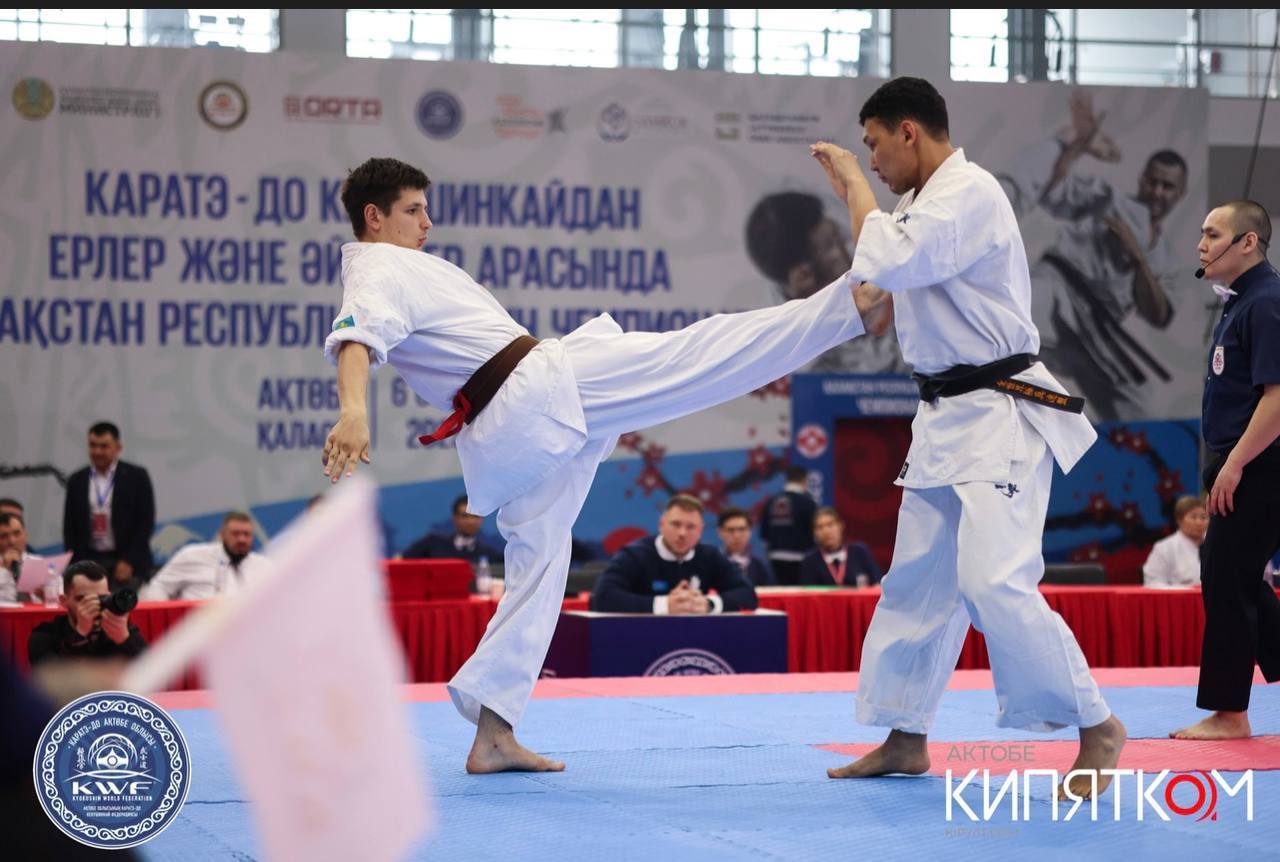
In karate this feeling is very familiar. Especially during hard training sessions or fights, when it seems your strength has run out and your body is tired, yet you still have to keep fighting. I call it a kind of inner threshold. Everyone has their own. Some people stop when they reach it, because they aren’t ready to go further yet. And some find the strength to step over that barrier and reach a completely new level.
When you manage to break through that inner wall, something amazing happens. You’re reborn, like a phoenix. You feel a new sense of confidence, a huge surge of energy, strength and positive emotions.
You suddenly realise you’re capable of far more than you ever expected of yourself. Of course, sometimes you need to stop, recover and take stock. But the main thing is not to give up on your goal just because difficulties have arisen on the way.
For me, a second wind isn’t just the moment when new strength appears after fatigue. It’s the moment when you stop believing in your own limits and start believing in your own potential. And that, perhaps, is what karate has taught me above all.