When my old goals ran out, sport brought new ones into my life
“I’m 45. Planning for the long term — what, planning my retirement? No way!”
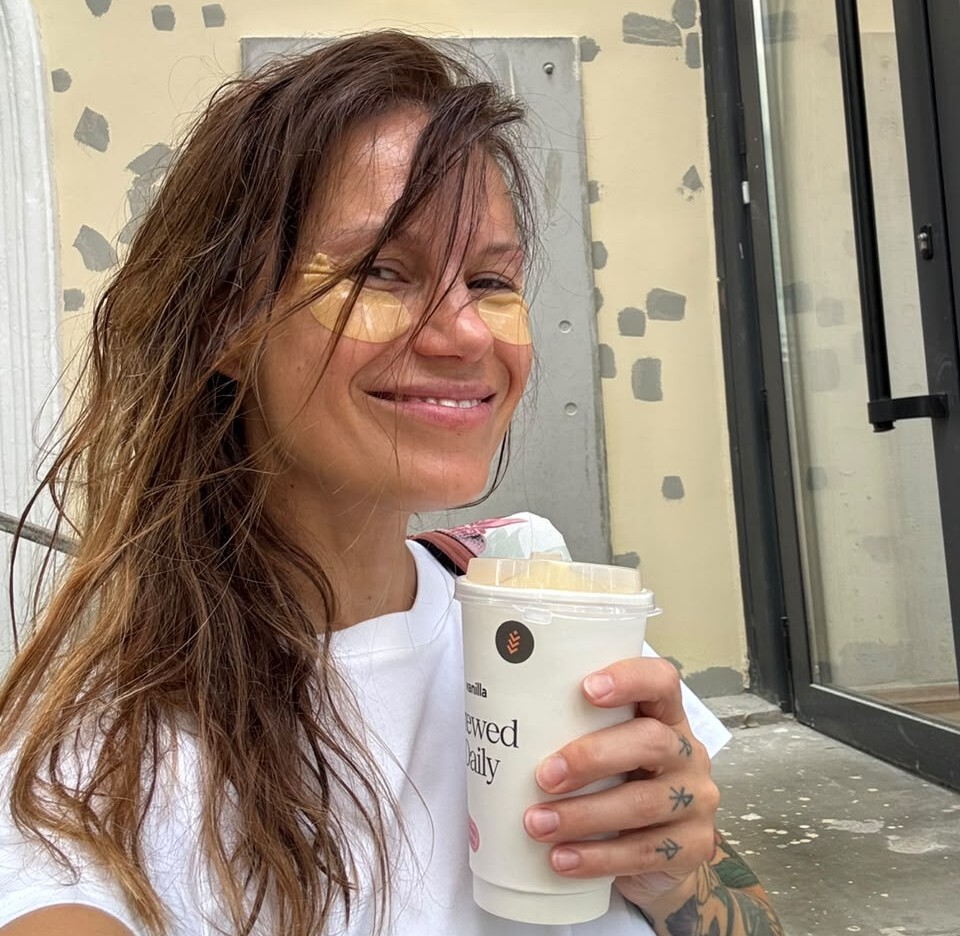
Valeria Reshetnyak, 45, is a department director at an advertising agency and a mum of two children, a dog and a cat. Two years ago Lera took up running — mostly, in her own words, out of curiosity. In the end, sport gave her more than training sessions and medals: it gave her new goals, new people around her and a constant test of what else her body is capable of.
Today she swims in open water, practises yoga and is still curious about what she might become when she grows up. At the same time, Lera doesn’t believe for a moment that sport after 40 is only about inspiration, willpower and impressive results.
We talked about why an adult would choose to become a beginner, why it’s sometimes better to “moan and get on with it”, and how many second winds one life can hold.
Running out of boredom
01Let’s start at the very beginning. What was your relationship with sport like as a child and as an adult?
— I never had a serious relationship with sport, either as a child or as a teenager. I swung from all sorts of sports clubs my parents took me to, to the gym with my girlfriends at university so we could meet boys.
After my second son was born, I went back to the gym with a specific goal — to get back in shape. I liked training, the weights and the atmosphere of the gym, but unless you’re aiming for bikini fitness competitions, the coach isn’t interested in you. So I only had enough drive and motivation to stay in that routine for a long time, without ever fully immersing myself emotionally or changing my habits.
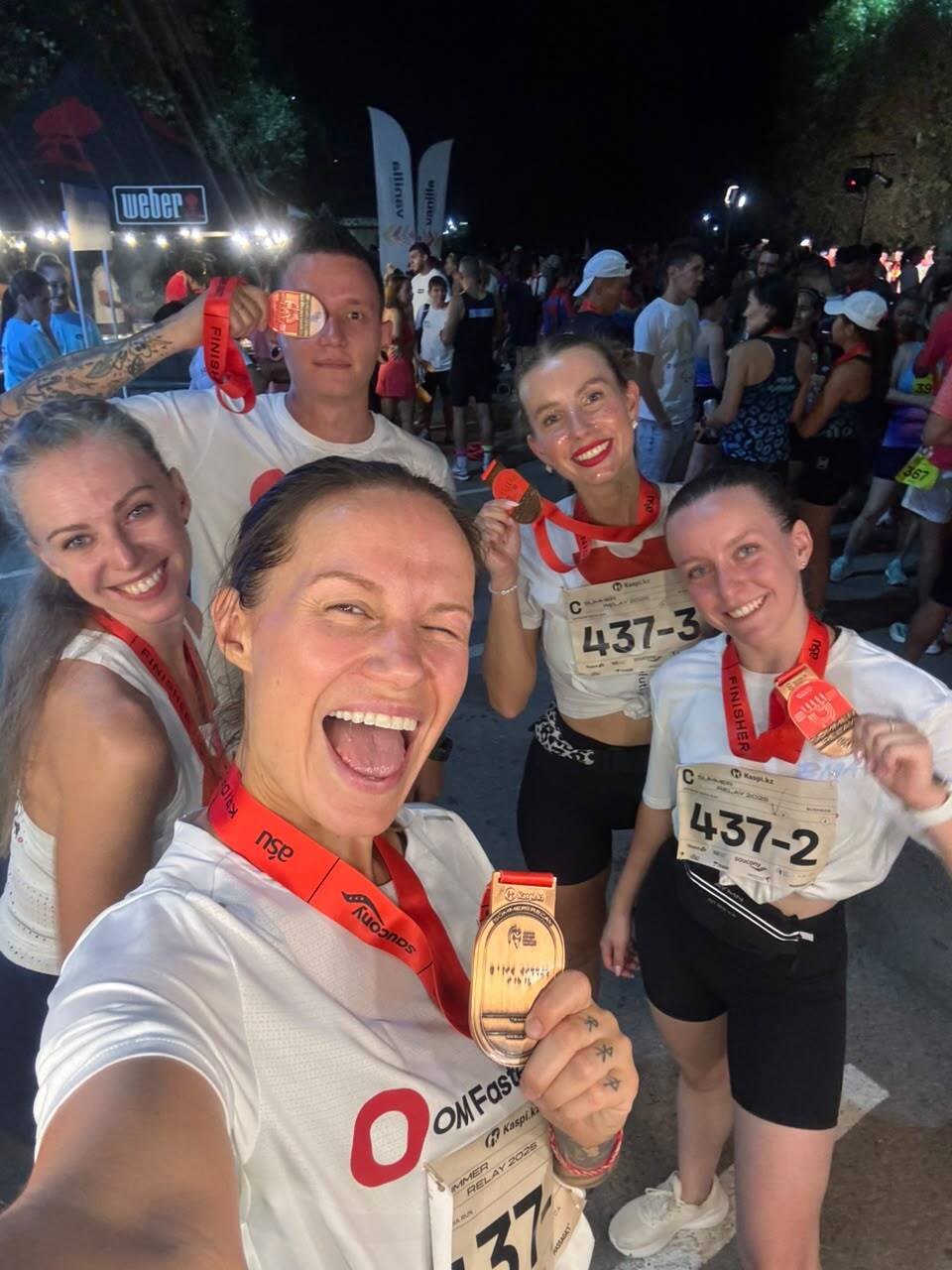
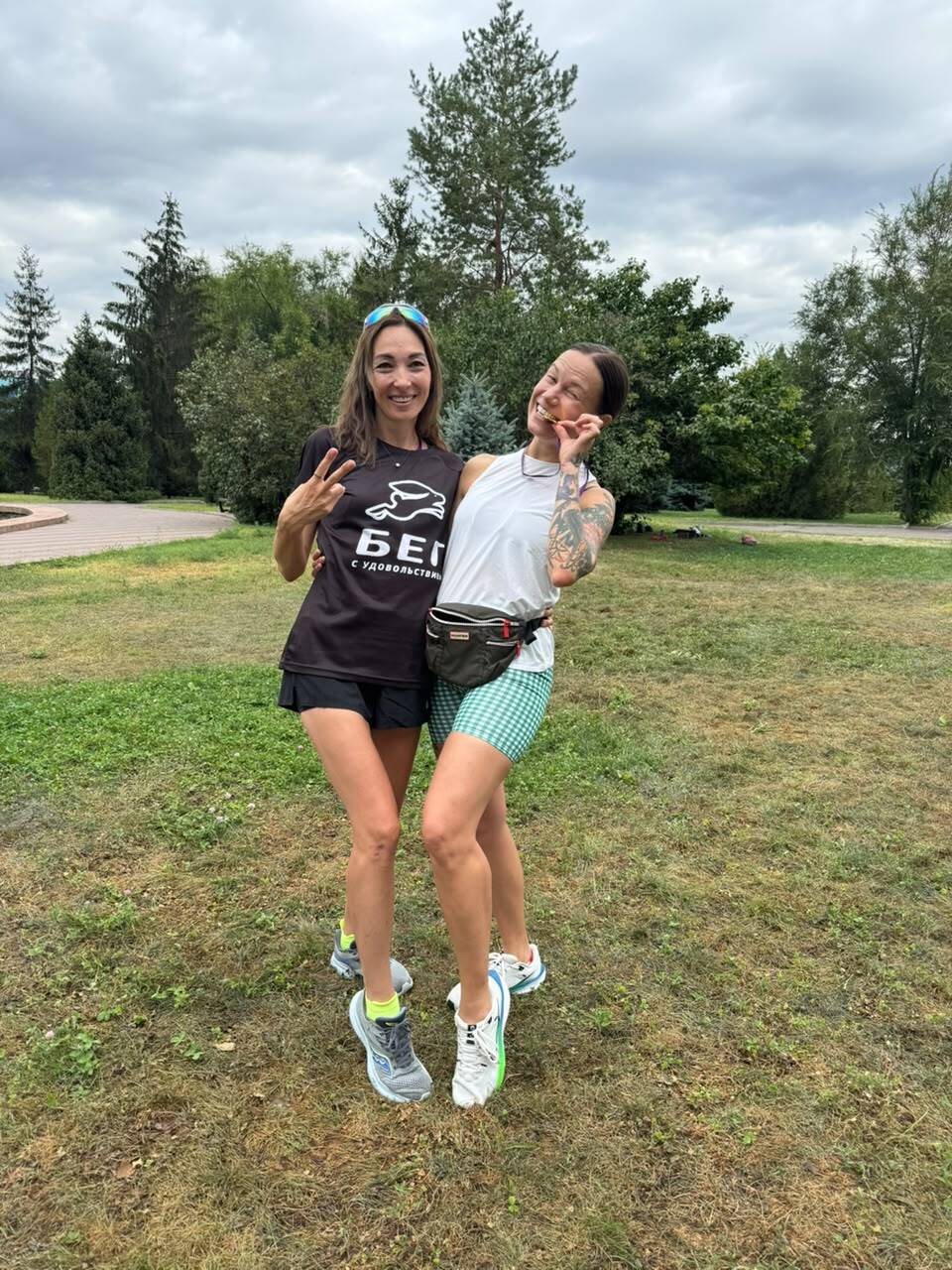
A few years ago, after going through some serious changes in my life, I took up running — mostly out of boredom and curiosity, thinking: it can’t get any worse. A public commitment kept me from dropping out in the first three weeks of the “21 Days” beginners’ course, and then I tried “grown-up” training at the stadium and I was hooked. The feeling of flying, of my body’s strength and of being part of something big and important kept me from giving up running even after an injury.
02You’ve said that, at one point, sport helped you build something to lean on after a difficult period in your personal life. How did that show itself?
— During that difficult period, a friend of mine noticed that my non-stop sport (by then it was mountains, bouldering, running and the gym) helped me burn off cortisol, manage stress and cleanse myself, get out of the mental loop of problems and worries, rest and recharge.
My running club quickly taught me to throw myself into any adventure, with the promise of a buzz, togetherness and those coveted medals. It came at just the right time: in middle age, many people lose their usual goals and sense of direction — everything has either been achieved or no longer interests them at all.
Against that backdrop, my psychologist noticed in one of our sessions that I increasingly had only short-term goals on the horizon and never mentioned a long-term plan. I was outraged: “I’m 45. Planning for the long term — what, planning my retirement? No way!”
I’ve already turned a new professional page a couple of times, and I don’t dream of grandchildren, but planning next year’s calendar of swims and working out where to squeeze in time to learn a new sport — that really fires me up.
There’s also a belief that it’s hard to make friends once you’ve left school. Well, for me sport is like school when you’re a child — a wonderful chance to meet people who end up next to you by necessity but turn out to be unexpectedly kindred spirits. People who will stay with you, if not forever, then certainly for a long time. In those difficult times my social circle changed completely, and the friends who came into my life through shared interests helped me not to retreat into my cocoon and to build new things to lean on.
03You moved quite quickly from your first runs to 10 and 21 kilometres. What helped you not to give up and to start setting yourself more serious goals? After all, not everyone can run those distances.
— My coach (laughs). And the buzz of the club. And actually, I’ve only run a half marathon (21 kilometres) once so far, a year after I started training.
Short-term planning in sport only seems short-term: before a new season starts, you already know all the upcoming races, you plan your time, money and energy, and you make it official by buying a slot. That can’t help but motivate you. And sport also helped me understand my own nature.
It’s easier for me to moan and get on with it than to feel sorry for myself and give up. It turns out I’m a fighter by nature — I don’t know how to indulge myself.
From running to water
04Tell us how the running story ended. Weren’t you tempted to decide that sport just “isn’t for you” and look for a calmer hobby?
— Running ended because I had no choice — another injury, after a race in Samarkand. You should have seen how happy my rehab specialist was when I chose not to have surgery and to switch to swimming instead.
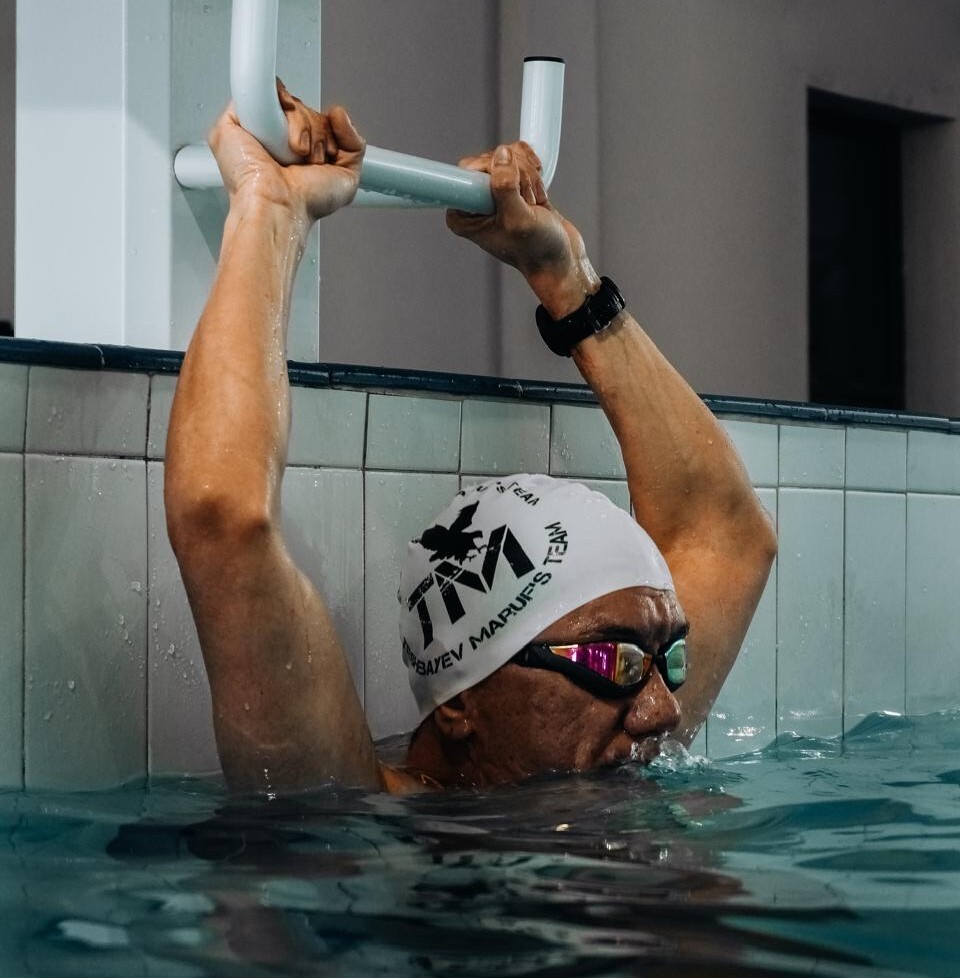
The pool, by the way, came into my life just as spontaneously and at just the right time: a new pool was opening near my home and my work, and in Samarkand I had almost signed up for the Samarkand Challenge — a mini triathlon, for which my swimming technique wasn’t good enough. I signed up at the pool, not yet knowing that it wouldn’t be a temporary addition to running, but a new life — one that would keep me sane without running goals, training sessions and a community.
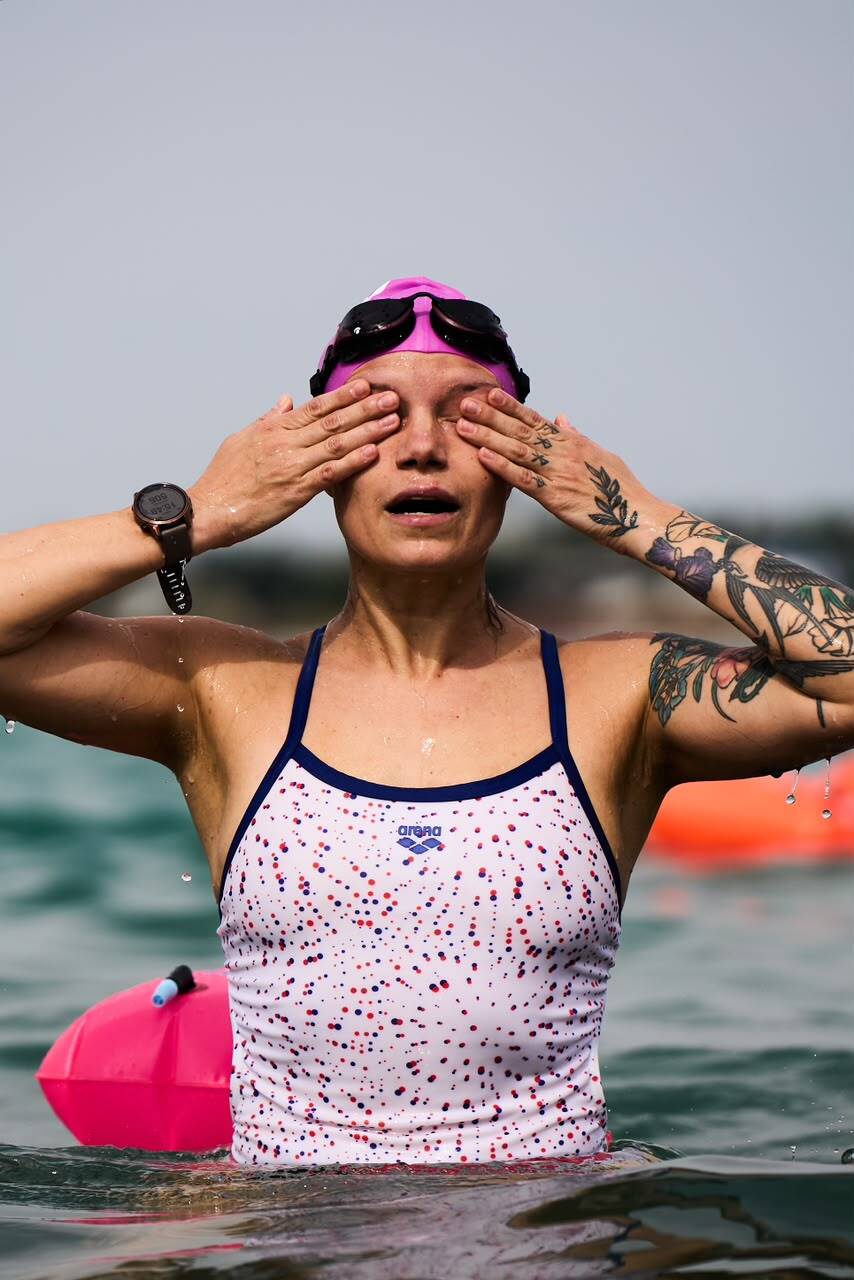
The change came into my life surprisingly easily. For me, whenever one door closes, another one opens. I felt relieved. It was as if I couldn’t say no to running myself, but I no longer felt the same drive, and it all came to an end on its own, in the best possible way. I was lucky that at the new pool my coach was Danil Nitendal from Swim Formula.
A perfect match: an anxious student and a calm, confident teacher. Throughout my swimming journey he has patiently soothed my worries and fears and supported me.
05At what point did it stop being an enforced workout and become a passion in its own right?
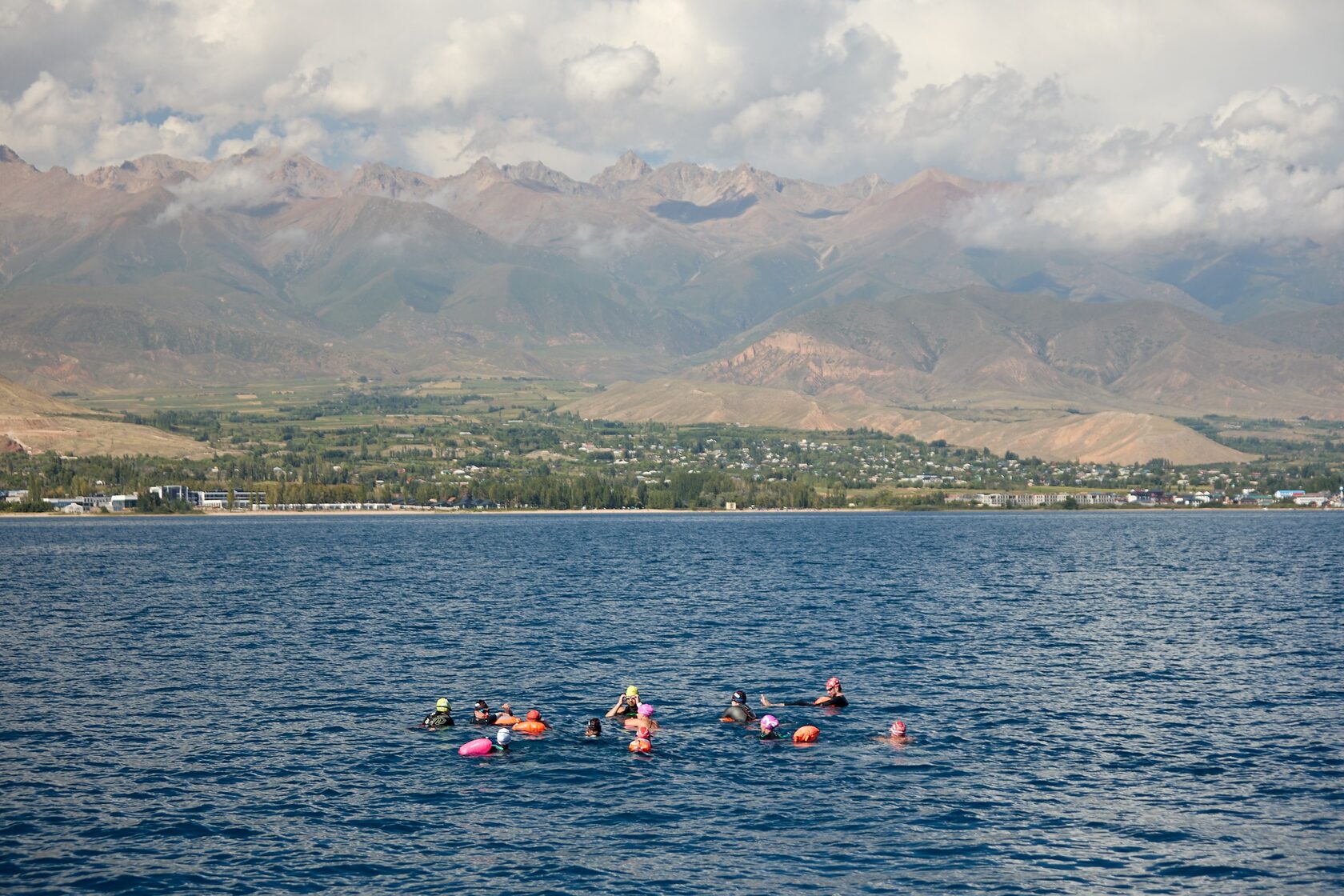
— It’s hard to remember the moment when I started loving pool sessions. I remember finding out I was allergic to chlorine and that swimming wouldn’t be easy. But it was definitely the start of the open-water training season at Kapshagay that gave me my second wind in swimming.
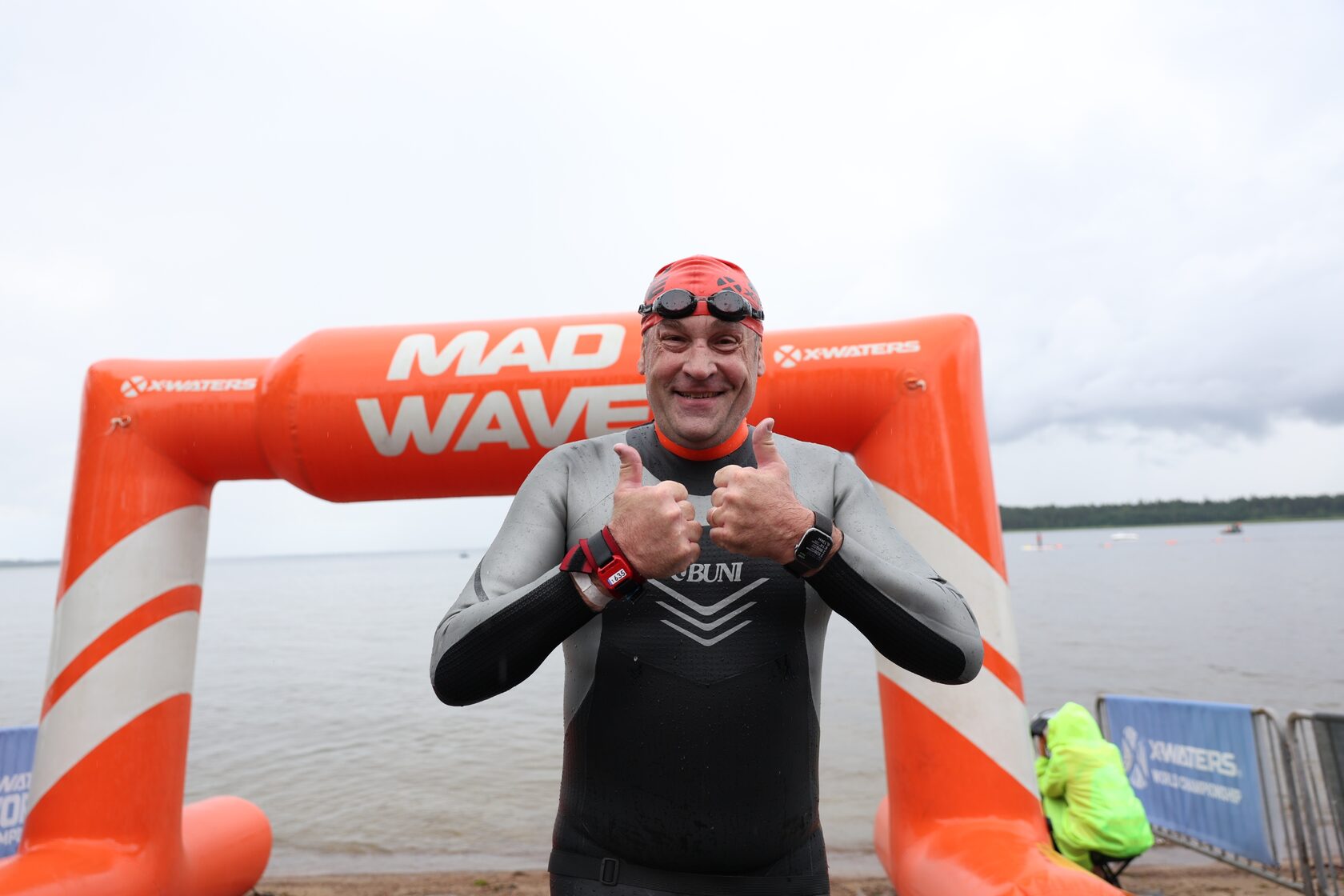
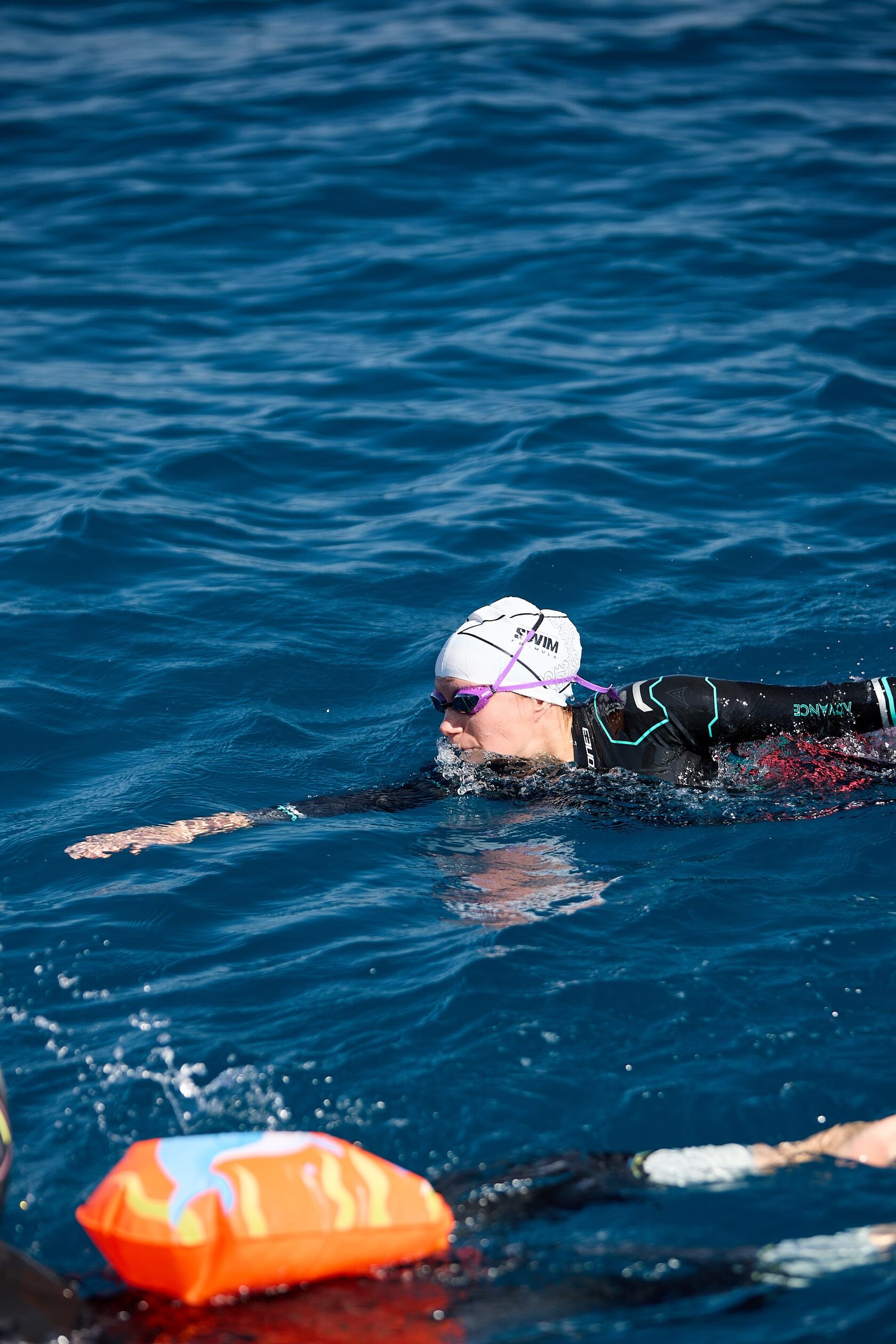
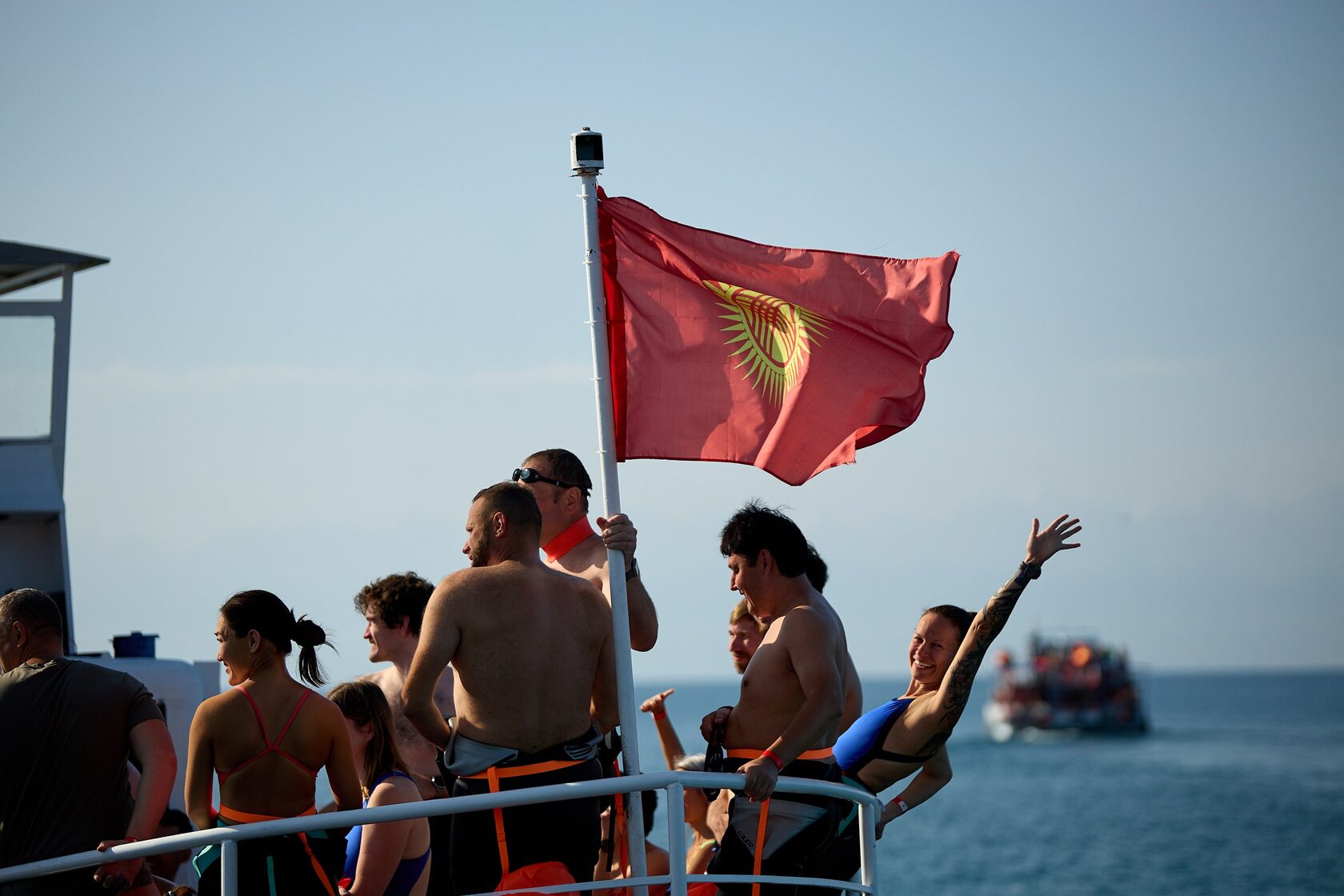
I remember that in our third session we swam across Kapshagay: there were big waves in the middle, it was hard to sight on a factory chimney somewhere really, really far away, and I suddenly thought: “We’re swimming like grown-up swimmers.” That’s when I realised I wasn’t afraid and I wouldn’t give up.
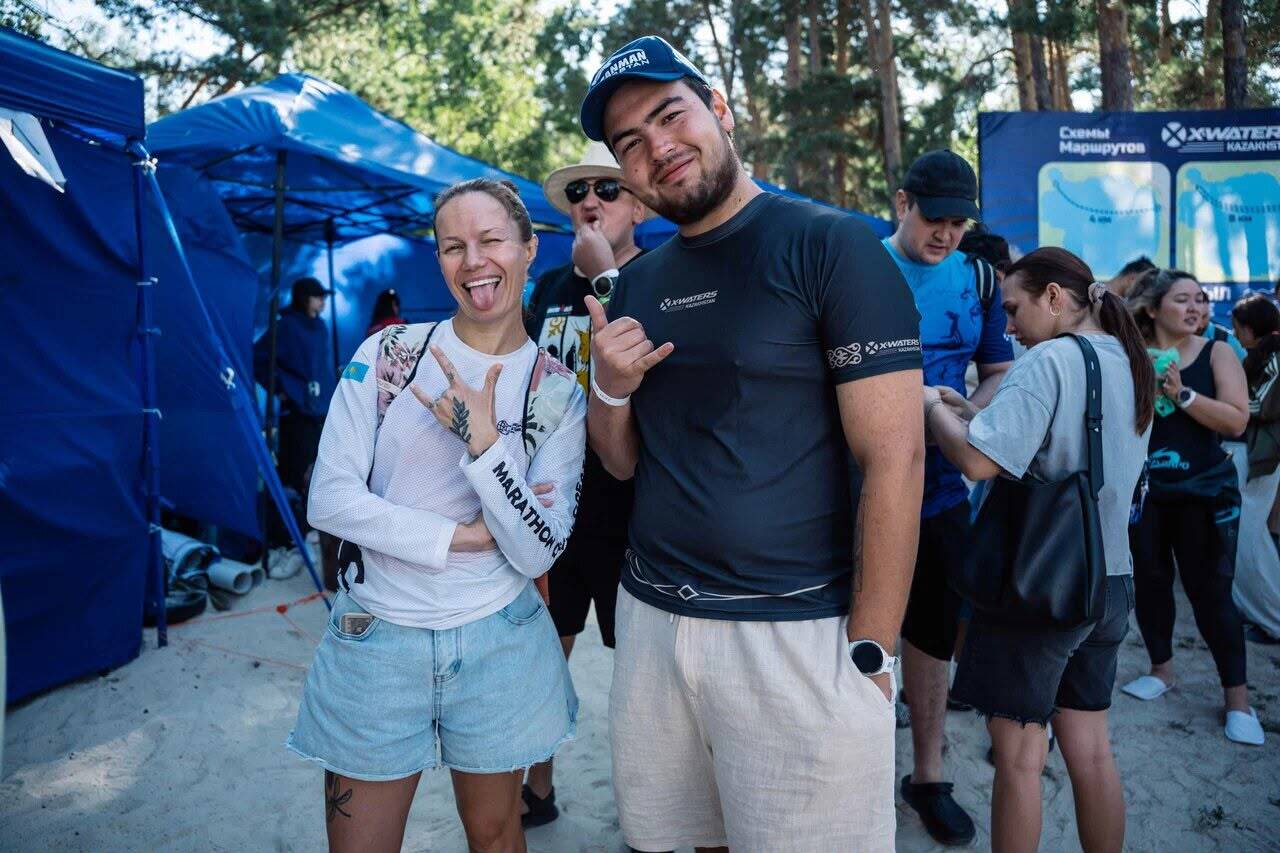
At the same time, I’m the slowest in our group. I was put into long-distance sessions with the strong swimmers, and I always came in last. I cried in the car on the way back to the city. But after every session like that, I knew I was getting stronger, physically and mentally. And after the Krida OpenWater competition I realised I could really enjoy it.
06What turned out to be the hardest thing about swimming for you?
— The hardest thing was accepting that there are things I can’t do yet. That I’m a beginner, that I wasn’t made for the water, and that I would have to work my socks off to keep the right to choose my distance. Technically, the hard part was breathing.
But at my last swim in Borovoe, when there was a storm and waves, my body somehow adapted by itself, and a solution popped into my head: “I’ll breathe between the waves.” I felt absolutely calm and curious, and I thought I was ready for the ocean.
But when people tell me, “That’s a great result for your first year of training and for your age,” — it drives me absolutely mad. I just want a good result.
My people and my body
07You often mention the sporting community and the people around you. Why has community turned out to be so important to you, and what does it give you beyond training together?
The sporting community makes you realise you’re not crazy, that your choice is valid and that you’re not alone.
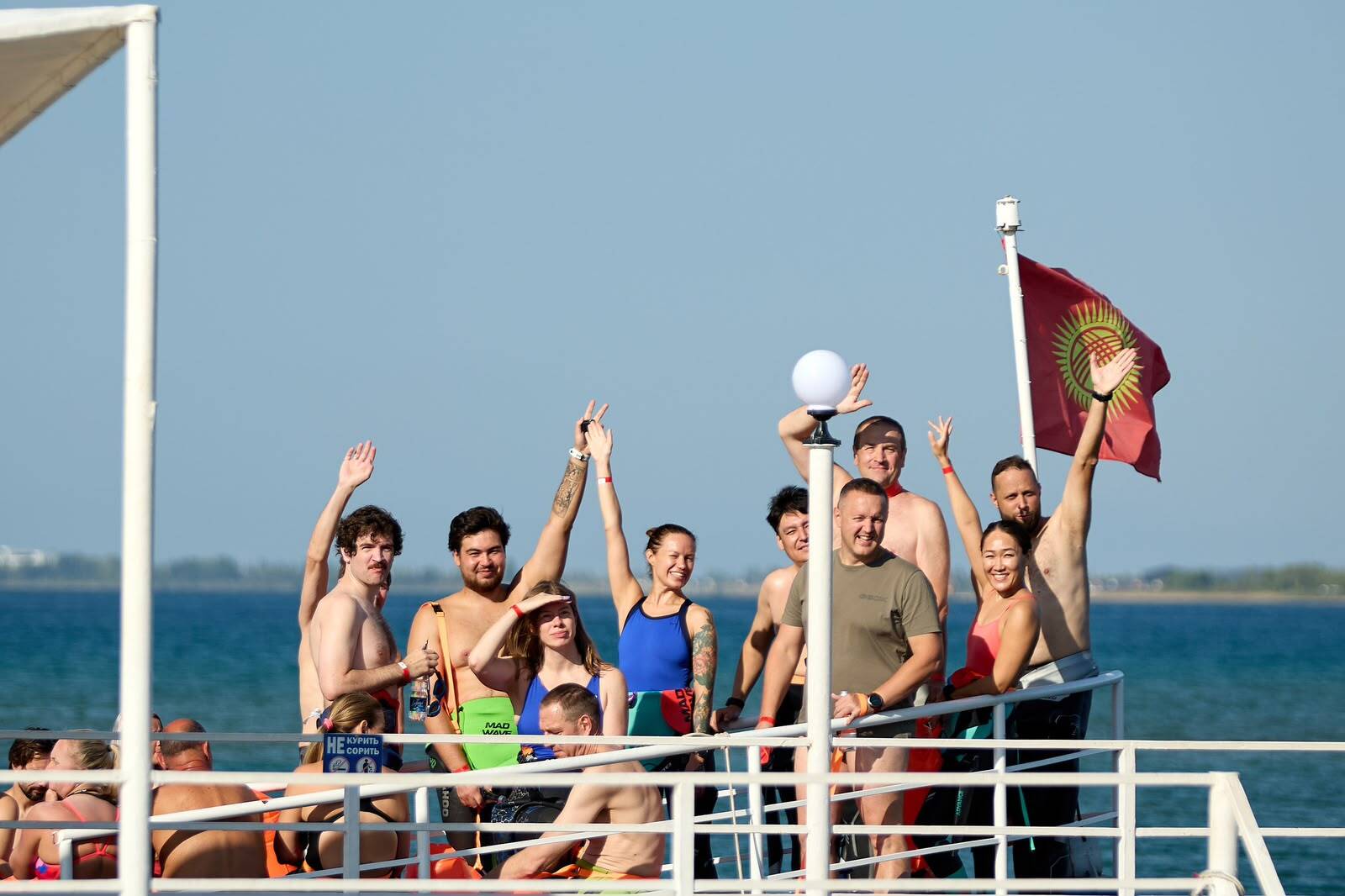
People outside the sports crowd don’t understand the “twisted pleasure” of getting up at 5 a.m. on a Sunday in early June and driving an hour and a half to Kapshagay to swim from one shore to the other in a wetsuit. And then you discover you’re in a couple of new group chats where you plan trips with the others to swims all over the world, share funny reels and simply become friends.
08Through swimming, yoga has also come into your life. At first as stretching and recovery?
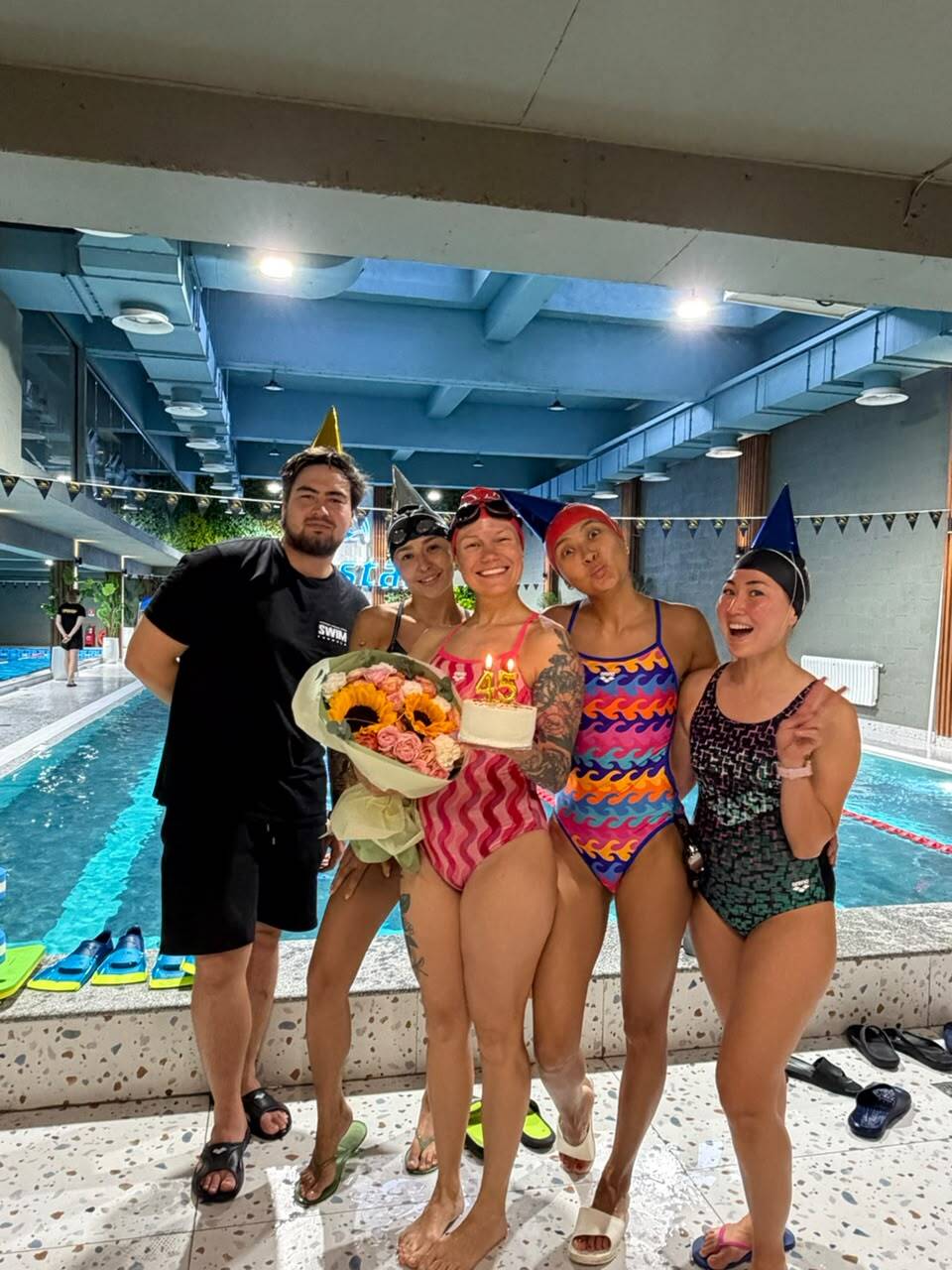
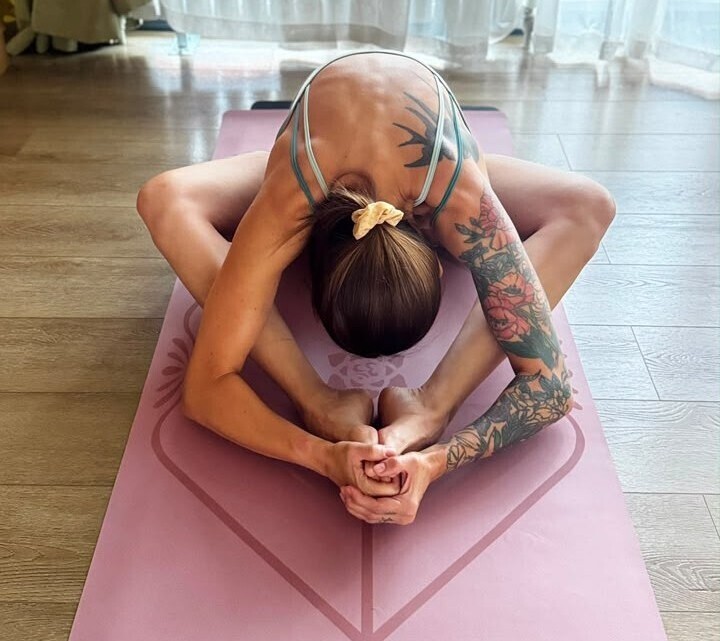
— I fell in love with yoga unconditionally just a couple of months ago. I came to my teacher through the women from Ocean Team Family — we share neighbouring lanes at the pool and have become friends too. I was thrilled when I found out that the yoga teacher is also an experienced swimmer!
I felt my body was missing something. I wanted to try something else — not something that competes so hard for my energy, like bouldering, but something that complements it. With Asel, I can see my body changing after literally every session. Everything I love: strength of spirit, body and will, all in one.
At the same time, for the first time I have new goals that aren’t tied to competitions and stress but are based on discipline and consistency. There’s a community there too. And a powerful aesthetic side.
09How do you manage to combine a management job, training and ordinary life — in which, unfortunately, nobody has yet abolished fatigue, household chores and work deadlines?
— It isn’t all that complicated for me. First, I have understanding managers and a forgiving work schedule, so I can go off to competitions from time to time. I fit my training — both yoga and swimming — in before work. My children are old enough not to see me in the morning or at weekends.
From the start, sport fitted into my routine rather than breaking it. I can get up for a morning session and then put in a full working day. The other thing is that I’ve stopped cleaning and playing housewife altogether. But that’s more of a plus, really.
10You once said that sport helped you understand that you are a deeply physical person. What do you mean by that?
— My relationship with my body has changed a lot. First, I now feel it’s a waste — and unpleasant — to drink alcohol or eat unhealthy food. I’ve started listening to signals of fatigue, noticing my body’s reactions better and understanding what really suits me and what doesn’t.
Second, any break from sport immediately changes my emotional state too. Not depression, of course, but apathy definitely washes over me completely. I’m like a wind-up torch: the more you turn the handle, the brighter the light.
And, strangely enough, I think that at 45 my body is in the best shape it has ever been. A side benefit.
11How do your children feel about your passion for sport?
— I can’t say my children are especially active in supporting my sport. But I think that, over time, they’ve come to understand better why it matters so much to me. About three years ago we were in Georgia and went together on a two-day overnight hike to Lake Udziro. We walked about 20 kilometres. Afterwards the children said: “Thanks, Mum, we really enjoyed it. Never again.”
At the same time, they saw how thrilled I was there, and now they accept with understanding that I’m away at weekends when I disappear into the mountains. I leave it to them to choose the sport or activity they like.
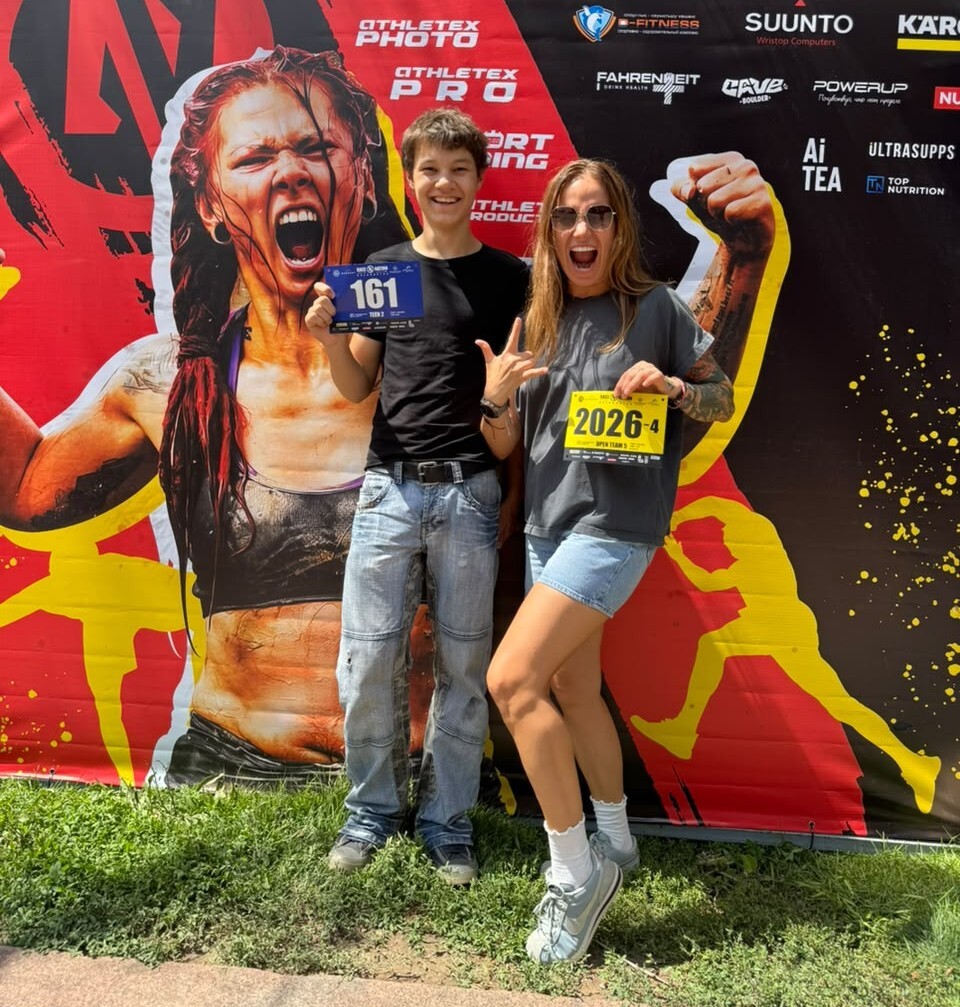
My elder son took part in RaceNation with me in 2025. We trained together for several months, which helped me stay close to him as he was becoming a teenager. Now he’s carried on going to the gym, which he started doing after me. And the younger one is getting more and more into bouldering, where at one point we all used to spend all our time together. Each of us has made our own choice and received full acceptance and support from the family.
I don’t lecture my children on the benefits of sport or make them copy me. But they see that an adult can set goals, try new things, learn, lose and start again. And they’ll know that they, too, can start over at any point in their lives.
How many second winds
12What would you say to someone aged 40–45 who is going through a difficult time and is thinking of taking up sport, but is scared, thinks it’s too late, or that their health isn’t what it used to be?
— I wouldn’t say that everyone has to follow the same path as me. I know lots of people who love themselves very much and wouldn’t put themselves through what I’ve faced. It means constantly pushing yourself, discomfort; it takes effort and spare money (which never exists). The clash between expectations and reality, comparison, judgement.
You have to focus only on your own path, even though people around you who are younger, stronger and healthier achieve better results. For me, sport is also very much about aesthetics. And when you’re a beginner at something at 45, not everything looks pretty — and that demotivated me too.
So if someone does want to take up sport, the most important thing, in my view, is to find the right coach. Not even the right sport — the right coach. Someone who will inspire you, support you and take all your individual needs into account. Because going it alone, without motivation, inspiration and support, is only possible if you have enormous willpower.
13And the last, now traditional question: what does finding your second wind mean to you?
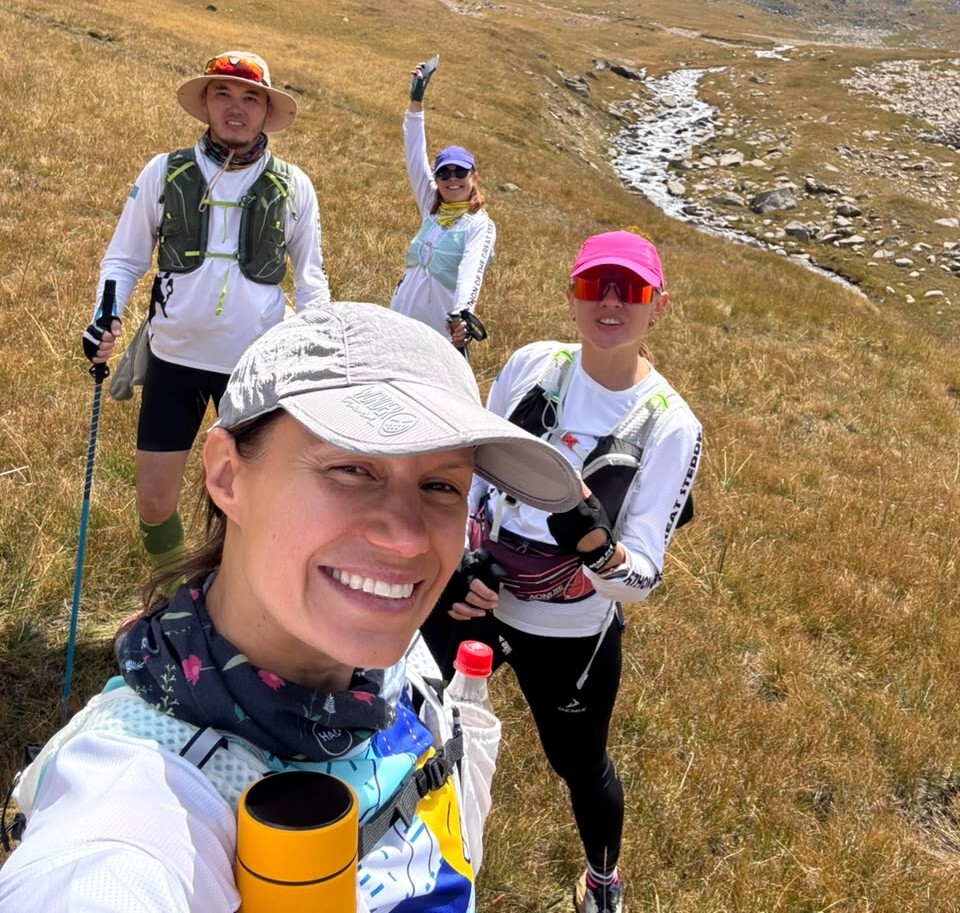
— Actually, I often use that term when I go hiking in the mountains. I know for sure: when you set off on a route, you spend the first stretch moaning: “Why am I even doing this? I should have stayed in bed. It’s five in the morning and I’m dragging myself uphill, sweaty and barely breathing.” And then your second wind kicks in — and you’re not just walking, you’re flying uphill and enjoying it immensely.
It’s the same with swimming. Very often, for the first 500 metres I swim and think: “Why bother? Who am I? Where am I? Why me?” And then you settle into a rhythm, into that monotony. Everything starts to feel very right. Your thoughts gradually clear, and you simply focus on your body and your rhythm.
And if we talk about a second wind as a more abstract idea, I’m not sure that what’s happening to me now is my one and only second wind. I’ve tried new professions several times, and this year I changed sports. For some reason I think that at 50 I’ll start another new chapter. And then, perhaps, another and another.
It’s just that at 40–45 there comes a point when your original goals and directions are largely exhausted. The stage of life that held youth, fun, career, ambition and much more gradually loses its former meaning. You can spend years searching for a new meaning — or you can simply find something to do. Not a profession or a calling, but a hobby you love, and who knows where it will lead. This is where the principle of “always say ‘yes’” works really well.
Only at this age can we afford to choose a hobby and a goal more consciously, without limits or worrying about what’s popular — to listen to ourselves and go where we personally feel good. For me it often happens completely spontaneously. I just agree to something, go along, watch myself and think: “Oh, yes.”
With running, for example, that didn’t happen in the end. I did it for just over a year. I haven’t even spent a year in swimming yet, so I don’t know what it will turn into. Of course, I’d like to try different swims. But on the other hand, there’s also surfing, bouldering, horse riding and loads of other activities. So I really don’t know how things will develop.
But for me a second wind is definitely the moment when you let go of your old expectations and disappointments and try to do something from scratch. At the stage of life and in the situation you’re in right now.