Gels, bananas and fish soup: how to fuel a long swim
What should you eat if you’re going to be swimming for several hours in a row? Do you need sports gels, or can ordinary food do the same job? And why can one swimmer happily eat meat during a race, while for another even a banana causes stomach trouble?
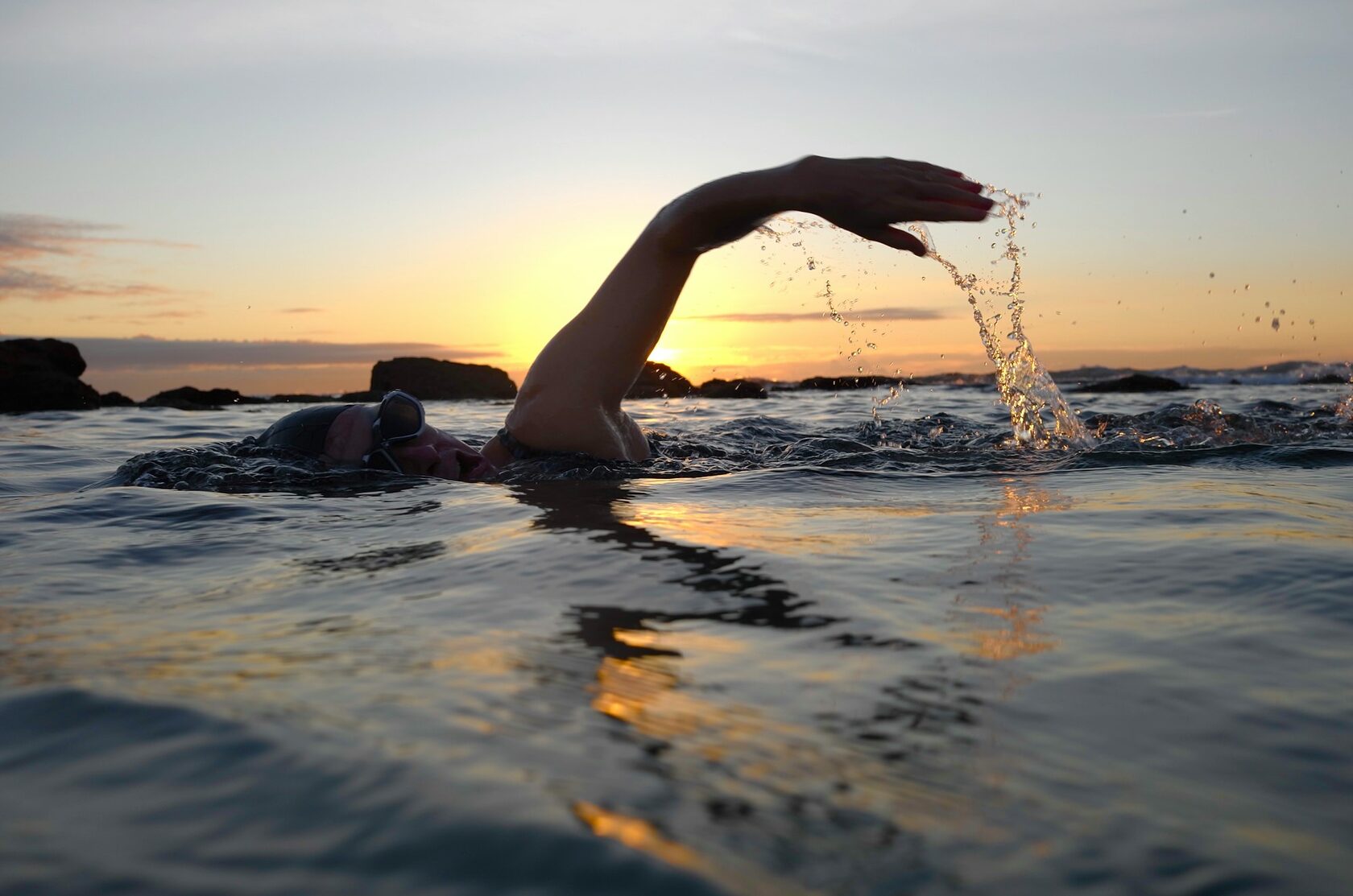
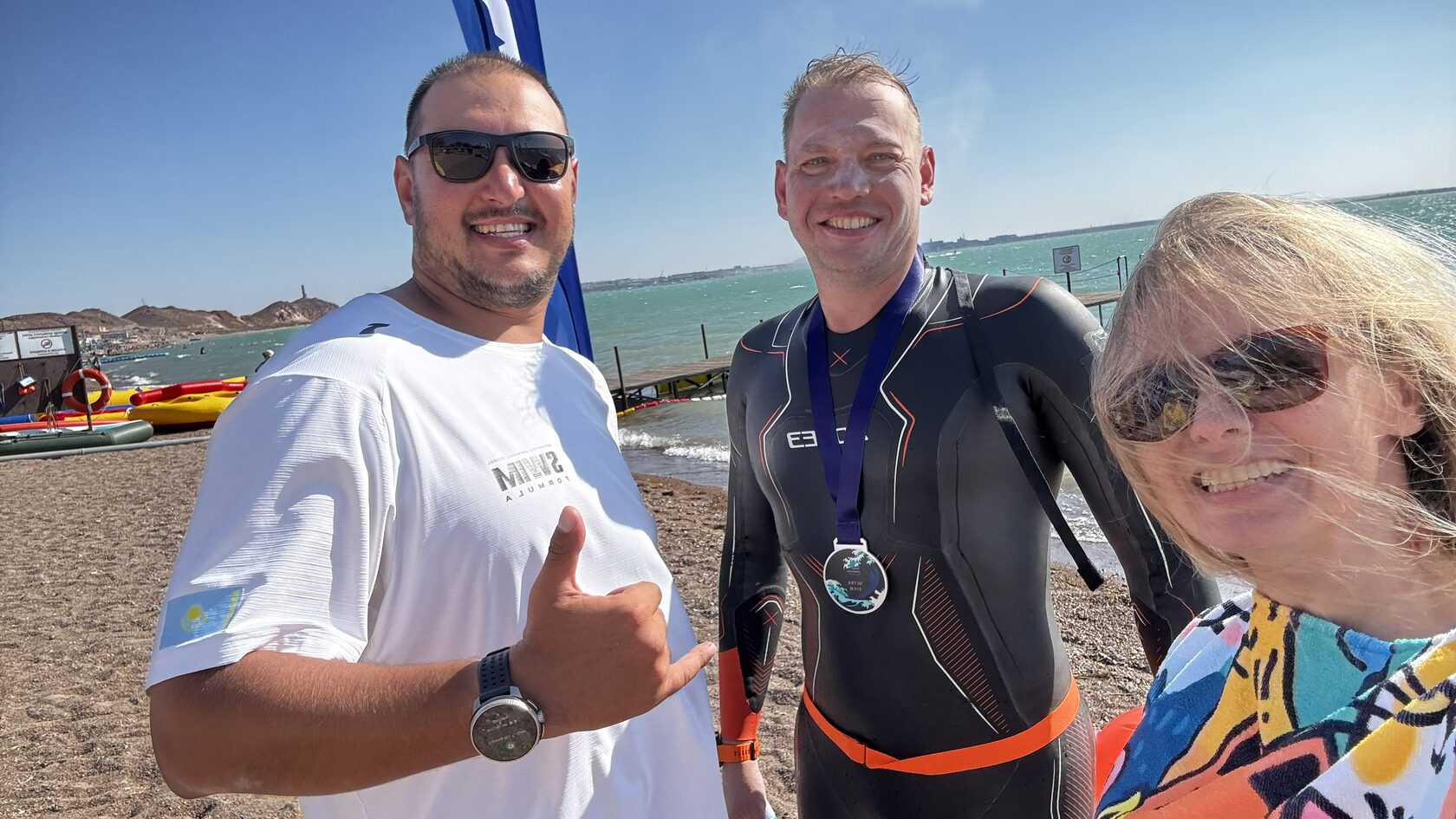
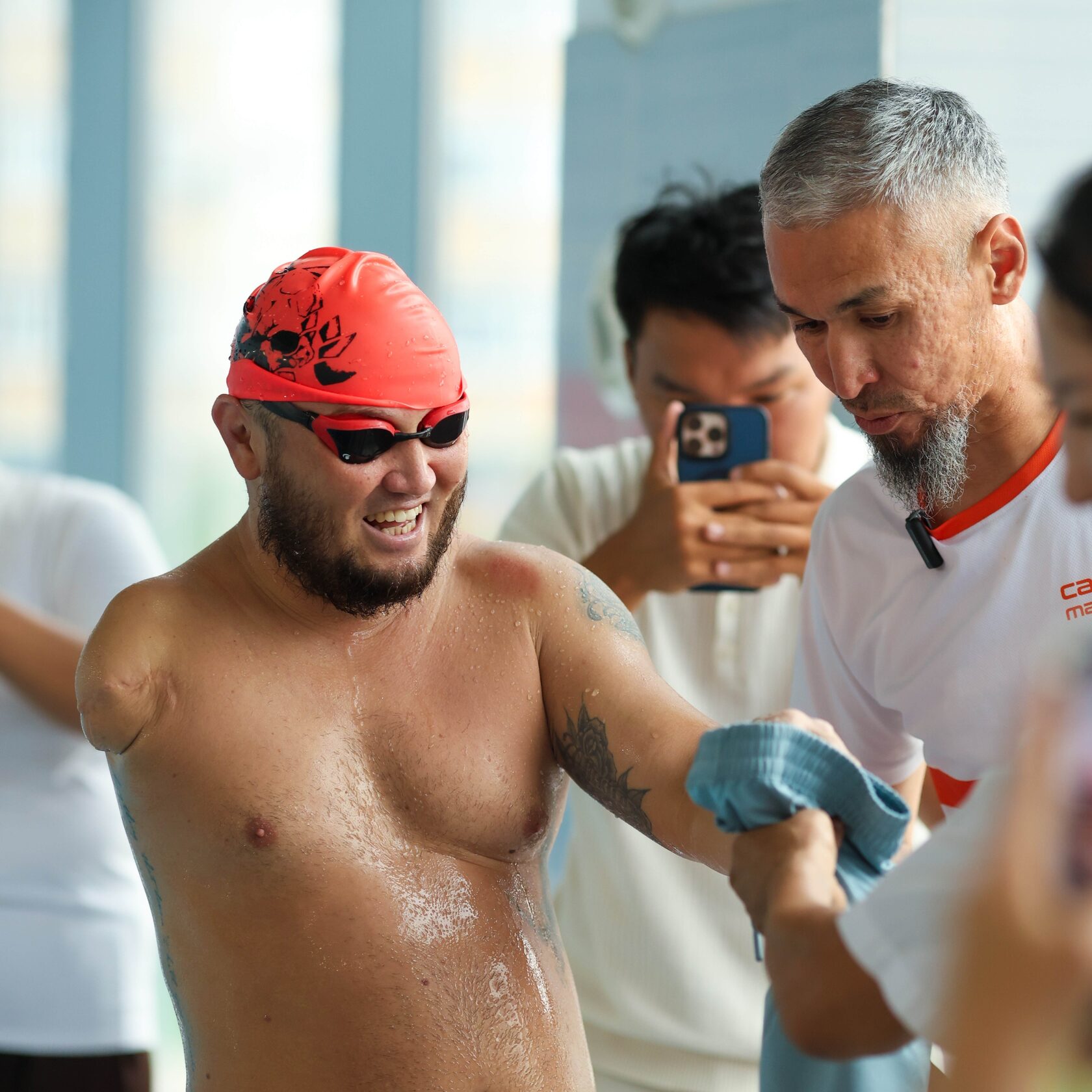
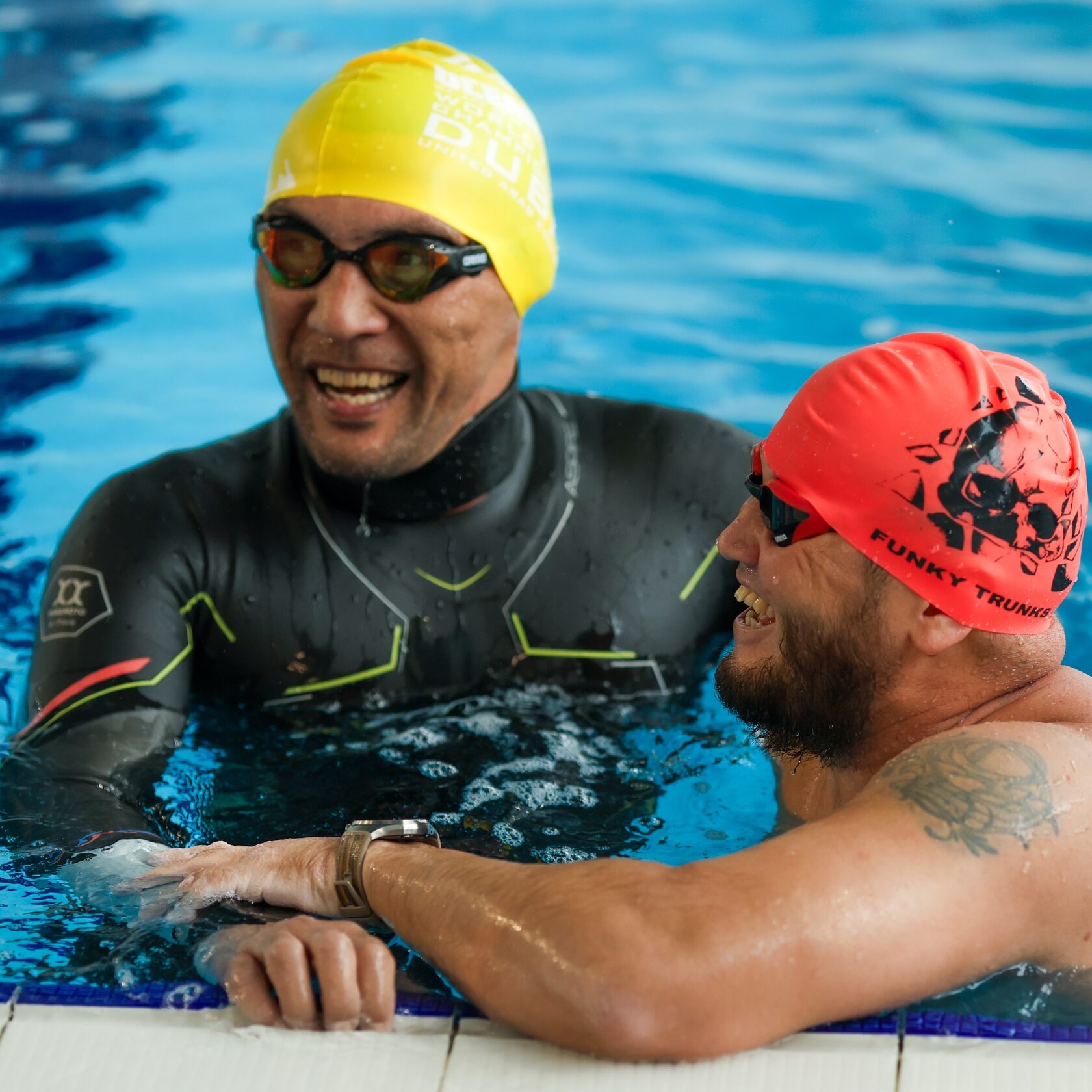
In mid-August, Kuanysh Askar from Aktau spent 24 hours in the pool and swam 57.4 kilometres in that time.
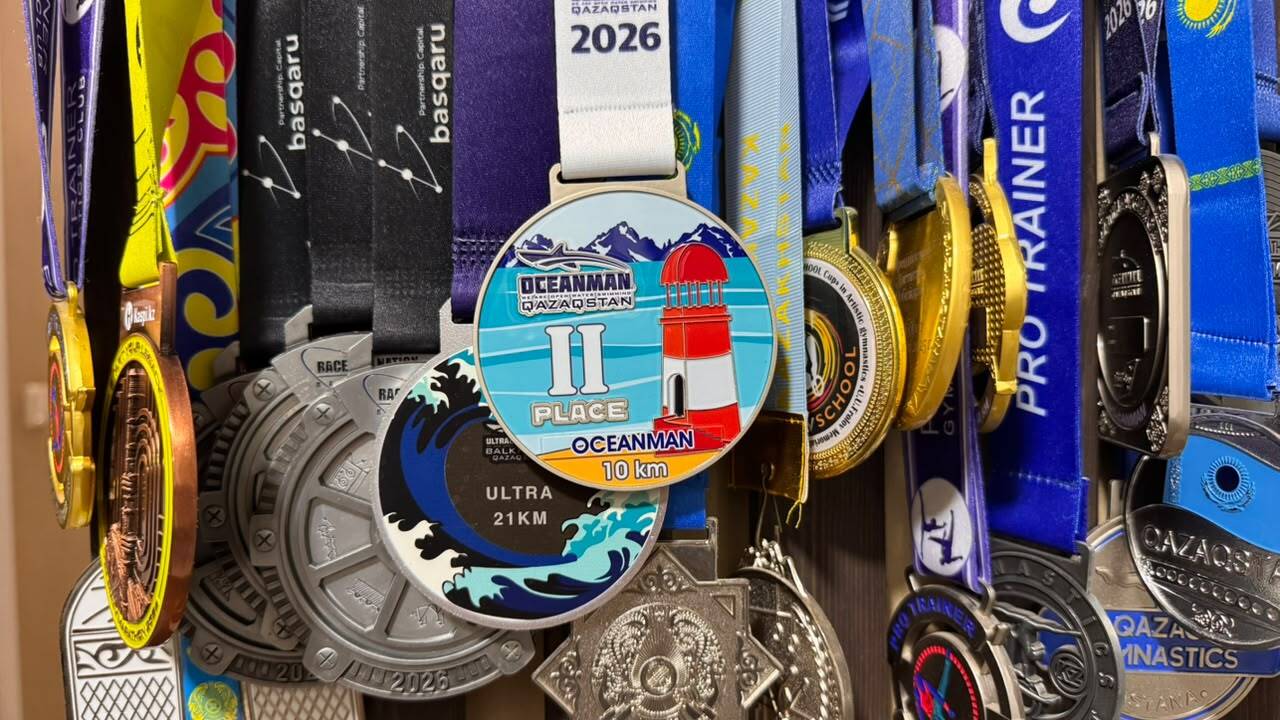
Kuanysh is a para-athlete and swimming coach at the Mangistau Regional Club for Athletes with Disabilities. Competing with one arm, he planned to cover 50 kilometres in 24 hours, but in the end swam considerably further. Before that, his longest continuous swim had been 26 kilometres.
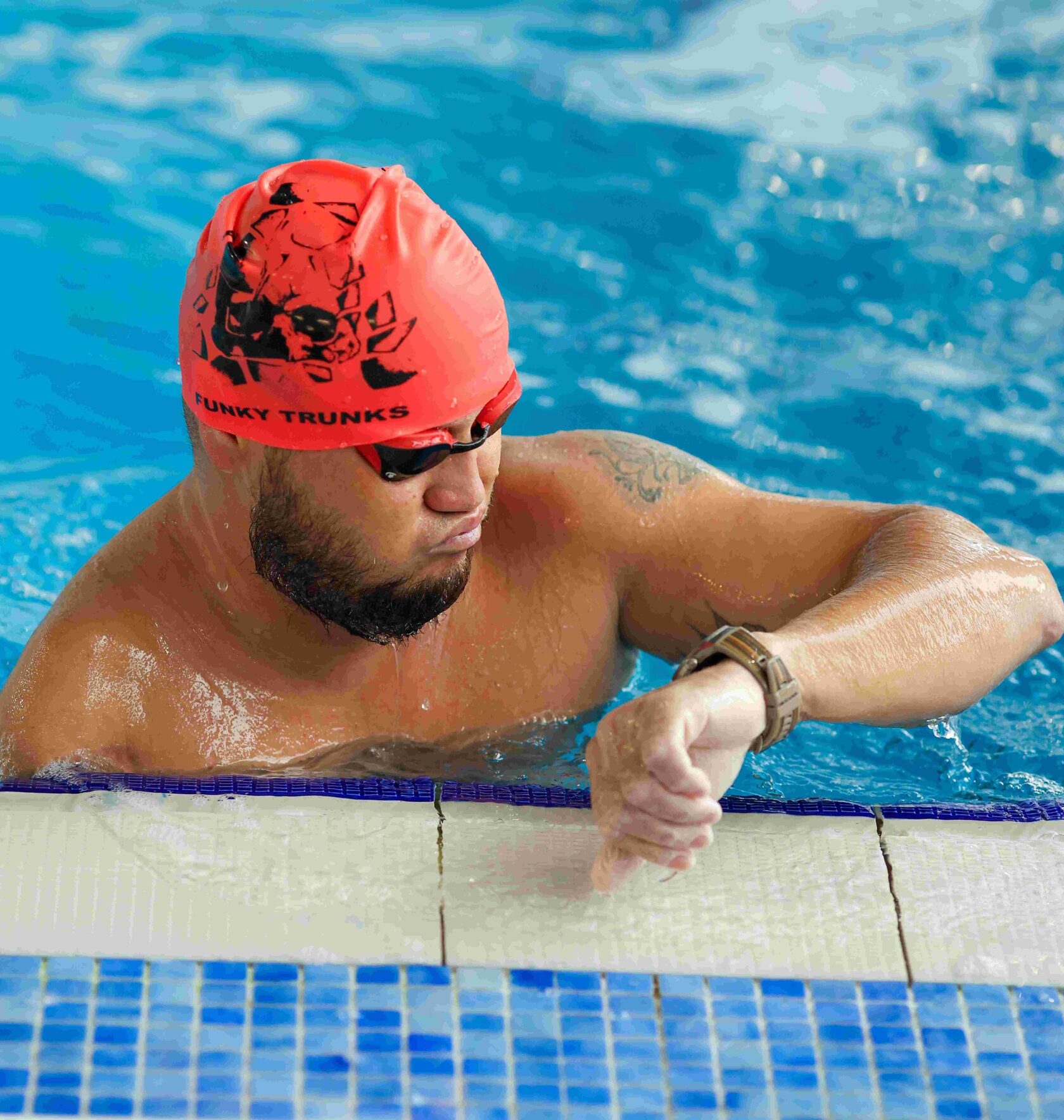
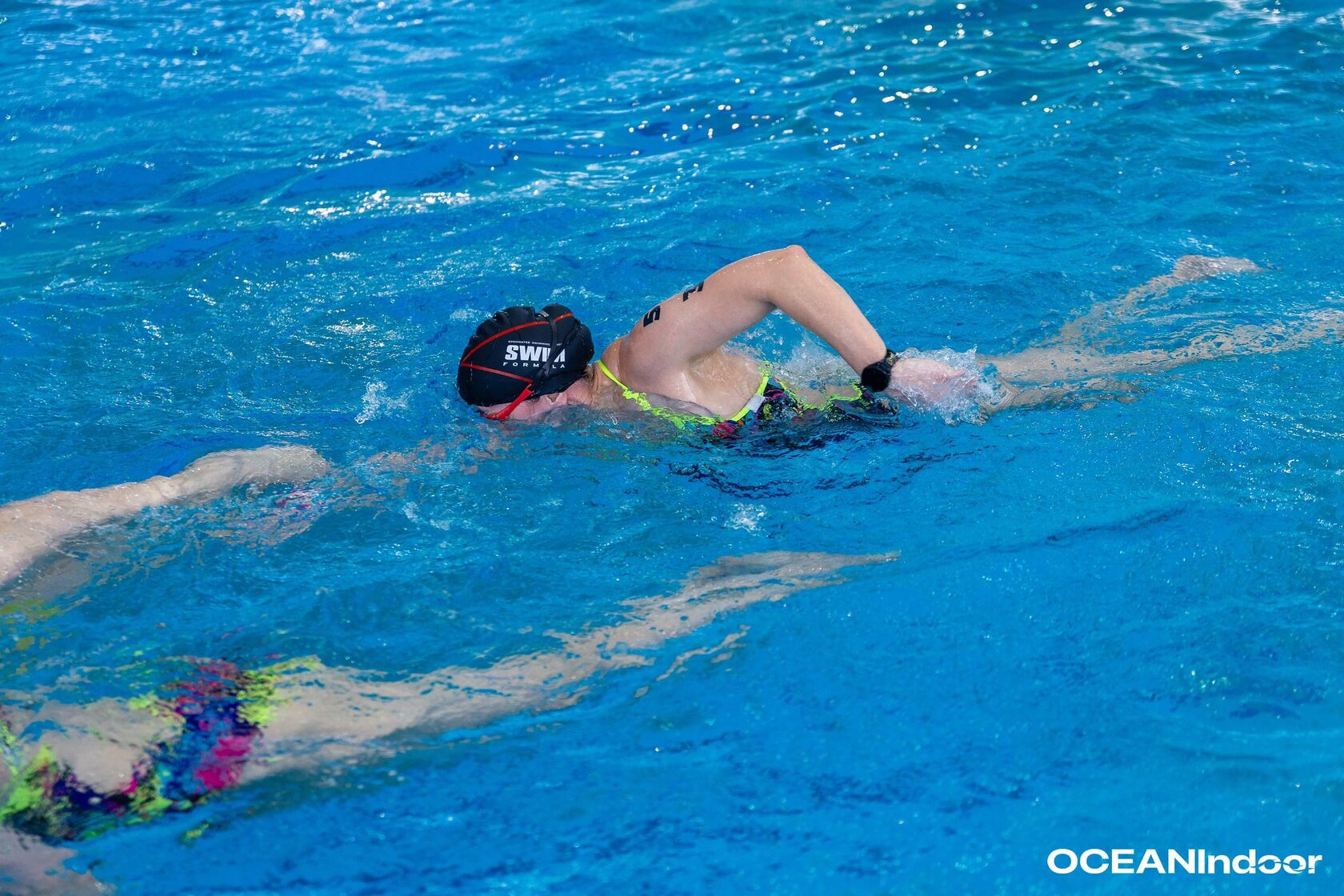
And a week later, Kuanysh and I will be at the same start: on 29 August we’ll be swimming 21 kilometres on Lake Balkhash. For now, though, we only know each other from the participants’ shared WhatsApp group. In the chat we discuss training plans and approaches, achievements and personal experience. Including nutrition, because over a long distance the question “what shall I eat?” quickly stops being an everyday one.
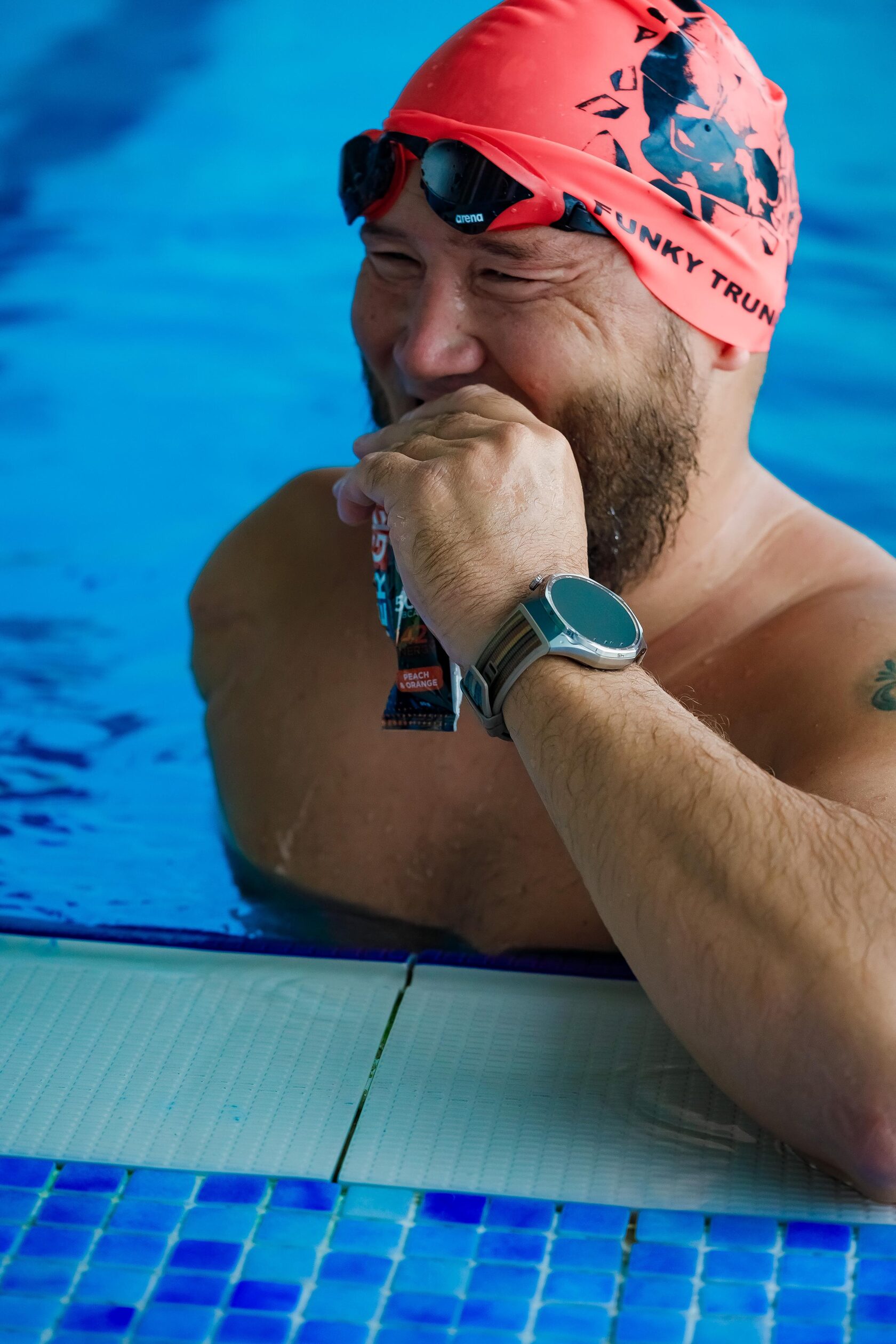
While preparing for Balkhash, I managed to test several options on myself. Kuanysh has far more experience of long swims. I was curious to see how far our personal observations match what sports science knows.
Bananas turned out not to be for me
When we started doing long training sessions in the pool, I tried taking perfectly ordinary food with me: bananas, nuts, bars.
The logic seemed obvious. Why eat something out of a sachet when you can eat a banana?
But it soon turned out that my stomach didn’t share that logic. Bananas and other ordinary food during long swims caused wind, heaviness and other unpleasant sensations.
By trial and error I came round to sports gels and electrolytes.
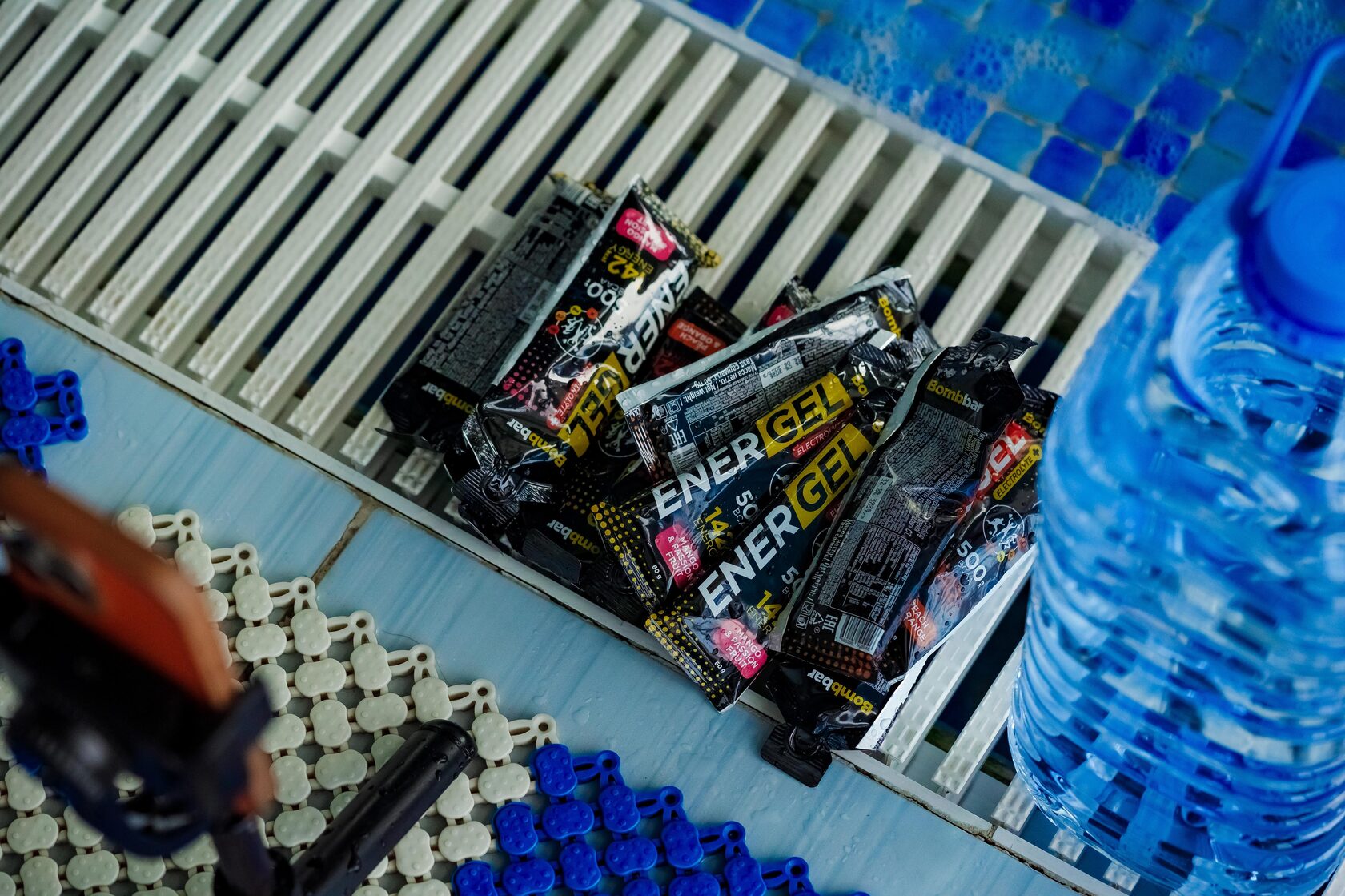
Gels are easier for me: take one, wash it down with water and swim on. Subjectively, I feel a fairly clear surge of energy after each gel. It feels as though it lasts me roughly the next one to two kilometres.
Of course, that doesn’t mean that one sachet physiologically “provides” me with exactly two kilometres. You can’t tie the body’s workings to a particular gel that precisely. It’s just an observation that has repeated itself many times in my long training sessions. Kuanysh’s approach is different.
After ten kilometres you want proper food
Up to about ten kilometres, Kuanysh’s menu looks fairly familiar: bananas, gels, water, isotonic drinks. Over longer distances, ordinary food comes in.
Up to ten kilometres I usually manage with one or two bananas, a couple of gels, water and an isotonic drink. But after ten to thirteen kilometres I add ordinary food: kazy, chicken roll, beef or lamb tongue, eggs.”
During his 26-kilometre swim he also used cola, isotonic drinks, gels and bananas. “I can’t swim for long on sports nutrition alone. I definitely need ordinary food, including meat.”
Kuanysh himself thinks this is partly to do with his usual diet: “I think it’s down to the way we normally eat. We’re used to eating meat almost every day, so on a long swim that’s exactly what I want.”
Over a long distance you quickly discover that food that’s suitable in theory and food that your own body is willing to accept for several hours on end are not always the same thing.
What a sports gel actually does
There’s no special “sports energy” inside the sachet. A gel is first and foremost a compact source of carbohydrates. The Australian Institute of Sport classifies sports gels as Group A sports foods, that is, products with a strong evidence base for use in specific sporting situations.
One gel usually contains about 20–30 grams of carbohydrates. Some also contain sodium or caffeine. And most concentrated gels are meant to be taken with water. The exception is specially formulated isotonic versions.
Why take on carbohydrates during exercise at all? Our body can store carbohydrates as glycogen, but those stores are limited. During prolonged exercise, extra carbohydrate intake helps keep the working muscles supplied with fuel.
A review by Burke and colleagues gives a guideline of 30–60 grams of carbohydrates per hour for prolonged exercise. In events lasting more than 2.5 hours, athletes may benefit from higher intakes — up to 90 grams per hour, especially when they use combinations of different types of carbohydrates that are absorbed through different pathways.
But these figures are not an instruction to start eating three gels an hour right away. The amount of carbohydrates depends on the duration and intensity of the exercise, the specific product and how well your gut can tolerate it all.
So is a gel better than ordinary food?
No. In 2022, researchers published a systematic review of 15 studies comparing carbohydrates from ordinary food and from sports products before or during endurance exercise.
The review included 151 participants. Most studies found no significant difference in performance between ordinary food and specialised carbohydrate products. But there was a catch.
Ordinary food was somewhat more often accompanied by gastrointestinal symptoms, especially during exercise lasting more than two hours.
At the same time, the authors themselves stress the limitations of this data. The studies varied widely in their protocols, doses and duration of exercise. Almost all of them were done on cyclists, and only one on runners. There were no open-water swimmers. So applying these results directly to 21 kilometres on Lake Balkhash would be a bit of a stretch.
But the general principle is clear enough: your body doesn’t have to get its carbohydrates from a sports sachet. Ordinary food can be a source of them too. It’s just that different foods differ in composition, volume, convenience and how well they’re tolerated during exercise.
In my case, gels turned out to be more convenient. For Kuanysh, on the contrary, ordinary food became an important part of a tried and tested strategy. And during the 24-hour swim it turned out that even a tried and tested strategy sometimes stops working.
In the twelfth hour, the body changed its mind
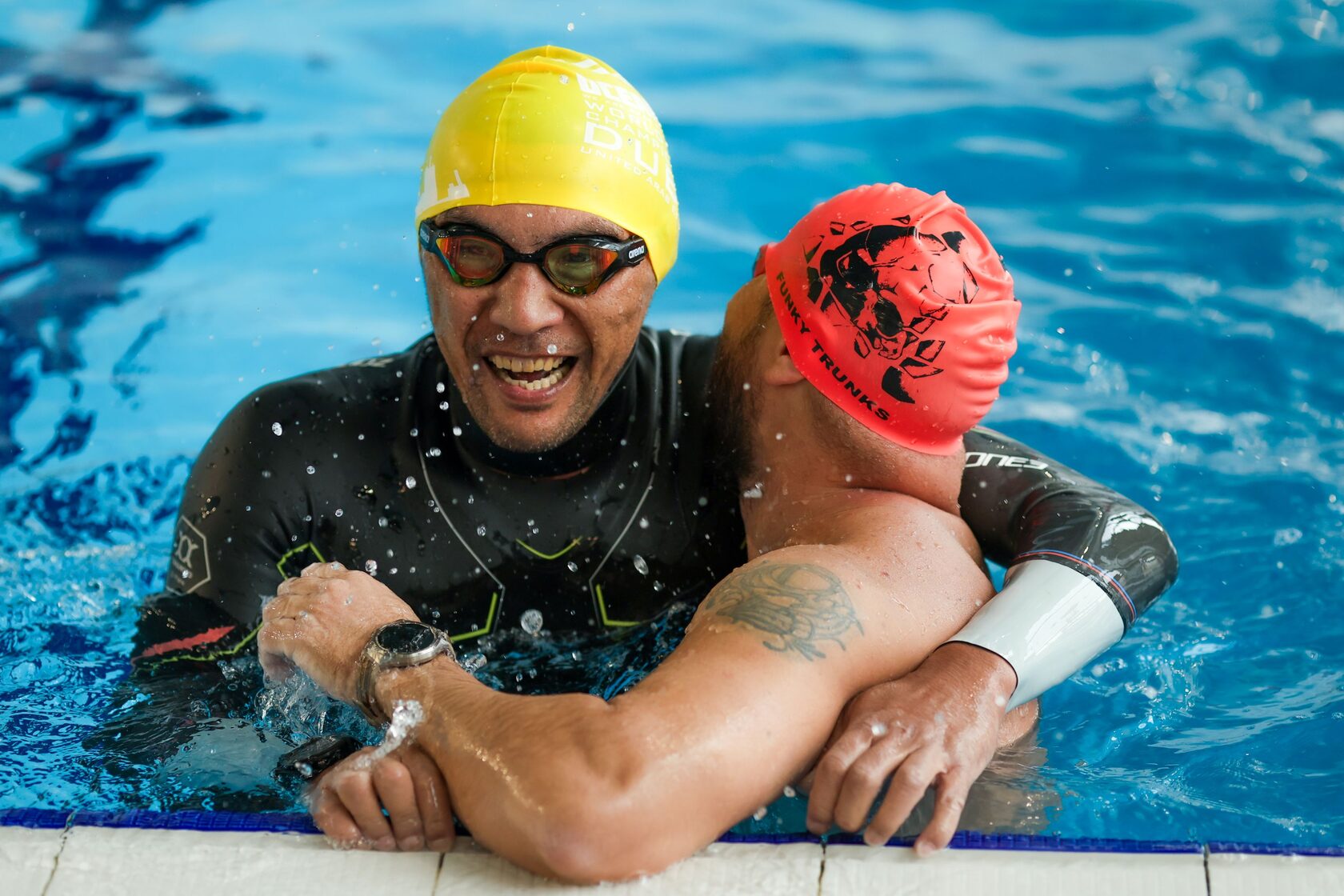
For the first hours of the 24-hour swim, Kuanysh ate roughly as he had before: water, bananas, sports nutrition, and later ordinary food. After about 12 hours, things changed.
After twelve hours I hit the wall. I didn’t want anything we had prepared. Sweet things became especially hard to stomach. When I thought about cola, an isotonic drink or a gel, I started to retch.”
Gastrointestinal problems are well known to endurance athletes. And there is rarely a single cause. The duration and intensity of the exercise, the amount and composition of food and fluid, race conditions and individual tolerance all play a part.
In a systematic review of nutrition strategies in ultra-endurance athletes, the authors specifically note that GI symptoms can seriously affect an athlete’s ability to keep taking in the nutrition they need during many hours of exercise. At the same time, there is still little research, and there is no universal strategy that works for everyone.
Kuanysh found a rather unexpected solution. After about 14 hours of swimming, he was brought ukha — a warm fish broth with a little potato and sturgeon.
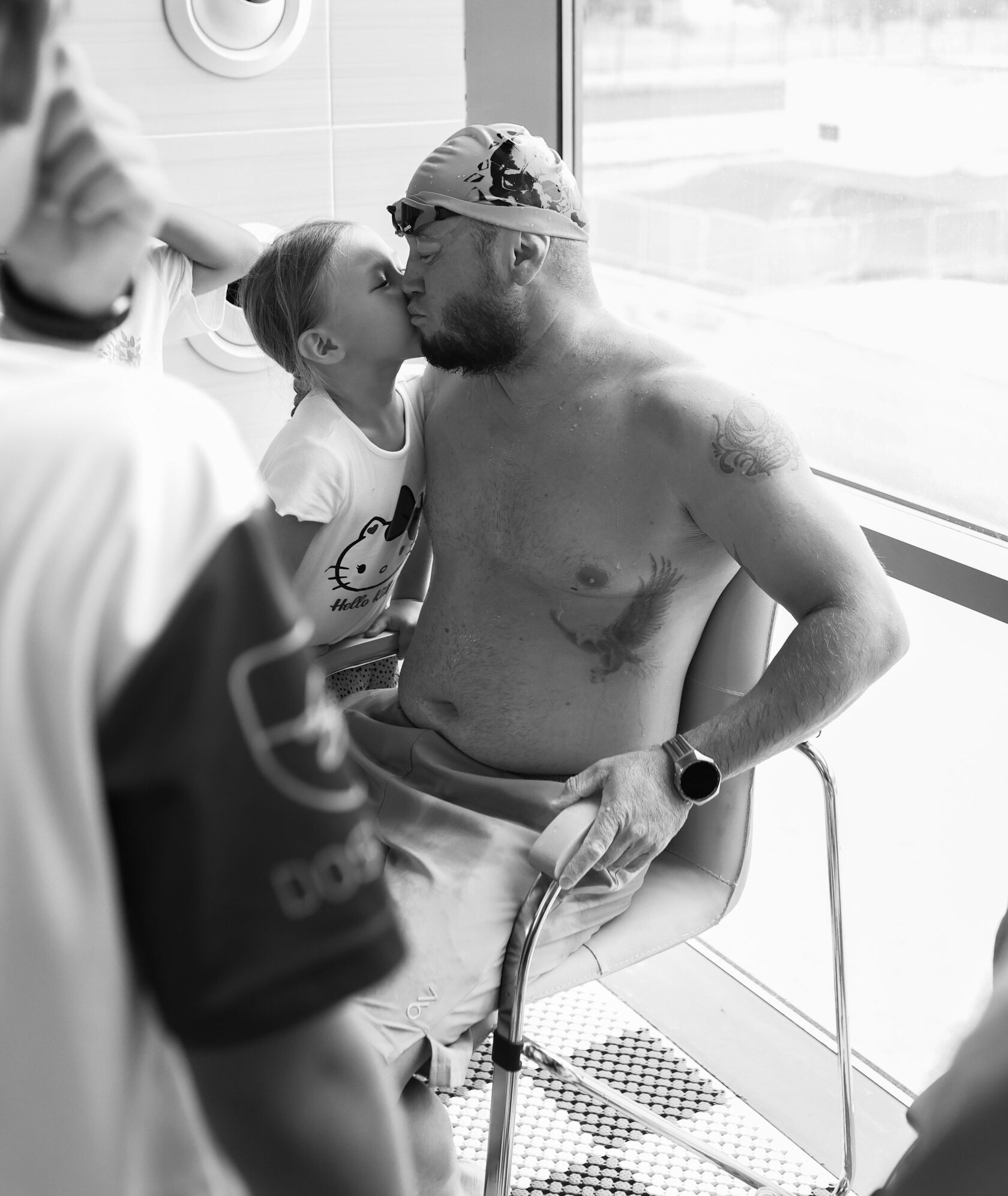
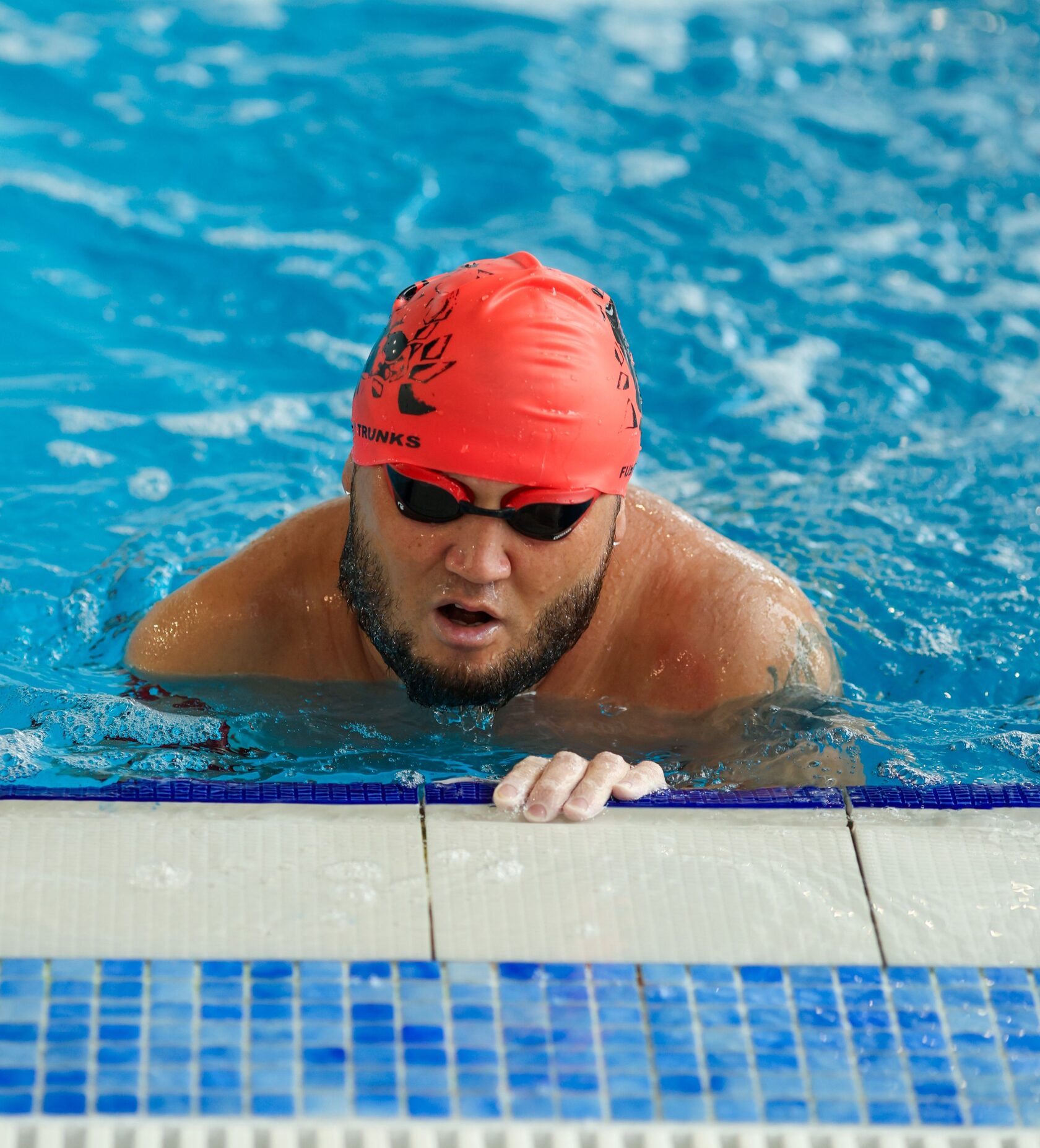
After the first portion of ukha I felt a surge of strength, and my stomach settled.
For the next few hours he drank the broth little by little at the stops. “For the next three or four hours I was looking forward to the stops so I could have more ukha.”
Later Kuanysh was able to eat bananas and chocolate and drink water, tea and isotonic drinks again. Towards morning, boiled rice was added.
No, this doesn’t mean ukha is the perfect food for ultra-swimmers. In Kuanysh’s case, the liquid consistency, the salty taste after many hours of sweet things, the small portion, the temperature, the fluid and salt content, the familiarity of the food, or a combination of several of these factors may all have played a part.
But this story shows something else well: over a distance lasting many hours, it’s not enough to calculate what your body needs to take in. You also have to be able to eat it.
Your stomach needs training too
Over the months of preparing for Balkhash, I changed my own nutrition plan several times.
I tried different foods. I dropped the ones that didn’t suit me. I tested gels. I changed the intervals between feeds. I watched how my body reacted.
It turns out this process has a perfectly scientific name — gut training, or training the gastrointestinal tract.
In 2023, a systematic review of research on this kind of adaptation was published. The authors found only eight suitable studies — so the evidence base isn’t huge yet. But in several studies, repeatedly taking carbohydrates during training helped reduce gastrointestinal symptoms and improve tolerance of nutrition.
So the conclusion here is quite down to earth: nutrition for a long distance needs training too. And preferably not starting a week before the race. That’s why I’m definitely not going to read about Kuanysh’s diet now and rush to put kazy, eggs and a pot of ukha in my boat. Because that’s not how I trained.
So which is better?
After preparing for my first 21-kilometre swim and talking to someone who had just spent a whole day and night in the water, I like the very opposition of “sports nutrition or ordinary food” less and less.
The scientific evidence doesn’t justify drawing that line either. During prolonged exercise, what matters is available energy, above all carbohydrates, enough fluid and how well you personally tolerate your chosen plan. Sports products let you get what you need in a compact and predictable form. Ordinary food can work too.
One athlete happily eats bananas. For another, they get in the way of swimming.
One finds it convenient to get a large part of their carbohydrates from gels for several hours. Another wants proper food after ten kilometres.
And someone who has swum 57.4 kilometres in 24 hours suddenly discovers in the fourteenth hour that, out of everything prepared in advance, the only thing their body will accept is ukha.
So before Balkhash I’m keeping my plan exactly as I tested it in long training sessions. Kuanysh will line up at the same start with his own.
And on 29 August we’ll have 21 kilometres to test the main practical conclusion once again: nutrition over a long distance should be based on general sports guidelines, but the final plan must be tested on yourself in advance.
Sources
Reynolds K. M., Clifford T., Mears S. A., James L. J. A Food First Approach to Carbohydrate Supplementation in Endurance Exercise: A Systematic Review. International Journal of Sport Nutrition and Exercise Metabolism, 2022. PMID: 35231883.
Burke L. M., Hawley J. A., Wong S. H. S., Jeukendrup A. E. Carbohydrates for Training and Competition. Journal of Sports Sciences, 2011. PMID: 21660838.
Martinez I. G. et al. The Effect of Gut-Training and Feeding-Challenge on Markers of Gastrointestinal Status in Response to Endurance Exercise: A Systematic Literature Review. Sports Medicine, 2023. PMID: 37061651.
Ryan T. et al. Exploring the Nutrition Strategies Employed by Ultra-Endurance Athletes to Alleviate Exercise-Induced Gastrointestinal Symptoms. Nutrients, 2023. PMID: 37892406.
Australian Institute of Sport. Sports Supplement Framework: Sports Gels, Group A.