“Beauty is a nice bonus”
After 30, sport changes more than just your body. Dermatologist and cosmetologist Valeria Perfilyeva talks about what really shows on your face, why cosmetology can’t work miracles, and what sleep, recovery and training have to do with it.
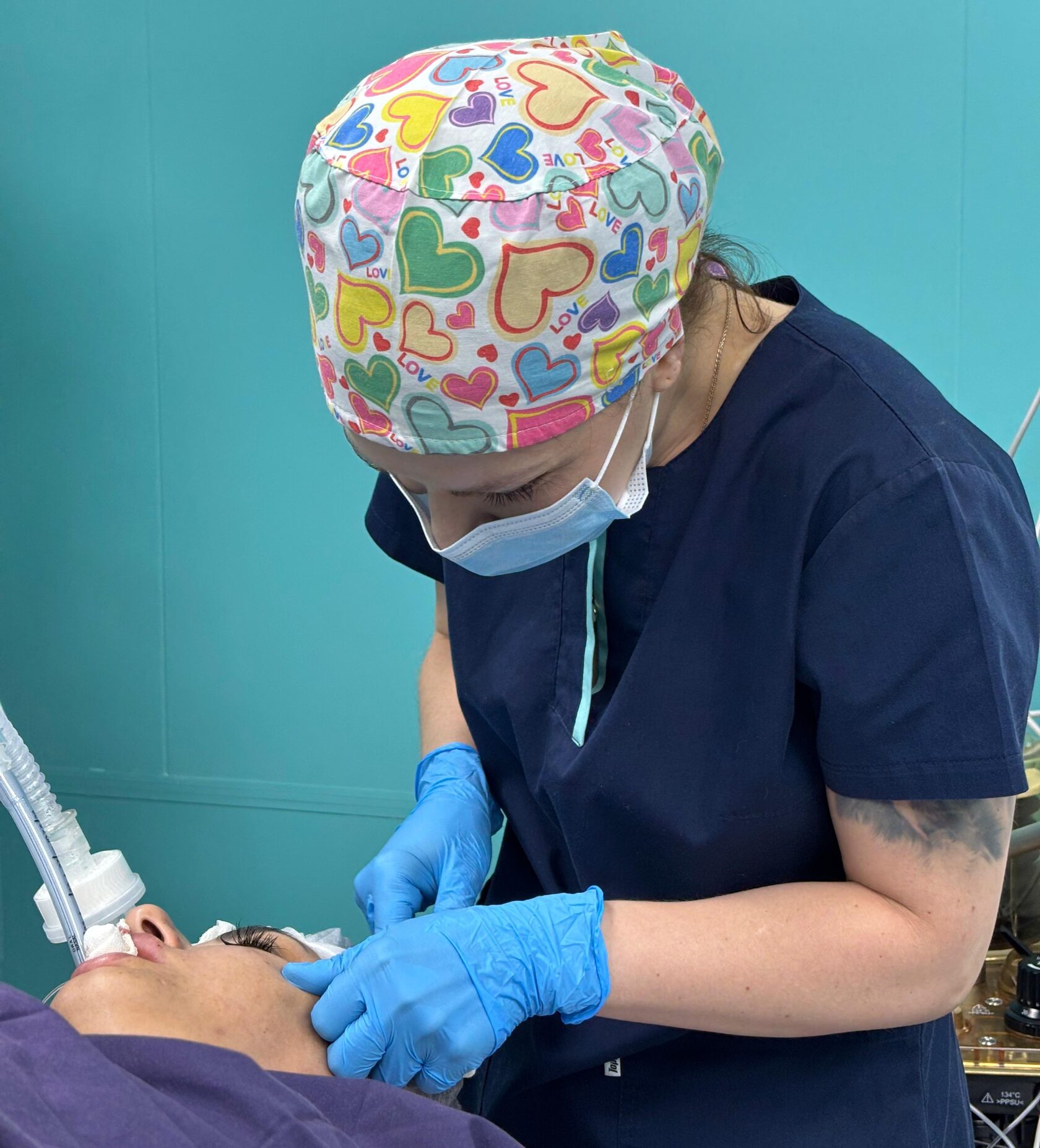
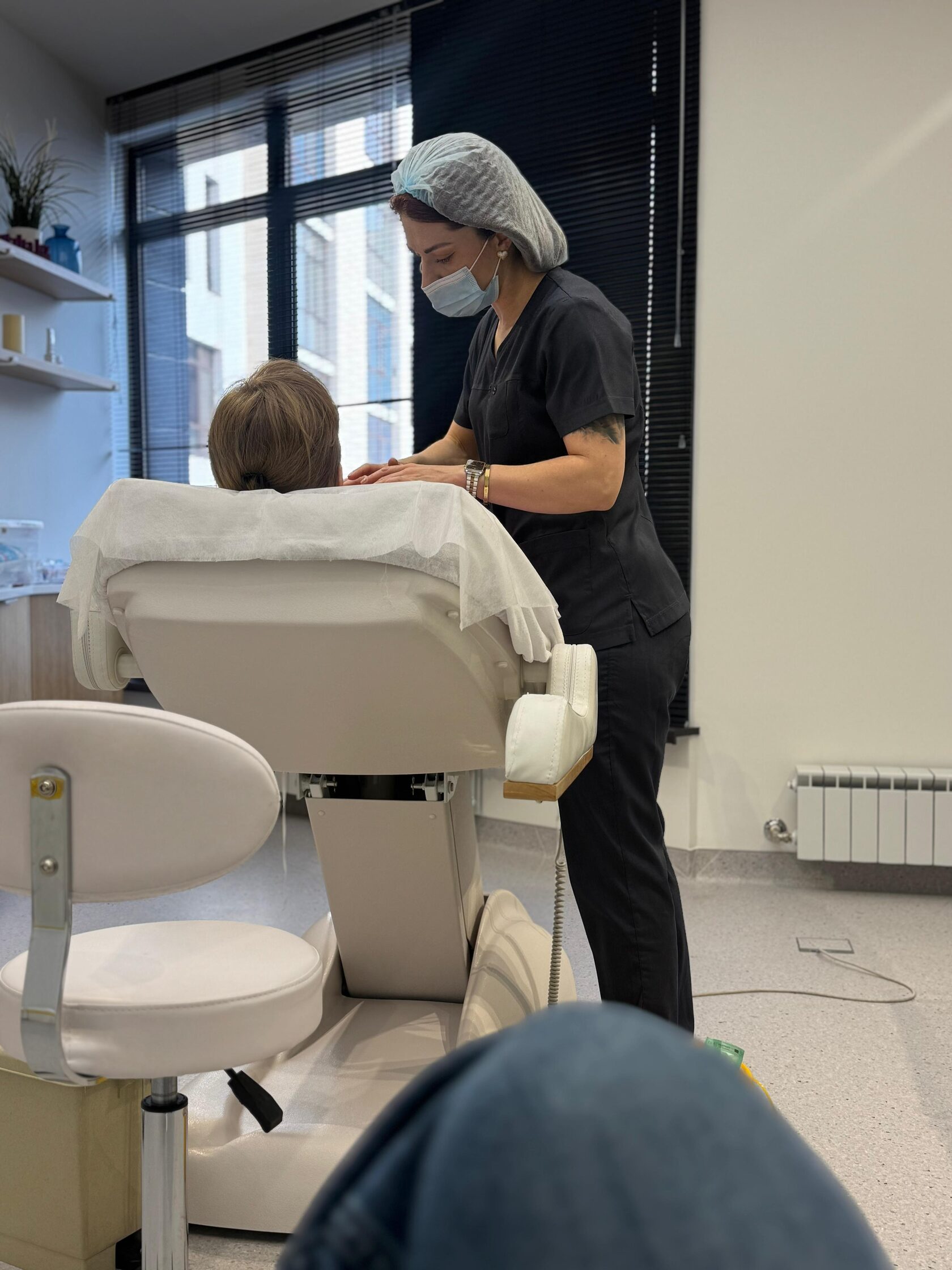
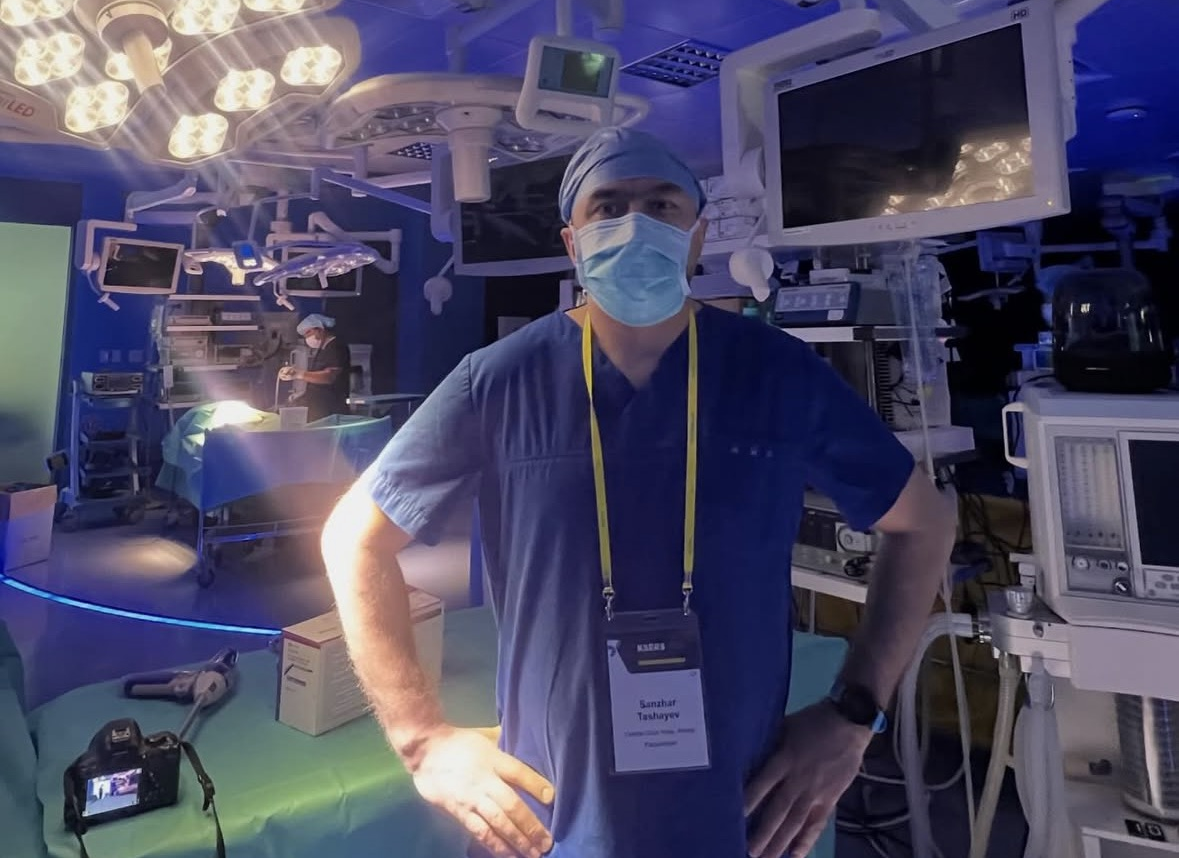
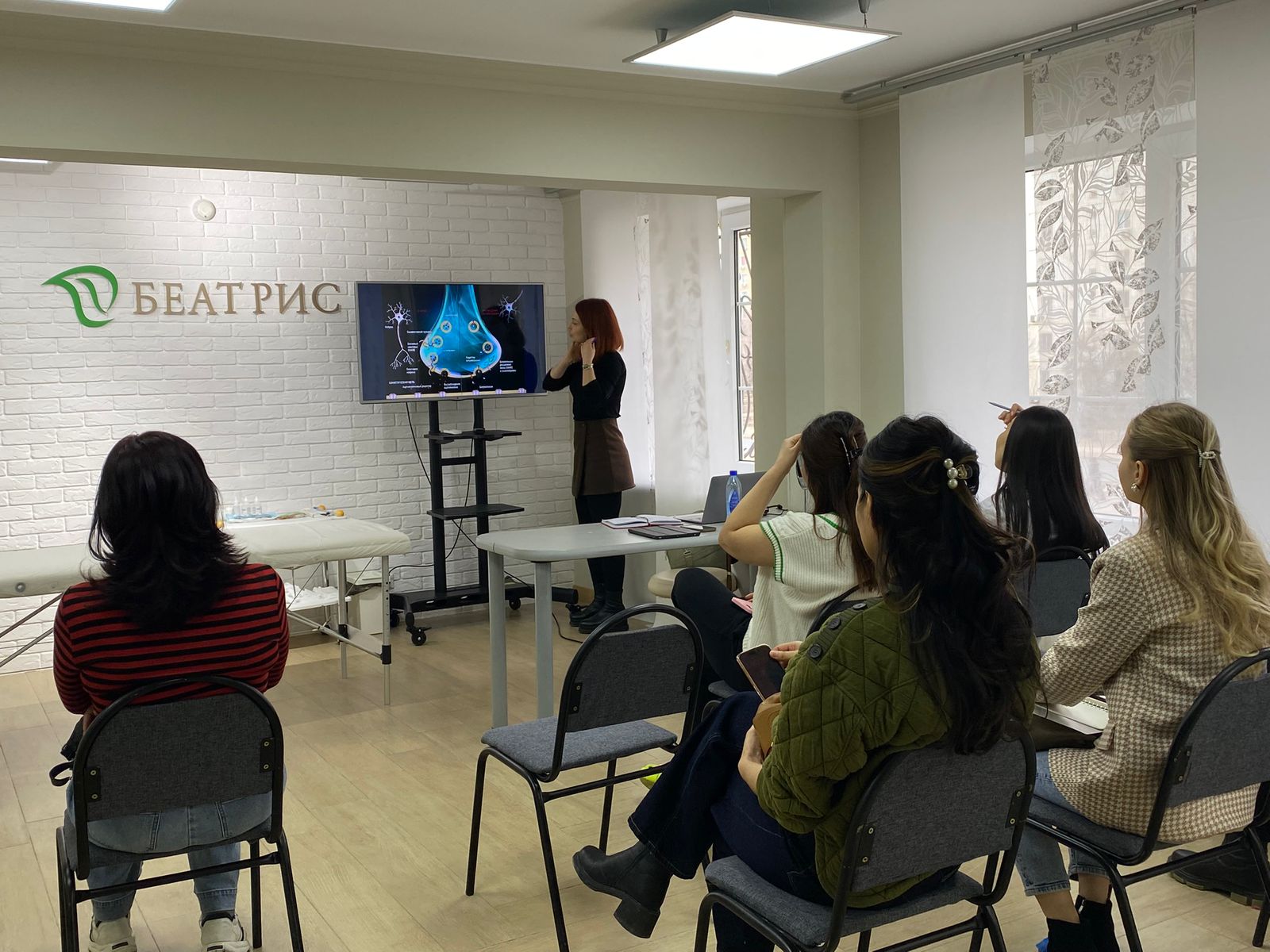
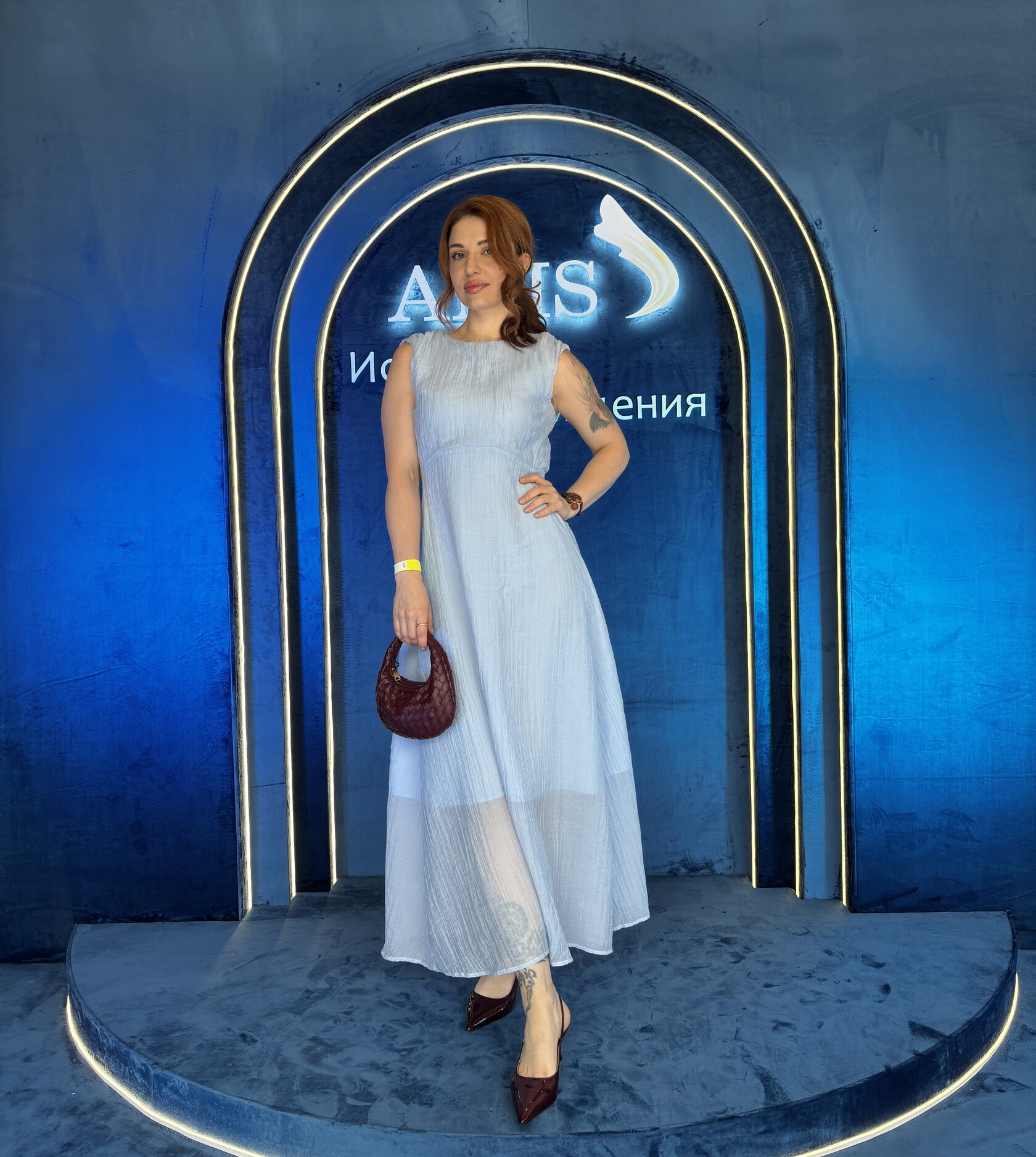
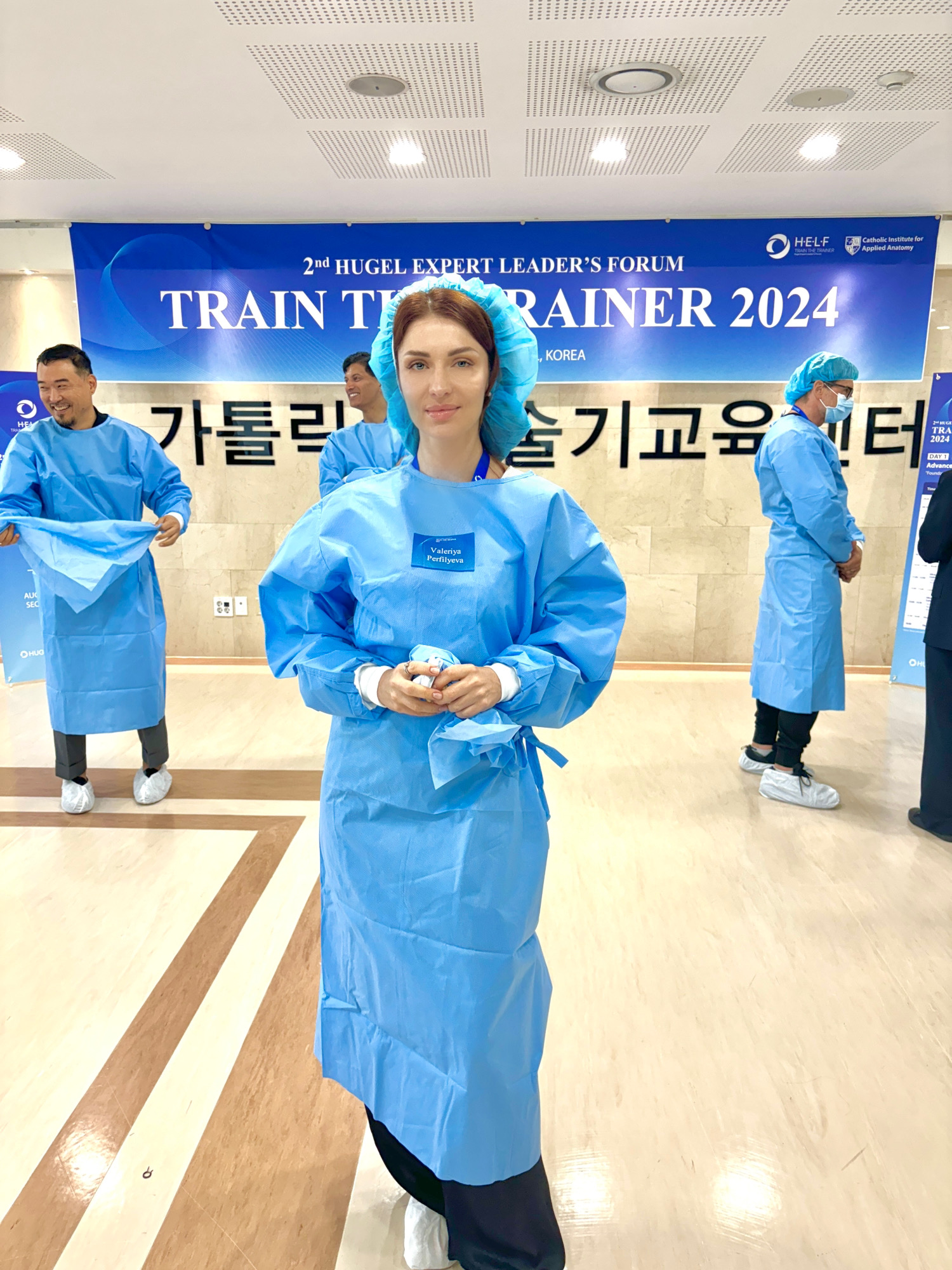
Valeria Perfilyeva is a dermatologist, trichologist and cosmetic dermatologist, and formerly a radiation oncologist. She graduated from the Asfendiyarov Kazakh National Medical University, worked for three years at the Kazakh Research Institute of Oncology and Radiology, then retrained in dermatovenereology and has worked in that field since 2017.
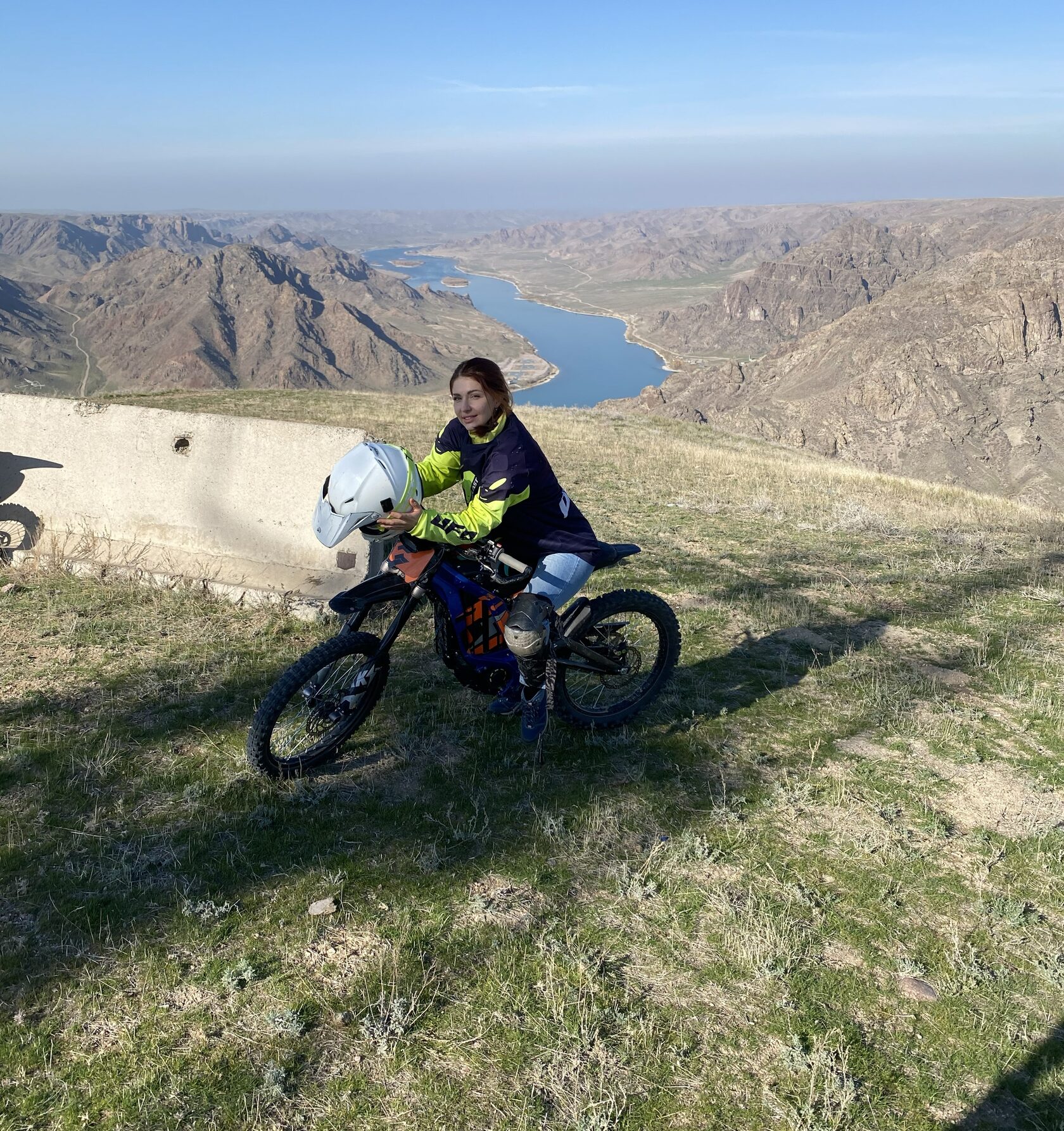
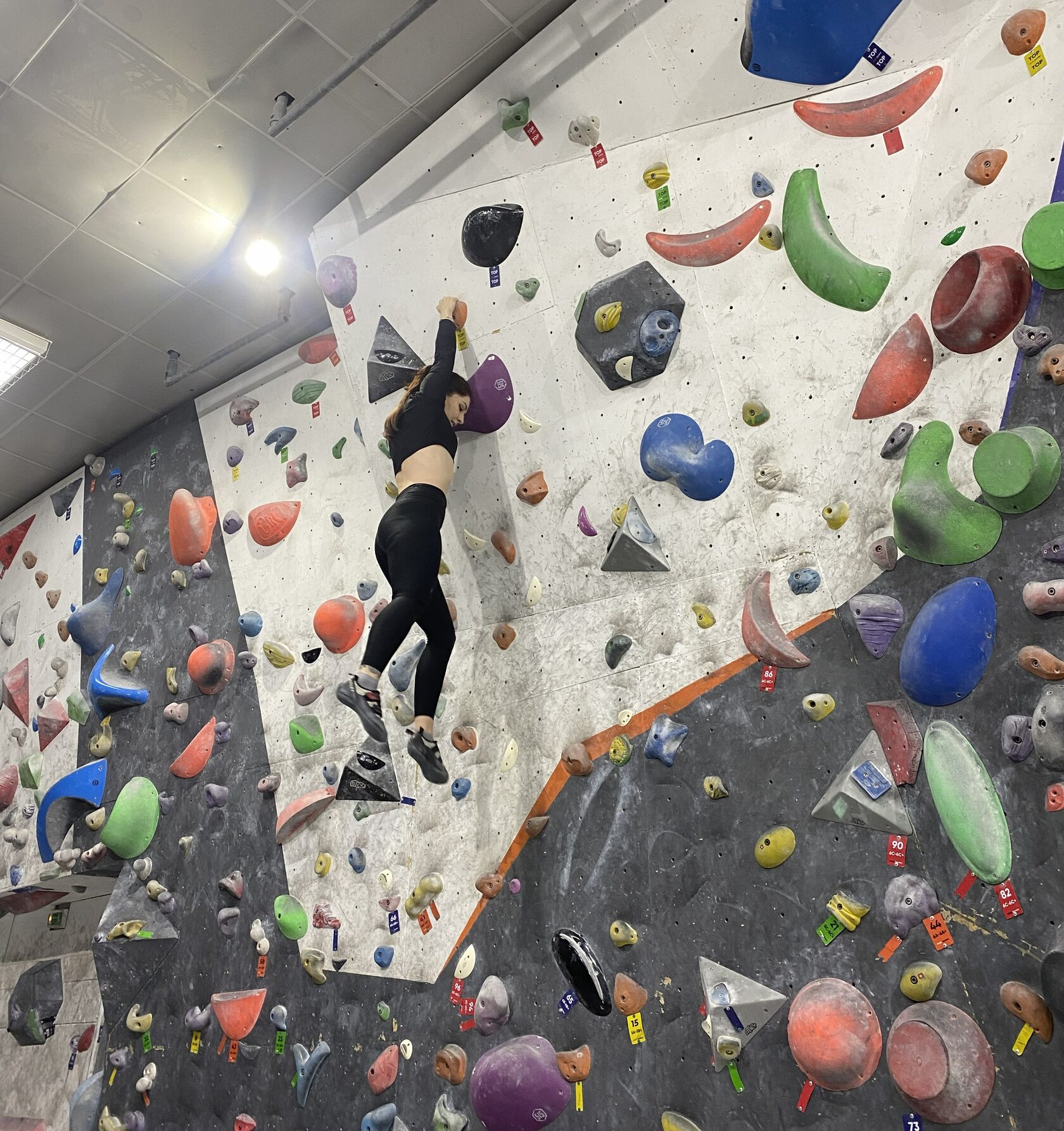
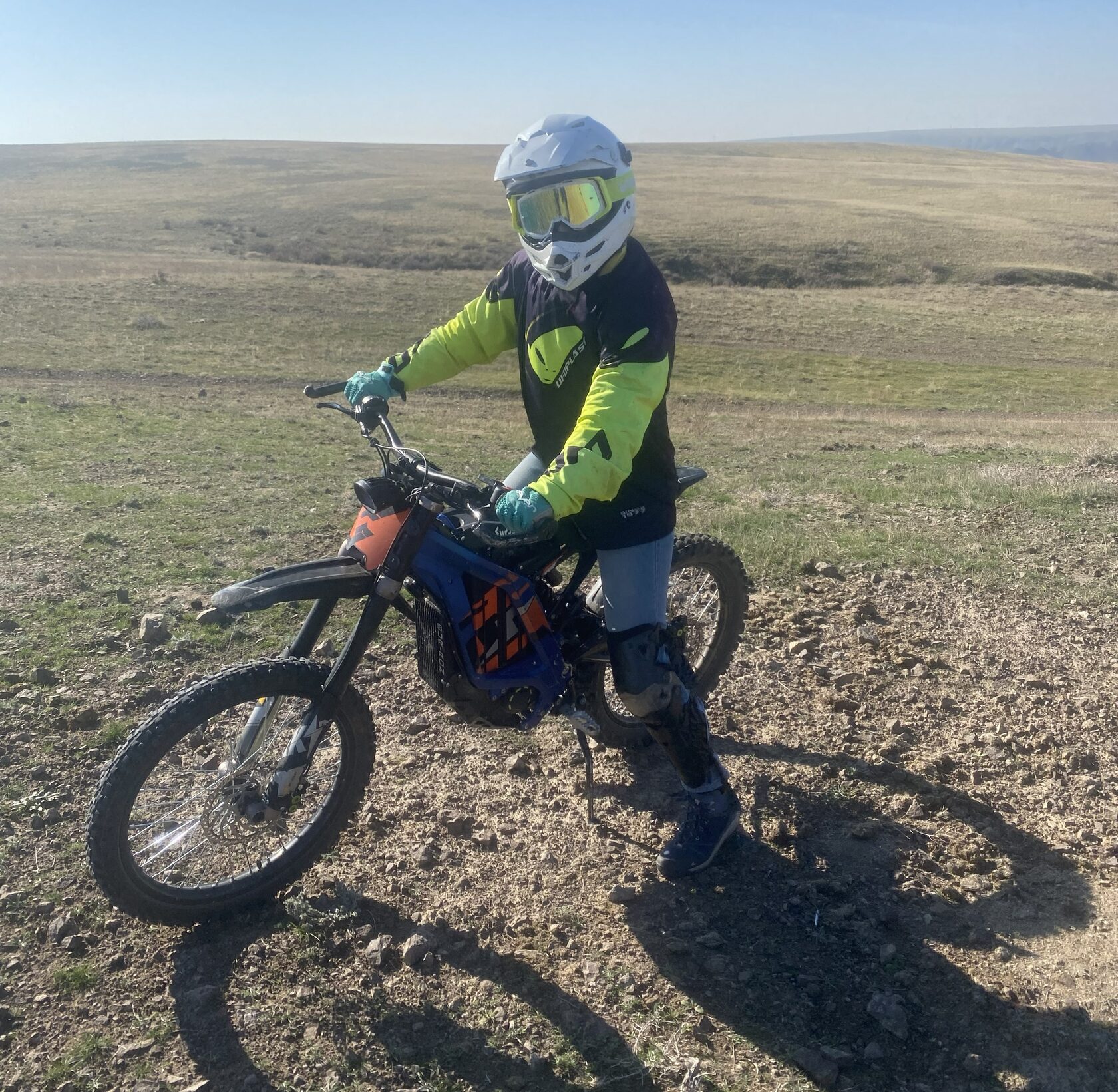
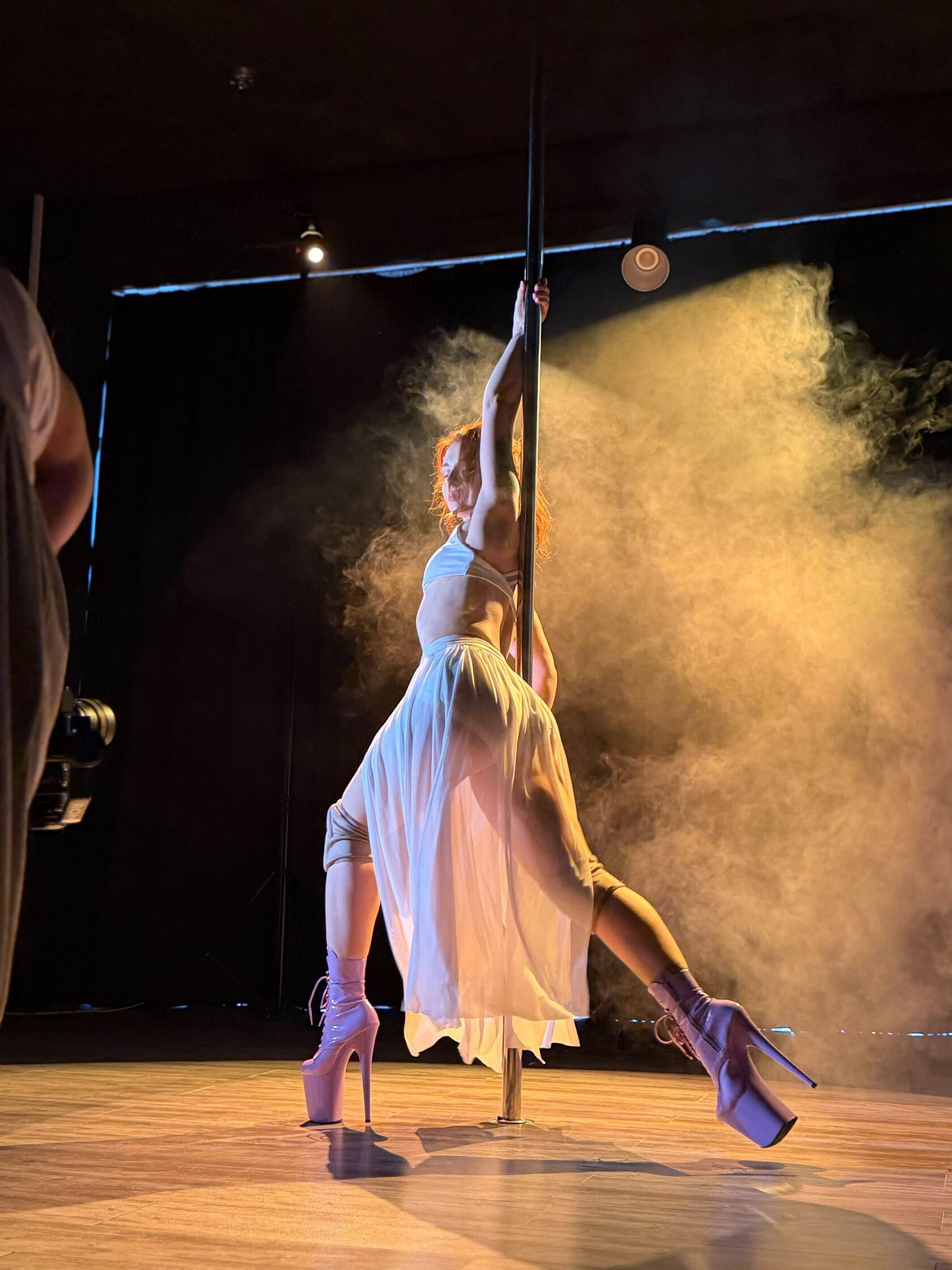
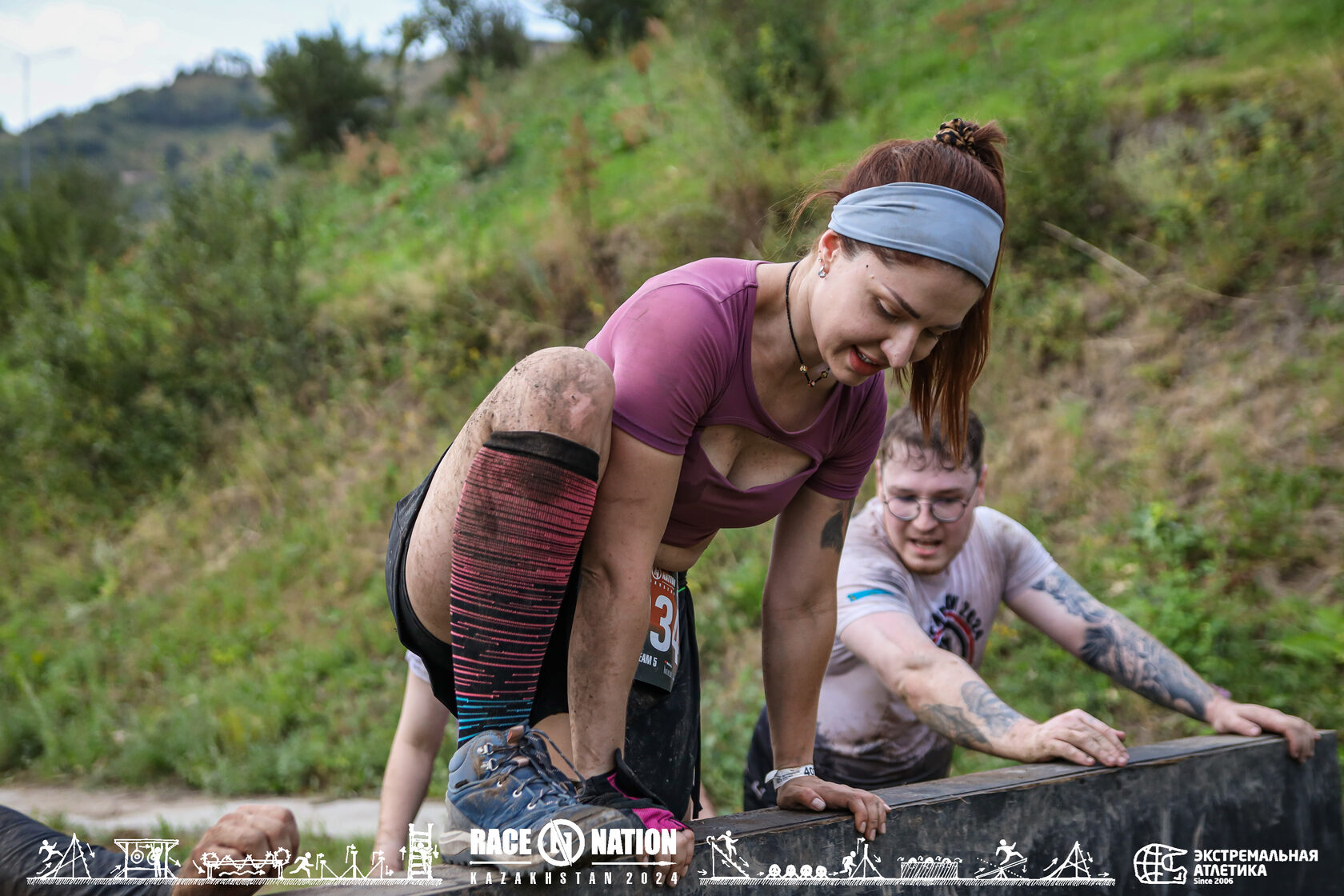
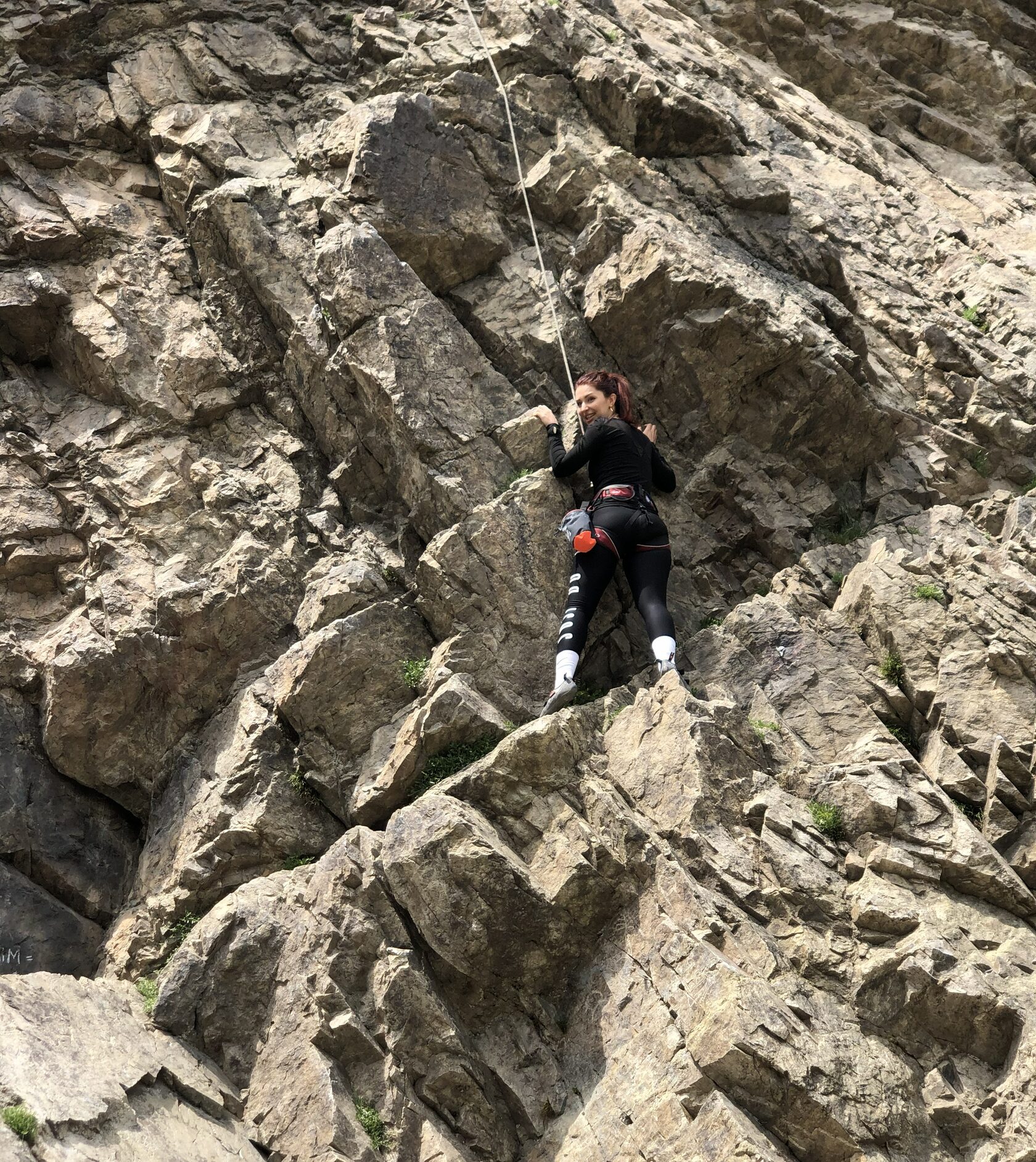
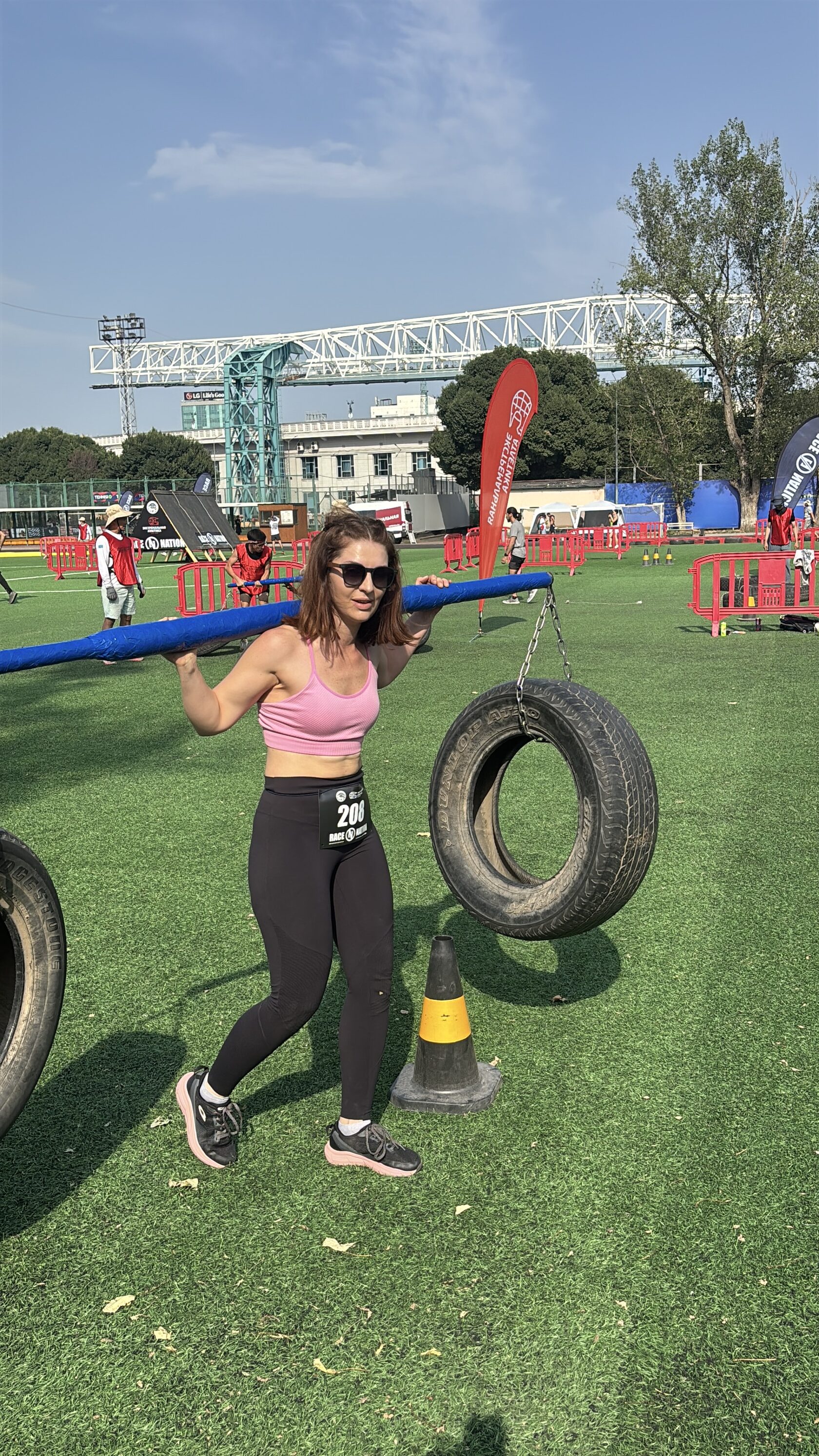
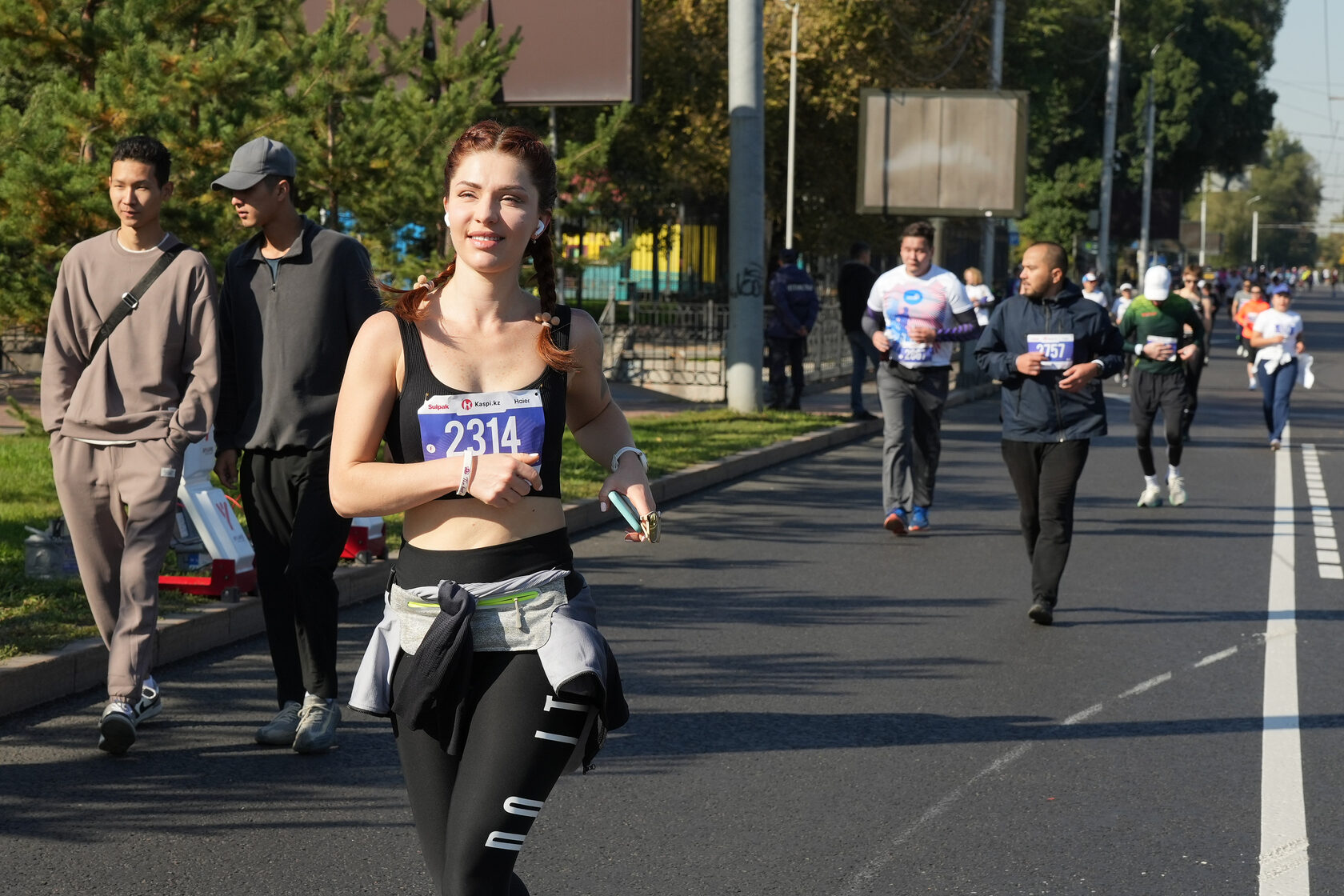
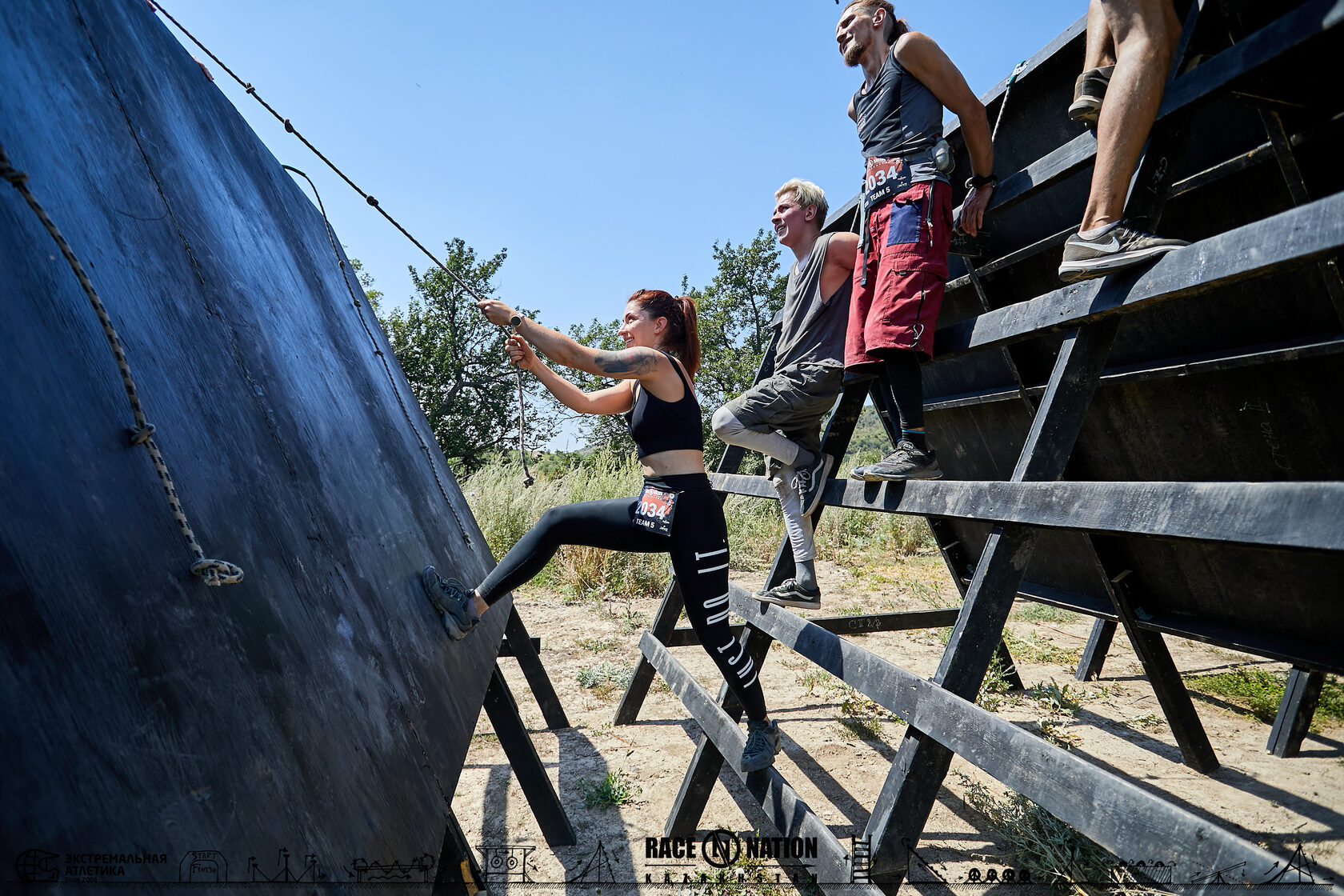
Valeria came to sport almost by chance in 2014, when she saw an Almaty Marathon billboard on her way home. She started with running, then came CrossFit, and after that, in her words, she “tried everything possible”. Now she does calisthenics, pole sport, climbing and kickboxing at amateur level, and loves hiking, walking, cycling and enduro.
We talked to Valeria about what sport changes in your appearance after 30, why cosmetology can’t make up for chronic lack of sleep and exhaustion, how to combine training with treatments, and why, as she gets older, beauty is becoming for her less a goal and more a nice bonus on top of what her body can do.
The prime of youth
01You work as a cosmetologist and have also done sport regularly for a long time. How much does one help you understand the other?
— In today’s world, life expectancy has increased a great deal, largely thanks to advances in medicine. And naturally another question has arisen — the quality of that life at an older age. I recently heard a psychologist say: “Everyone wants to live a long time, but nobody wants to be old.”
I think both cosmetology and sport are very much about exactly that — prevention, quality of life and health. Today people don’t just want to live to a certain age; they want to live those years beautifully and well.
02Pole, CrossFit, hiking… What has sport given you personally besides good physical shape? Has your attitude to age, your body and your appearance changed?
— As a child, when I looked at 35-year-old women, it seemed to me that this was already middle age. I still have images that come back to me: a woman trudging home from work with heavy bags, then her lower back aching. Those were the times — there was no room for sport.
Now I understand that a sporty 30–35+ is simply the prime of youth. Not silly adolescence any more, but a good, high-quality youth, when you have opportunities and your body’s reserves are far from exhausted. And it’s very nice to realise that, keeping up this pace, you can maintain that state for quite a long time.

What sport does to your face
03Many people take up sport after 30 to look better. What turns out to be the most unexpected thing?
— I think the most unexpected bonus isn’t your figure at all. It’s a back that has unexpectedly stopped hurting, a relaxed neck, lightness in your body, and vigour and energy that suddenly appear out of nowhere. Good shape, a straight back and an elegant posture come along with it.
But there are also things you may not like. Sport, especially when it comes with noticeable weight loss, can change your face. The fat pads shrink, so folds and furrows may become more visible, and your face may look drawn.
That’s why active sport calls for more attention to nutrition and recovery. Being in a calorie deficit while training hard at the same time puts serious strain on the body.
It’s important to watch your diet and to identify and correct deficiencies in good time.
04Why does the face sometimes look more tired or “drawn” after significant weight loss? Can that be avoided?
— There is subcutaneous fat almost all over the body, and the face is no exception. We have deep and superficial fat pads. Even without active weight loss, some of them shrink with age. Just look at photos of yourself at 15–17: whatever your weight, your cheeks are usually rounder, there are no pronounced hollows at the temples, and your cheekbones look different.
If weight loss is added to the natural decrease in these volumes, the skin loses some of its former support. That can lead to sagging and a drawn look. And if the body is also short of protein, vitamins and minerals, the quality of the skin suffers too. That’s why it’s very important to pay close attention to your diet while losing weight: get enough protein, healthy fats and micronutrients.
As for lost volume, in some cases cosmetology can restore it where it has been lost and bring the face closer to its original proportions.
Training and treatments
05Are there any particular skincare considerations for people who train regularly? What’s important to bear in mind before and after cosmetic treatments?
— Yes. Intense training affects blood circulation, lymphatic drainage, sweating and tissue recovery, so after many cosmetic treatments you have to limit exercise for a while. For example, after injectable treatments we recommend taking a break from intense training. After laser treatments, RF procedures and deep peels the restrictions can last longer — until the skin has recovered.
For people who do sport, it’s especially important to pay attention to recovery: enough protein and water, proper sleep and protecting your skin from UV. Especially for those who love swimming a lot. 😂
06Have you ever had to reschedule treatments because of patients’ training or competitions?
— Of course. And it’s far from rare. Patients and I often plan a course of treatments six months ahead. But competition dates and training plans can change. If I see that someone won’t be able to get through the recovery period safely, it’s better to cancel the treatment, postpone it or find a safer alternative.
For example, biorevitalisation and collagen therapy involve a large number of injections. Every tiny wound is a potential entry point for infection if you don’t follow the aftercare rules. If someone swims or does contact sports, that has to be taken into account. The same goes for laser resurfacing and microneedle RF. The skin needs a certain amount of time to regenerate, and you should go back to active training only once it has recovered.
07So there are treatments you would advise against altogether during intense training periods?
— If an athlete is at the peak of their preparation, I don’t recommend treatments with a long recovery period: aggressive laser resurfacing, chemical peels and some device-based procedures that mean limiting physical activity for several days. Fillers, and injectable treatments in general, are best avoided right before a race: there may be swelling, bruising and individual reactions that are hard to predict.
It’s best to plan aesthetic treatments for the off-season or well before important competitions, so that the tissues have time to recover fully.
08And can medicines, vitamins, sports nutrition and supplements affect treatments?
— Yes, that’s why it’s important for the doctor to know everything the patient is taking. Some medicines and supplements can affect the risk of bruising and bleeding, the healing process and the condition of the skin. So before a treatment you need to tell the doctor about all the medicines, vitamins, sports nutrition and supplements you take.
And be sure to mention any chronic conditions, allergies, recent operations, pregnancy or breastfeeding. The more complete the information the doctor has, the safer the treatment and the more predictable the result.
Myths and expectations
09What myths about cosmetology do you hear most often?
— One of the most common is that you only need SPF in summer. In winter the UV index is lower, of course, but it isn’t zero. UV reaches the ground even on cloudy days. So sun protection isn’t just for summer. The safe period is after sunset.
Another myth is that you get “hooked” on cosmetology: if you start having treatments and then stop, everything will get worse. Cosmetic treatments don’t cause physiological dependence. If someone stops having them, their skin doesn’t start ageing faster just because they used to look after it. The effect of the treatment simply wears off gradually, and the natural signs of ageing become visible again. So why does it seem to people that things have got worse? Because they’re no longer comparing their face with how it was before they started cosmetology, but with how they’re used to seeing it after regular care and treatments.
Or the fear that device-based cosmetology can “ruin your face”: “Laser will make your skin thin”, “SMAS lifting will remove all the fat”, “the devices will destroy tissue”. A device-based procedure doesn’t ruin a face in itself. The question is how, where and on whom it is used. Every device acts on specific tissues at a specific depth and intensity. So before a treatment it’s important to take into account age, skin thickness, the amount of subcutaneous fat, anatomical features and the initial condition of the tissues.
Problems can arise if these factors are ignored: choosing settings that are too aggressive, working in the wrong area or trying to get the maximum effect in a single session. In device-based cosmetology, the principle “the stronger, the better” doesn’t work.
10And which expectations of cosmetology, on the contrary, are too high?
— That cosmetology can make up for the effects of chronic lack of sleep, dehydration, deficiencies or excessive training loads.
Unfortunately, no treatment can replace proper recovery for the body.
I sometimes tell patients: “Let’s not do anything right now.” If I see that someone is chronically sleep-deprived, living under stress and training to the point of exhaustion, while trying to make up for it all with treatments, I’d rather suggest they sort out the basics first. Cosmetology shouldn’t become a way of masking exhaustion. Sometimes the best anti-ageing isn’t another treatment, but a few weeks of proper sleep, a well-structured training load and correcting deficiencies.
Modern cosmetology is gradually moving away from one-off treatments towards a more holistic approach, where we first look at the person’s overall condition and only then decide which treatment they really need.

Beauty is a nice bonus
11So where should someone over 30 start if they’ve decided to look after themselves both at the gym and at the cosmetologist’s?
— I always say: after 30 you need to invest not in “miracle treatments”, but in the foundations of your health. If you have to choose where to start, it’s sleep, regular physical activity, diet and properly chosen skincare at home. Only after that come cosmetic treatments, where they’re actually needed.
Very often people are ready to buy an expensive cream or have injections, but they sleep five hours a night and hardly move. No treatment can make up for a lifestyle like that.
I’m for an evidence-based, individual approach: fewer random purchases and trendy treatments, more of a well-thought-out plan. When sport, skincare and cosmetology work together, the result is natural and long-lasting. And as for sport — try different things, something is bound to click. What matters is that physical activity is regular and becomes as basic a habit as brushing your teeth and taking a shower.
12You’re a mum yourself, you work, you train and you keep studying. How do you fit everything in without losing yourself in the whirl?
— I’m tempted to say: I don’t fit anything in! 😂 But the results suggest otherwise. Sometimes I feel lazy too. But I’m glad that many years ago I chose this path — of health, sport and taking care of myself.
Corny as it may sound, discipline and time management help me. My mum instilled them in me from an early age. Later they came in very handy at university, when you wanted to go out, you had exams to pass, and on top of that you had on-call shifts several times a week.
It’s important to plan. I love notebooks and calendars, but I try not to tie myself too rigidly to times, because an unfinished task can be very demotivating. At the start of the week I make a general plan. Then I fix the things that are tied to specific dates: work, studies, training, my daughter’s speech therapist. And I spread everything else across my free time, depending on how busy I am. And on Sundays I always rest. I switch off my phone, have a leisurely breakfast and spend the day in slow motion.
Being in the moment has also become very important to me. It’s not long since I truly felt that state, and it turned out to be wonderful. If you’re stretching, think about the stretch and how it feels at that moment. If you’re eating, notice the taste and texture of the food without being distracted by what’s around you. You’ll think about your to-do list when it’s time to think about it. The world won’t fall apart if you simply enjoy a cup of coffee for ten minutes.
13Where, for you, is the line between taking care of yourself and the endless pursuit of a perfect appearance? Has sport changed your attitude to that?
— For me the line is very simple: if taking care of yourself makes your life better, that’s health. If it turns into constant dissatisfaction with yourself, that’s already chasing an ideal.
Sport has changed my attitude to appearance a lot. I used to strive more for certain measurements in the mirror, often imposed by social media. Now I value much more what my body can do: be strong and resilient, move without pain and give me energy. Especially after 35. Beauty is a nice bonus. But health and function always come first for me.
14And the project’s traditional question: what does finding your second wind after 30 mean to you?
— For me, a second wind after 30 means to stop living by other people’s expectations and start choosing yourself. It was after 30 that I became bolder about trying new things and stopped looking around so much and asking: “What will people say?” People will talk for five minutes, then forget about you and get absorbed in their own problems. And you’ll never try what you wanted to do all your life. Sport, new projects, professional development… I recently trained again in a speciality that was new to me — trichology.
It’s the age when you no longer want to prove anything to anyone. You want to live in a way that’s interesting to you. And, as it turns out, that’s exactly when far more opportunities open up.