At what point do you start to look like a runner?
Why are running shorts getting shorter again, socks more eye-catching and sunglasses bigger and bigger? On the eve of the Almaty Marathon, Second Breath set out to find out whether amateur running has its own fashion, where it came from, and why over time it’s not just a runner’s speed that changes, but their wardrobe too.
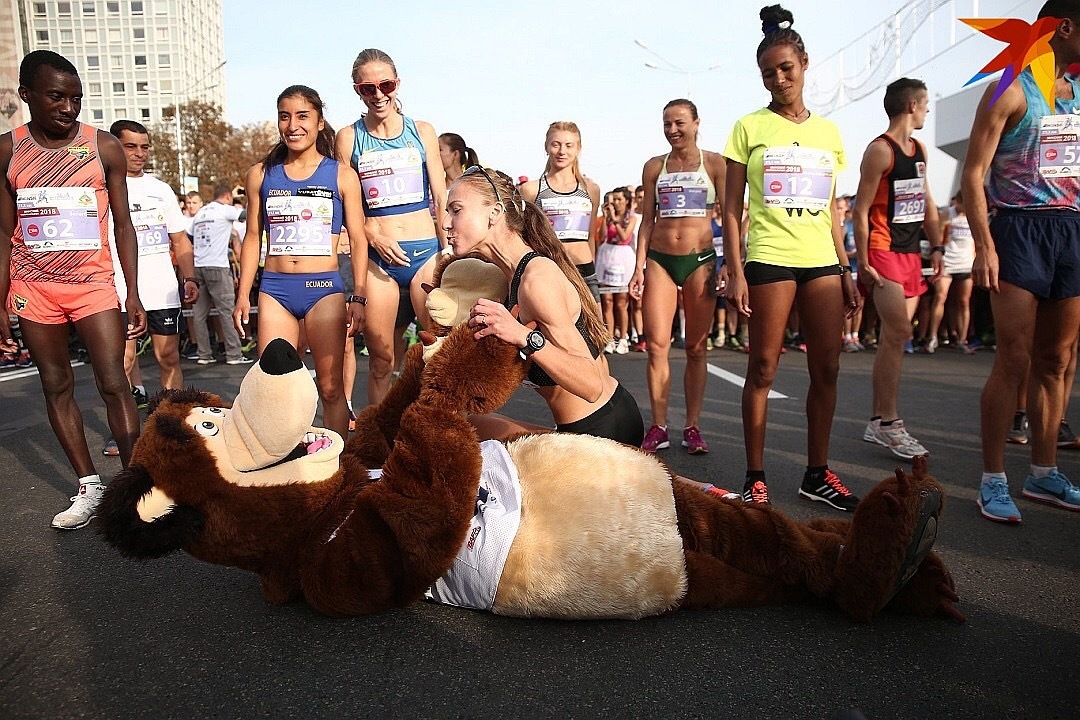
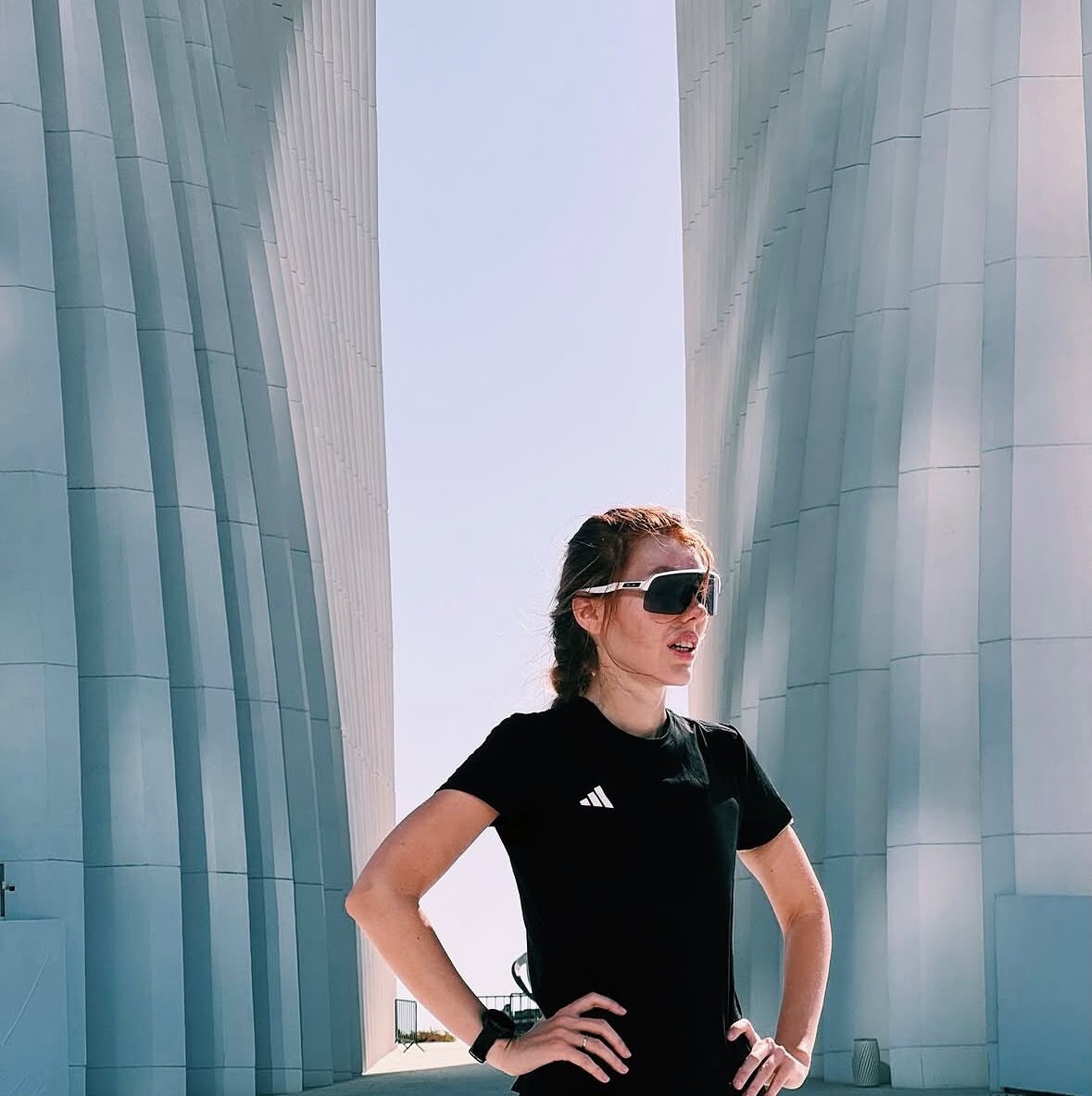
People rarely set off on their first run thinking: “I wonder whether I look enough like a runner?” Quite the opposite. You dig out some trainers. A T-shirt. Trousers you don’t mind sweating in. Chilly outside? Then a sweatshirt on top. You leave the house with a much more pressing task: to understand how on earth people voluntarily run several kilometres and don’t die.
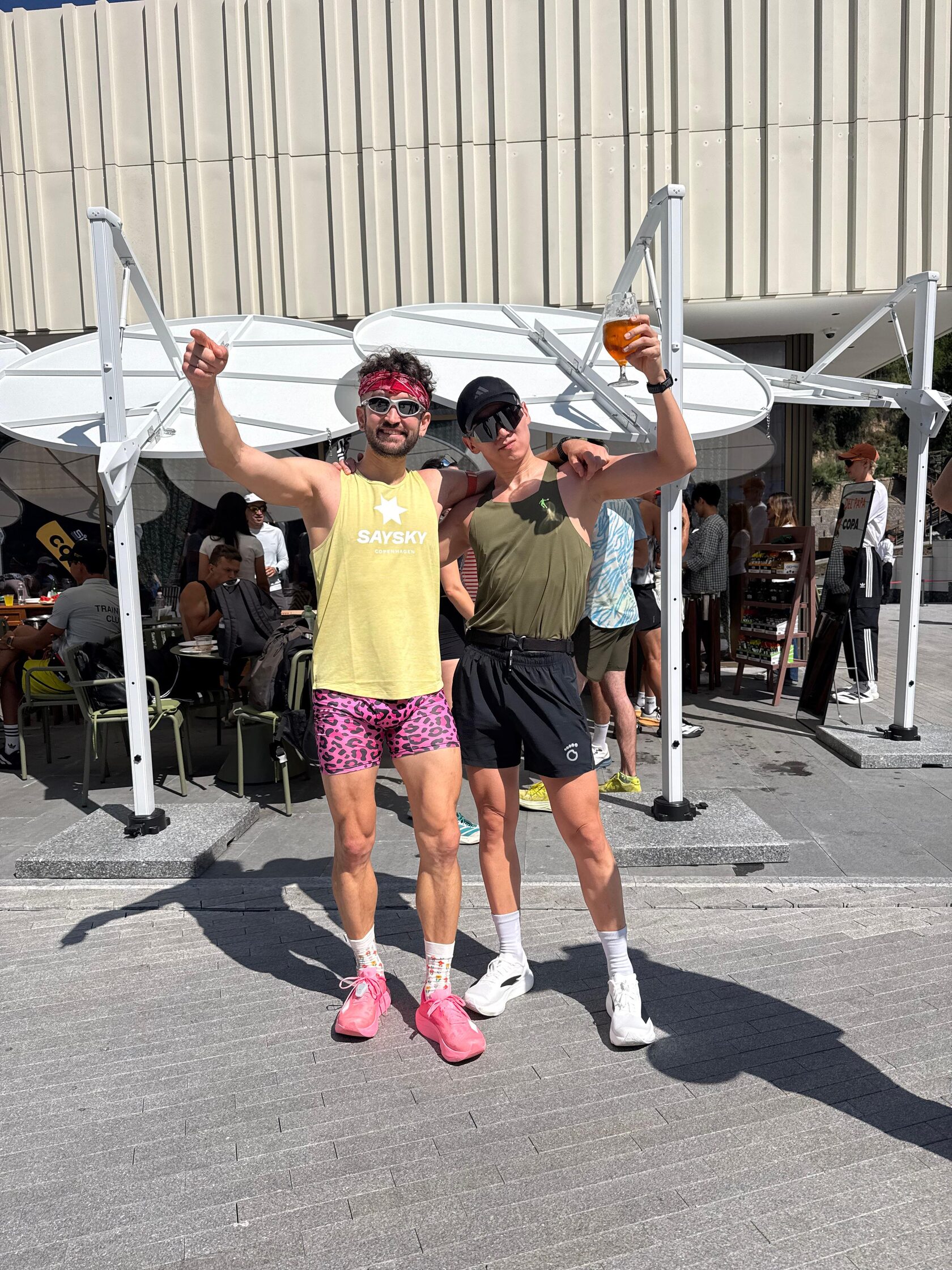
And then something happens. A year later, your wardrobe contains special socks, several pairs of trainers and clothes made of fabrics whose names you never needed to know before. Then a watch. Sunglasses. A running belt. A bandana. For some reason your shorts get shorter. And your colours, on the contrary, get bolder.
And one day you can tell a runner from a non-runner yourself, somewhere in the queue for coffee.
Coincidence? Hardly.
Amateur running really has developed its own visual culture. And it didn’t appear yesterday. So, on the eve of Almaty’s big running Sunday, we decided to look not only at what runners wear today, but at where it all came from.
First there were plimsolls
Modern mass running is actually much younger than it seems. One of its key popularisers, New Zealand coach Arthur Lydiard, in the early 1960s set up a club where ordinary people ran not for medals but for their health. The idea was taken up by the American coach Bill Bowerman, the future co-founder of Nike. And then America went through a real running boom: in the 1970s and 80s, by historical estimates, around 25 million people took up running.
A new mass hobby needed new clothes. And much of what today seems part of the familiar runner’s look first appeared simply because the old kit didn’t do its job very well.
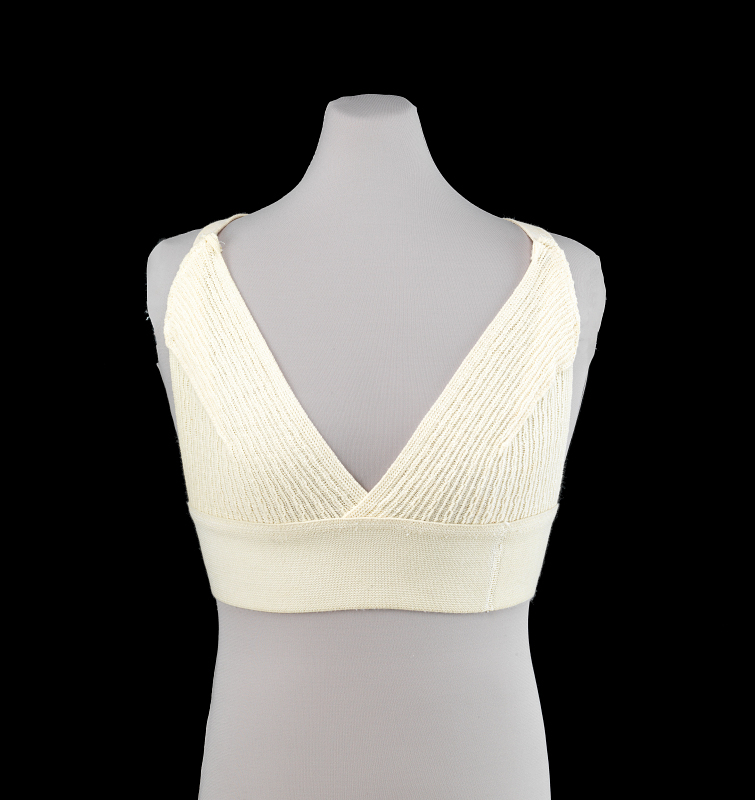
A good example is the sports bra. The first Jogbra appeared in 1977, when more and more women were running and there was practically no suitable underwear for it.
Lisa Lindahl, Polly Palmer-Smith and Hinda Miller made the first prototype from two men’s athletic supporters. Today one of the early Jogbras is in the Smithsonian collection.
The path from “we urgently need to solve this problem” to a fully fledged sports fashion industry turned out to be quite short. The same thing would happen with running clothes again and again.
First function. Then habit. And then style.
A prototype of the world’s first sports bra, the Jogbra (1977), at the “Change Your Game” exhibition. Photo: National Museum of American History, Smithsonian Institution.
It all starts with elite sport
In September, you could watch this evolution literally on the track.
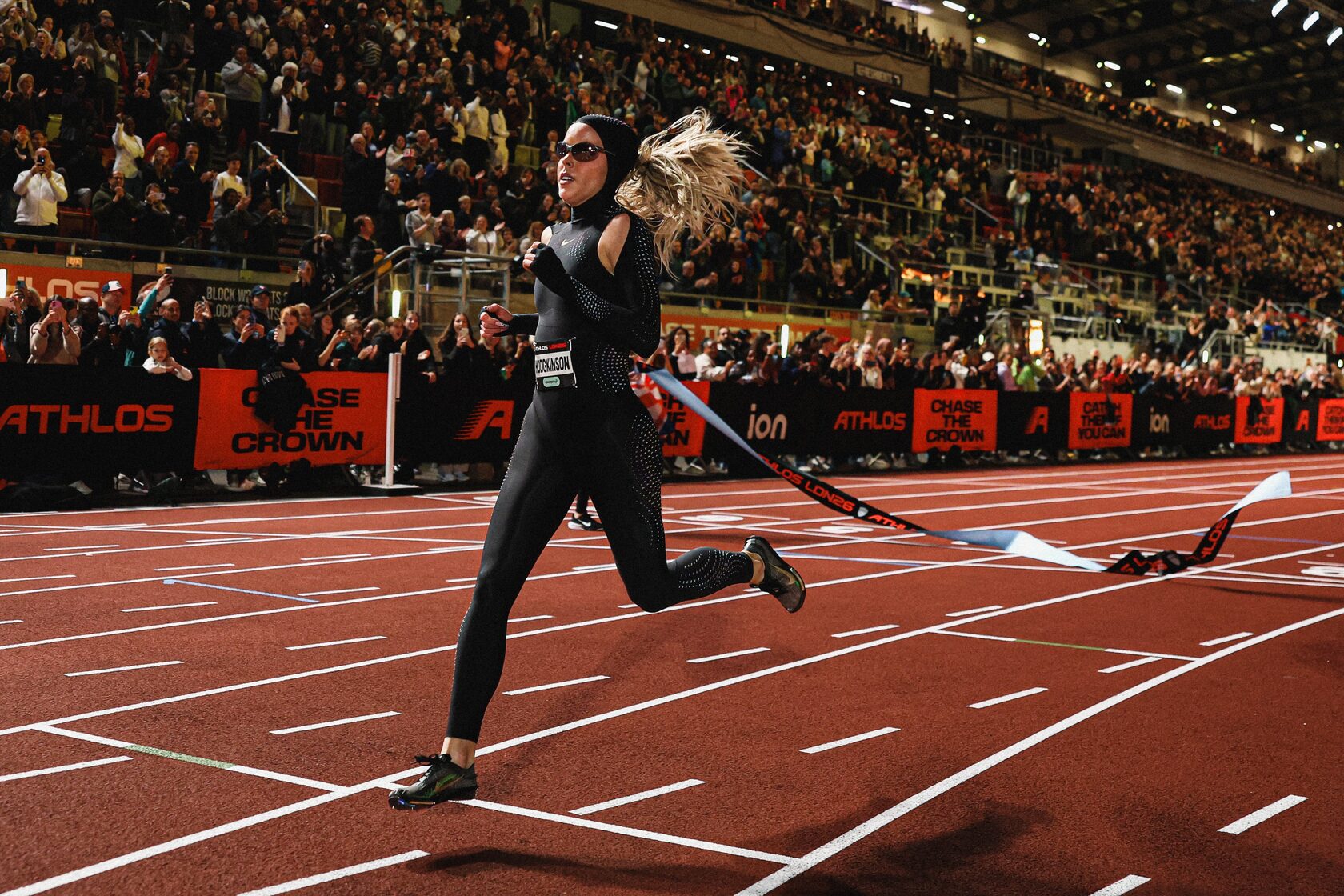
British Olympic champion Keely Hodgkinson lined up for the 800 metres in a black Nike Speed Suit. Next to the usual athletics kit, the suit looked almost alien: long sleeves, covered legs, an open back and a hood. But the most interesting part was only visible up close.
3D-printed vortex generators are placed on the hood, shoulders, torso and thighs. According to Nike, they are meant to act on the airflow around the body and reduce aerodynamic drag. The hood covers the hair, but an opening was left for Hodgkinson’s trademark ponytail. There are even slots for the arms of her sunglasses. The suit exists as a one-off and was designed around the movements of this particular athlete.
Today it’s an elite-sport experiment. But the history of running shows that professional sport constantly feeds new technologies, materials and ideas to the mass market. Brands turn them into products, social media into images, and amateurs gradually decide which of them they really need.
Although sometimes it works the other way round: first you really want something, and only then do you find a convincing explanation for why you needed it.
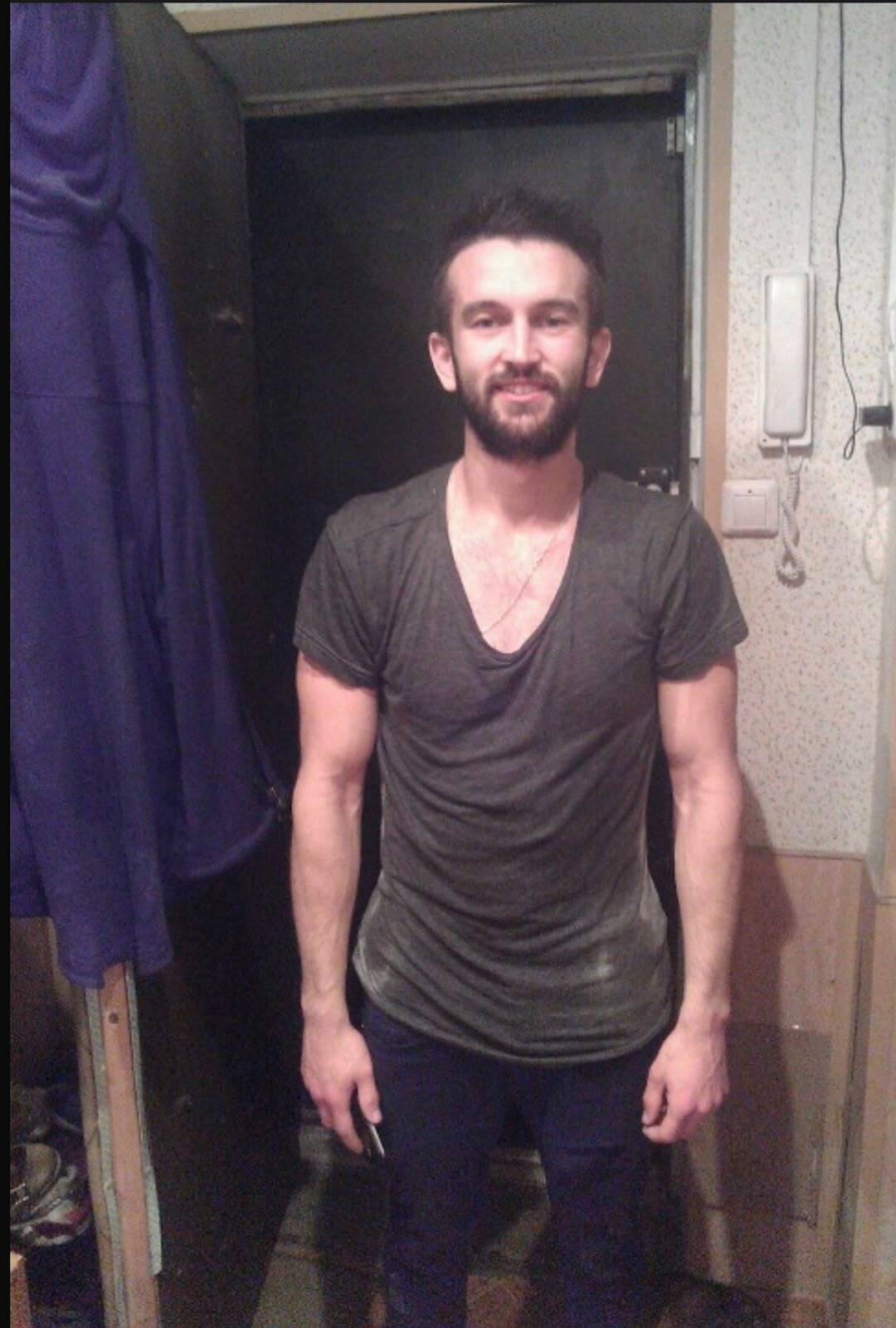
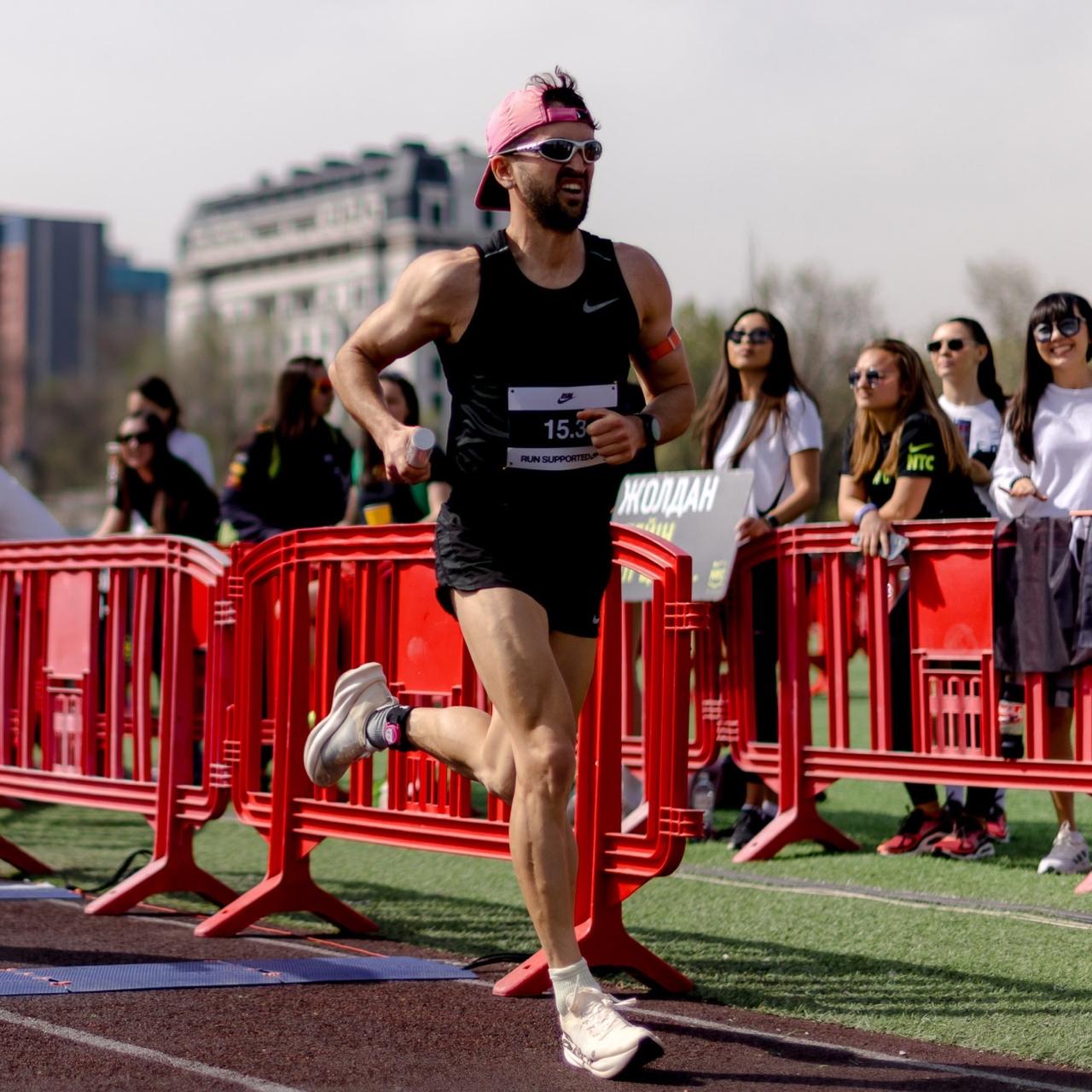
Can you spot a runner from a distance?
Rover Training Club coach Ildar Saifutdinov believes you really can see certain stages in a beginner runner’s kit.
First come some almost everyday trainers and cotton clothes. Then the shoes become specialised. The next temptation is carbon.
And, Ildar notes, people are keen to buy it even when they don’t really need it yet.
He has been down this road himself. When he first decided to take up long distances, he ran his first 20 kilometres in basketball shoes, a cotton T-shirt and the clothes he wore for his job as a waiter. Then came his first proper Asics. After them, dozens of other pairs. Now he has plenty of carbon shoes, but Ildar wears them mostly for races and tries to train in ordinary ones.
With clothes, it went almost the other way:
All I need now is trainers, shorts and a vest — that’s it. But if we’re talking about aesthetics, I want to look fashionable. I want to look good, but not cringe.”
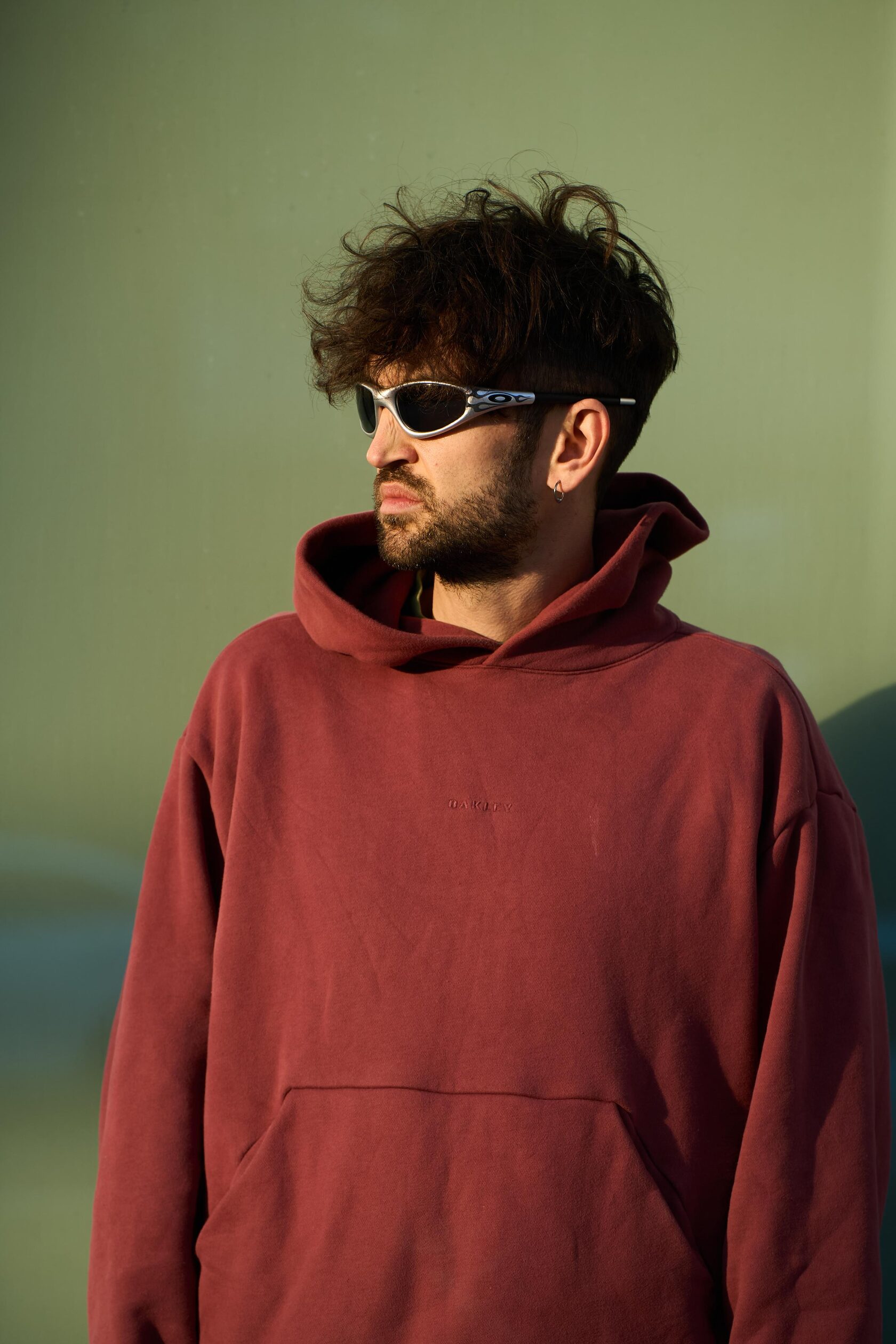
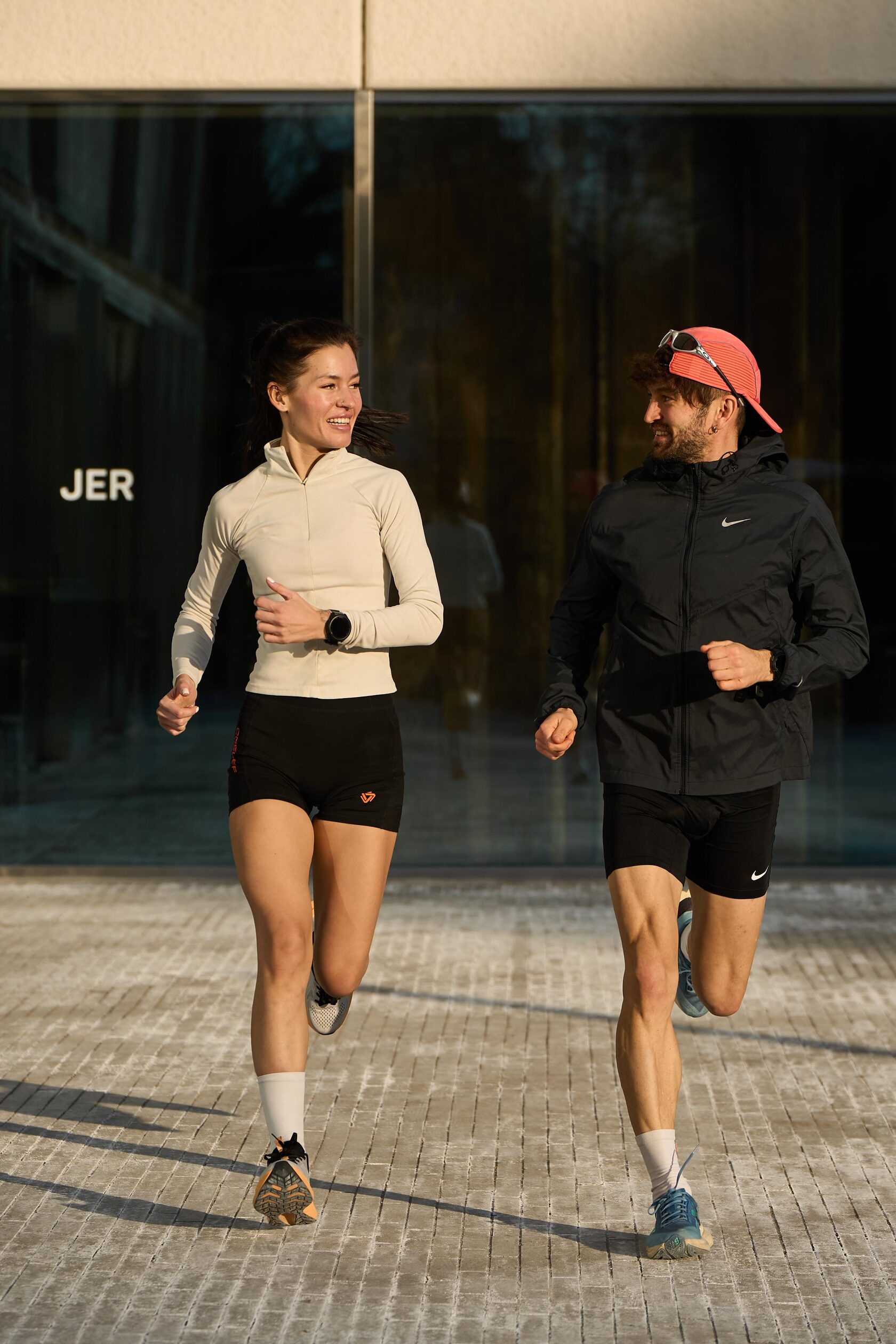
From Ildar Saifutdinov’s archive
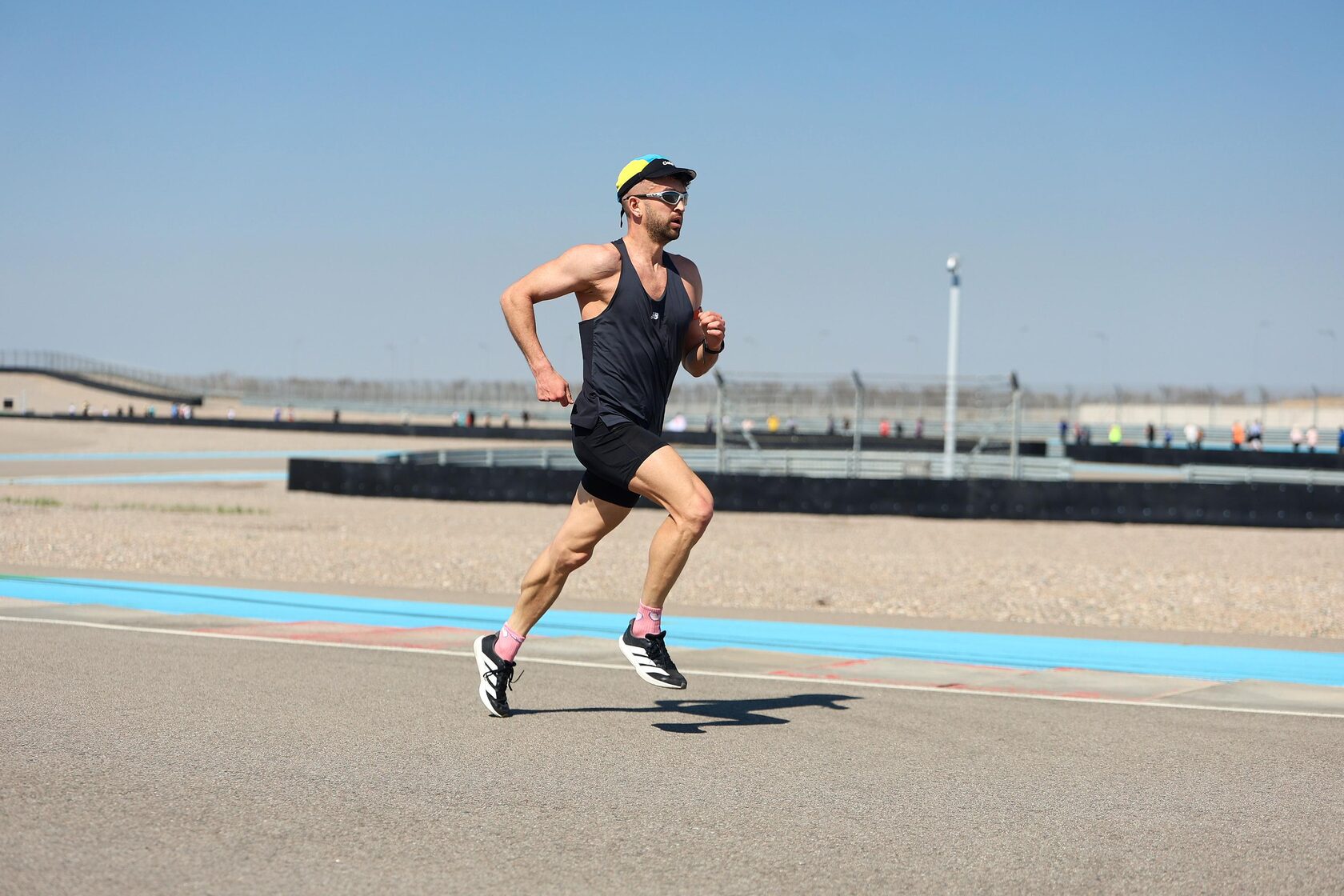
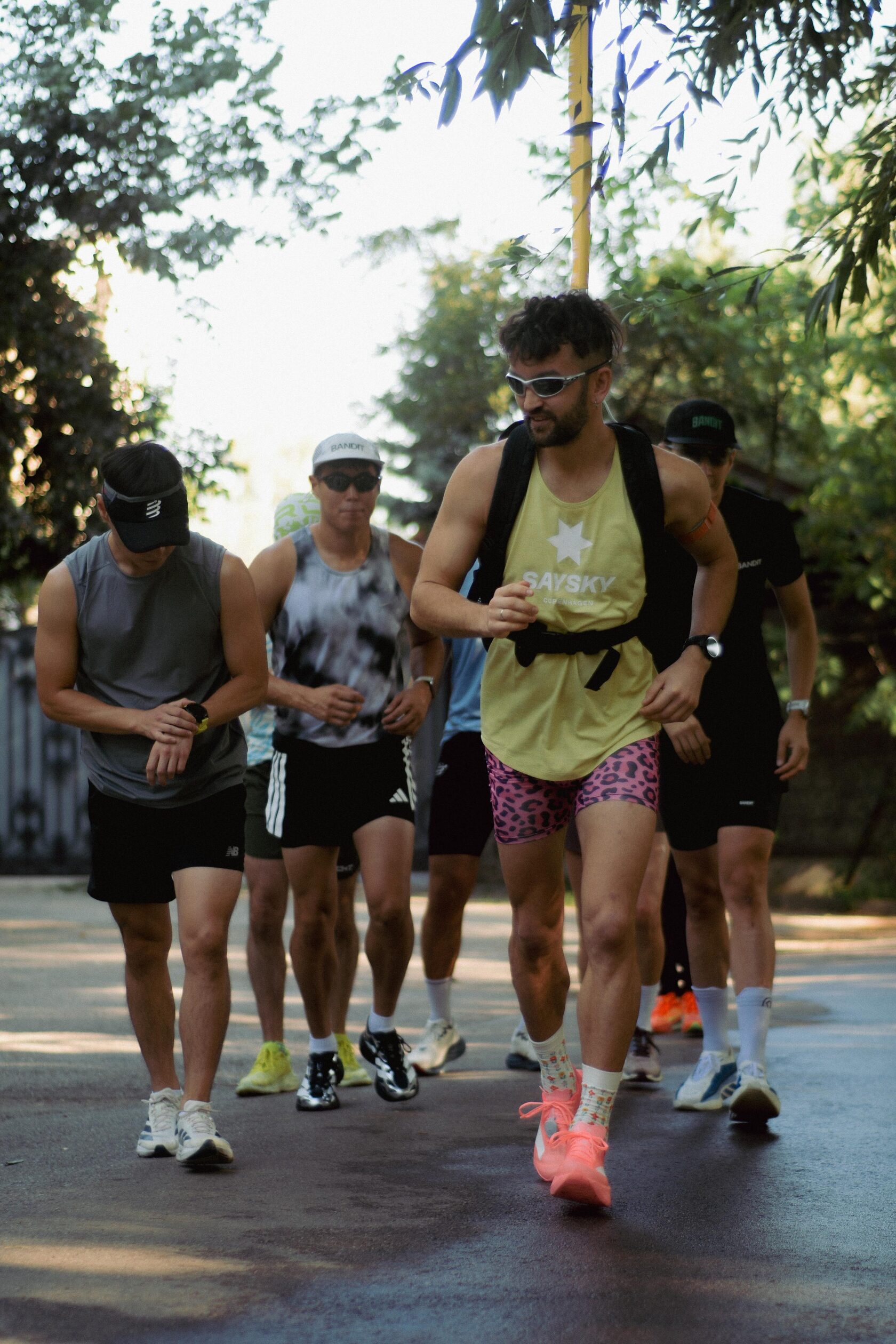
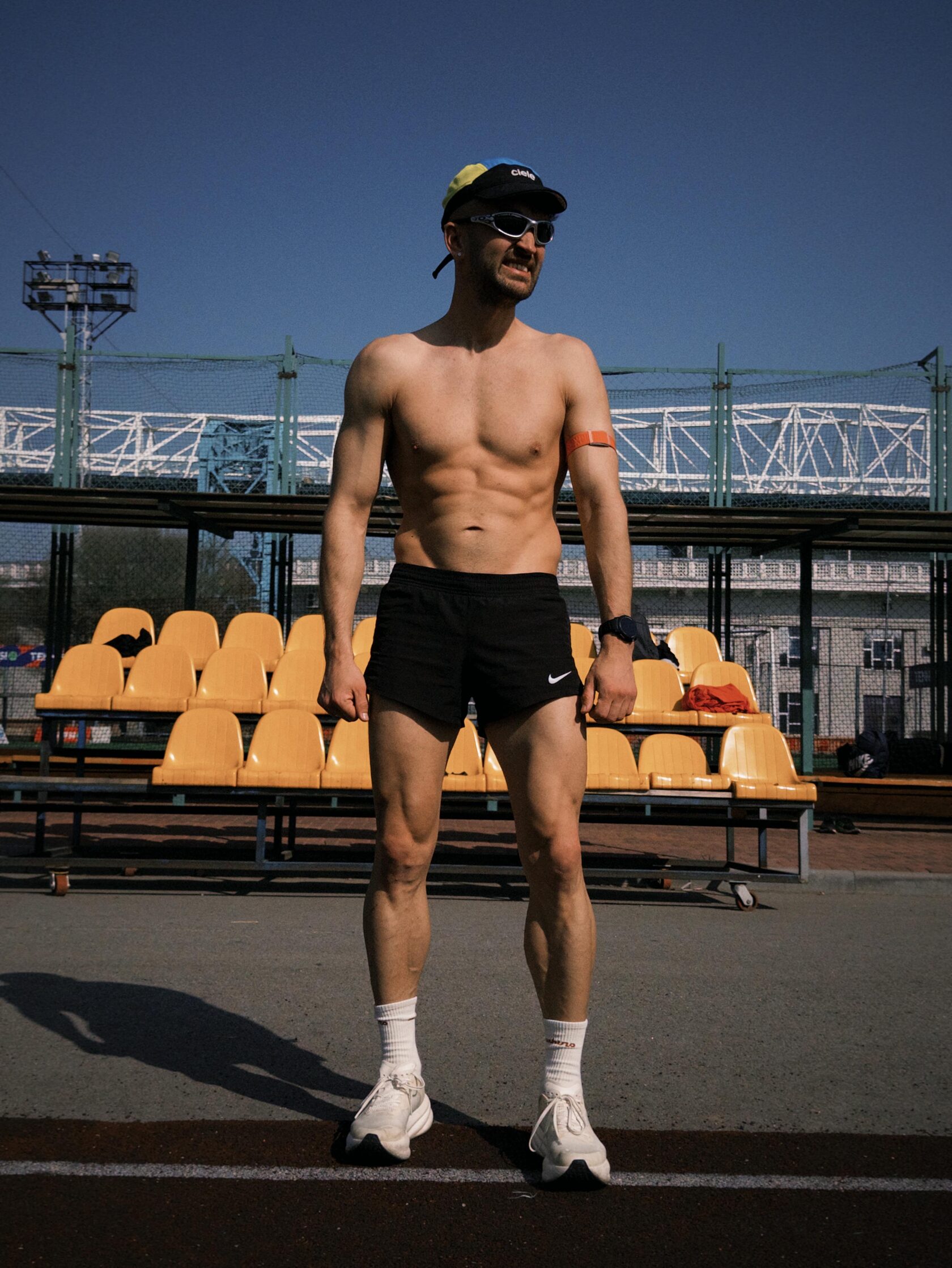
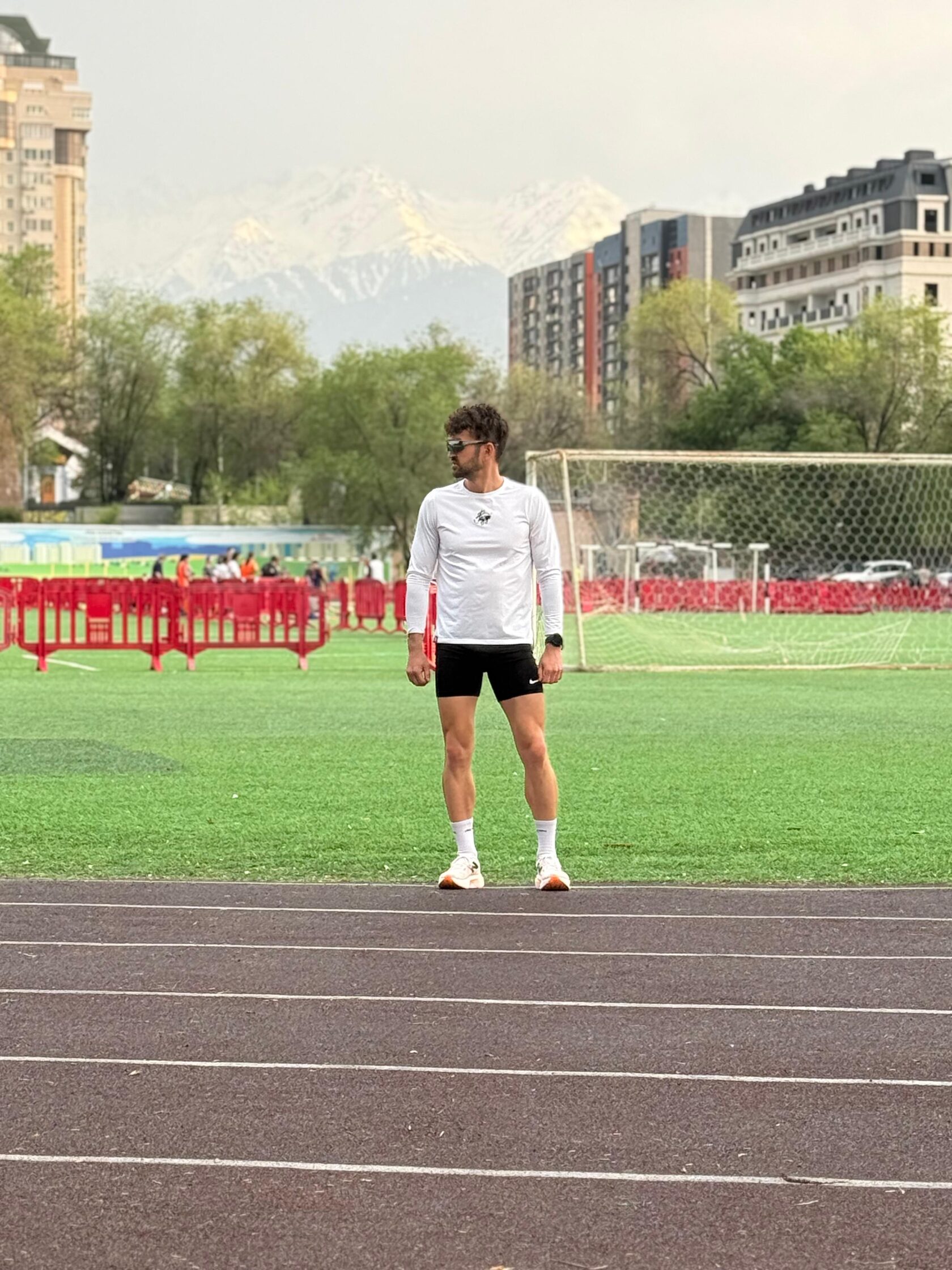
And this is where you enter territory where function and fashion are constantly arguing. Ildar, for example, loves sunglasses, caps and different running looks. He finds cycling shorts with a pocket handy: your phone and keys don’t get in the way of your movement.
But he doesn’t approve of the wired earphones and phone-in-hand he notices on some runners. As a coach, he pays attention first and foremost to ease of movement. So fashionable — by all means. But preferably in a way that still lets you run.
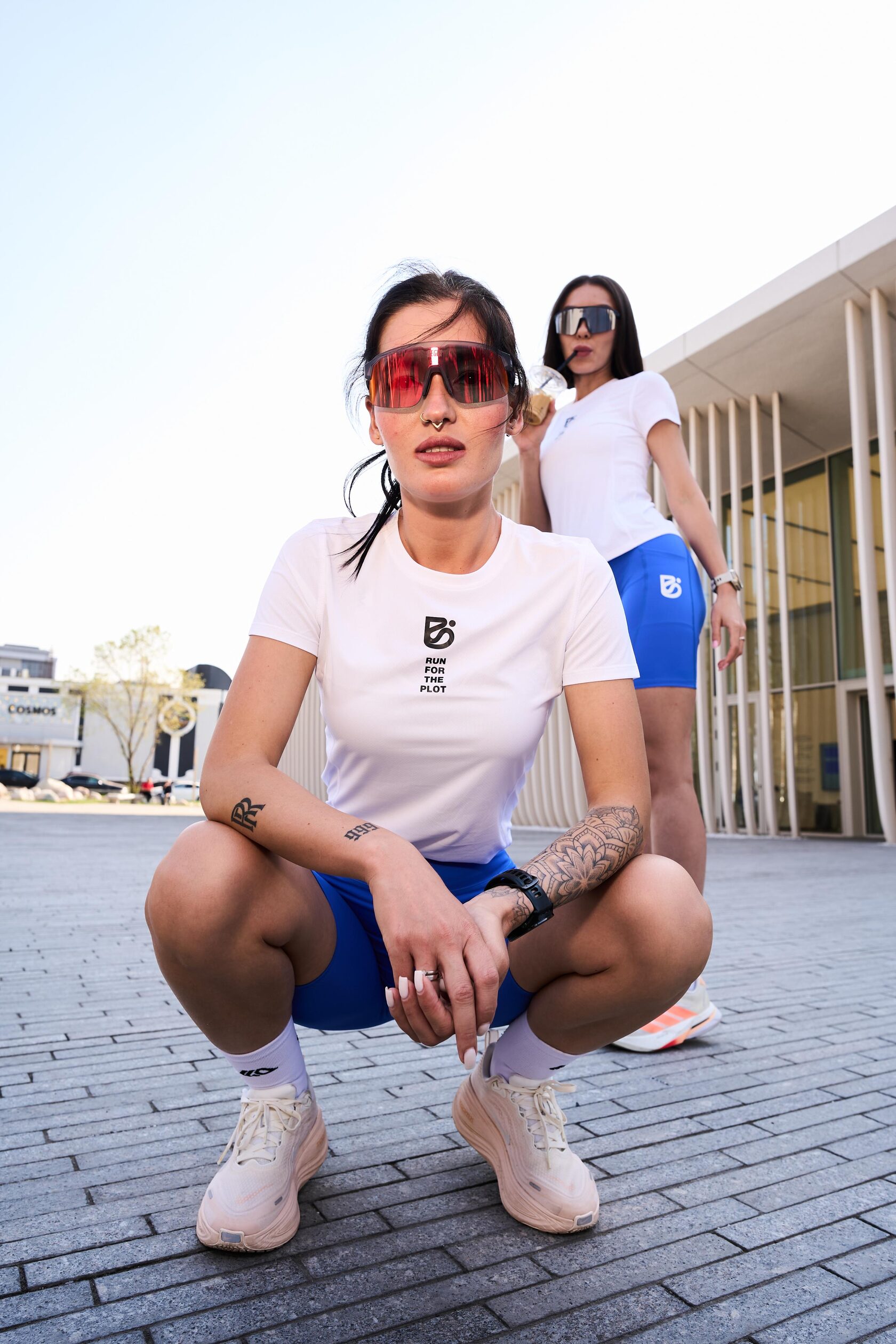
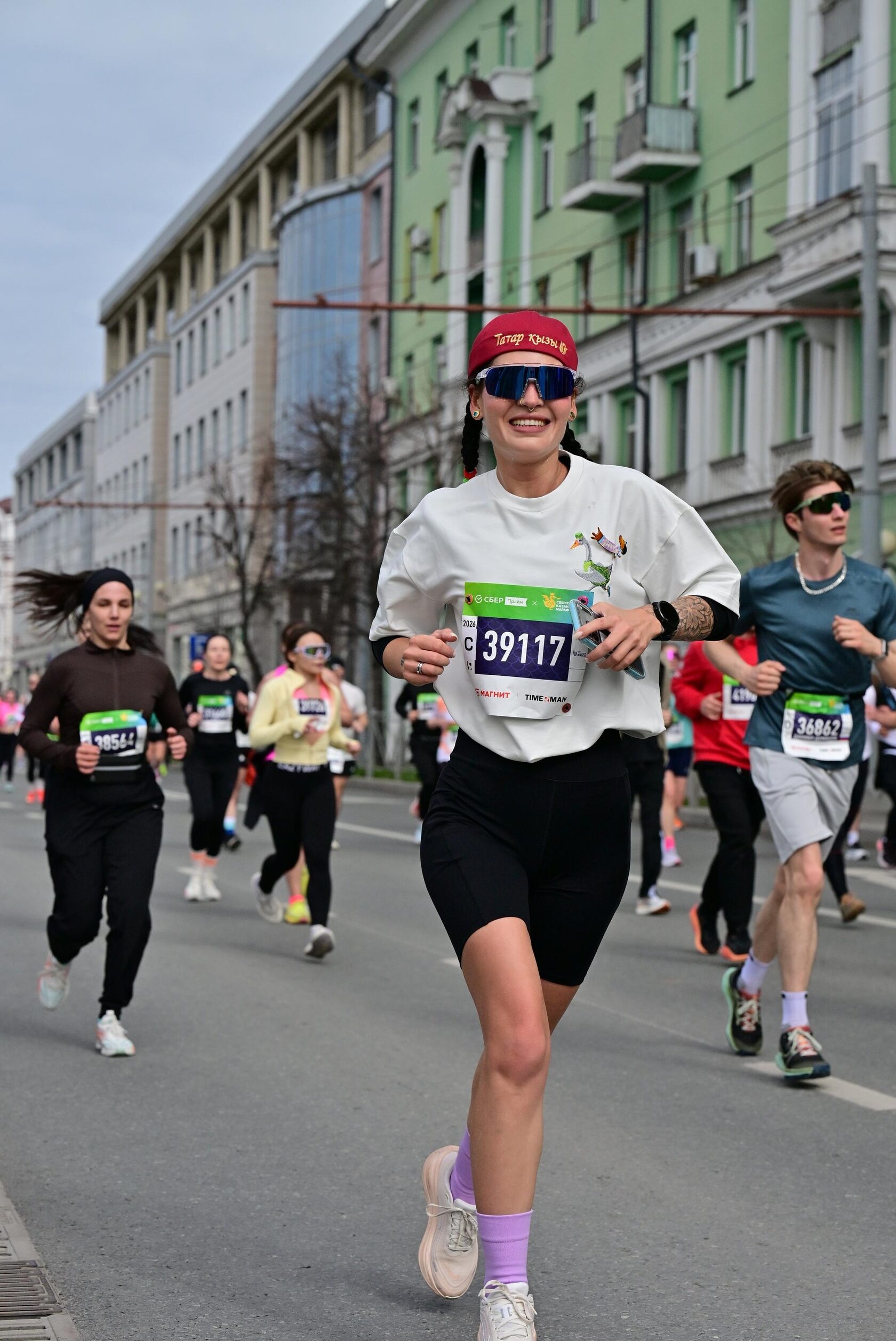
Grey joggers, then leopard print
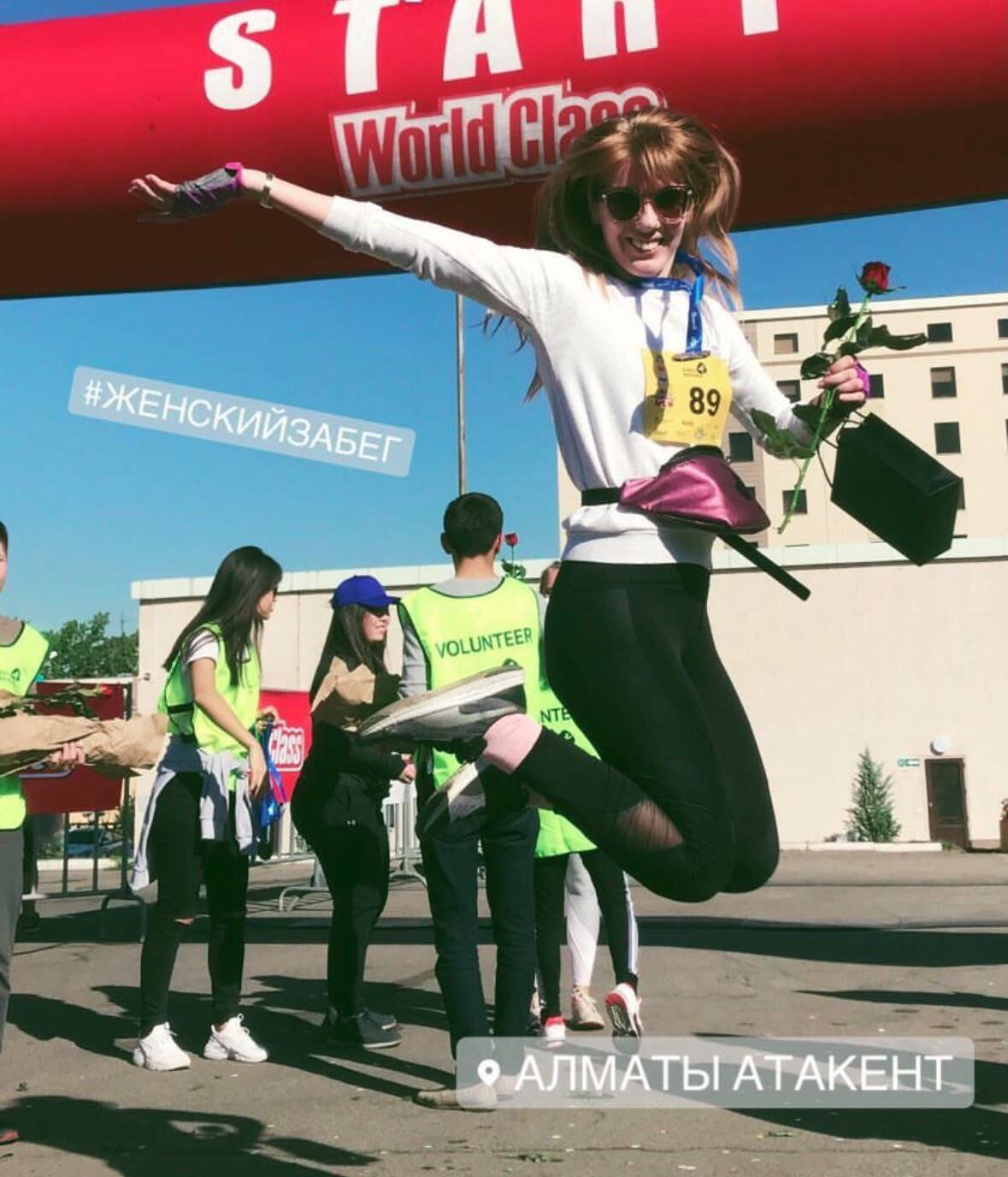
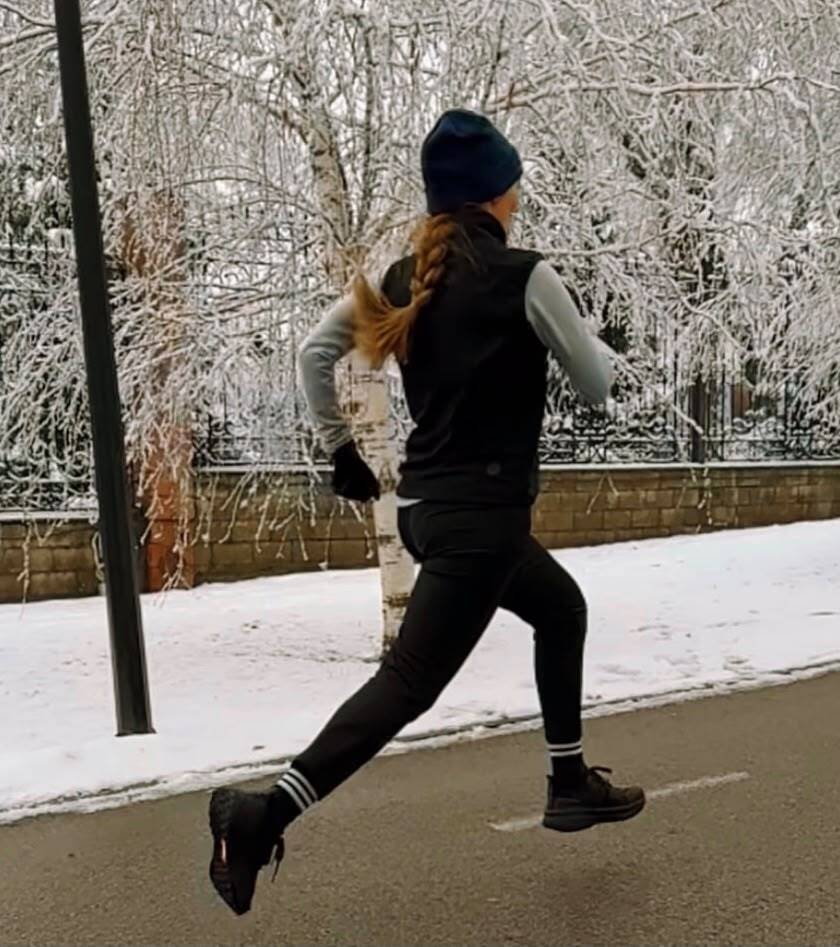
Regina Saifutdinova has her own scale of running evolution. She turned up for her first run in ordinary grey joggers, walking Asics, a huge stretched-out T-shirt and a hoodie.
And she ran more or less like that for almost a year. Today, Regina says, at the stadium one glance is often enough:
You can see the person who has just arrived and the person who has been training for a long time. Someone who has just arrived may be wearing practically plimsolls, or just ordinary shoes. Whereas someone who has been training for a long time already has carbon trainers, everything’s colourful and pretty, leopard-print leggings, great tops.”
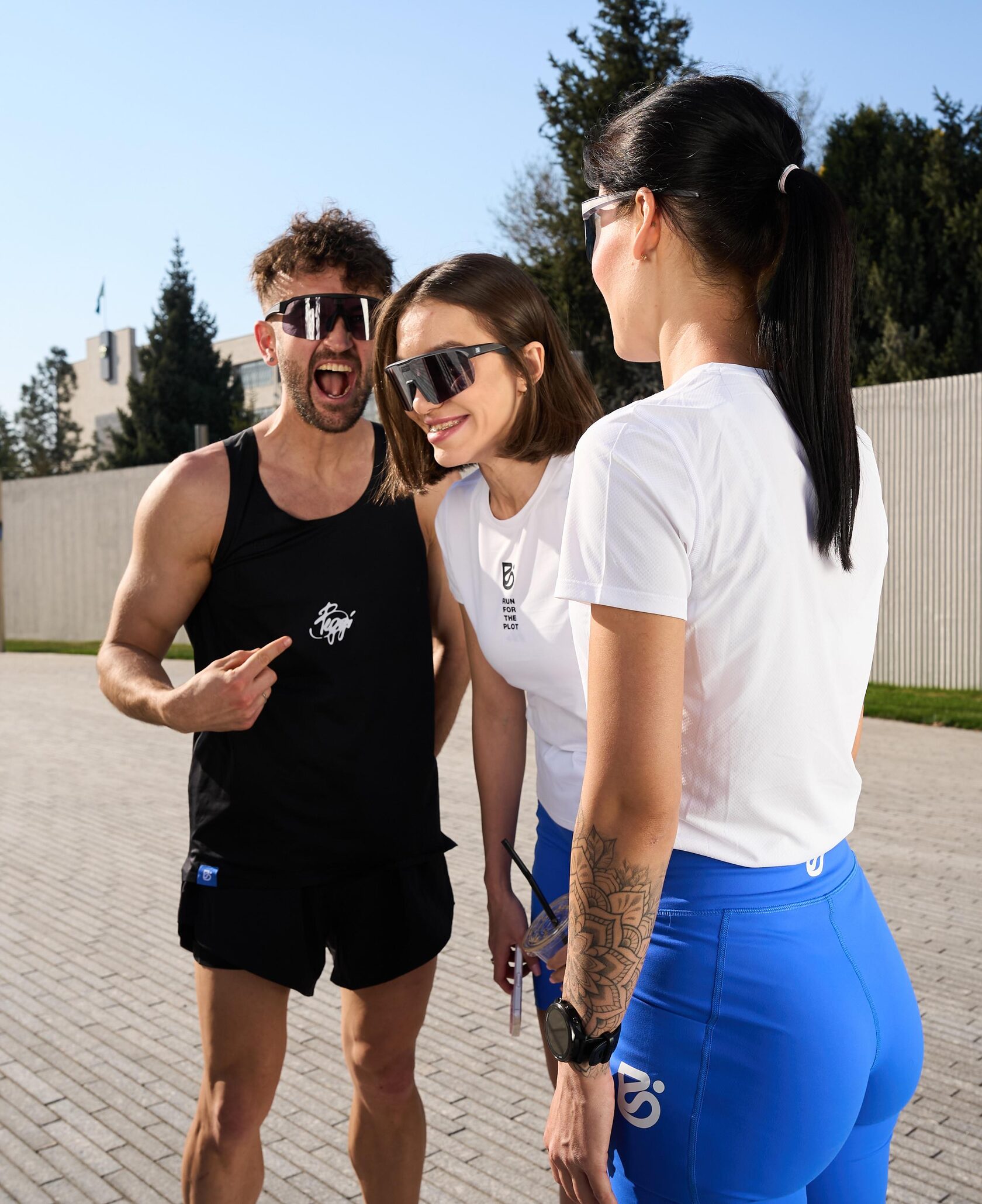
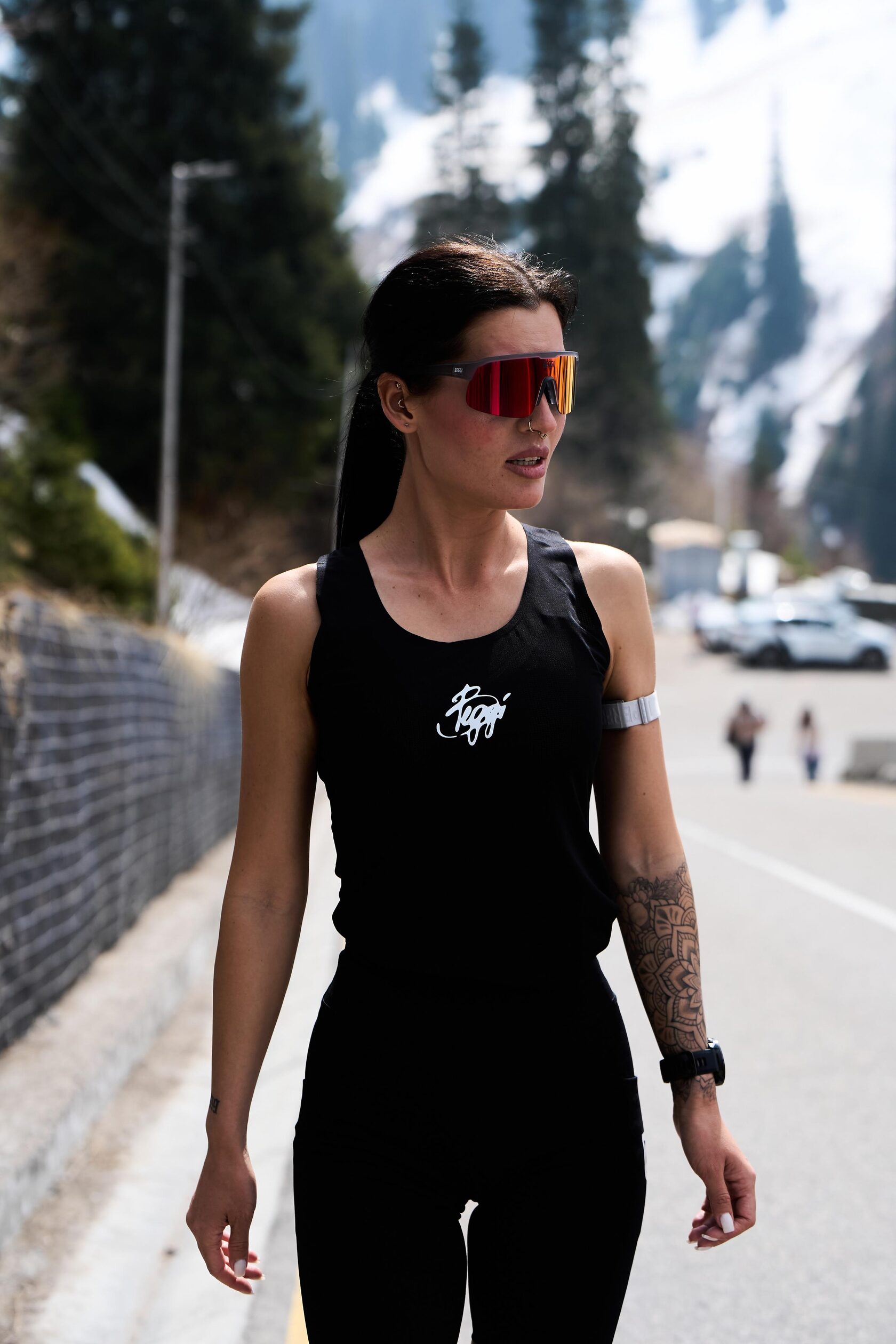
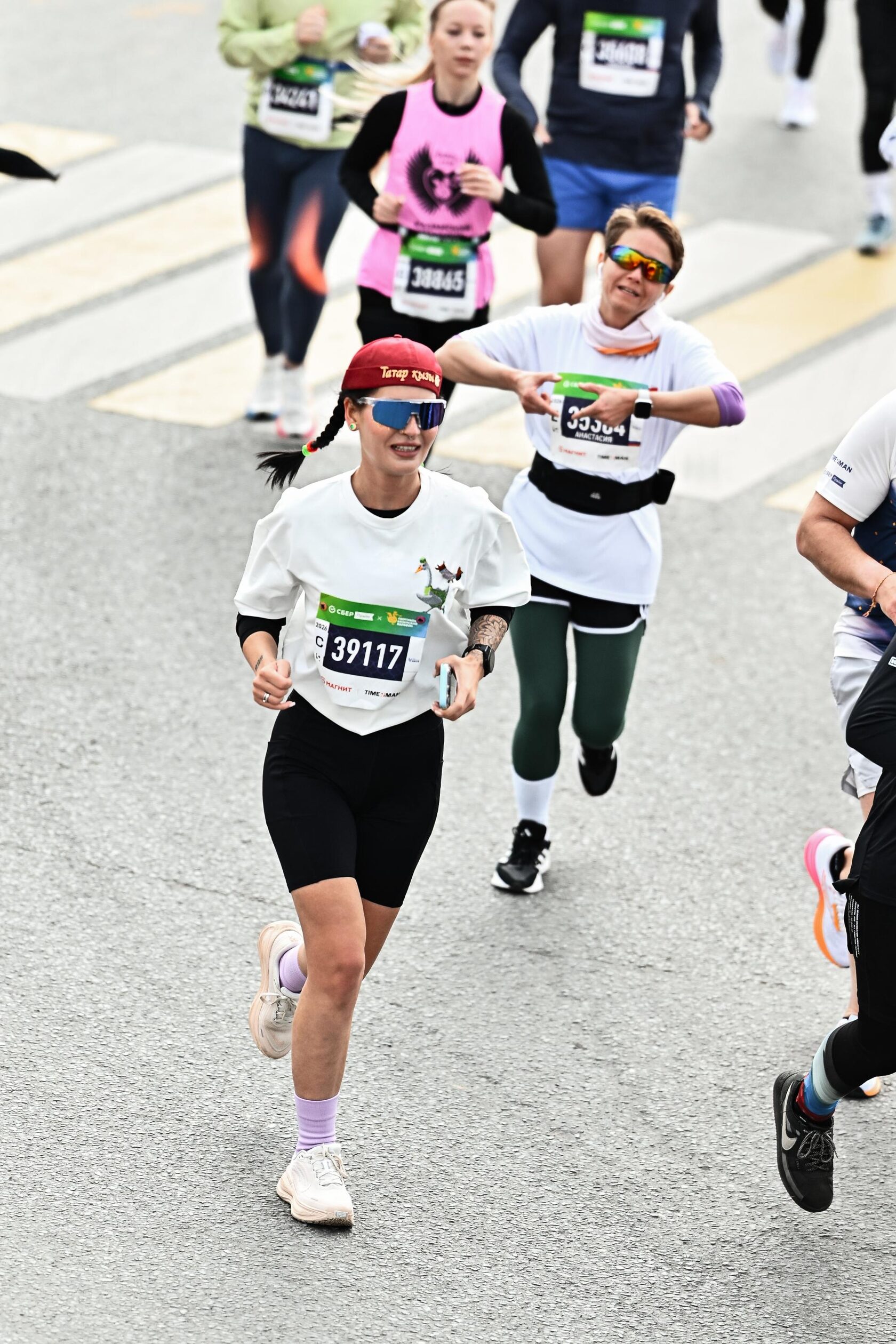
From Regina Saifutdinova’s archive
Regina adds an important point: “I think the more someone runs, the bolder they become in their looks and the less self-conscious they are.”
For her, aesthetics matter, but they still come after comfort. She buys most things because she really needs them: leggings, shorts, tops, wind- and waterproof clothing, a heart rate monitor, a watch. It’s just that today’s market lets the essentials look good too.
You can allow yourself to be different in running. Everyone will find something of their own — from bright colours to minimalism.”
Or maybe it isn’t about the clothes at all?
Olesya Bilmach suggests looking at running fashion from a completely different angle.
In her experience, the change in appearance is especially noticeable in people who have come to running literally “from the sofa” rather than from another sport. At the start, self-expression is the last thing on their mind.
A lot of people walk half the session and are out of breath. You’re just starting out and want to dress as comfortably as possible, as if to cover yourself up, become invisible and protect yourself.”
Hence the baggy T-shirts, tracksuit bottoms and shorts over leggings.
Then you get into it. You start talking to other runners, get advice, learn about fabrics and brands. Training stops being a survival test. Friends appear, races, in-jokes and rituals of your own. And your clothes change.
“If before you just wanted to survive the run, now you also want to look good and attractive, with everything comfortable and stylish.”
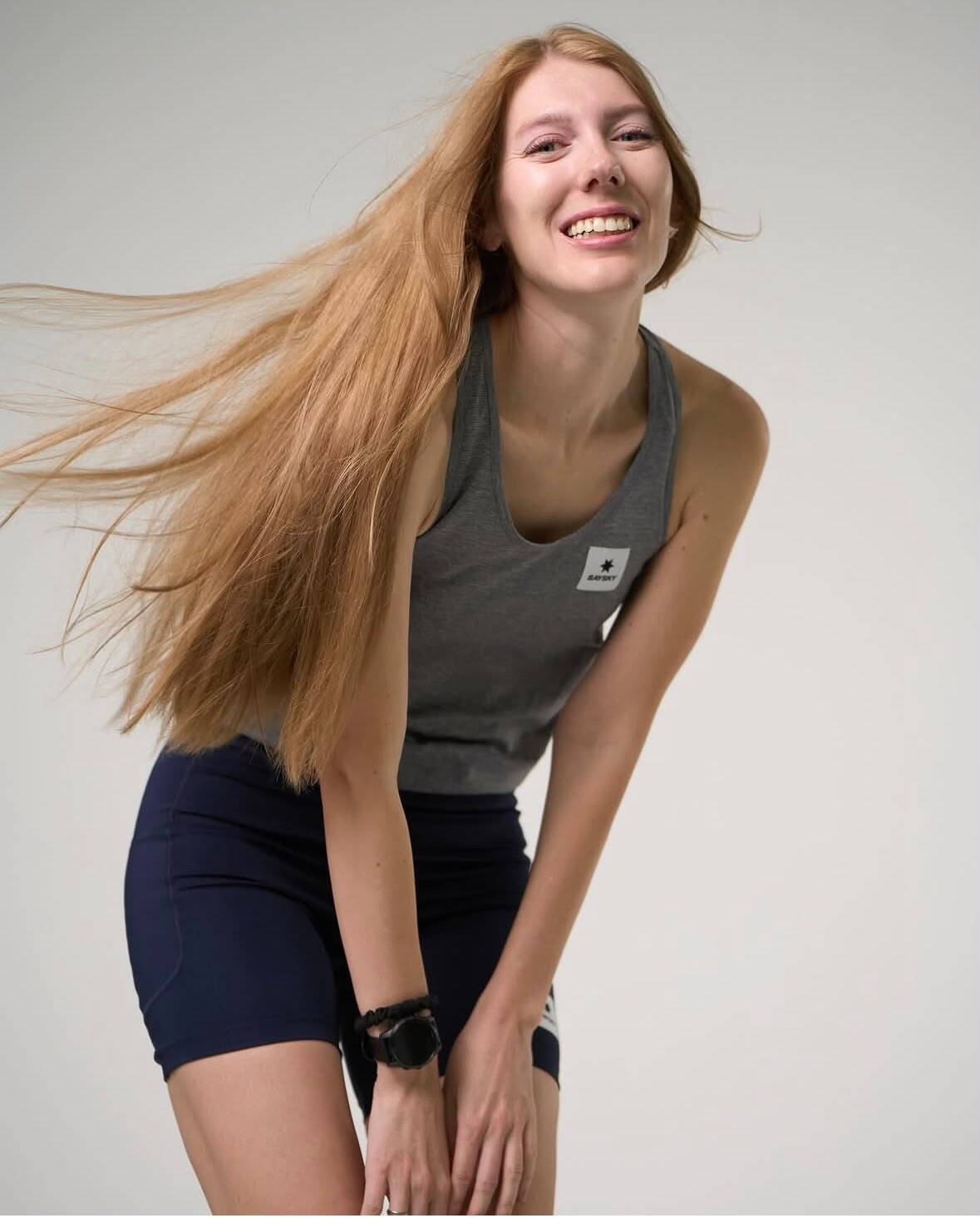
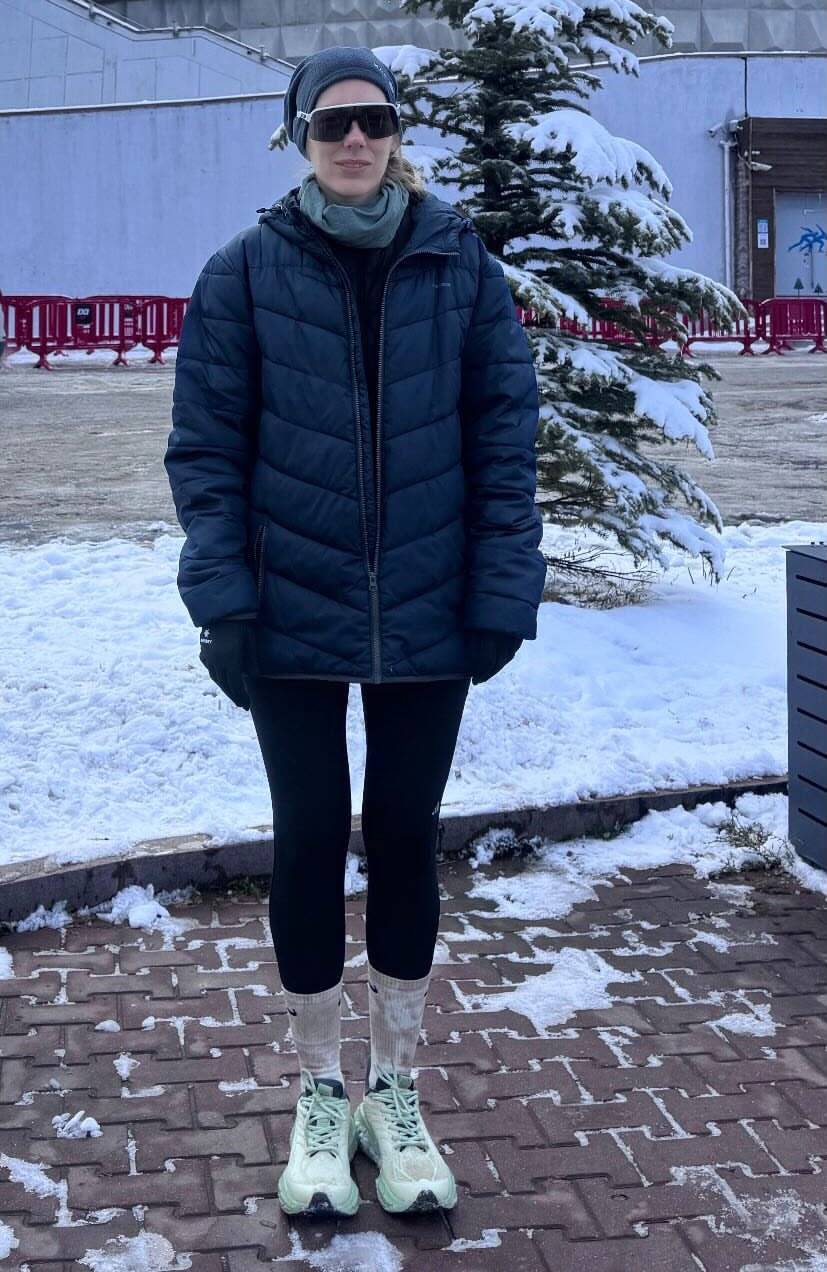
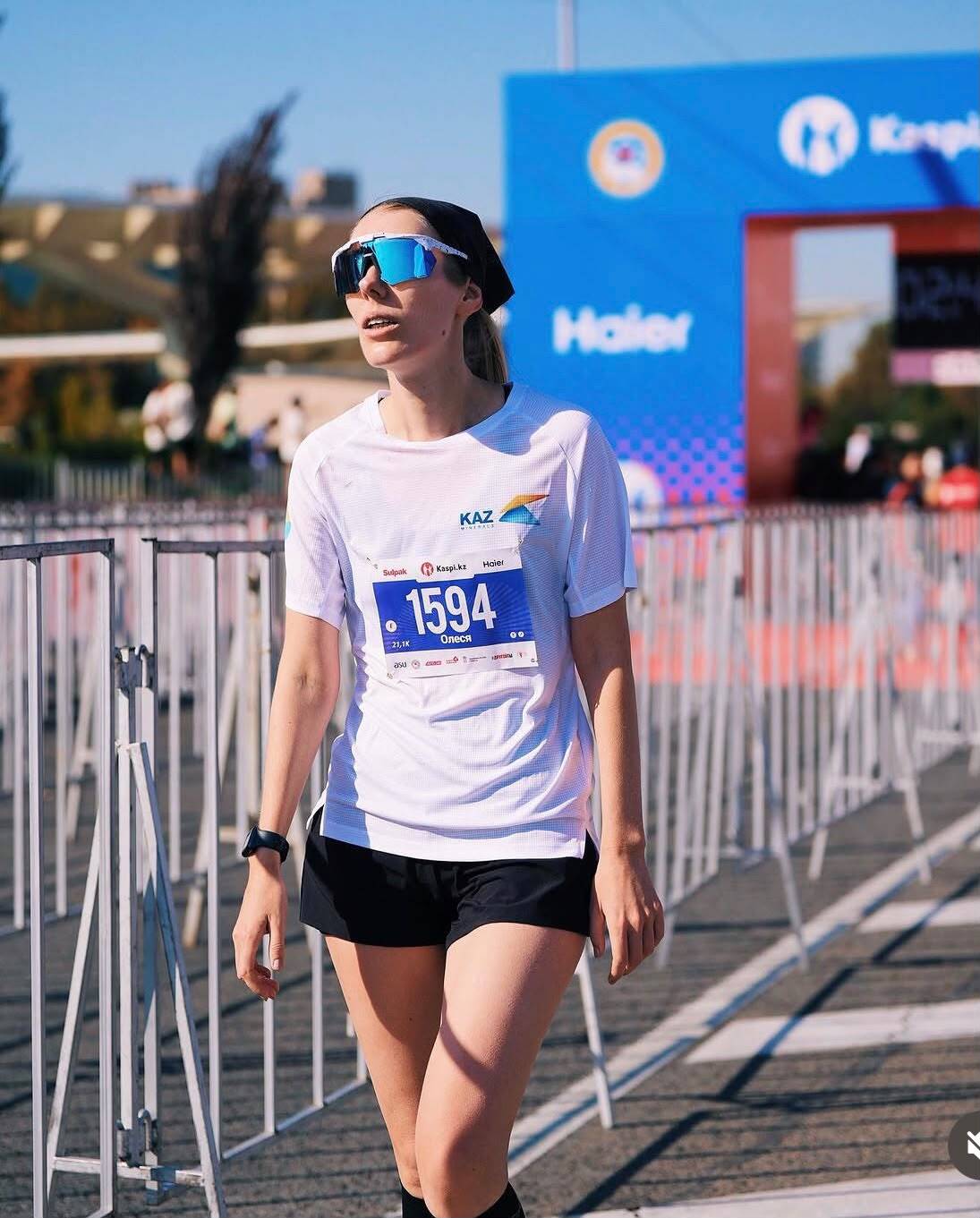
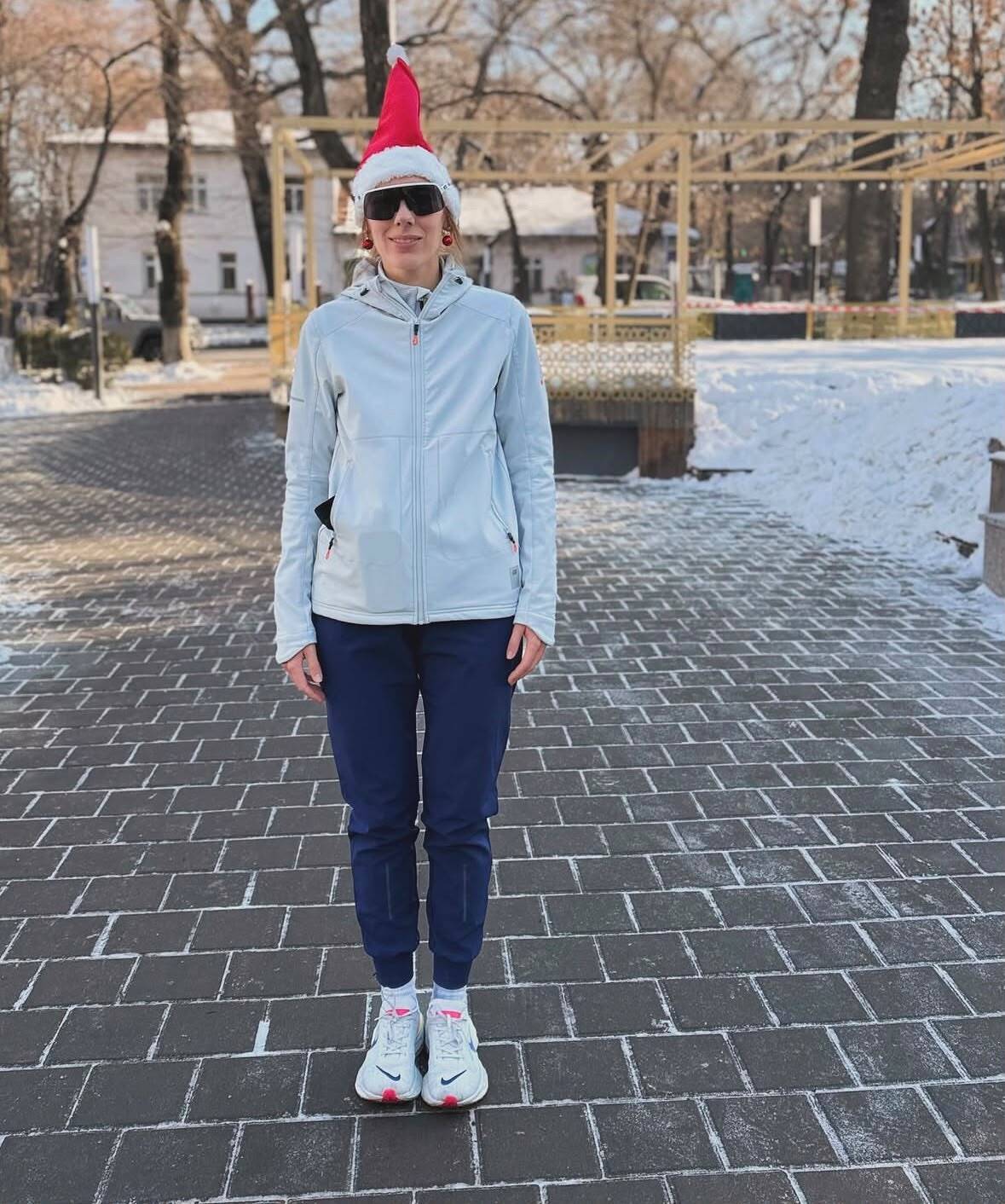
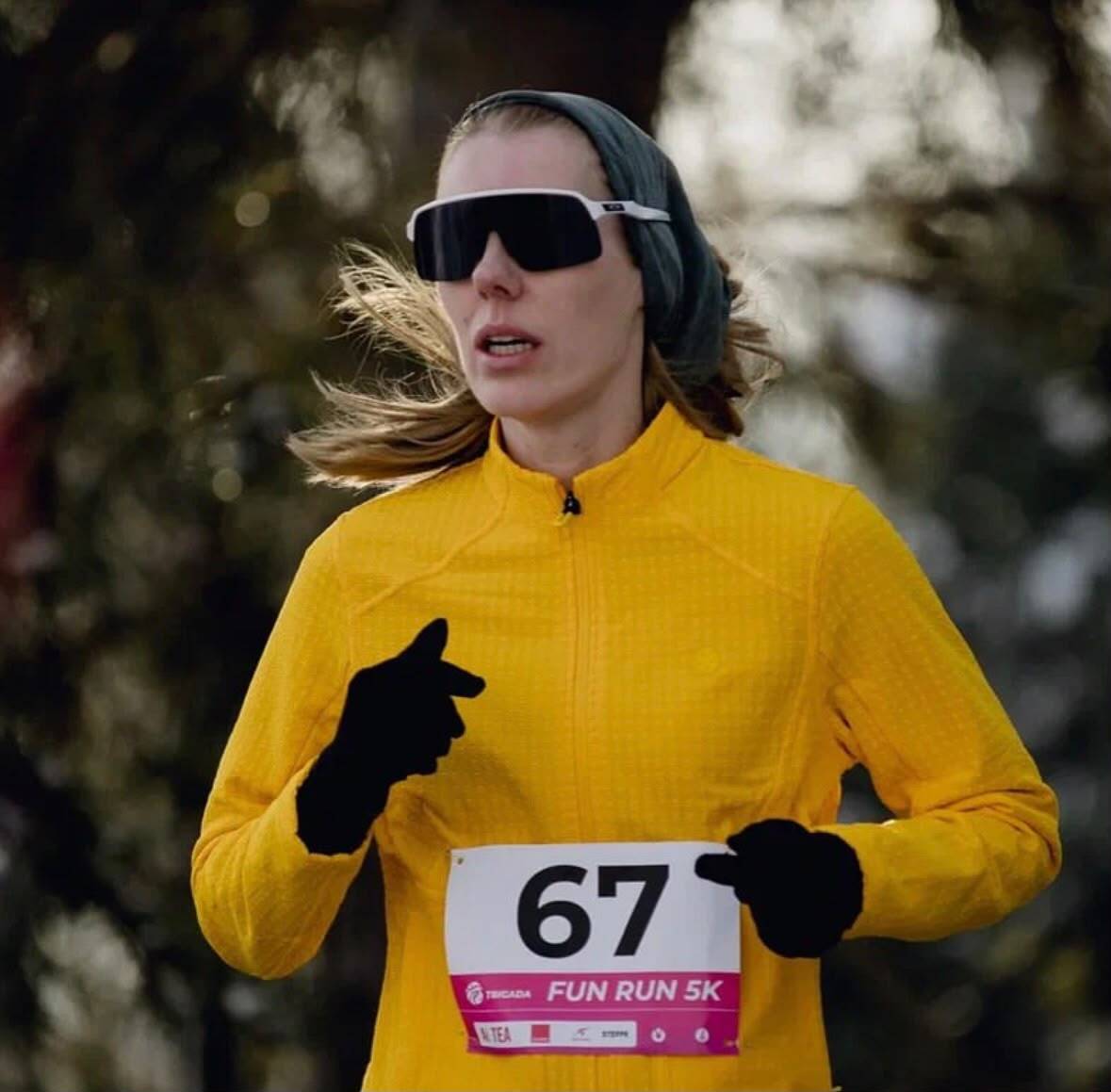
From Olesya Bilmach’s archive
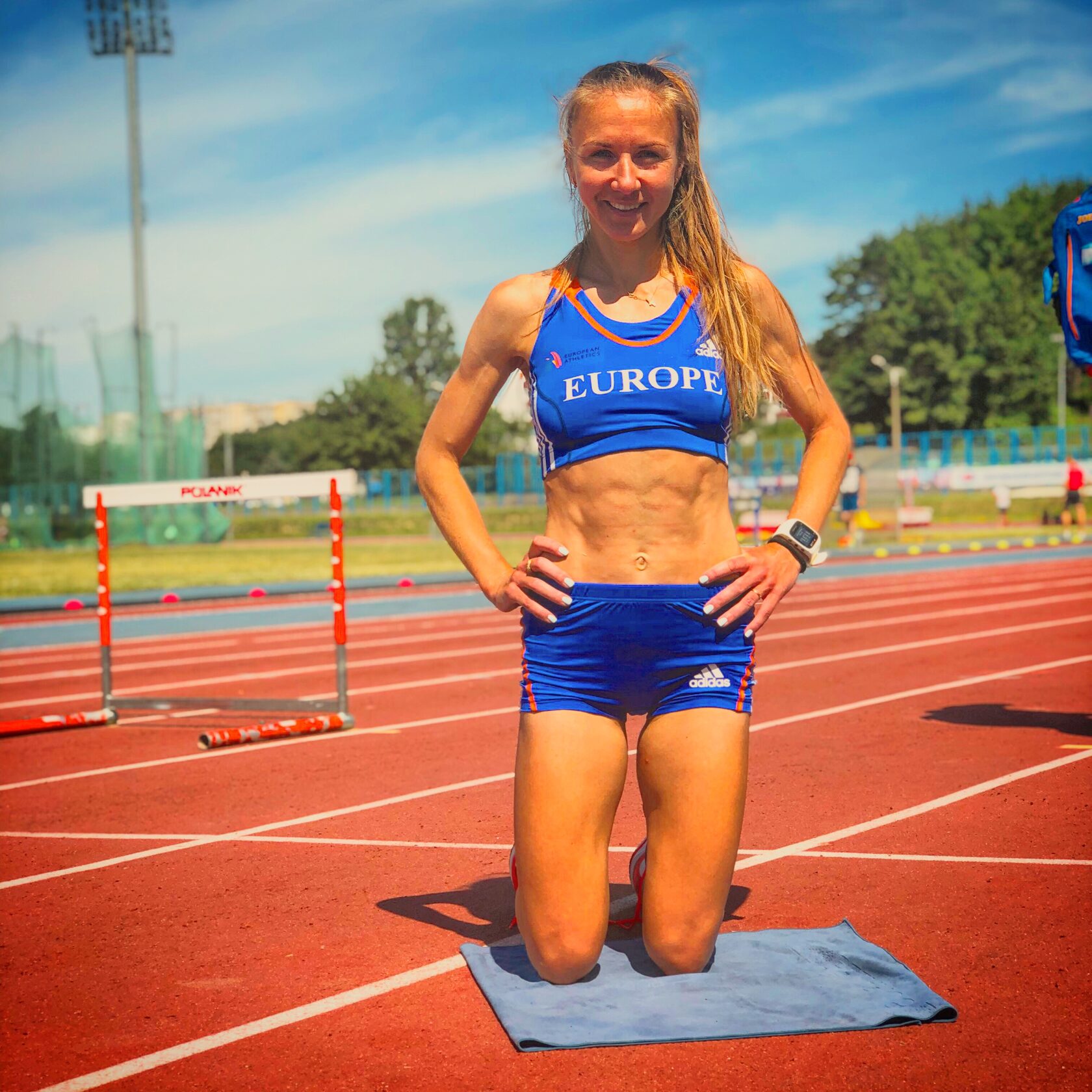
Shorts get shorter, vests get brighter. Some people start matching their socks to their trainers.
And some things gradually acquire an almost sacred status. For Olesya it’s her watch:
If I go out for a run without my watch, I might as well be naked. The session is ruined: nothing gets recorded anywhere, there are no stats, you can’t track the distance.” It’s funny right up until you ask other runners about it.
From “whatever there was” to “what shall I wear today?”
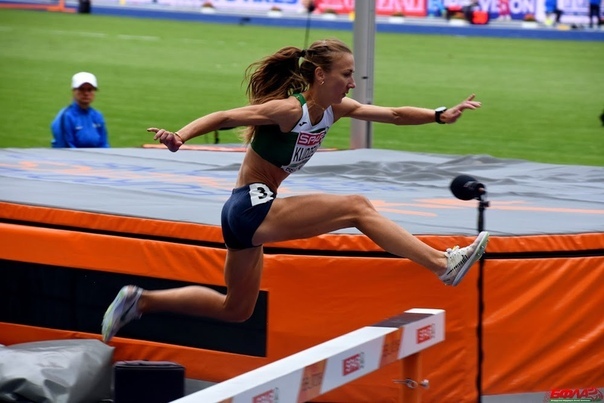
If you want a history of running fashion spanning almost three decades, Svetlana Kudelich has one. Svetlana has been running for 27 years. Behind her are two Olympic Games, European Championships, international races and dozens of national titles.
At 12, everything looked much more modest.
I didn’t really bother much about running clothes. I wore whatever there was in the family, whatever was bought for me, and ran in that. The main thing was to go to training and work, not to think about how I looked.”
Plimsolls from the market. Clothes from the same place. Later, when she was already receiving state sports support, Svetlana had one pair of trainers. She both trained and went about her everyday life in them. Today things have changed a little. By about a whole walk-in wardrobe.
“I absolutely adore running kit. I have a huge and very varied wardrobe: T-shirts, tops, long-sleeves, shorts, tights, windbreakers — all different, to suit my mood, the weather and the particular session.”
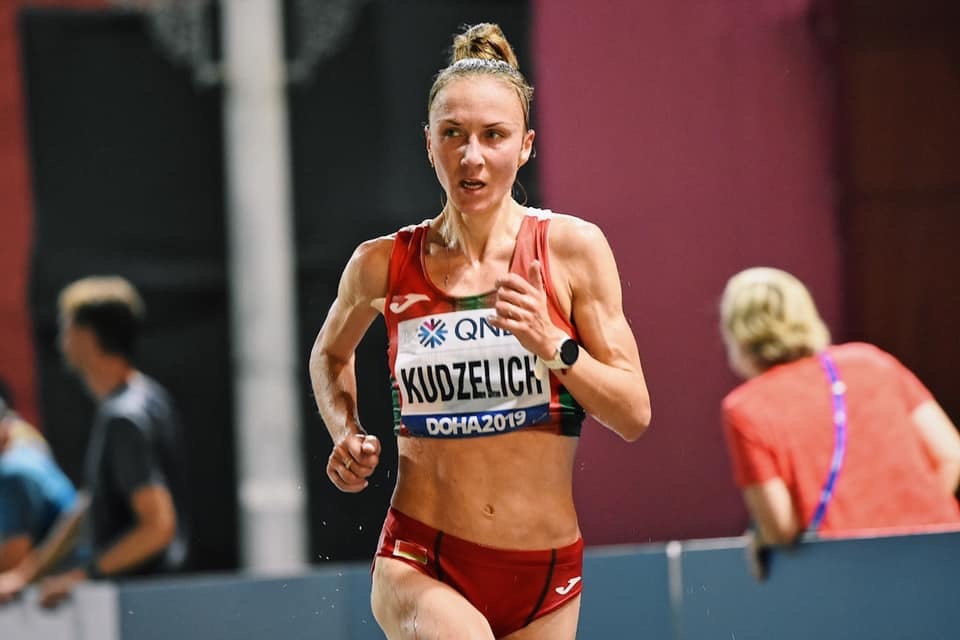
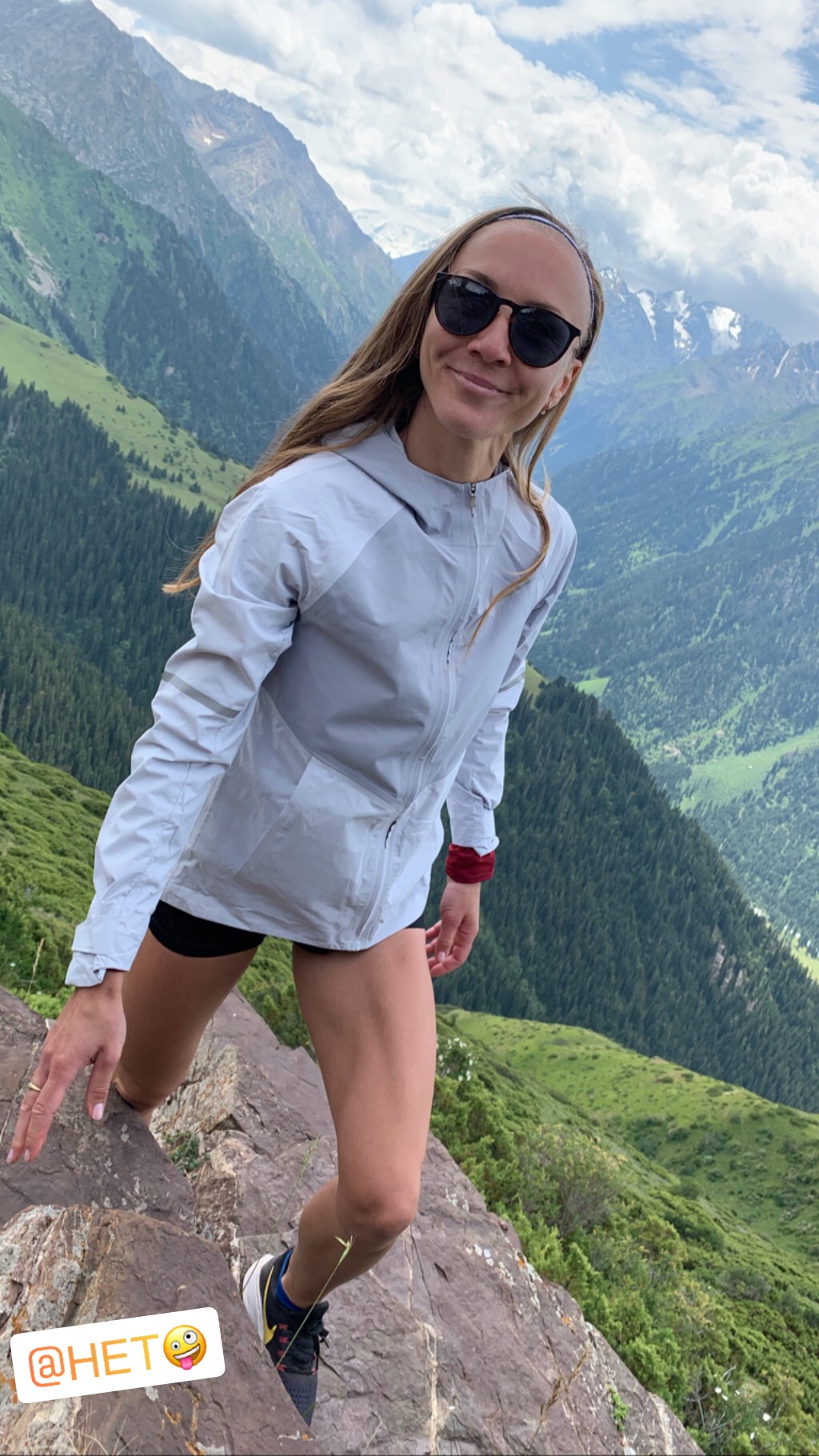
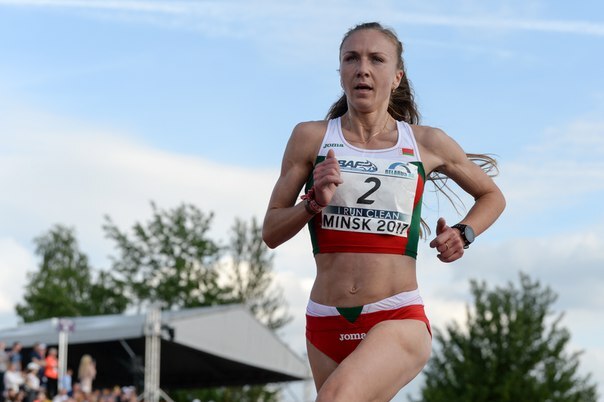

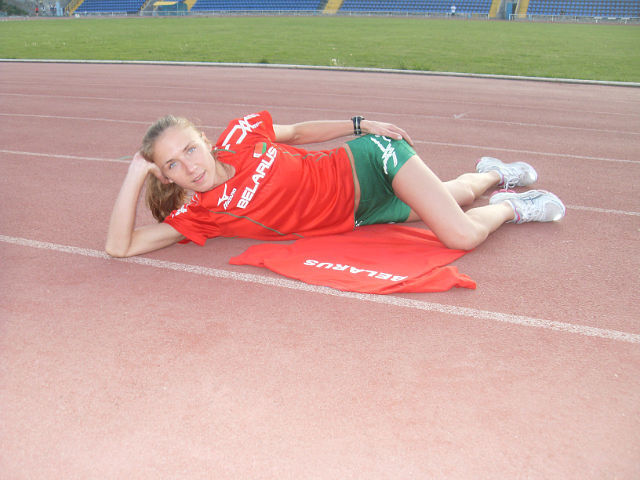
From Svetlana Kudelich’s archive
She can put together different running outfits for more than a month with practically no repeats.
And in her case, aesthetics have themselves become part of the sporting function: “The process of getting ready for training, choosing clothes for a particular run, gives me pleasure and gets me in the mood for work. Sometimes I feel energised before I’ve even left the house, simply because I like my look.”
So one of the most decorated people in this story gives what is perhaps the least serious and at the same time very relatable reason for going out to train:
Sometimes motivation doesn’t start with a coach or a training plan. Sometimes it starts with the question: “Right, what shall I wear today?”
Less and less black
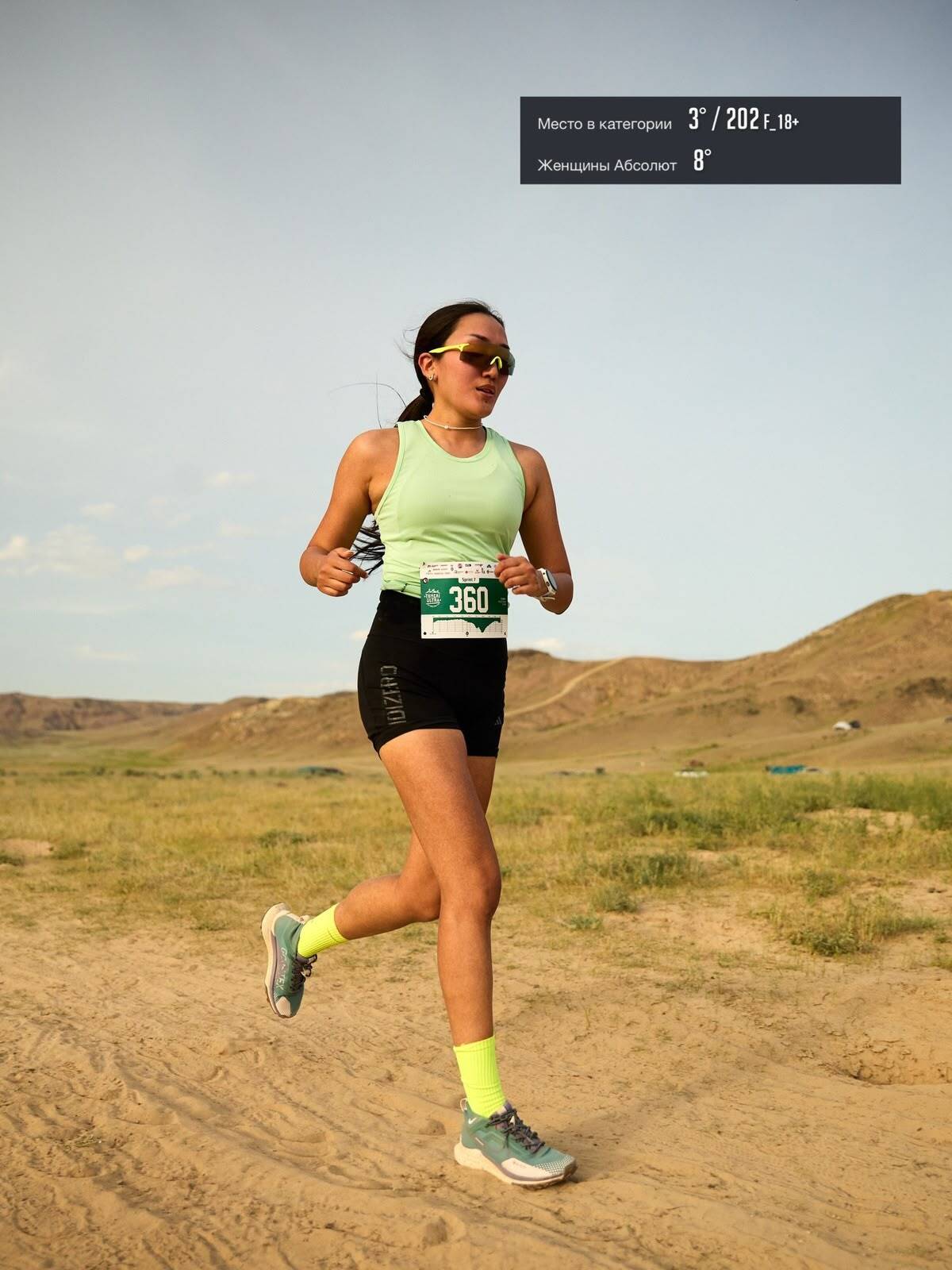
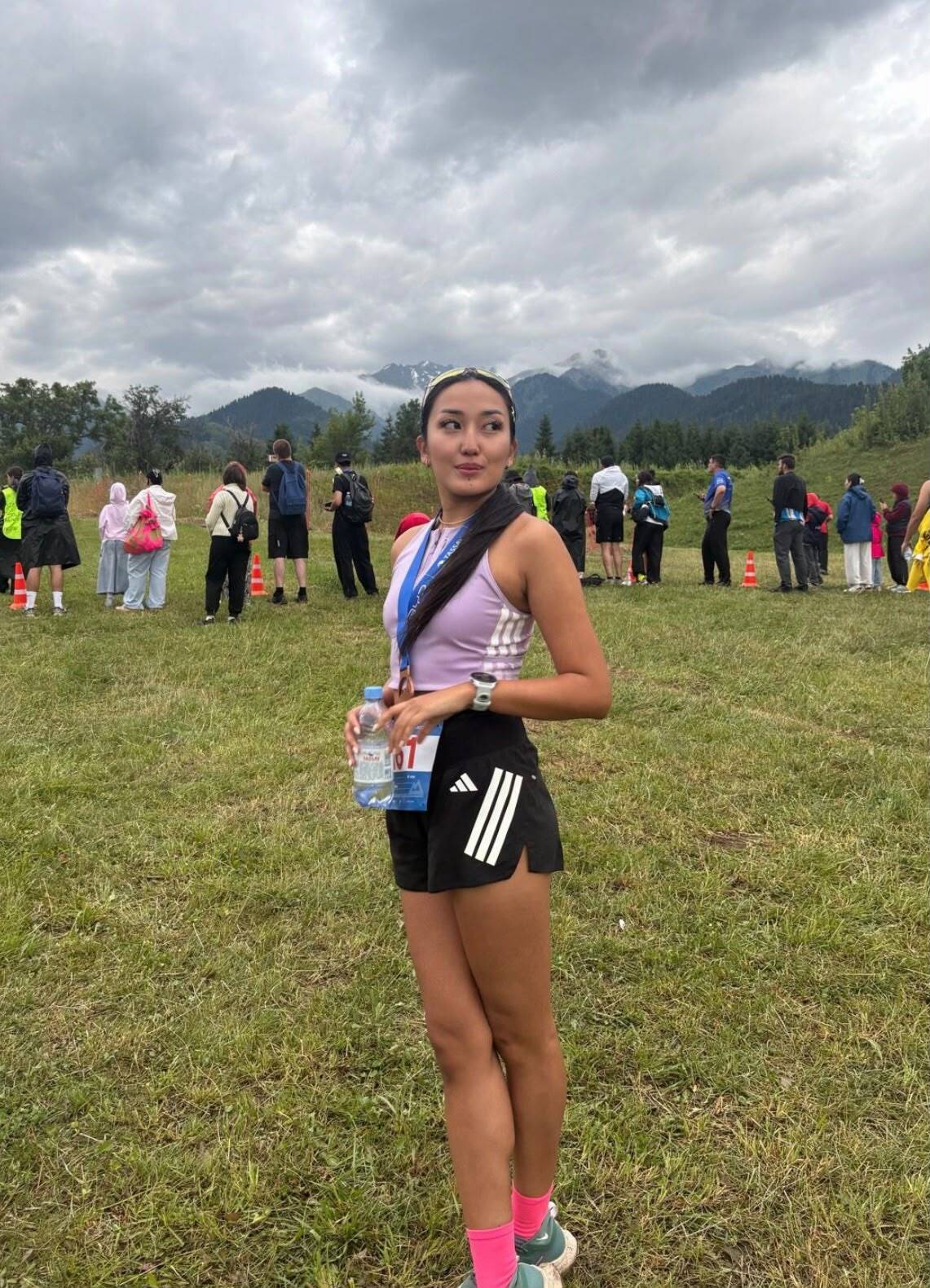
Aigerim Sergebayeva turned up for her first session dressed almost entirely in black: leggings with shorts over them, a T-shirt and a sweatshirt. It was cool in the morning, so she wanted to wrap up warm. Then she discovered what almost every beginner runner discovers sooner or later: when you run, you get hot. Now Aigerim dresses lighter. And brighter.
I try to wear less black. For me, running clothes are a way of motivating myself and creating a mood. If I don’t like how I look, I don’t want to go outside any more than I have to.”
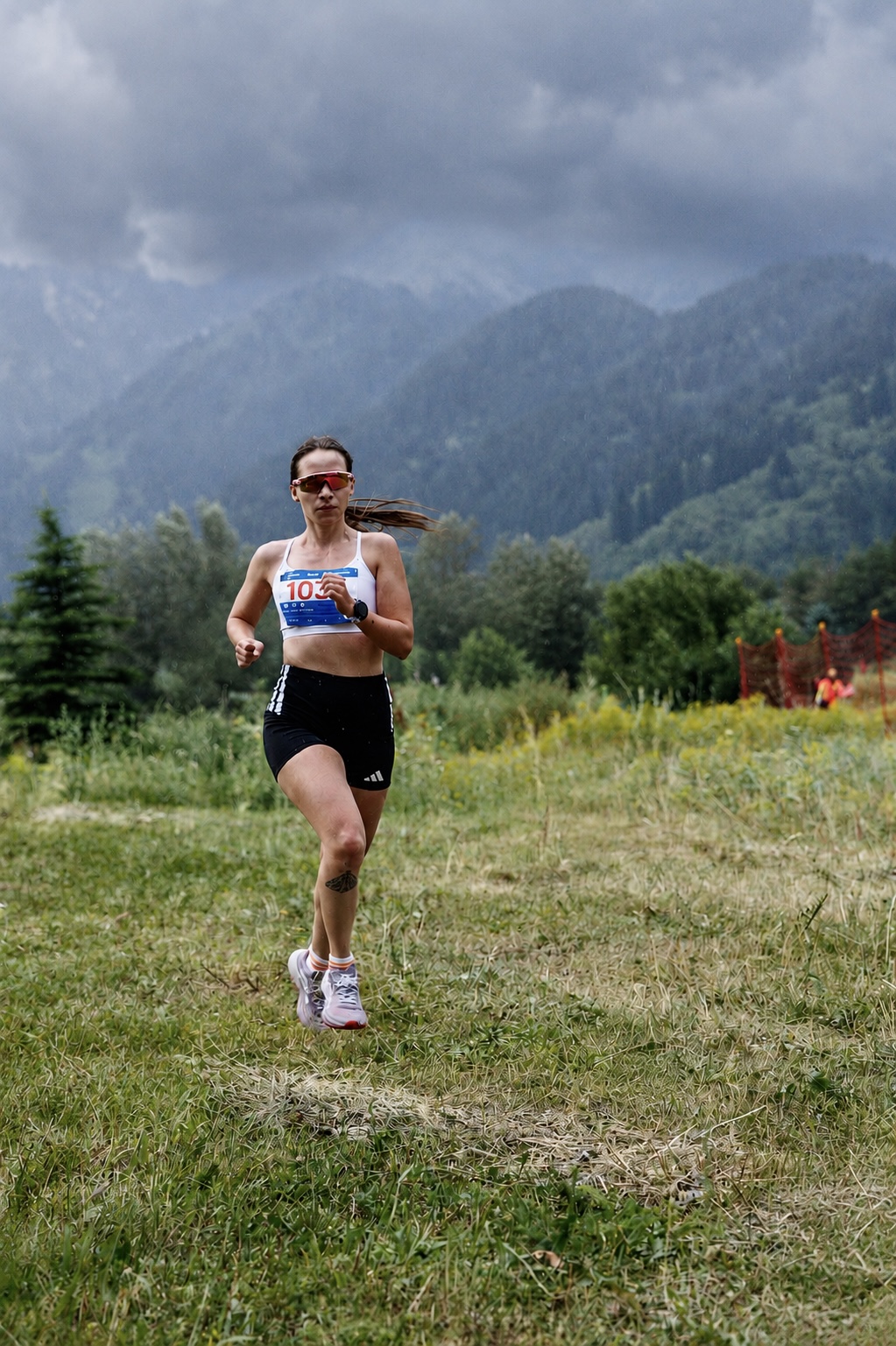
Maria Khudyakova also started without any fancy kit: a cotton T-shirt, shorts, trainers. Then her shoes became more comfortable, and cotton gave way to sports fabrics that dry faster. But function is no longer the only consideration:
I spend quite a lot of time in running kit, and it matters not only that it’s comfortable, but that I like the design and that everything goes together. I still choose trainers for comfort and colour.”
And there’s a funny pattern: the more time someone spends in sportswear, the less willing they are to look sloppy in it.
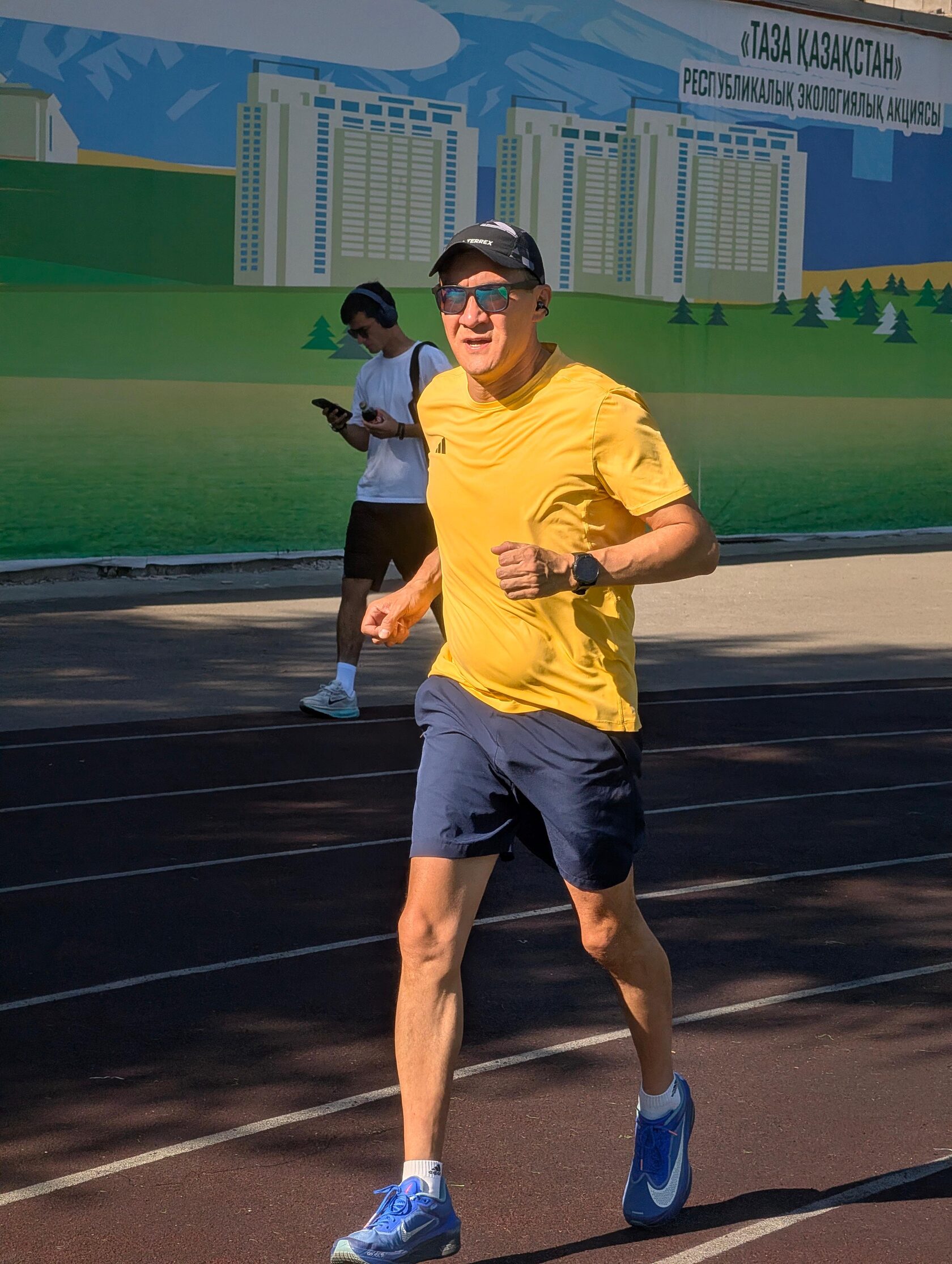
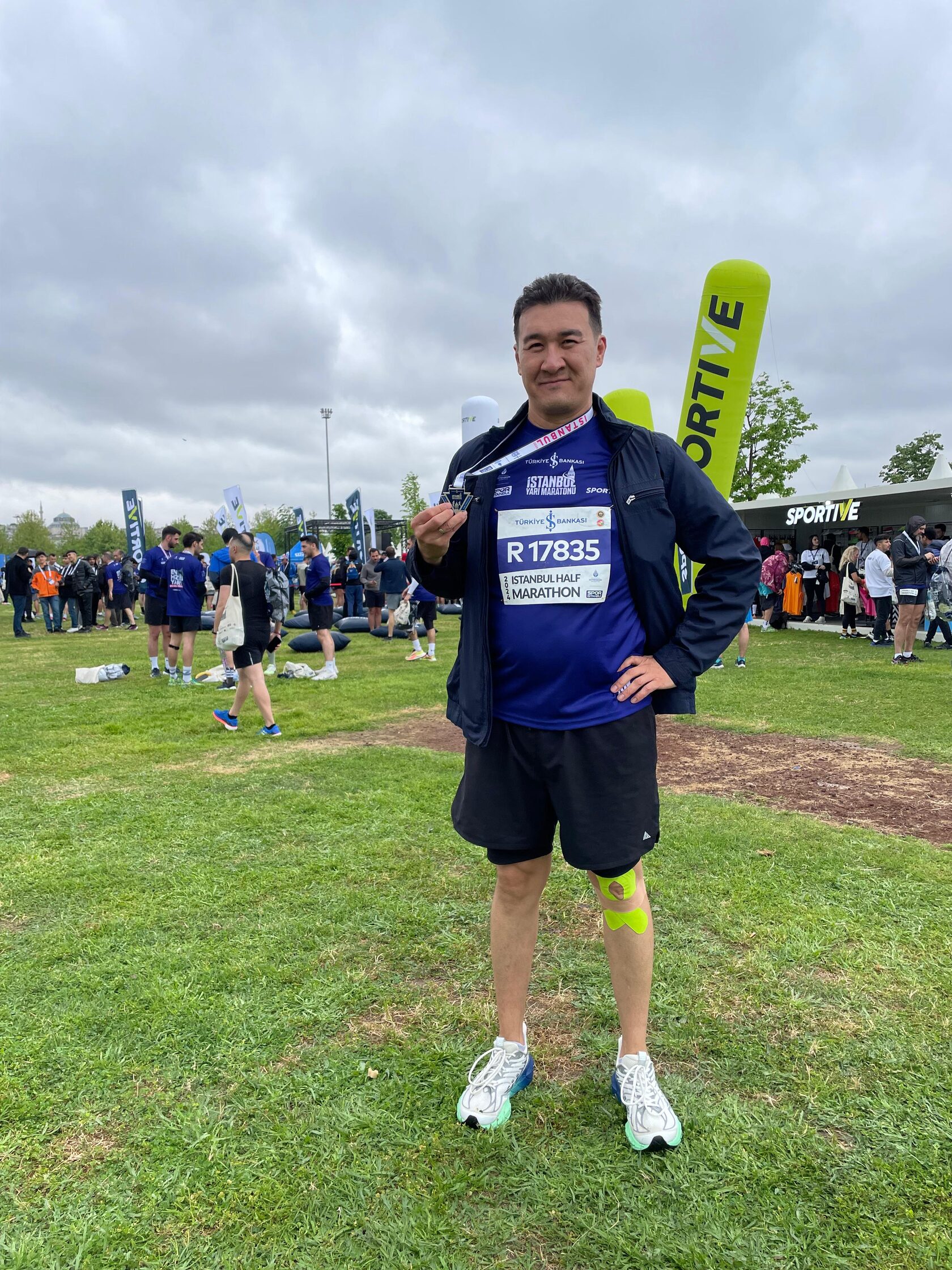
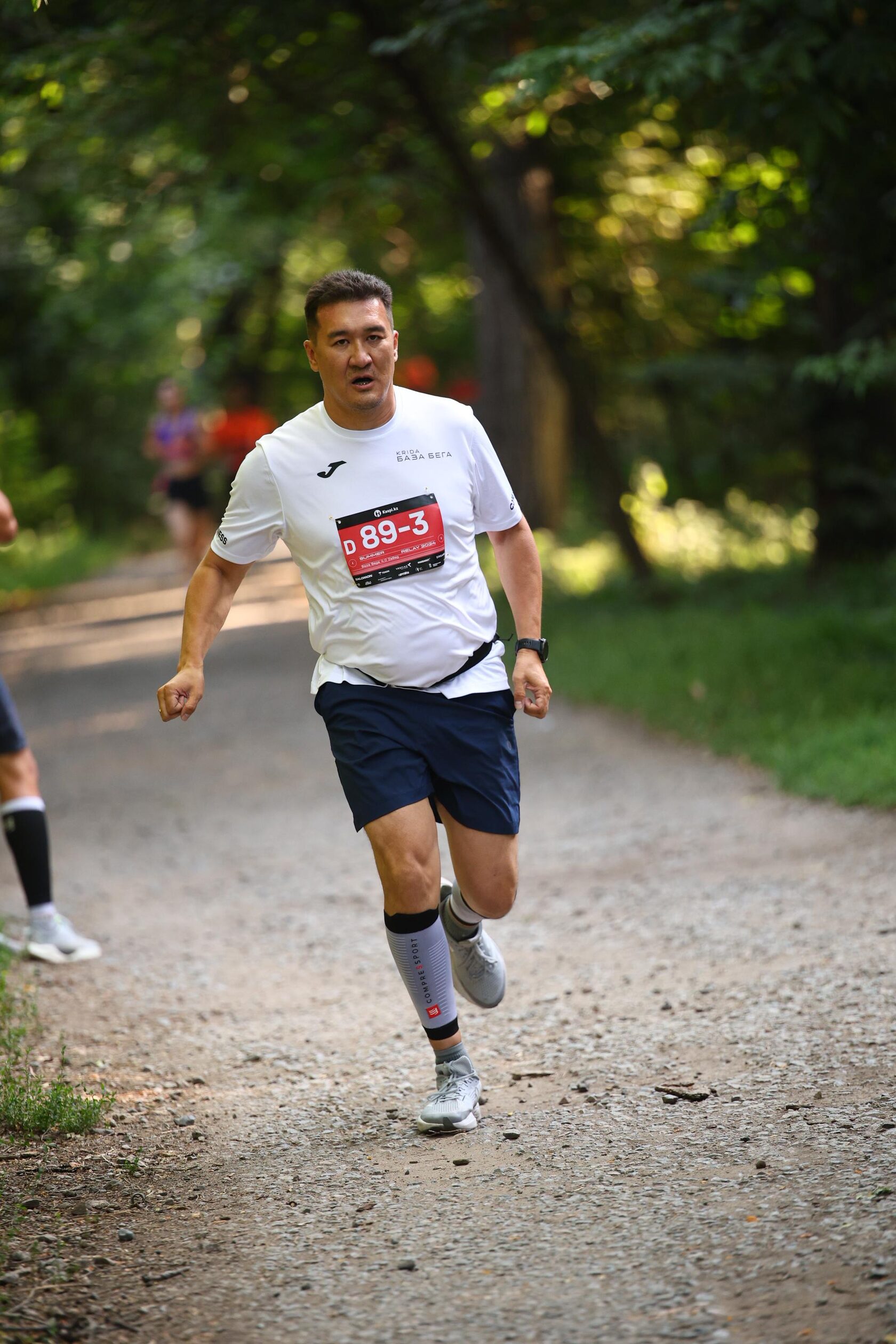
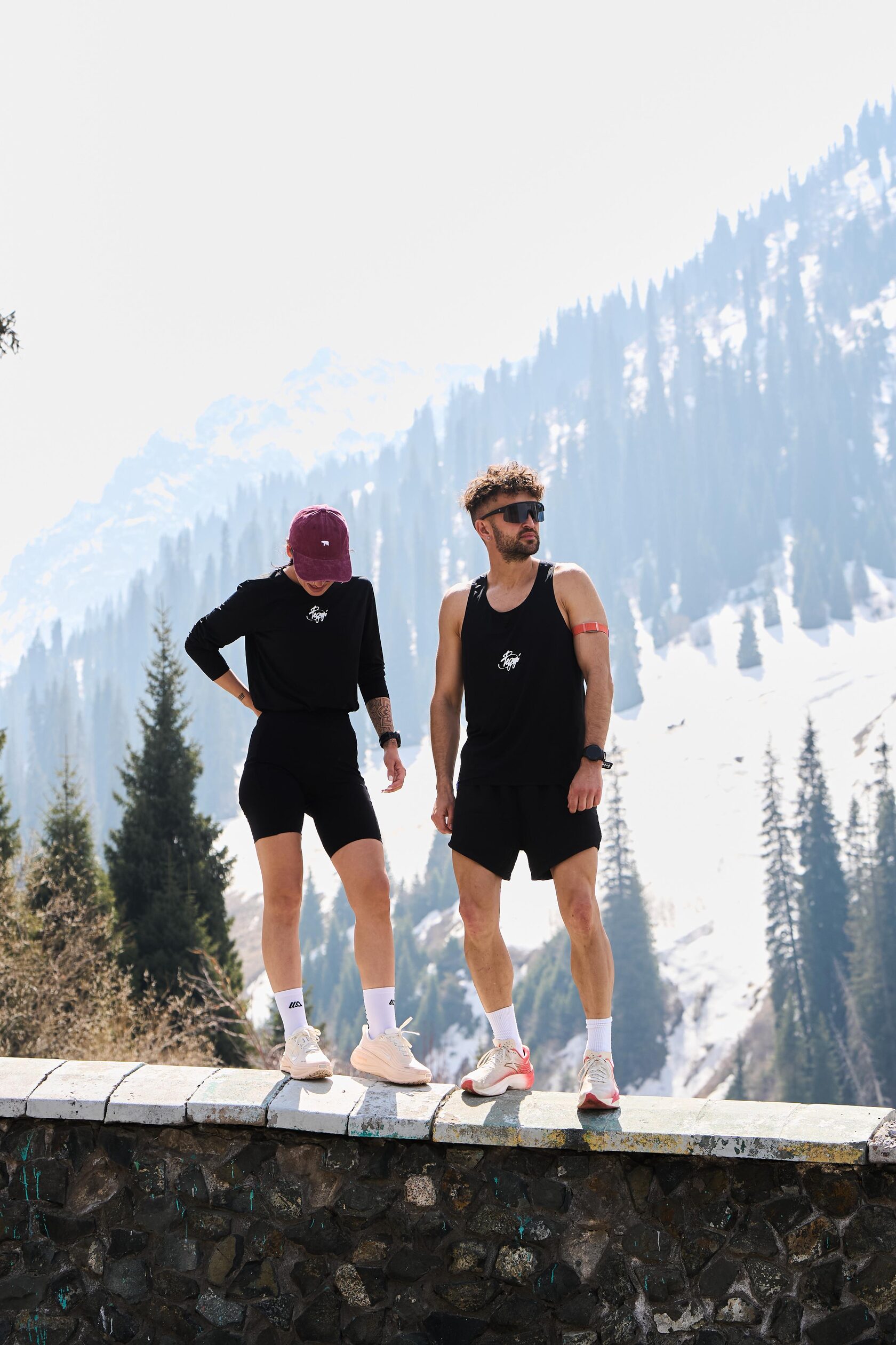
From Maksut Zhapabayev’s archive
And shorts are getting shorter again
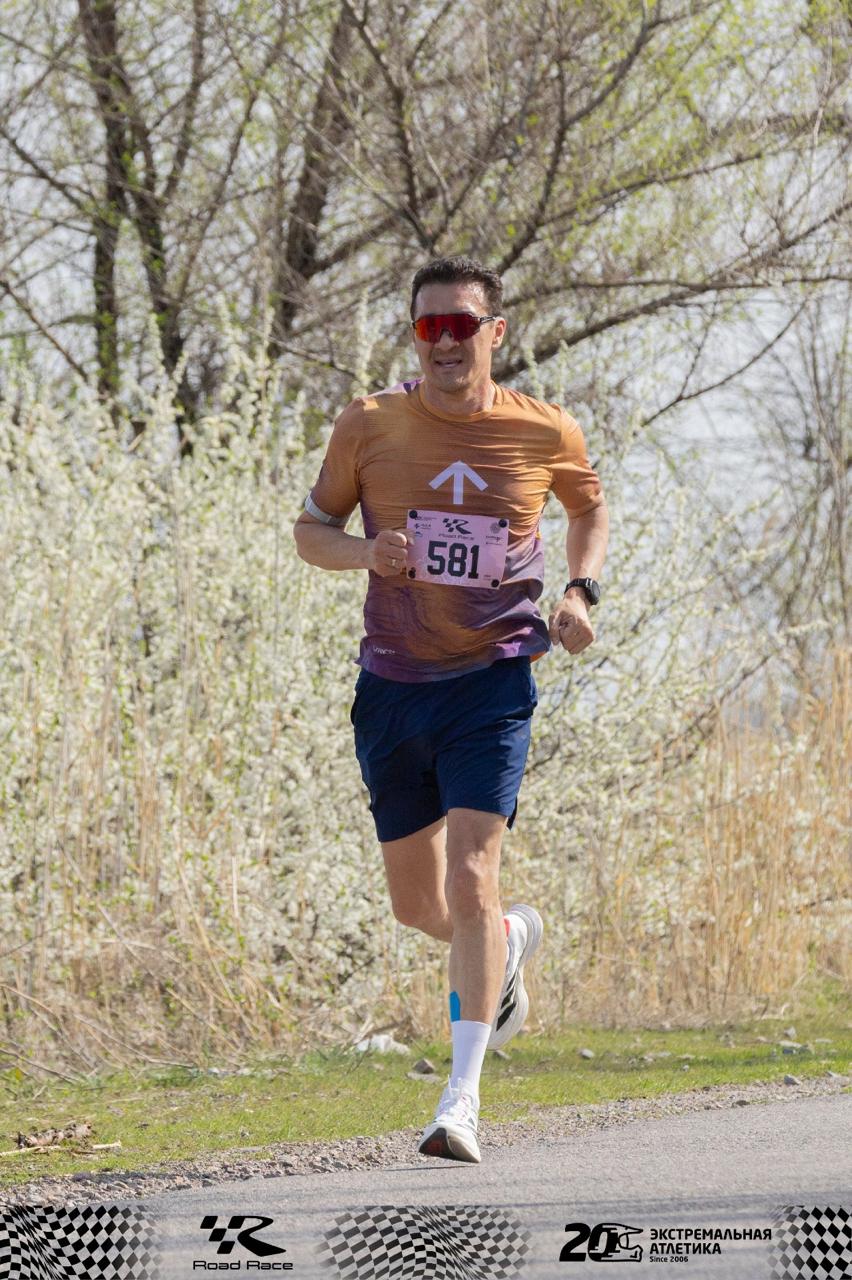
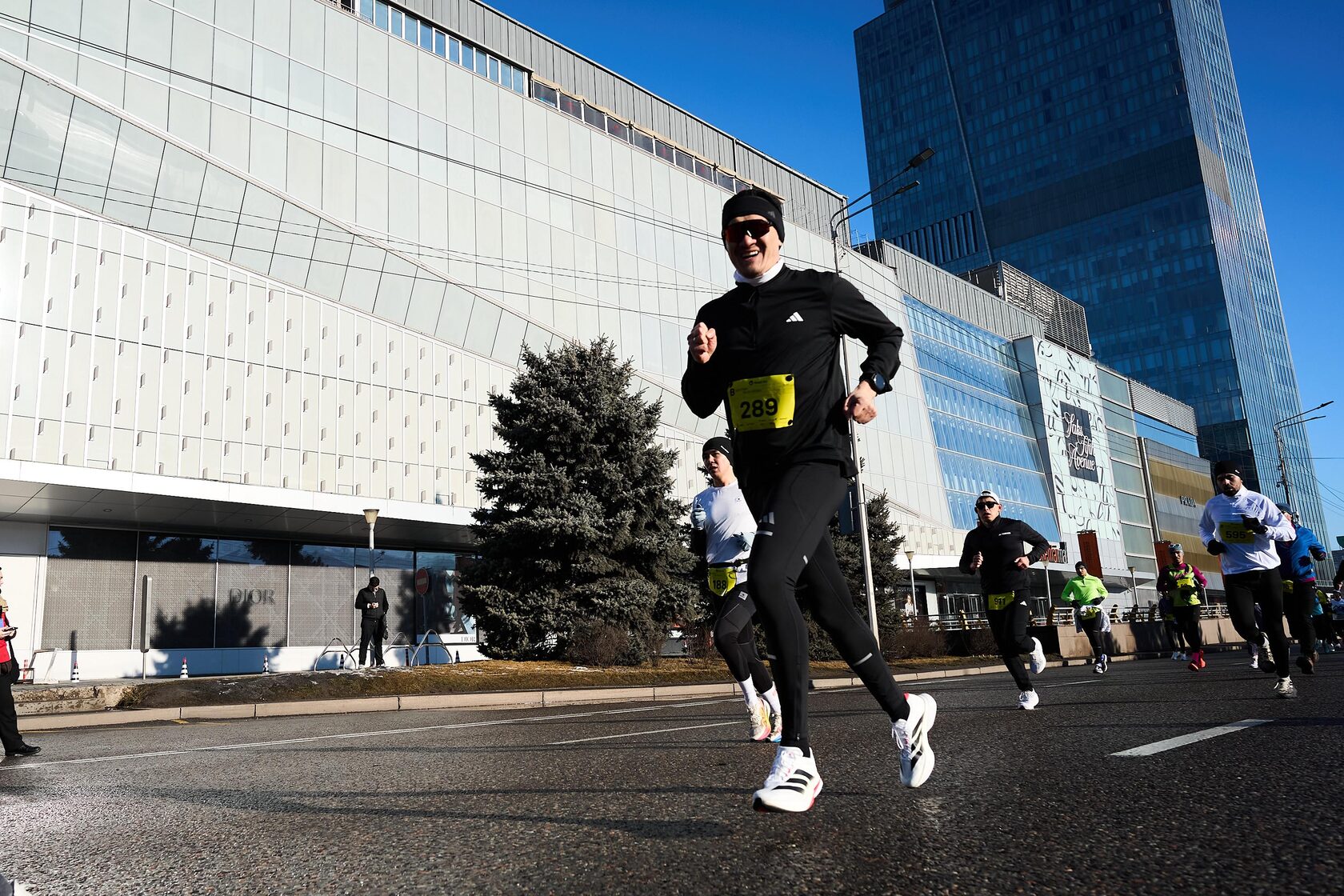
Maksut Zhapabayev notices another pattern in today’s running clothes: fashion is coming back round. At first, kit became more and more high-tech and close-fitting. Handy pockets for phones, keys and gels appeared. Cycling shorts, tights and legging-shorts came into running.
Now, in his view, things are moving in the other direction:
Men’s shorts are getting shorter but looser, and so are women’s. It’s more reminiscent of 80s fashion. As if people want to look the way their parents might have looked running when they were young.”
There were things he had to get used to himself. At first it was hard to put on leggings. Then autumn and winter came, and the question “how does this look?” lost out to the question “am I warm and comfortable?”.
Maksut hasn’t yet got as far as running vests and those trendy shallow caps with a short peak.
But something has changed: “When you first take up running, you think about something practical: white, black, navy. But once you’ve done a few races, you want to stand out, you want something brighter and more unusual.”
It’s almost a full circle. Runners in the 1980s wore short, loose shorts because that was ordinary sportswear at the time. A few decades later, technology gave athletes close-fitting fabrics, membranes, compression and complex designs. And now people are buying short, loose shorts again, because they look great.
Fashion likes to run one more lap too. And maybe more than one.
So is there a dress code or not?
Formally, of course, there isn’t. Nobody hands you the right to wear short shorts after your first half marathon. Carbon doesn’t come with your race number. And you can’t yet be disqualified for mismatched socks.
But there is something else: the community’s visual language. Some of its words are dictated by function.
- A synthetic T-shirt really does behave differently from wet cotton.
- Pockets are needed for your phone and gels.
- Sunglasses protect your eyes.
- The right trainers aren’t chosen just for the photos.
And some of it appears because running long ago stopped being purely physical activity. It’s also the people around you. Clubs. Races. Trips. Social media. Favourite brands. Professional athletes. You watch, ask, try things out and gradually pick up the language.
And Second Breath’s interviewees don’t agree at all on where the line is. For Regina, comfort still comes first. Ildar wants to look fashionable, but as a coach he’s ready to reject a trend if it gets in the way of movement. For Svetlana, a beautiful outfit can become part of her motivation. For Aigerim, clothes set the mood. For Olesya, a change of wardrobe is also linked to a person’s confidence within the running community.
And perhaps that’s why it’s more accurate to talk not about a running dress code, but about a running identity. First you buy things because you’ve started running. Then at some point your things start telling everyone around you that you’re a runner.
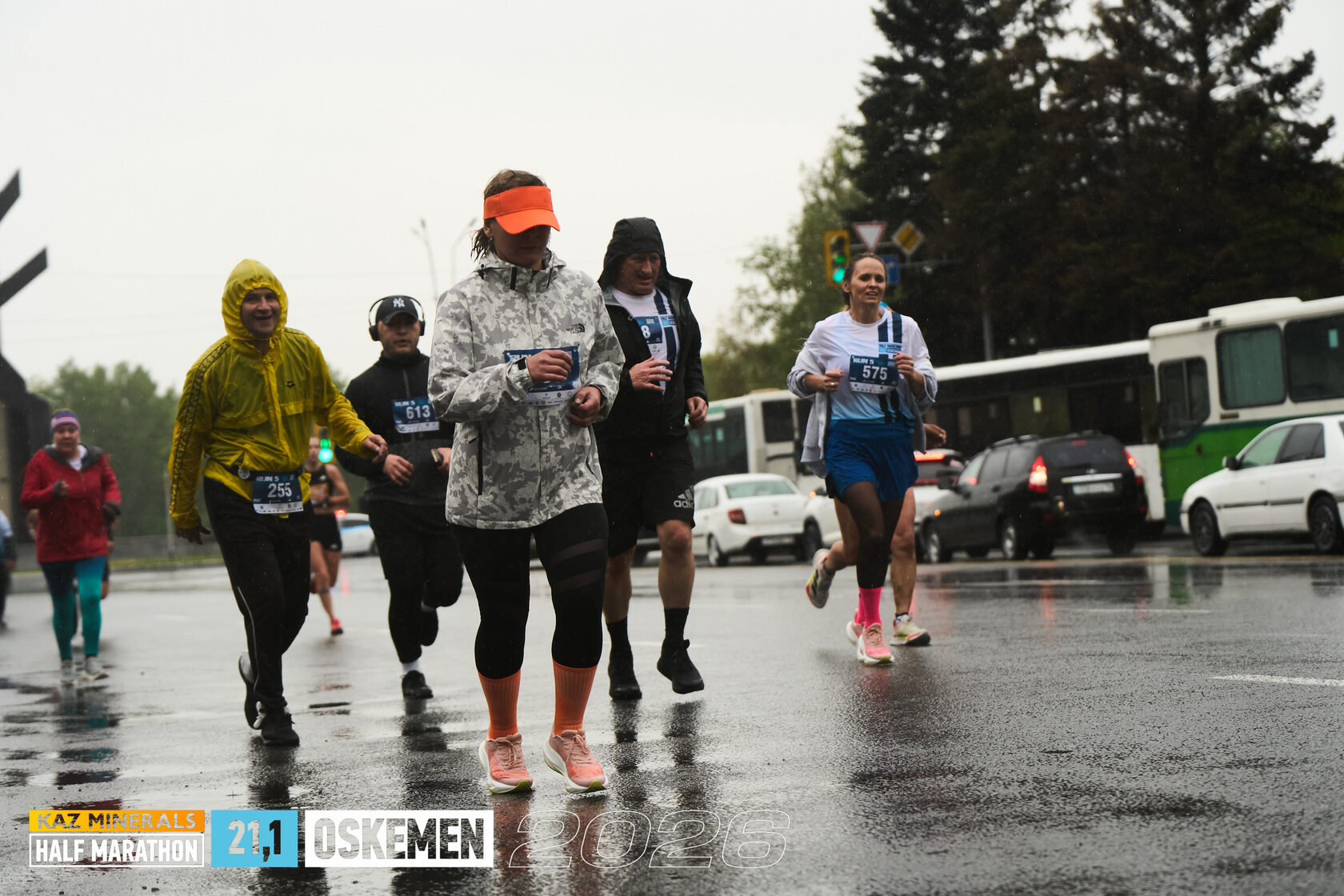
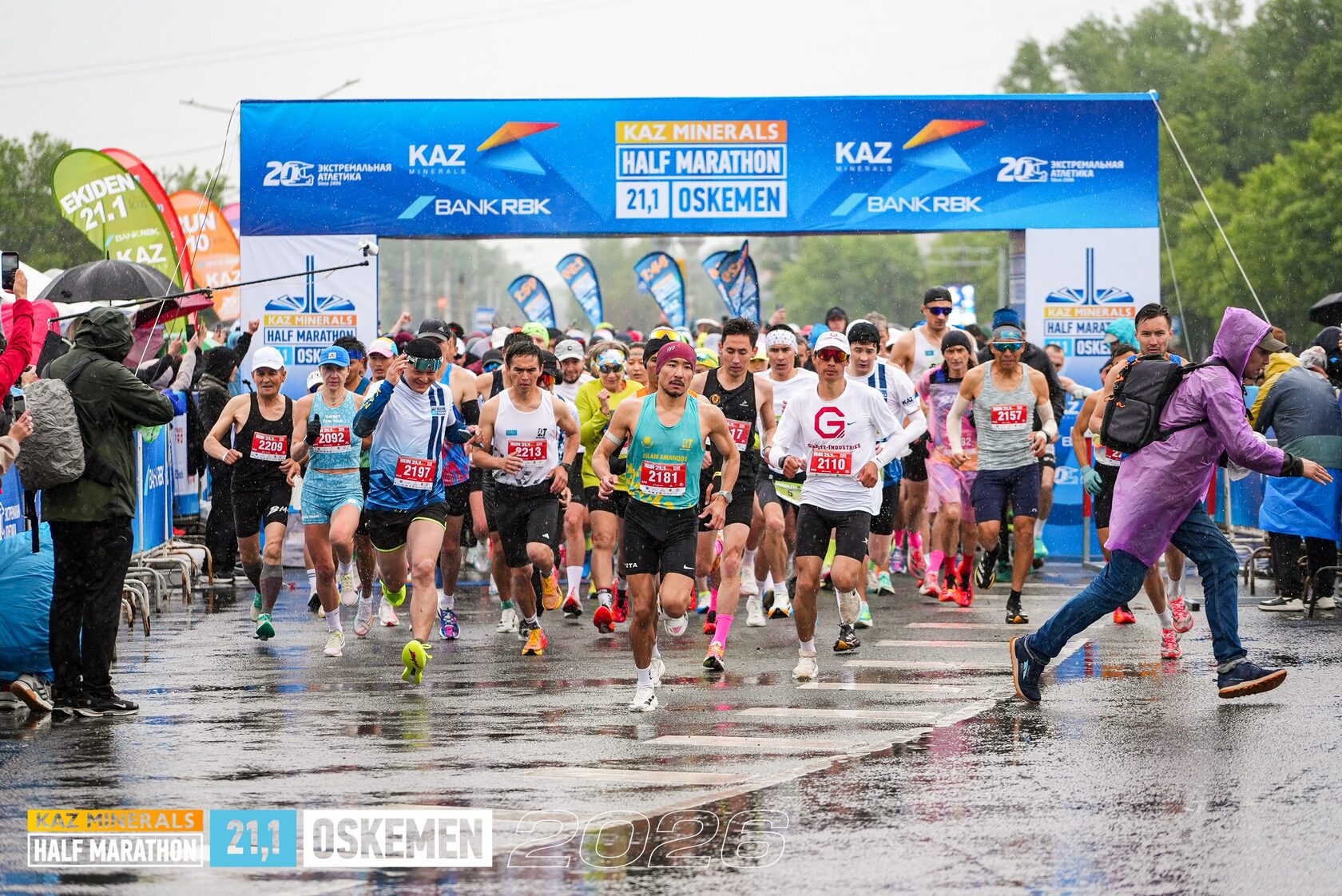
On 27 September, thousands of amateurs will take to the courses of the Almaty Marathon. For some it will be just another race, for others their first big one.
And if this article has suddenly made you want to rush out and buy a new outfit, there’s one awkward detail: until the finish, function matters more than fashion.
This Sunday: whatever you do, don’t debut your entire wardrobe at once
It’s best to start in kit you’ve already tested. New trainers, socks, shorts, a sports bra or a belt may turn out to be wonderful until about the fifth kilometre, after which you get very personally acquainted with seams, chafing and the laws of friction.
Choose your clothes bearing in mind that you’ll warm up as you run. Your phone, keys and nutrition are best secured so they don’t bounce around as you move. And anything you plan to wear for the race should ideally be tested at least once in training. After that, you can go ahead and match your socks to your trainers.
Because running evolution, if our interviewees are to be believed, looks something like this: at first, you just want to make it to the finish.